
We Don’t Ask For Enough

Digging with your heart and pen, nurturing your soul
Linda Brogan
My latest passion: we don’t ask for enough money. By ‘we’ I mean us who are non-white, non-middle-class. What I spent on lighting my Reno exhibition at the Whitworth Art Gallery for 6 months is 14 months’ rent to me.
We want more but are afraid to ask. Children of immigrants! My Irish mum would travel between shops to save a penny. My Jamaican dad made us bathe in 4 inches of water. Poverty infects our artistic self-worth, how much we ask for, and what we ask for. We operate on less than a minimum wage. Never daring to ask for time to research, develop, prepare – time to create a financially viable foundation for our practice on which to build our market. If we were shops, our shelves would be empty. Ravaged by the wars for independence inside ourselves.

Linda & her parents at Grafton St.
Securing £150,000 in four separate Arts Council England (ACE) grants for the Reno project has shifted my money mind-set. Uncovered a market for our art. I want to feed that campfire. Access resources. Establish our art within arts institutions. Bolster our entitlement. Satisfy our tribe’s thirst to relate to each other. No missionaries in sight.
I no longer believe in just moaning about shit. I’ve just applied to the Arts Council to do something about our money mindset. I want to develop an Arts Council application process that enables us all to begin to ask for more. Wrote the way we write. Not with a begging bowl. Here’s an excerpt to show you what I mean, taken from the application itself. I’m very proud of this.
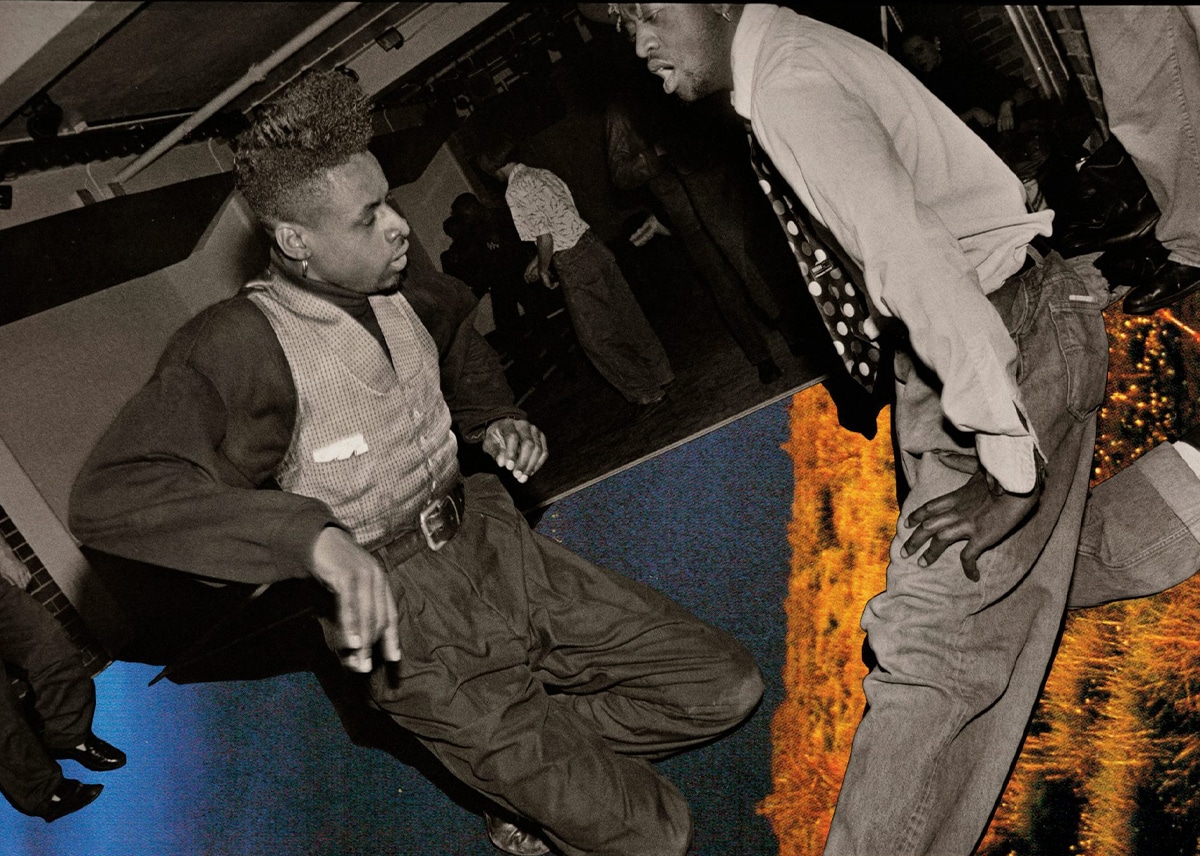
1970. The Reno our Manchester Moss Side cellar club is in full swing. Funk. Soul. Kingdom of 1950s-born ‘half-castes’. Mums ostracised for shagging a black. Not expected to amount to much.
1970. A thriving Moss Side culture exists. Furniture. Clothes. Butcher. Greengrocer. Pubs. Pianos. Singers. Homespun comedians. Storytellers. Myths. The Reno was our theatre. Heroes. Audience. The Nile, the Edinburgh, Shine’s all have their own cast. Lads in jail oil paint family photos, sent home with poems from cell 8’s heart. Our art!
1980. Sus laws push us against walls. We pelt stones. Cops lift riot shields. We burn shops. Moss Side is pulled down. Health & safety! The snow leopards’ habitat is destroyed. Our art ‘institutions’ lost. Missionaries, white art organisations at easels, paint us as they see us. ‘You’re a cat.’ Push milk for us to lap. ‘Tell us your cat stories.’
2016. I film Reno memoirs. They ignite empathy in us, for ourselves, each other, from the viewer. Therapy! Tells the story of the snow leopard from its POV.

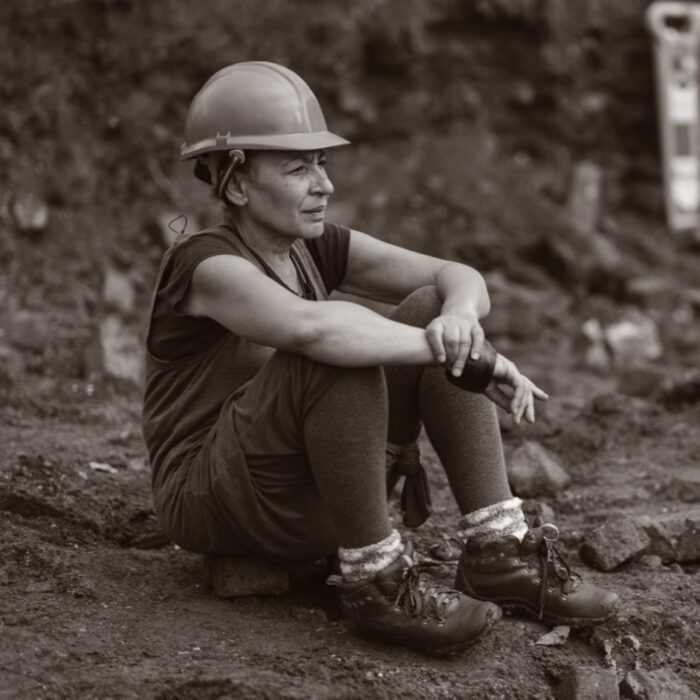
Linda Brogan at the Reno excavation
2017. I excavate the Reno. Dig it up. Archaeologists: ‘Incredible project, love to see more like this, it’s an absolute beacon!’ ‘Such an amazing project – puts the experience at the centre, rather than “sharing results”.’
2019/20. We exhibit our artefacts in the Whitworth Art Gallery. Director: ‘The Reno at The Whitworth has changed the institution for good. It has been at the heart of a wholesale rethink of the way we work as a civic museum and the transformation of the sector.‘
2020/21. Over 9 months, three Reno ladies write their memoirs, TWELVE WORDS. Publisher: ‘They are so powerful and need to be read by as many people as possible. Blew my mind. Powerful stuff. I will help you in any way possible to get TWELVE WORDS onto bookshelves and into readers’ hands.’ We’ve amounted to a lot.
 Reno memoirist Fonso & his daughter at the Whitworth Art Gallery across the road from Grafton St.
Books coach the world’s empathy. Uncle Tom’s Cabin! Blonde Little Eva’s death devastates her slave Topsy. Ugly, dark, Topsy is tamed. Saved. 1864. If Beecher Stowe had wrote about Topsy’s love life, we’d see non-white women in a different light. TWELVE WORDS shines that light. A paperback people who don’t engage with the arts will pay £9.99 for, all day long. Creating a market for more.
Imagine Topsy’s new mistress. More pretty clothes to mend, hanker after, try up to her neck, and never own. She copies her favourite. Calico. Not silk. Slavery ends. Topsy is a sought after seamstress. But still those offcuts seem too opulent for her. I’m designing an ACE application method to coach diverse artists to pick up that silk. Fashion a quality dress. Grow accustomed. Order a length.
Photos courtesy of Linda Brogan
WritersMosaic monthly
Get new writing in your inbox
One email monthly, unsubscribe anytime
It’s being published I get paid for; the writing I would do for free
‘Any advance [...] for your novel is to compensate you for the horrors of being published'
Complex antihero: an interview with Arthur Hughes
Unravelling Authur Hughes' Richard III
Marlon James: a Jamaican reckoning
'A return to a home I barely knew'
Haunting the Black Air
Poetic freedom across space and time
The Disappearers
A sprawling visceral experience that drops you in head first
The Lady Imam
Is the world ready to catch up with amina wadud?


Illuminating, in-depth conversations between writers.
Listen to all episodes
SpotifyApple Podcasts
Amazon Music
YouTube
Other apps

The series that tells the true-life stories of migration to the UK.
Listen to all episodes
SpotifyApple Podcasts
Amazon Music
YouTube
Other apps
WritersMosaic interrogates the notion of ‘staying in your lane’ by asking writers how they attempt to think beyond the parameters of their cultural identity.
Listen to all episodes
SpotifyApple Podcasts
YouTube