
How to Kidnap the Rich

Rahul Raina
Little, Brown, May 2021
Review by Vaseem Khan
The best satire educates as well as lampoons. In How to Kidnap the Rich, Rahul Raina enjoins himself to a rich literary tradition. From Salman Rushdie’s Midnight’s Children to Arvind Adiga’s The White Tiger, India has been regularly put to the literary sword by writers who have gone on to win both global audiences and the highest accolades.
Like his predecessors, Raina, who divides his time between England and the subcontinent, takes gleeful aim at the prejudices and economic inequalities that conspire to relegate those not born to prosperity on the subcontinent to lives of quiet desperation and futile endeavour.
The novel’s protagonist, Ramesh, the son of a cynical, overbearing tea-seller, is the lowborn yet ambitious slumdog of Bollywood fantasy, who, in spite of every obstacle fate throws his way, finds a way to make it.
Stepping in and taking exams for the lazy sons of middle-class Delhi-ites, he has forged a living that, if not comfortable, is at least preferable to the alternative. But when he inadvertently aces an exam, elevating his current ward to the status of national celebrity, he ends up on a rollercoaster, involving a lucrative quiz show and a series of increasingly surreal crimes and misdemeanours.
That absurdist element, evident in the second half of the novel, does not detract from the point Raina is trying to make. Namely that modern India is increasingly a place where elitism and a desire to earn a place among the haves at the expense of the have nots has uprooted any sense of moral equity. His depiction of the country’s middle-class, and the caste system that acts hand-in-glove with the new wealth-sanctioned divisions evident across India’s urban landscape is savage. Raina revels in taking a flamethrower to the self-congratulatory righteousness that is increasingly the hallmark of the aspirational Indian: ‘Oberoi was very proud of his master’s from Southern Illinois University, a “very prestigious institution”. We love that word. Prestigious. All American places are prestigious. It is very important that they are prestigious for the marriage ads and dating sites, otherwise how else do desperate parents sell their hairy, unwashed thirty-two-year-old sons who work in lower middle management?’
The second half of the book moves at a rapid pace, switchbacking between plot twists and a love story that begins slowly but soon becomes integral to our hero’s narrative arc. Indeed, the masala mix of elements: crime, thriller, drama, romance, bildungsroman, might be compared to the Bollywood potboilers that the novel’s plot resembles.
Raina pulls no punches, and his use of language is both frothy and illuminating. The novel’s whip smart observations and feral sense of humour have already garnered the book critical acclaim and a screen rights deal with HBO. As a treatise on the ills of modern India, the author may well incur the wrath of Indian patriots, but, for a reader, this is a book that lingers in the memory.
https://www.hachette.co.uk/titles/rahul-raina/how-to-kidnap-the-rich/9781408713327/
WritersMosaic monthly
Get new reviews in your inbox
One email monthly, unsubscribe anytime

A Trial
An examination of theatre’s complicity in post-truth politics

The Complex
The unraveling of a dynasty

Disappearing Images
A festival of ephemeral art and the impermanence of our current world


The name of this wallpaper is ‘Childhood’
A luminescent bubble of memory
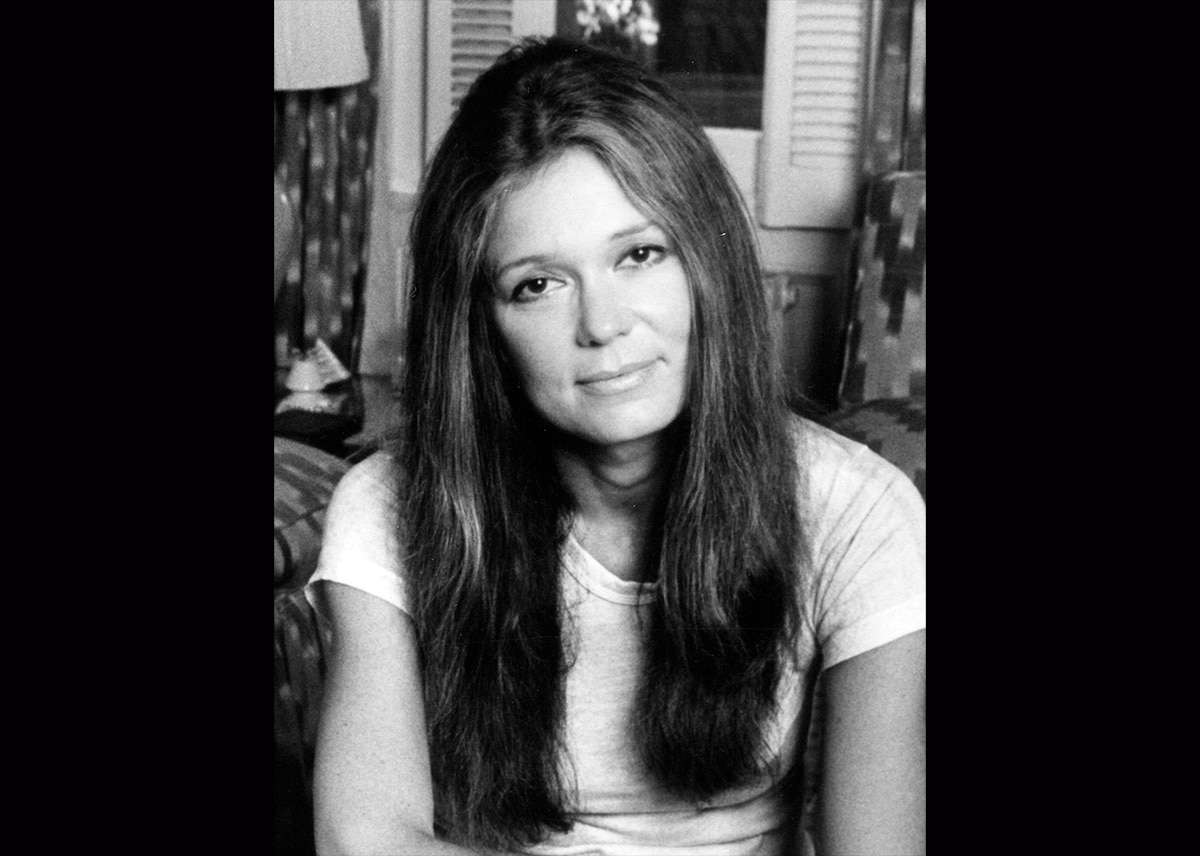
What’s in a feminist? Holding on to Gloria Steinem
Is Gloria Steinem's feminism still relevant today?

Coats
The unexpected cost of acquiring two Italian leather coats in Rome


Free Will
Will Harris reads his poem, 'Free Will'. Directed by Matthew Thompson and commissioned by the Adrian Brinkerhoff Poetry Foundation.

Half Written Love Letter
Selina Nwulu reads her poem, 'Half Written Love Letter'. Directed by Matthew Thompson and commissioned by the Adrian Brinkerhoff Poetry Foundation.

Illuminating, in-depth conversations between writers.
Listen to all episodes
SpotifyApple Podcasts
Amazon Music
YouTube
Other apps

The series that tells the true-life stories of migration to the UK.
Listen to all episodes
SpotifyApple Podcasts
Amazon Music
YouTube
Other apps
WritersMosaic interrogates the notion of ‘staying in your lane’ by asking writers how they attempt to think beyond the parameters of their cultural identity.
Listen to all episodes
SpotifyApple Podcasts
YouTube
In the first series of poems commissioned by Hannah Lowe, six poets explore how ritual gives meaning to our lives.
Listen to all episodes
SpotifyApple Podcasts
YouTube