
I Belong Here

Anita Sethi
Bloomsbury, 2021
Review by LiLi K. Bright
Mapping her narrative on to areas of the body, Anita Sethi shares a story in I Belong Here that is deeply embodied at multiple levels. ‘I love looking at the grass, which stretches like a green skin over the surface of the earth, covering whatever lies within its body’; and ‘Skin is like a landscape in itself, home to incredibly diverse communities of microorganisms.’
My journey as I made my way through the book traversed not only place, but also time, memory and loss. Sethi seamlessly combines personal history, family history and heritage, and socio-political history, weaving these together with vivid descriptions of the Pennine Hills. I Belong Here is a call to act with courage in the service of justice.
Sethi’s exploration of belonging gets to the core of social justice. She writes of the power of protest to spark and create change. I found it inspiring to be on this journey with her and to witness her overcome fears I face myself. She is adamant that she is not acting ‘without fear’. She does not hide the difficulties and dangers, instead she makes them visceral and real. When she slips on Malham Cove, I wince. Her account is accessible and relatable, and shows that it is possible for each of us to follow Emily Dickinson’s advice, as Sethi repeatedly does: ‘If your nerve deny you, go above your nerve.’
When Sethi writes, ‘I now feel that speaking out is an act of survival, even if it kills me – it would be a worse kind of death to remain silent’, I hear echoes of Zora Neale Hurston, ‘If you are silent about your pain, they’ll kill you and say you enjoyed it.’
Evident in the lyricism of Sethi’s text is a deep skill with, and love of, language. She demonstrates her knowledge of words in a way that is accessible – making clear the links she draws so that we can follow her train of thought. As a result, I felt I was inside her head, hearing her reactions and reflections. Evocative place names give rise to philosophical musings on a street called Hope, in a town called Settle, and many others.
Sethi makes words do their work. Every nuance of meaning is evoked and put to use to illustrate the connections between things:
‘Our bodies bear witness, too, hurt leaves its presence even in our posture, the way we carry ourself, our bearing. My body bore witness that day […] There have been times I could not bear what I had witnessed. Putting into words what we have witnessed makes it more bearable, what remains untold becoming toxic, unbearable – for language can bear more than us […] To bear witness to another’s suffering moves the victim from a state of isolation to one of belonging.’
I Belong Here sits within a rich and extensive body of work. Sethi references other books that I now want to read too, and this adds richness and depth to her work. I’m looking forward to Common People: An Anthology of Working-Class Writers and We Mark Your Memory: Writing for the Descendants of Indenture, as well as returning to the writing of Robin Wall Kimmerer and Emily Dickinson.
WritersMosaic monthly
Get new reviews in your inbox
One email monthly, unsubscribe anytime
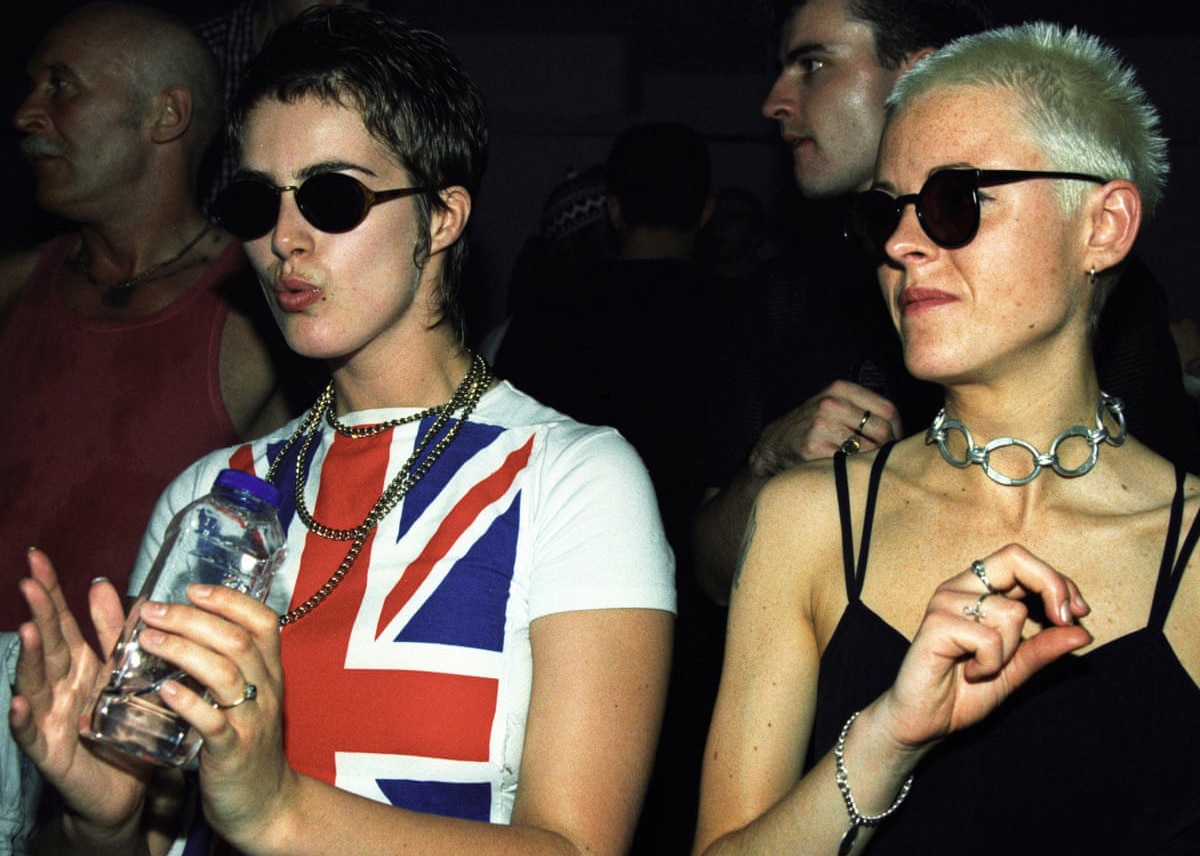
The 90s: Art and Fashion
'Inside are almost 70 artists, designers and photographers [...] just not quite as you’d hope'
Kikuyu Land
A necessary, but perhaps not fully realized, insight into how colonialism and capitalism have fed into Kenya’s current political situation

The Recovery House
A love letter to the vicissitudes of being a novelist

Safe Spaces
Tice Cin's hotly anticipated second book is a literary mixtape of voices and forms

Get in line
What does a queue have to do with anything? A lot, says Snežana Ċurčić

Ladies of the Rachmaninoff Eyes
The impact of space between what is happening on and off the page


Becoming Home: Sight
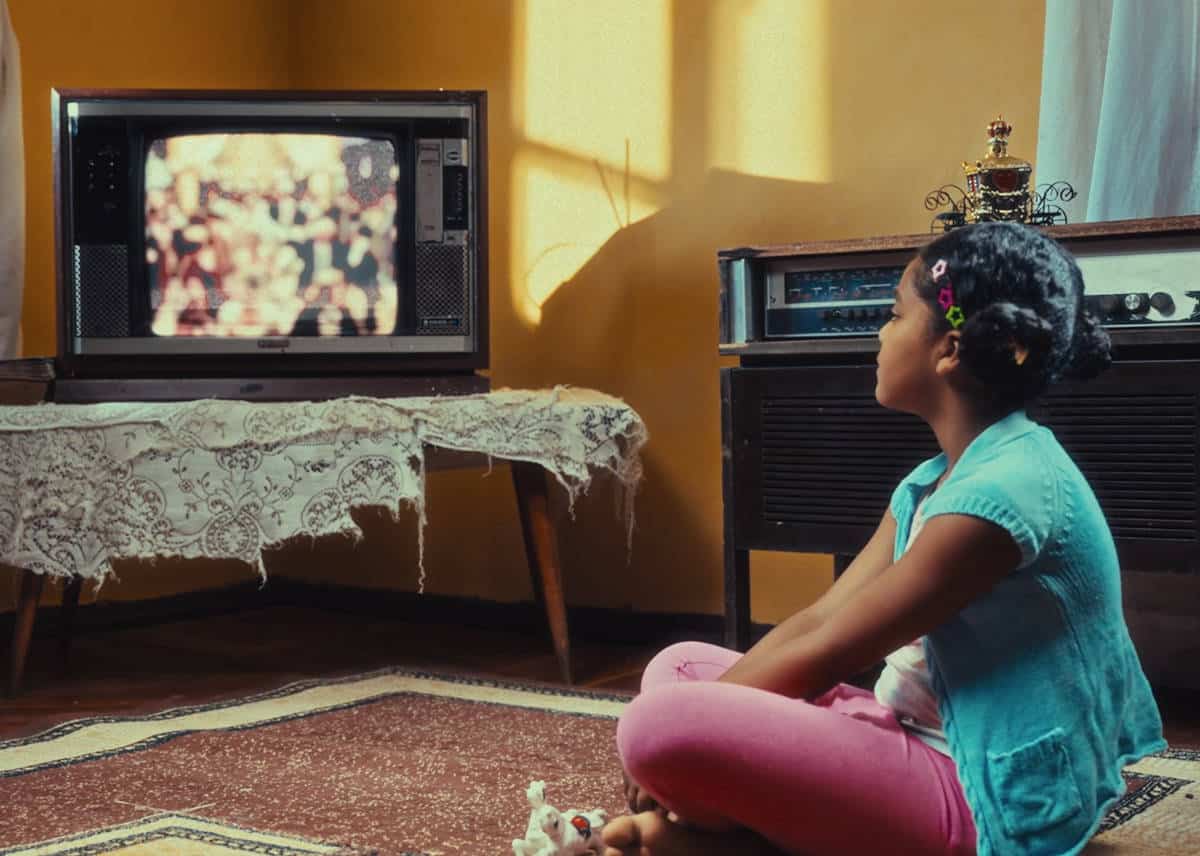
The first in Becoming Home, a series of four short films by Adïam Yemane, commissioned by WritersMosaic. This film centres on Adïam's own story, exploring the meaning of home through sight.
Fruity
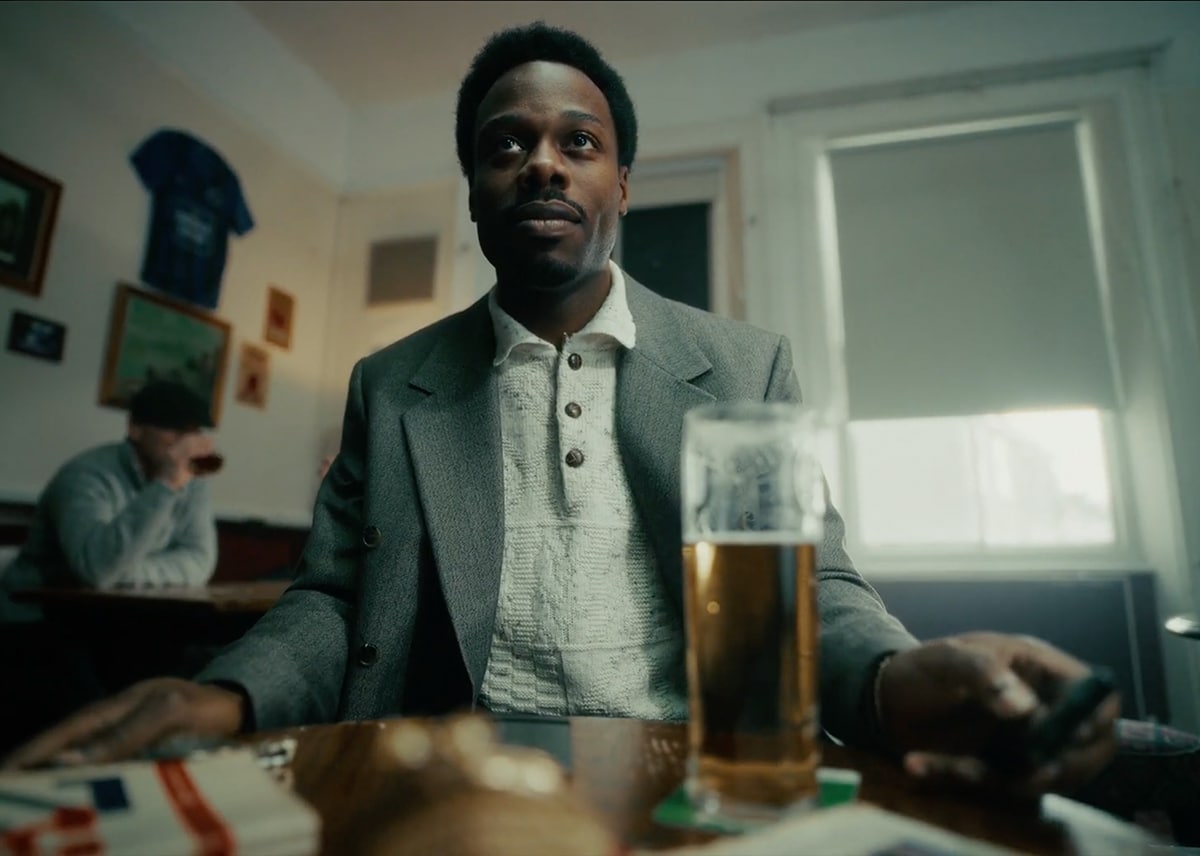
A darkly comic crime short film written by and starring Delon Jessop and directed by James Baines.

Illuminating, in-depth conversations between writers.
Listen to all episodes
SpotifyApple Podcasts
Amazon Music
YouTube
Other apps

The series that tells the true-life stories of migration to the UK.
Listen to all episodes
SpotifyApple Podcasts
Amazon Music
YouTube
Other apps
In this second series of poems commissioned by Hannah Lowe, six poets explore the theme of surveillance.
Listen to all episodes
SpotifyApple Podcasts
YouTube