
The Lost Woman of Santacruz

Vijay Medtia
Leadstart Publishing, 2021
Review by Peter Kalu
Police Inspector Ajay Shaktawat of the Mumbai police force is in dire straits with his personal life. The last thing he needs is a cop-killer case. That’s what lands on his desk. With politicians, press, Delhi Special Branch and others breathing down his neck, his plans to ease off work in order to rescue his relationship with his wife – rekindle bonds with his children, and generally become a nicer person – fade amidst a welter of what-might-have-beens and if-onlys. Out there in the big, brawling city, retired police officers keep getting murdered.
A rambunctious detective story, one of the best I’ve read this year, this first book in the Police Inspector Ajay Shaktawat series achieves that rare feat of simultaneously yoking the broad existential question of how we achieve intimacy in the anonymising, dehumanising city with the page-turning suspense and joy (yes, joy) of a well-crafted, detective story.
The balancing of these two components – intimacy and plot – deserves attention. Although written in the terse style of the hard-boiled detective sub-genre, The Lost Woman of Santacruz deviates from the Chandler and Hammett template. Unlike Chandler or Hammett, who carefully shield us, the readers, from the private lives of their detectives Marlowe and Spade, Vijay Medtia allows us into the messy and very real complications of Shaktawat’s issues with his wife, his fraught relationship with his mother, and his children’s longing for him to become more father than cop. The oscillation between the internal narrative – how Shaktawat attempts (however maladroitly) to improve his relationships with those he loves – and the external business of pursuing clues, tailing suspects, pressing for evidence to be analysed and negotiating office politics is skilfully orchestrated. Shaktawat’s ultimate failure to successfully juggle it all feels human and is touching.
Lost Woman’s other star character is the city of Mumbai. Medtia eschews the lush exoticism found in the Orientalist depictions of Indian cities favoured by some UK-based crime writers, and instead provides a convincing glimpse of a modern, stratified city – one whose glitches, quirks, gridlocks, cons and nuances the cop in Shaktawat knows like the back of his hand. The following exchange occurs when the owner of a roadside food joint asks if Shaktawat enjoyed the meal he’s just eaten:
-Teach your chefs how to cook. They throw too many spices into the curry.
-We have the best chefs, Saab.
-And I’m Mahatma Gandhi. I live in Santacruz, I’m not a tourist.
He left annoyed, not the best way to be when meeting his mother.
Only a writer as confident in their knowledge of Mumbai as Medtia could pull off such dialogue.
The observations, perceptions, internal and voiced dialogue of Lost Woman are all filtered through the restless consciousness of Shaktawat. It is this restlessness which, more than any other element, carries the brilliance of Medtia as fiction writer: in Shaktawat he elaborates a thoughtful, philosophical and generous soul – intellectually curious, wryly humorous, pragmatic yet empathetic toward human frailties, and a smarter psychologist than the other professionals around him. Police Inspector Ajay Shaktawat is a fascinating creation. I suspect he is here to stay.
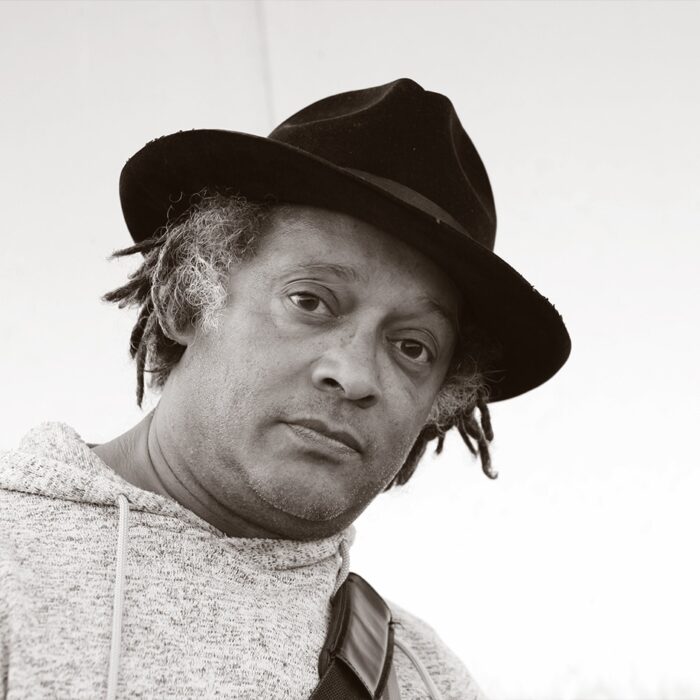
Peter Kalu
Peter Kalu is a Manchester-based short story writer, novelist, storyteller, playwright and poet.
WritersMosaic monthly
Get new reviews in your inbox
One email monthly, unsubscribe anytime

On Becoming a Guinea Fowl
A sharp, layered study of patriarchal privilege

The Story
A propulsive play centered on a black-run section of a mainstream newspaper

Some Sacred Harbour
As much a book of joy as of anger





Ladies of the Rachmaninoff Eyes
The impact of space between what is happening on and off the page

On Snow
'The mind inevitably seeks a reenactment of the teal light I associate with home'
It’s being published I get paid for; the writing I would do for free
‘Any advance [...] for your novel is to compensate you for the horrors of being published'






Illuminating, in-depth conversations between writers.
Listen to all episodes
SpotifyApple Podcasts
Amazon Music
YouTube
Other apps

The series that tells the true-life stories of migration to the UK.
Listen to all episodes
SpotifyApple Podcasts
Amazon Music
YouTube
Other apps
In this second series of poems commissioned by Hannah Lowe, six poets explore the theme of surveillance.
Listen to all episodes
SpotifyApple Podcasts
YouTube