
Violeta

Isabel Allende
(Bloomsbury, 2022)
Reviewed by Daniel Rey
Oil paintings, a large household staff and a governess sent from England. Violeta del Valle is born into a family of aristocratic lineage in an unnamed South American country just before the arrival of the so-called Spanish flu. Wealth shields the family from the worst of the pandemic, but not even a vast fortune can protect against the Great Depression, which triggers the suicide of the patriarch and forces exile to the provinces.
Isabel Allende, one of the most-read Spanish-language novelists of all time, tells Violeta’s hundred-year life through a letter she writes to her grandson Camilo, a priest who ministers to the poor. Violeta’s life is bookended by two pandemics: the outbreak of influenza in Chile in 1920 and Covid-19. In between, Violeta sees the effects on her country of a military coup, vast political repression and the largest earthquake of the century.
Through her friends and family, Violeta has a good view of these weighty events; her devoted houseboy Torito is killed by the army, and her extra-marital lover Julián works for the mafia, the CIA and Fidel Castro. Violeta herself rarely has much impact on those around her, except when she discloses Julián’s financial records to the authorities. The records, which she had managed on his behalf, help convict him for fraud and tax evasion.
The strongest influence on Violeta’s life, Julián draws her away from her staid marriage, siring two children and persuading Violeta to undergo sterilisation. Julián’s neglect of their son and adoration of their daughter mark all of their lives, leading Violeta towards a more meaningful romantic relationship with his surprisingly tender associate, Roy.
As one would expect from Allende, Violeta is nicely written, in a conversational style that reflects its epistolary form. Often, however, clichés make Violeta’s narration insipid. She writes that ‘Santa Clara was an oasis of calm’, and that ‘Women fluttered around him [Julián] like moths to a flame.’ On several occasions, Violeta speaks of Camilo, to whom she is writing, in the third person. The intimacy of her letter-novel is undermined by calling him not ‘you’ but ‘the baby’.
Similarly, it is odd that Allende avoids naming the country where the majority of Violeta’s life takes place, given that it could only be Chile. The choice is particularly strange as Violeta’s narrative is full of geographical and historical detail (we learn that the country borders Argentina, and that a local home was ‘burned in the 1960 earthquake’). It’s hard to guess the purpose of this combination of specificity and anonymity.
Violeta begins with promise. The protagonist’s brother, her governess, and the governess’s gay lover are intriguing and well-drawn. But, as the novel develops, their participation tapers and Allende’s best personalities are soon forgotten amid a plethora of new characters.
Violeta starts her letter with the words, ‘Dear Camilo, I think you’ll see that my life story is worthy of a novel.’ With the exception of Part One, it’s rarely more interesting than any old grandparent’s reminiscences.
WritersMosaic monthly
Get new reviews in your inbox
One email monthly, unsubscribe anytime
The Complex
The unraveling of a dynasty
Disappearing Images
A festival of ephemeral art and the impermanence of our current world
Ever Land
A layered and haunting view of daily life in occupied Palestine
Coats
The unexpected cost of acquiring two Italian leather coats in Rome
A tribute to Bonnie Greer
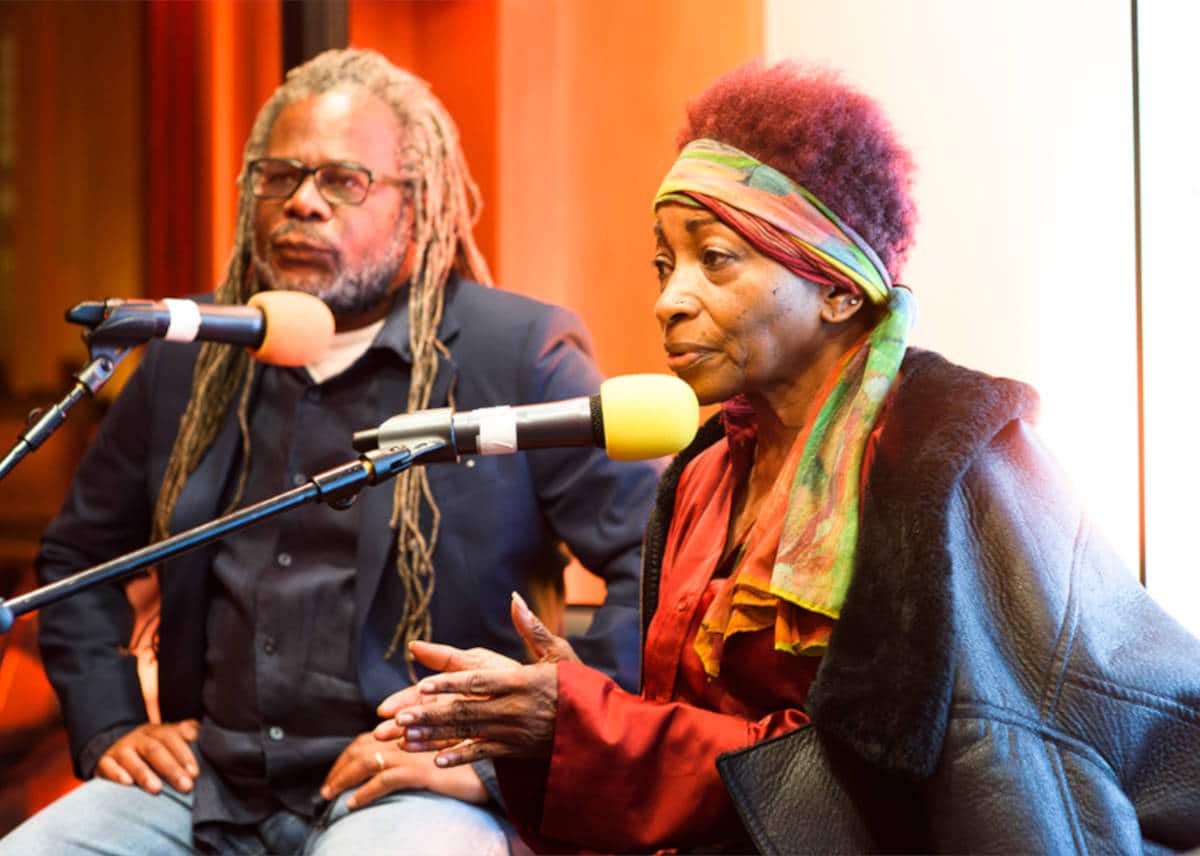
Founding editor of WritersMosaic Gabriel Gbadamosi pays tribute to Bonnie Greer, the extraordinary writer, public intellectual and much admired contributor to WritersMosaic who died on 15 September, 2026.
Triage
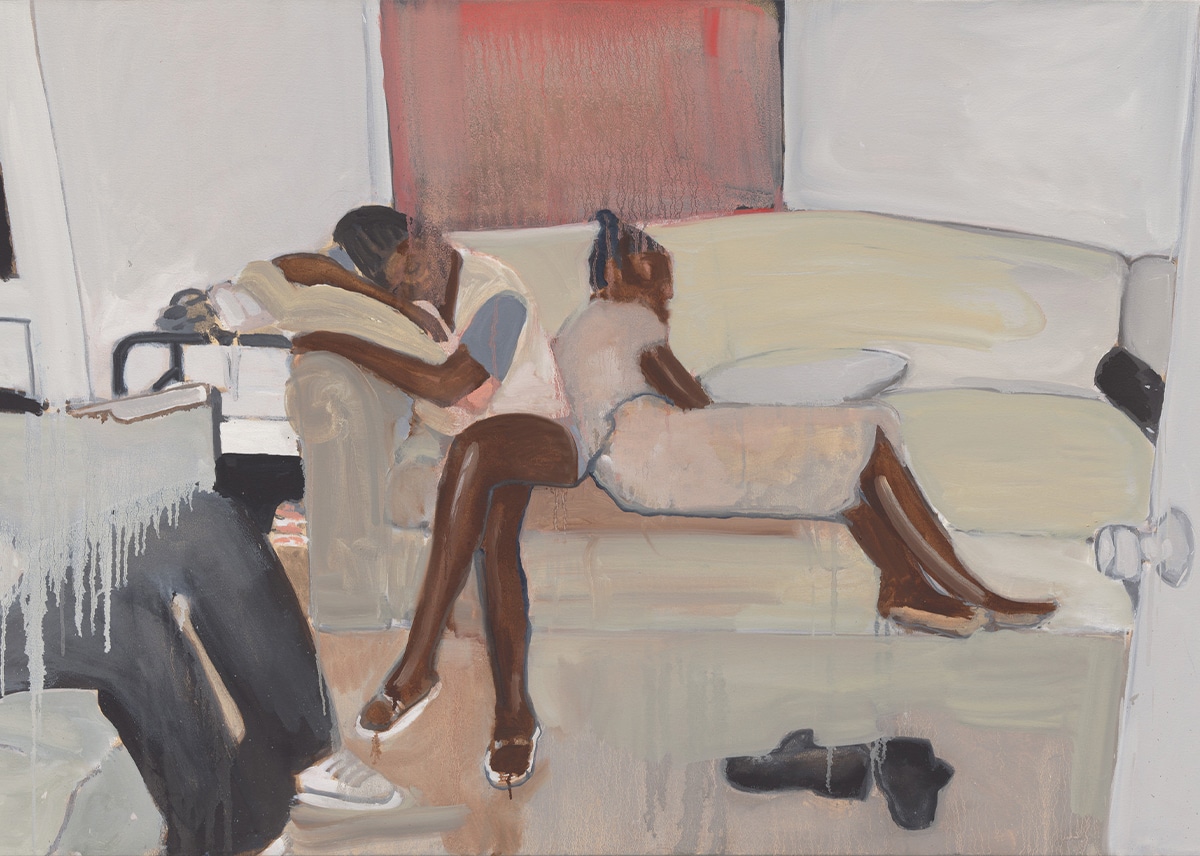
A response to the endless spiral of worldwide conflict and tragedy

Free Will
Will Harris reads his poem, 'Free Will'. Directed by Matthew Thompson and commissioned by the Adrian Brinkerhoff Poetry Foundation.

Half Written Love Letter
Selina Nwulu reads her poem, 'Half Written Love Letter'. Directed by Matthew Thompson and commissioned by the Adrian Brinkerhoff Poetry Foundation.

Illuminating, in-depth conversations between writers.
Listen to all episodes
SpotifyApple Podcasts
Amazon Music
YouTube
Other apps

The series that tells the true-life stories of migration to the UK.
Listen to all episodes
SpotifyApple Podcasts
Amazon Music
YouTube
Other apps
WritersMosaic interrogates the notion of ‘staying in your lane’ by asking writers how they attempt to think beyond the parameters of their cultural identity.
Listen to all episodes
SpotifyApple Podcasts
YouTube
In the first series of poems commissioned by Hannah Lowe, six poets explore how ritual gives meaning to our lives.
Listen to all episodes
SpotifyApple Podcasts
YouTube