
In the Shadow of the Cypress

Directed by Hossein Molayemi and Shirin Sohani (2023)
Review by Sana Nassari
The winner of the Academy Award for Best Animated Short Film at the 97th Academy Awards, In the Shadow of the Cypress is a landmark achievement for Iranian animation. Directed by Shirin Sohani and Hossein Molayemi, the film triumphed over strong contenders and had already gained international recognition, winning multiple awards at prestigious festivals.
Despite global success, Iranian animators still face significant obstacles. In the absence of institutional support, Iranian animation has had to carve its own independent path. Even on the international stage, barriers remain. Sohani and Molayemi received their US visas on the day of the Oscars, and their flight landed in Los Angeles only three hours before the winner was announced.
At its core, In the Shadow of the Cypress is a deeply personal exploration of trauma and fractured familial relationships in post-war Iran. The story follows a daughter who, after years of emotional turmoil, decides to leave home. Her neatly packed hand luggage contrasts sharply with the chaos surrounding her father, who is suffering from PTSD – highlighting the stark difference in their emotional worlds. However, before she can leave, she faces an obstacle, a giant whale, that forces her to confront their unresolved past.
From the opening scene, the film establishes a striking visual and emotional tone. It begins with the gentle sounds of the sea, evoking a sense of tranquillity. But before any comfort sets in, an unsettling image disrupts the moment – a tiny, colourful fish trapped in a glass jar, accompanied by the harsh sounds of crashing and smashing. The sequence culminates in the shattering of the fishbowl, a symbolic prelude to the emotional collapse that follows.
The visual storytelling in In the Shadow of the Cypress is profoundly expressive, relying entirely on imagery rather than dialogue. Silence is not just a stylistic choice; it amplifies the characters’ solitude and intensifies the unresolved tension between the father and daughter. By removing dialogue, the film shifts the focus entirely to drama, allowing emotions to unfold through powerful visual metaphors rather than spoken words. Using 2D digital animation and hand-drawn techniques, integrating the very laborious traditional frame-by-frame animation techniques over six years, the film depicts despair, traumatic flashbacks, and psychological breakdown are depicted in their rawest form. Instead of verbal explanations, the film visually manifests inner turmoil; characters’ bodies appear shattered or melted, physically embodying their emotional devastation.
Nowhere is this emotional burden more vividly realized than in the film’s most striking metaphor – the giant whale, a colossal representation of the trauma that lingers across generations. Though the father and daughter share an emotional bond, the sheer magnitude of this unspoken burden renders communication almost impossible. The whale remains a static, undeniable presence – an obstacle that looms over their relationship. Another powerful motif is an abandoned ship which embodies nostalgia and lost time. Unlike the whale, which has washed ashore, this dilapidated vessel remains motionless, adrift far from home. It holds echoes of the past, yet it is detached from the present. In contrast, the whale – representing immediate trauma – has arrived at their doorstep, refusing to be ignored.
Although not autobiographical, the film is deeply influenced by Shirin Sohani’s personal experiences. Her father was a veteran of the Iran-Iraq War, deeply affected both mentally and physically by its aftermath. As someone whose own father lost a leg in the same war, I have always believed that we were raised with something as terrifying as war itself – its consequences. Yet, just as in the film, real-life victims sometimes transform their pain into something meaningful.
At its heart, In the Shadow of the Cypress is a tribute to life itself. For years, state propaganda in Iran has glorified death, dismissing the value of the material world. Yet, this film is a cultural response from a generation raised under war glorification. Instead of submitting to that narrative, they choose to honour life – despite its pain, despite its trauma.

Ever Since We Small
Celeste Mohammed's novel explores both the far-reaching impacts of colonialism and the small realities of life that binds its characters
Red Pockets
Alice Mah's memoir confronts the climate crisis while dragging the reader back from the brink of despair
The Legends of Them
A dream-like production set inside the subconscious mind of a high-flying, female reggae artist
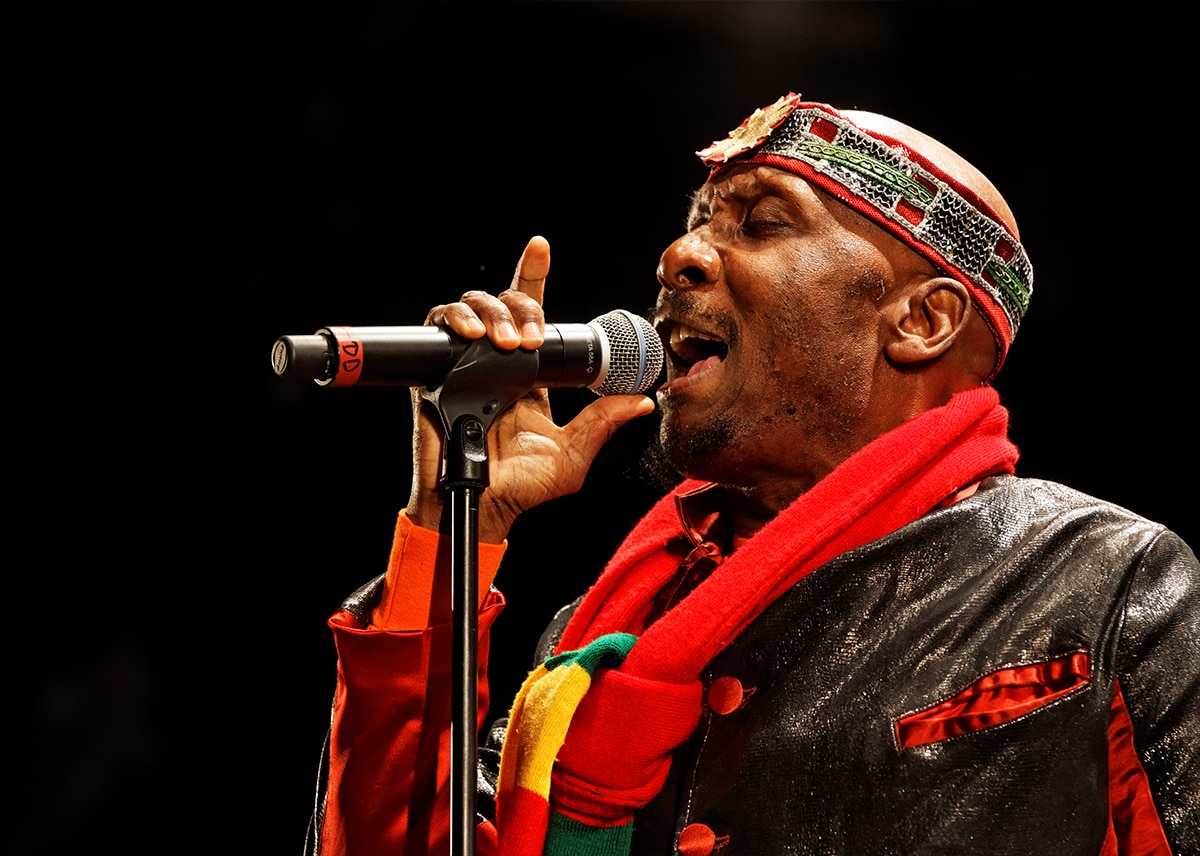
Jimmy Cliff’s influence on the soul of reggae
Jimmy Cliff’s death last month prompted an outpouring of affection. In an augmented extract from I&I: The Natural Mystics, a social history of Jamaica, our Director reflects on Cliff’s emergence as a reggae pioneer.
Writing saved my life
'I just started writing down the words that I was feeling at that moment…To my surprise it felt really good. It was another form of release!'
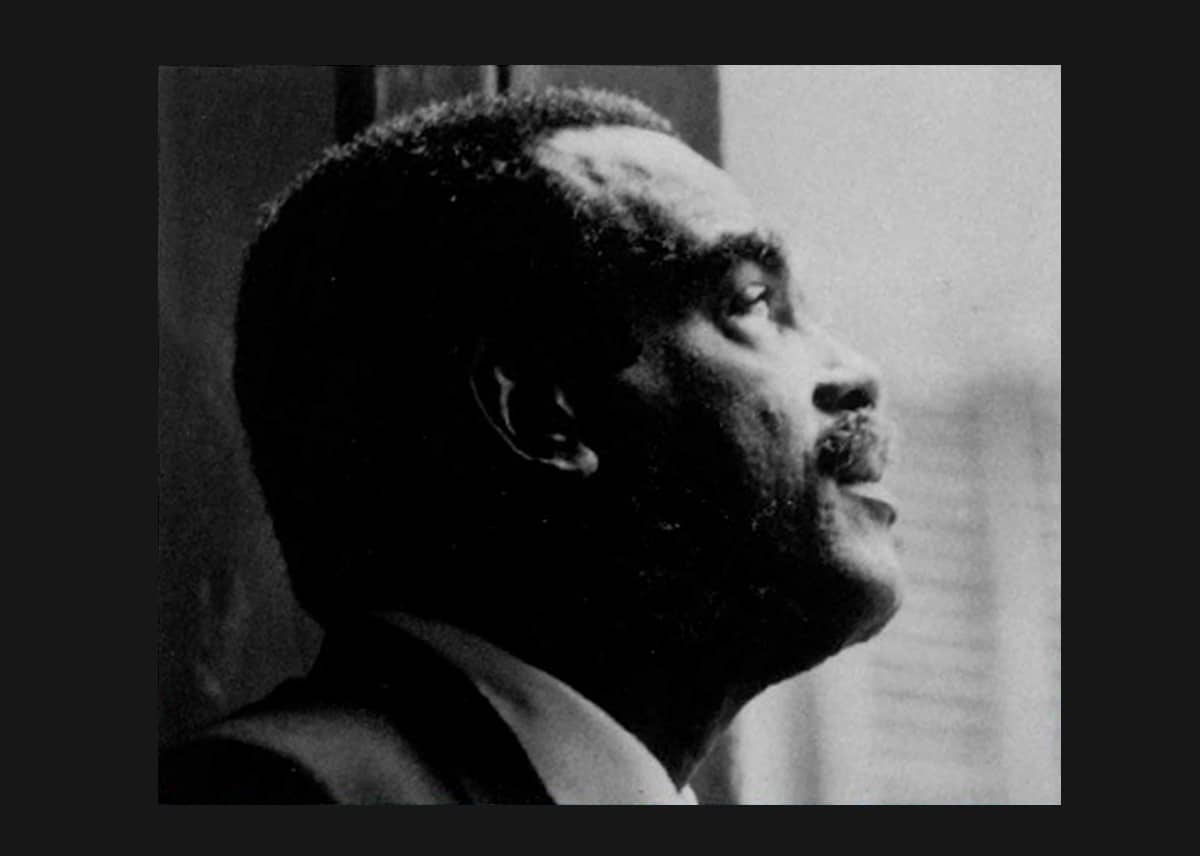
Édouard Glissant’s Poetics of Relation
The rewards of reading the deliberately complex texts of the Antillian philosopher Édouard Glissant

Preaching
'Preaching': A new poem by the T.S.Eliot Prize-winning poet Roger Robinson, from his forthcoming New and Selected Poems (Bloomsbury in 2026).
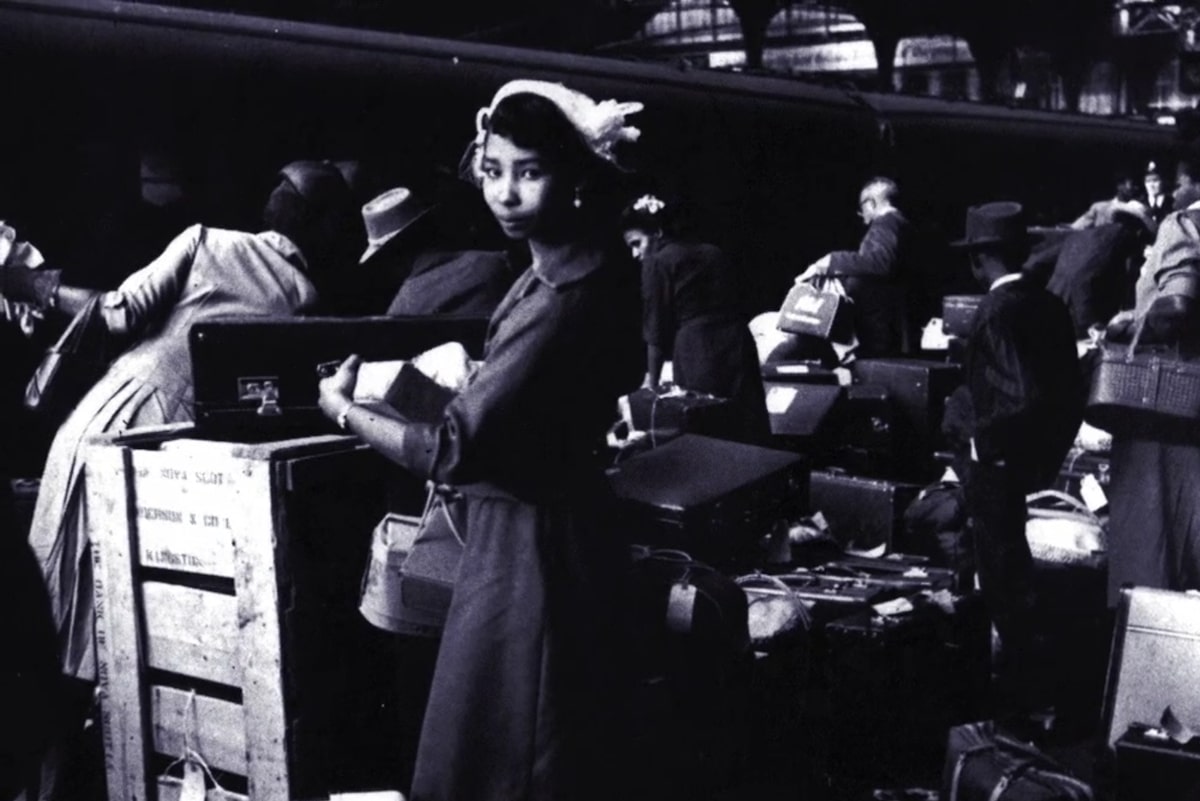
Walking in the Wake
Walking in the Wake was produced for the Estuary Festival (2021) in collaboration with Elsa James, Dubmorphology and Michael McMillan who meditates on the River Thames as we follow black pilgrims traversing sites of Empire.

Illuminating, in-depth conversations between writers.
SpotifyApple Podcasts
Amazon Music
YouTube
Other apps

The series that tells the true-life stories of migration to the UK.
SpotifyApple Podcasts
Amazon Music
YouTube
Other apps