
Małgorzata Mirga-Tas

Whitworth Art Gallery, Manchester
11 April – 7 September 2025
Review by Franklin Nelson
‘I often turn to 15th century works, [and those] from the 16th, 17th, 18th centuries. Not a single one of these works has ever been created or told by the Roma. It’s always an image recreated by a non-Roma person […] It’s fine if it’s positive and if it’s part of our history and culture, but of course there are works that are negative, full of stereotypes. These are reproduced for centuries, and so you have the impression that it is all a copy of a single work. And then there are works that have certain narratives that are very racist, that are stigmatising for centuries.’
Małgorzata Mirga-Tas’s assessment of representations of Roma life speaks to how the visual marginalisation of one of Europe’s largest ethnic minorities has often gone alongside, and served to reinforce, discrimination and political marginalisation. Born into a Bergitka Roma community in southern Poland in 1978, Mirga-Tas is a graduate of the Jan Matejko Academy of Fine Arts in Krakow, and in 2022 she was chosen to represent her country at the Venice Biennale. Since obtaining her degree, ‘thinking about how to become more visible, how not to be marginalised, how to counter stereotypes, how to counter anti-gypsyism has been key’, she said in an interview with the Tate galleries last year. In that vein, her first solo UK exhibition – which was previously on display at Tate St Ives – marks an important step towards making the richness and reality of Roma life more visible in Britain – a country where ‘Gypsy, Roma and Traveller people are the most disadvantaged ethnic groups’, according to a parliamentary inquiry from 2019.
The Whitworth’s display of 22 works by Mirga-Tas takes place across two rooms, one at the front and the other rear of the gallery. In the room at the front – which has a raised, well-lit section and a dark, sunken section – ‘Ćhajendri Duma’ (‘Women’s Thoughts’, 2024) and ‘Romani Kali Daj’ (‘Roma Madonna’, 2024) are not far-off floor-to-ceiling in size but warmly evoke scenes of intimacy between, respectively, two adult women and a mother and child. In the former, the women, who are based on figures in a photograph entitled ‘Two Gypsy Women of Spain’ that Mirga-Tas found in an online archive, do not meet our gaze. The life-size figures are dressed in an array of colourful and patterned fabrics that are sewn on to the canvas and appear to come out of the work and towards the viewer. The women sit and stand against a backdrop of rich purples and blues, while small pink and blue circles of fabric dot the skyline as if to suggest the onset of night time.
In ‘Romani Kali Daj’, meanwhile, the figures are looking just beyond us into the distance, the young girl cradled tightly in her mother’s arms with a faint look of discomfort, like she is slightly too old for such an embrace. Their sharply defined eyes, mouths, eyebrows, chins and noses – which Mirga-Tas has drawn in black paint – contrast with the uneven lines of fabric in orange and distinct shades of blue that form the backdrop, and with the mother’s long, flowing, floral skirt. Again the garment projects out from the work, and she grips it in the palm of her left hand in a way that collapses the distance between the two-dimensional canvas and its three-dimensional scene.
Featuring a similar riot of colour, the second room also places emphasis on the breadth of female experience. ‘The Three Graces’ (2021) casts a trio of middle-aged women as the daughters of the Ancient Greek god Zeus, their bright skirts and tops injecting some vibrancy into brown wooden porch where they are gathered. Like ‘Romani Kali Daj’, which frames a downtrodden woman as the mother of God, here too religion is subverted: one of the ‘Graces’ is a transgender woman holding a child in her arms. Inspired by a photograph taken by her uncle, Andrzej Mirja, in a local village in the 1980s, this piece draws attention to the power of acceptance.
Elsewhere, Mirga-Tas dramatises scenes of private life and communal life, with ‘Kovaci’ (‘Blacksmiths’, 2024) reclaiming the origins of the derogatory term ‘Tinker’ as birds fly, horses trot, men walk and rabbits and dogs jump about. The colours of the fabric, greens and blues, correspond to the earth and sky – but at the same time their brightness lends the scene an almost surreal quality.
Yet it is what one sees in between these two rooms of the exhibition that leaves the most powerful impression. The sunken, darkened section of the first room presents six works from Mirgas-Tas’s ‘Siukar Manusia’, or ‘Wonderful People’, series. Named for their subjects – ‘Krystyna Gil’ (2022), or ‘Augustyn Gabor with his daughter Elzbieta’ (2022), for example – they depict Romani inhabitants of Nowa Huta in Krakow; most survived the Holocaust, in which hundreds of thousands of Romani people were killed. The men, women and children here are drawn simply but with dignity. In ‘Anna and Jan Gil’, Anna Gil, who hid from the Nazis,’ (2022) rests a bouquet of flowers in her lap, while her husband, dressed in a smart purple velvet jacket, gazes pensively into the distance. Making use of dark navy backgrounds to spotlight their subjects, these works have the quality of photography but the depth of documentary. These are canvases of history as well as memory. At the centre of this show, their stories are marginalised no more.
Małgorzata Mirga-Tas at the Whitworth gallery

Franklin Nelson
Franklin Nelson works for the Financial Times, commissioning and writing on UK politics, the economy and society as well as books and the arts.
Ever Since We Small
Celeste Mohammed's novel explores both the far-reaching impacts of colonialism and the small realities of life that binds its characters

Red Pockets
Alice Mah's memoir confronts the climate crisis while dragging the reader back from the brink of despair
The Legends of Them
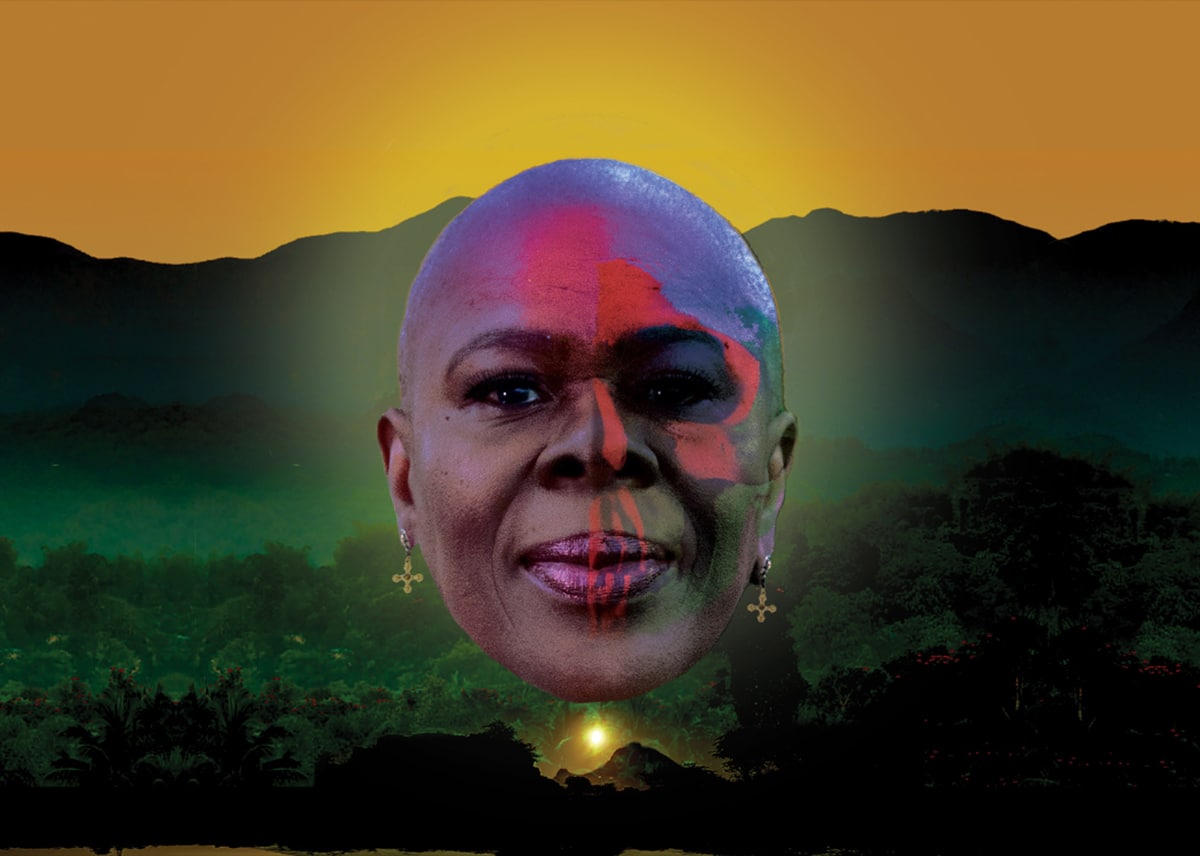
A dream-like production set inside the subconscious mind of a high-flying, female reggae artist

Jimmy Cliff’s influence on the soul of reggae
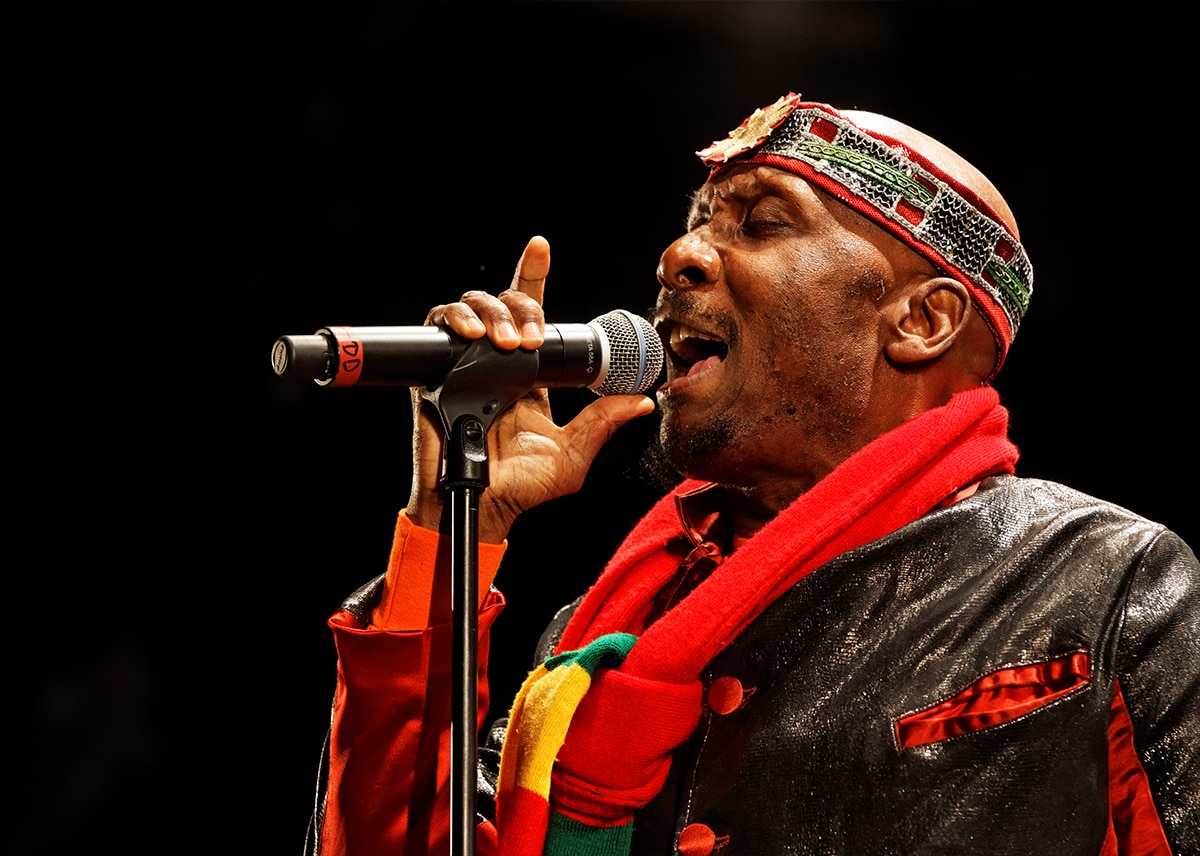
Jimmy Cliff’s death last month prompted an outpouring of affection. In an augmented extract from I&I: The Natural Mystics, a social history of Jamaica, our Director reflects on Cliff’s emergence as a reggae pioneer.
Writing saved my life
'I just started writing down the words that I was feeling at that moment…To my surprise it felt really good. It was another form of release!'

Édouard Glissant’s Poetics of Relation
The rewards of reading the deliberately complex texts of the Antillian philosopher Édouard Glissant

Preaching
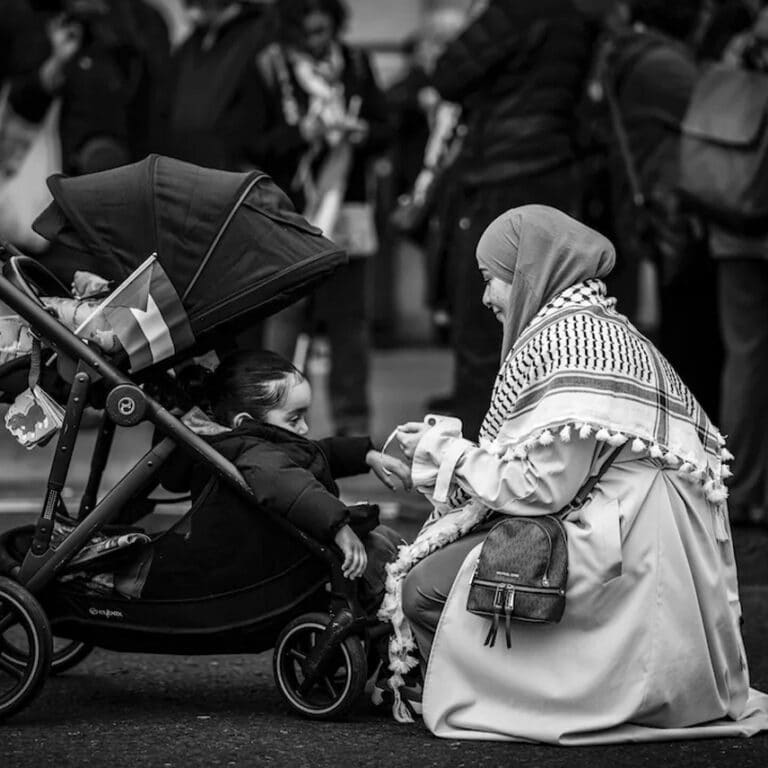
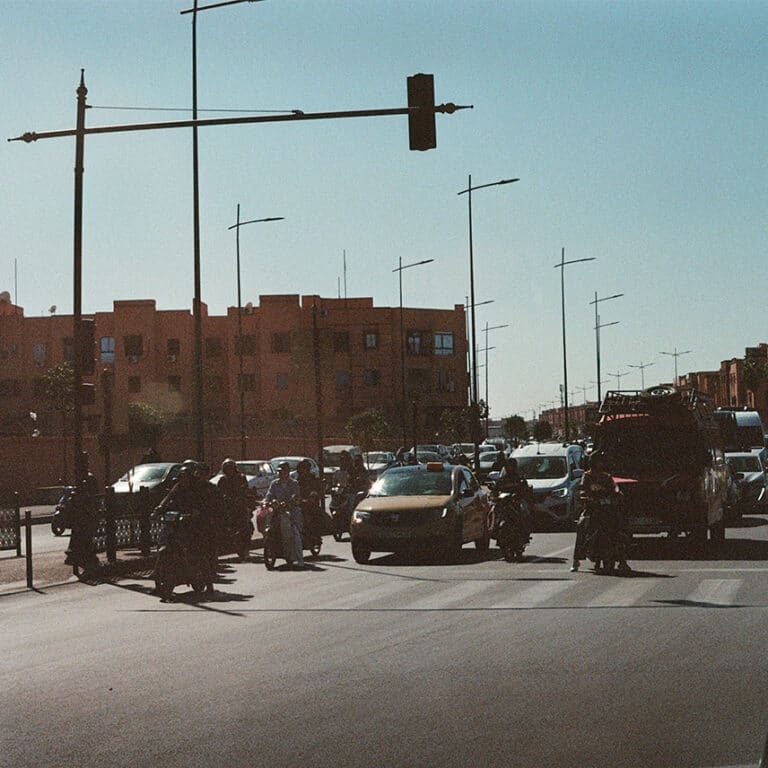
'Preaching': A new poem by the T.S.Eliot Prize-winning poet Roger Robinson, from his forthcoming New and Selected Poems (Bloomsbury in 2026).
Walking in the Wake
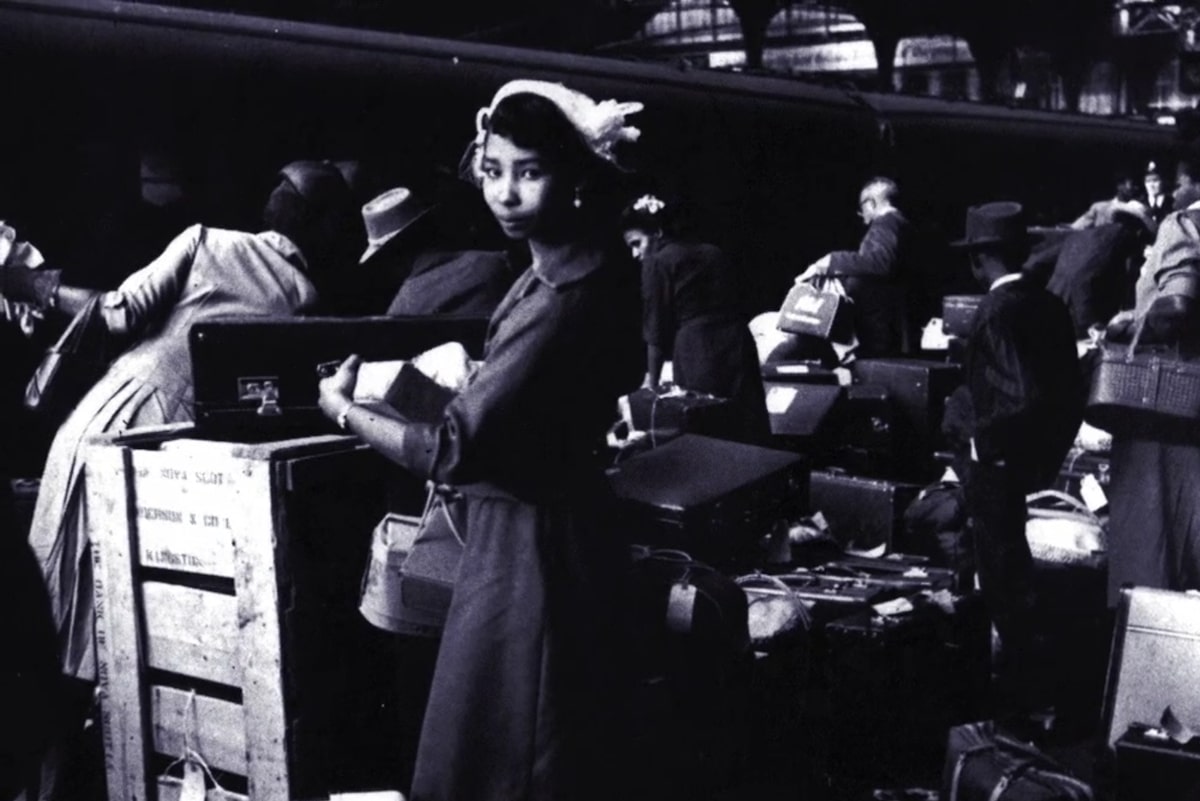
Walking in the Wake was produced for the Estuary Festival (2021) in collaboration with Elsa James, Dubmorphology and Michael McMillan who meditates on the River Thames as we follow black pilgrims traversing sites of Empire.

Illuminating, in-depth conversations between writers.
SpotifyApple Podcasts
Amazon Music
YouTube
Other apps

The series that tells the true-life stories of migration to the UK.
SpotifyApple Podcasts
Amazon Music
YouTube
Other apps