
Sister Midnight

Written and directed by Karan Kandhari (2024)
Review by Vayu Naidu
The rollercoaster ratings given to this film indicate its effectiveness to provoke. Sister Midnight is a film that takes the potential of fable to question our daily complacency. Here lies the plot: Arranged Marriage.
Writer/director Karan Kandhari is British, Kuwaiti-born, of Indian origin. That’s a rich source of cinematic vitamins. Sister Midnight focuses on Uma (Radhika Apte), a village woman with no agency, who is arranged to marry Gopal (Ashok Pathak). The Mumbai dream turns into a stark reality of slum living. Gopal works, and drinks. Uma is isolated amidst the corrugated sheets of frustration in an unconsummated marriage. Until … and that is the midnight switch when she comes into real contact with otherness and herself.
Kandhari’s unique signature of filmmaking radically shifts away from Bollywood. Apte, playing Uma, has with Kandhari’s direction, broken with the populist, strictly gender-defined trope of Bollywood’s acting style. It touches on the bizarre and open humour from regional language cinema but moves away from what has gone before about crude assumptions of ‘taming the shrew’ in an arranged marriage.
Kandhari takes midnight as his locative metaphor when wilderness and wildness take on a persona. And that’s what Uma seizes, in taking on the not-normalness that everyone else defines her by. As someone says to Uma, ‘why can’t you be like everybody else?’ Not a victim, she finds her Shakti, female force, and can communicate with animals, birds, blood. The film brings in elements of fantasy and horror delivered through animation as well. Kandhari’s selection of music reflects his background in music videos. The film’s score is by Interpol frontman Paul Banks, including Buddy Holly, Blind Willie Johnson and Cambodian soundtrack ballads. It defines Mumbai’s cosmopolis, drawing global influences from east and west.
The film is lit where the inhuman and human, bestiality’s beauty, come into the frame. It is where folklore and even Jataka tales took the mission of stretching an idea to the extreme, artistically using fantasy and horror, to provoke, or prepare, the complacent and gullible into facing life’s stark and sinister moments.
An old fable, Bopoluchi, is often told as a Punjabi rap by older women, sung at the bridal shower when henna is applied as a fertility rite. The rappers have gained status as veterans of the marriage lottery, some widowed young and some matriarchs.
There’s a message for every bride with the song of Bopuluchi – about an orphan, the envy of other village girls for her fine match. On the way to the wedding, she realises she has been tricked. After a series of supernatural adventures, she ends up a rich woman. The song’s message is ‘live by your guts and wits no matter what comes’. Uma carries the DNA of that folk tradition.
The film reveals women as the ultimate migrants, moving from their parents’ homes to their own home, finding they belong in neither and imagining one. Kandhari is weaving, ripping, and fusing a human story with global migration fables integrating natural elements to evoke the wildness that is a part of every day. The simplest gesture of cooking is an act of terror and survival.
Midnight is a two-sided coin. In the fairy tale, struggles are rewarded with a wedding; Indian tales open with the arranged marriage as female discovery. Kandhari’s new wave of city and village, animation, as the globe where all the casteless and castaways, hejiras, goats, song birds and battered chickens move to rhythms of neglect and indifference by day, show the world how they rule the night.

Vayu Naidu
Vayu Naidu’s storytelling spans diaspora, urban, epic, folk and tribal stories inspired by multiple literary and performance traditions.

Ever Since We Small
Celeste Mohammed's novel explores both the far-reaching impacts of colonialism and the small realities of life that binds its characters

Red Pockets
Alice Mah's memoir confronts the climate crisis while dragging the reader back from the brink of despair
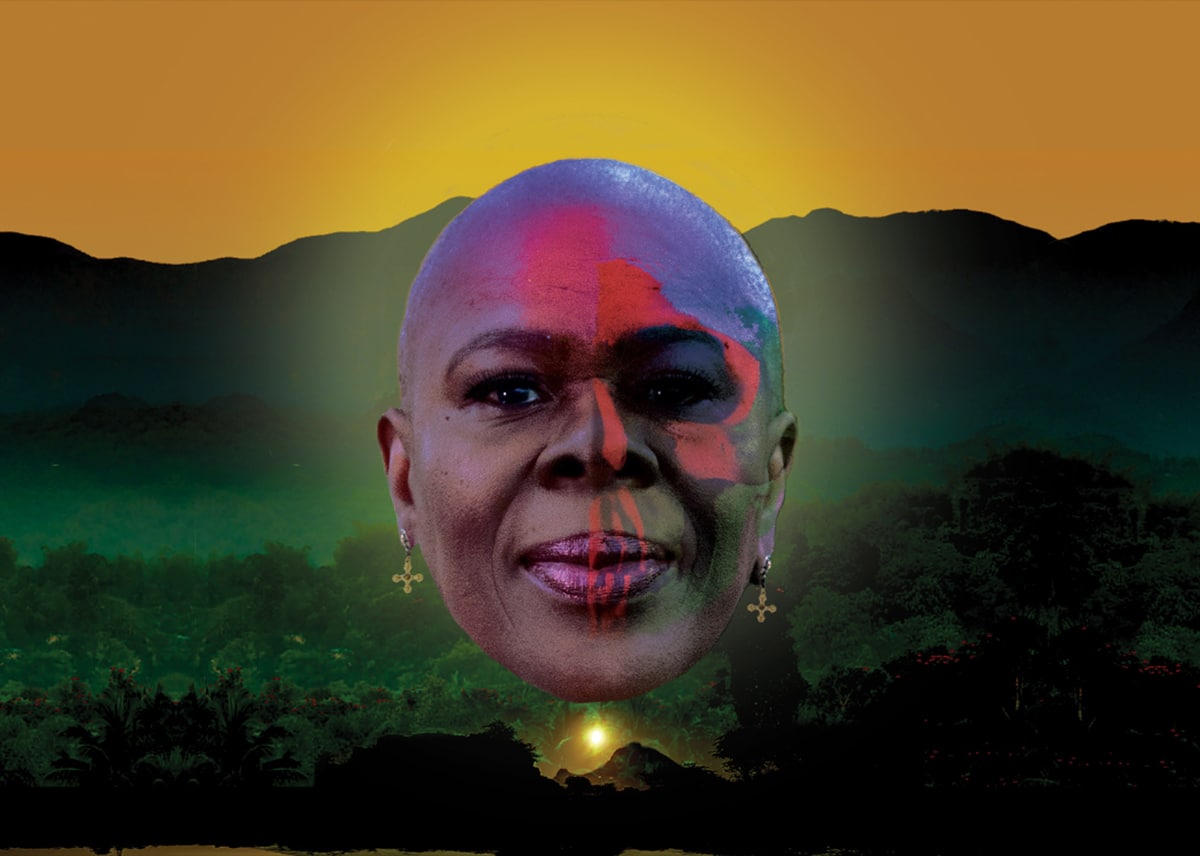
The Legends of Them
A dream-like production set inside the subconscious mind of a high-flying, female reggae artist


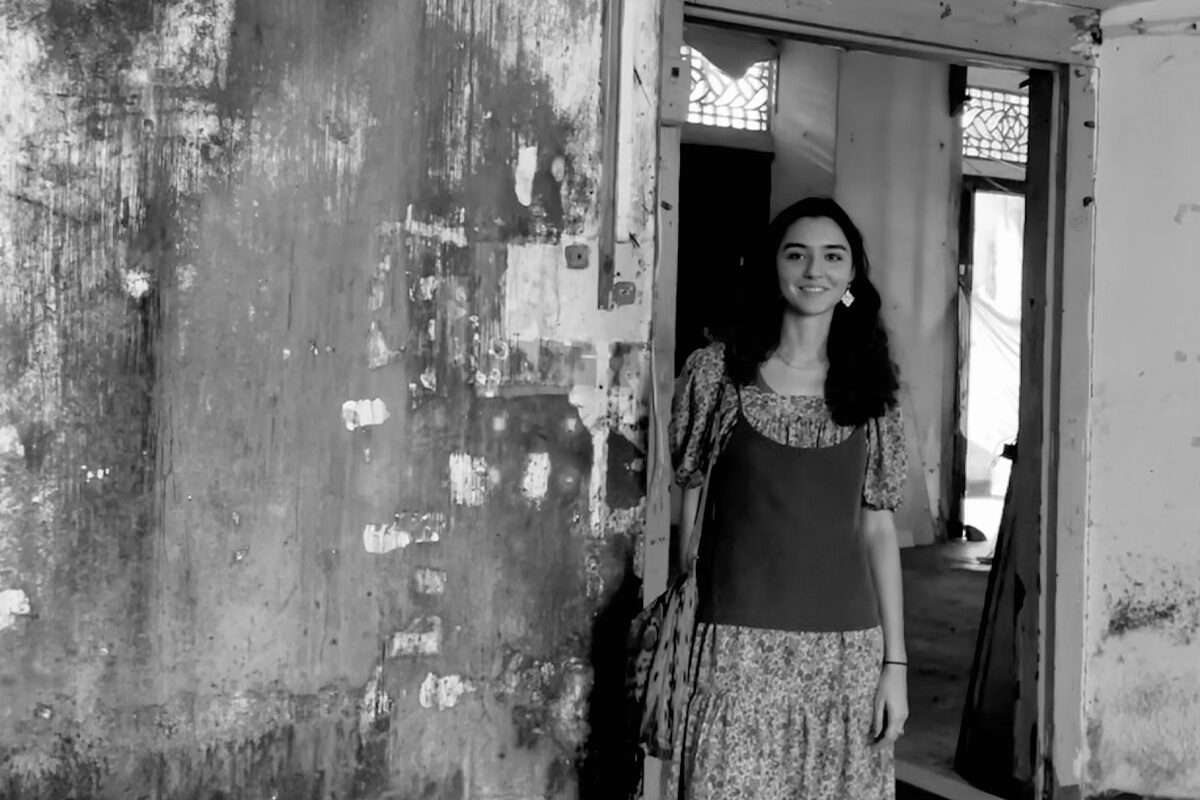


Jimmy Cliff’s influence on the soul of reggae
Jimmy Cliff’s death last month prompted an outpouring of affection. In an augmented extract from I&I: The Natural Mystics, a social history of Jamaica, our Director reflects on Cliff’s emergence as a reggae pioneer.

Writing saved my life
'I just started writing down the words that I was feeling at that moment…To my surprise it felt really good. It was another form of release!'
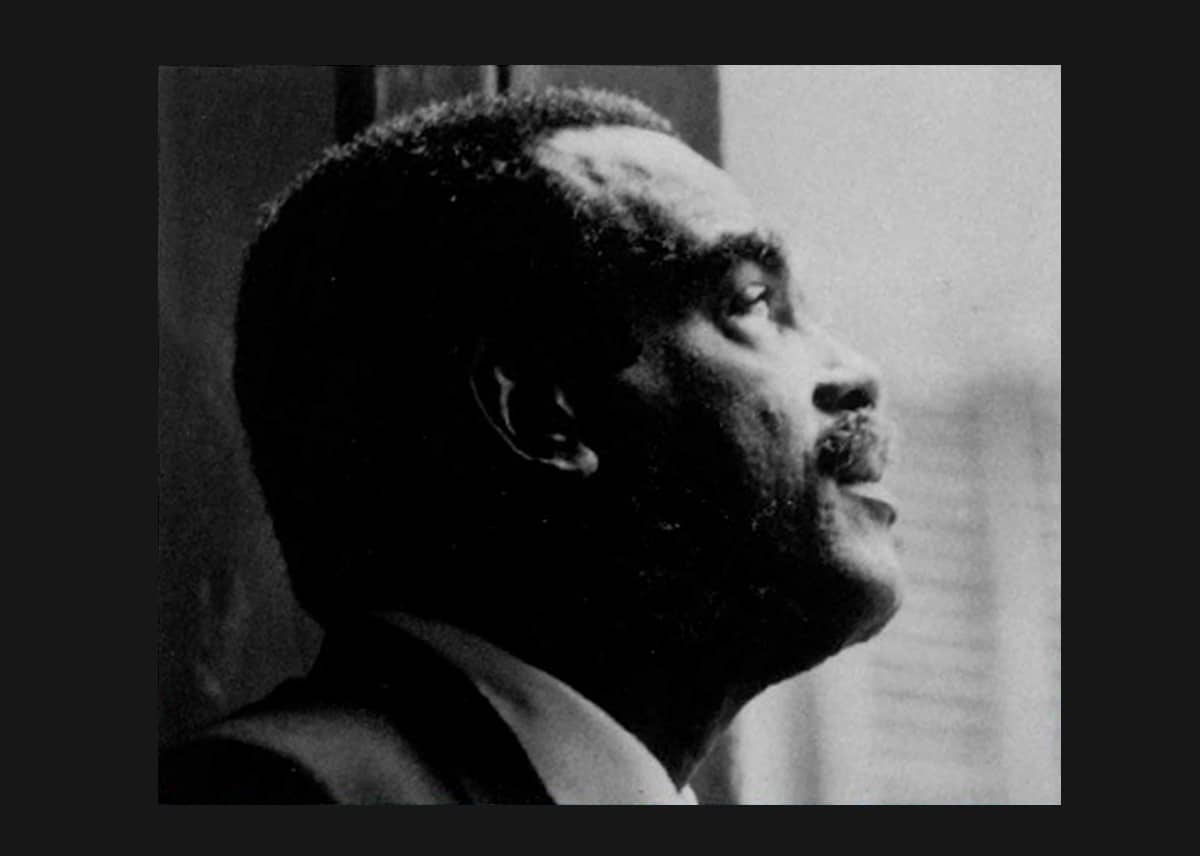
Édouard Glissant’s Poetics of Relation
The rewards of reading the deliberately complex texts of the Antillian philosopher Édouard Glissant
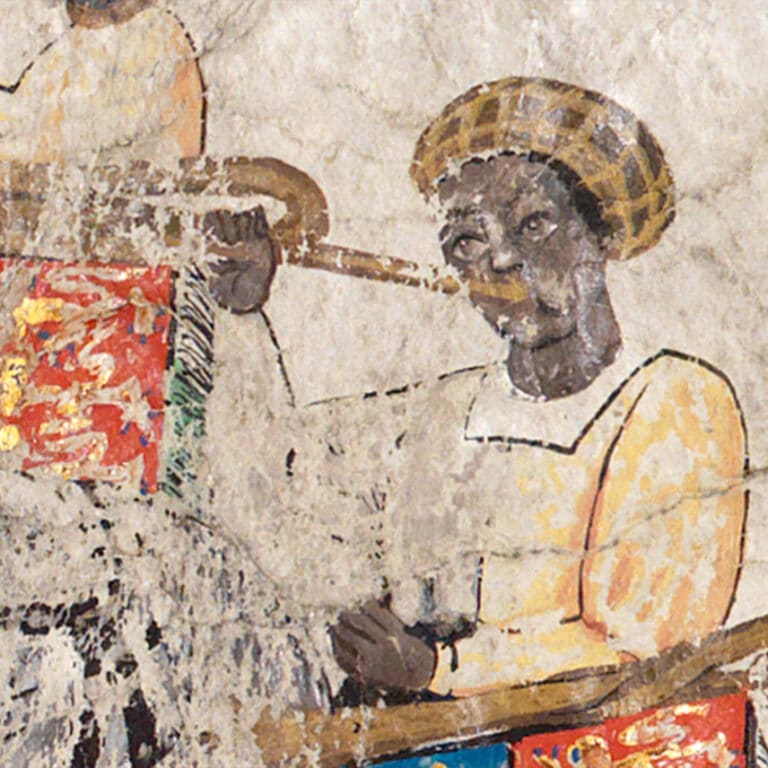



Preaching
'Preaching': A new poem by the T.S.Eliot Prize-winning poet Roger Robinson, from his forthcoming New and Selected Poems (Bloomsbury in 2026).

Walking in the Wake
Walking in the Wake was produced for the Estuary Festival (2021) in collaboration with Elsa James, Dubmorphology and Michael McMillan who meditates on the River Thames as we follow black pilgrims traversing sites of Empire.

Illuminating, in-depth conversations between writers.
SpotifyApple Podcasts
Amazon Music
YouTube
Other apps

The series that tells the true-life stories of migration to the UK.
SpotifyApple Podcasts
Amazon Music
YouTube
Other apps