
Speaking in Tongues

JM Coetzee and Mariana Dimópulos
Penguin Books, May 2025
Review by Daniel Rey
JM Coetzee – the South African Nobel laureate and double-winner of the Booker – wants to challenge perceptions of translation, and expose the literary hegemony of English.
He presents his case in Speaking in Tongues – a Socratic dialogue with the novelist and translator, Mariana Dimópulos. In four thoughtful chapters, they discuss political and ethical issues of translation – including the power of the British and American literary establishments, and what should constitute the ‘original’ text.
Coetzee writes in English, but some of his books have had their first publication in other languages. In order to limit the editorial influence of the ‘gatekeepers of the North’, he decided to have his novella The Pole (2023) published first in Dimópulos’s Spanish translation, and in her native Argentina. Coetzee’s intention was that Dimópulos’s version of The Pole would be treated as the original, and that subsequent translations of the novella would be based on the Spanish edition. His publishers around the world refused.
In her dialogue with Coetzee, Dimópulos puts the publishers’ decision in a broader context – as part of a collective fascination with the artistic ‘original’. ‘This is a phenomenon that does not only concern translation’, she writes. ‘Take a canvas by an oil painting master, for example; it is immensely more valuable than a copy, even if the normal human eye would never tell the difference.’
Coetzee’s response is to question whether ‘originality’ should matter. In fact, he has argued publicly that the Spanish translation of The Pole is closer to his authorial intentions. What’s unclear, however, is whether Coetzee believes this in a purely literary sense (if such a thing exists) or because his support for the translation helps undermine English’s dominance.
Speaking in Tongues also explores English-language authors’ advantage in the global marketplace. In both the US and the UK – the major centres of English-language publishing – translated books account for only three percent of the market. Dimópulos reminds us that there is a trade imbalance: compared to their peers, British and American readers are much less interested in translation. For example, in Germany, ‘the volume of books translated into German is approximately five times greater than that of books translated into English in the United States’.
Coetzee and Dimópulos emphasise that British and US publishers prioritise foreign novels with styles familiar to anglophone readers. Here, their dialogue draws on the work of translation theorist Lawrence Venuti, who argues that the major publishers prefer ‘smooth’ translations that ‘domesticate’ the text. The effect is that works published in English tend to reflect mainstream anglocentric tastes – a policy that excludes idiosyncratic narrative voices, and homogenises the foreign literature sold in Britain and the US.
Speaking in Tongues begins with the assertion that it is not ‘written by or for specialists’. The first half of the claim is false modesty: Coetzee and Dimópulos are not cloistered theorists, but active practitioners, and their insight is better for it. Their book generally abides by the second half of its mantra, although Dimópulos’s sections are more dense and technical (in her academic work, she translates Heidegger).
At just over a hundred pages, Speaking in Tongues is a generous starter rather than a main course. A longer book could have discussed more of the interesting questions raised by translation, and by fiction’s use of foreign languages. For example, does italicising dialogue spoken in another language risk exoticisation or otherisation? And how should translators approach dialect, particularly when it relates to race or class?
Coetzee and Dimópulos are at the vanguard of a movement. Thanks to authors like them, the publishing industry has begun to acknowledge the need to give greater prominence to translators. Coetzee and Dimópulos argue the next step is to challenge the assumption that a translated text is necessarily ‘inferior’ to the original.


Ever Since We Small
Celeste Mohammed's novel explores both the far-reaching impacts of colonialism and the small realities of life that binds its characters

Red Pockets
Alice Mah's memoir confronts the climate crisis while dragging the reader back from the brink of despair
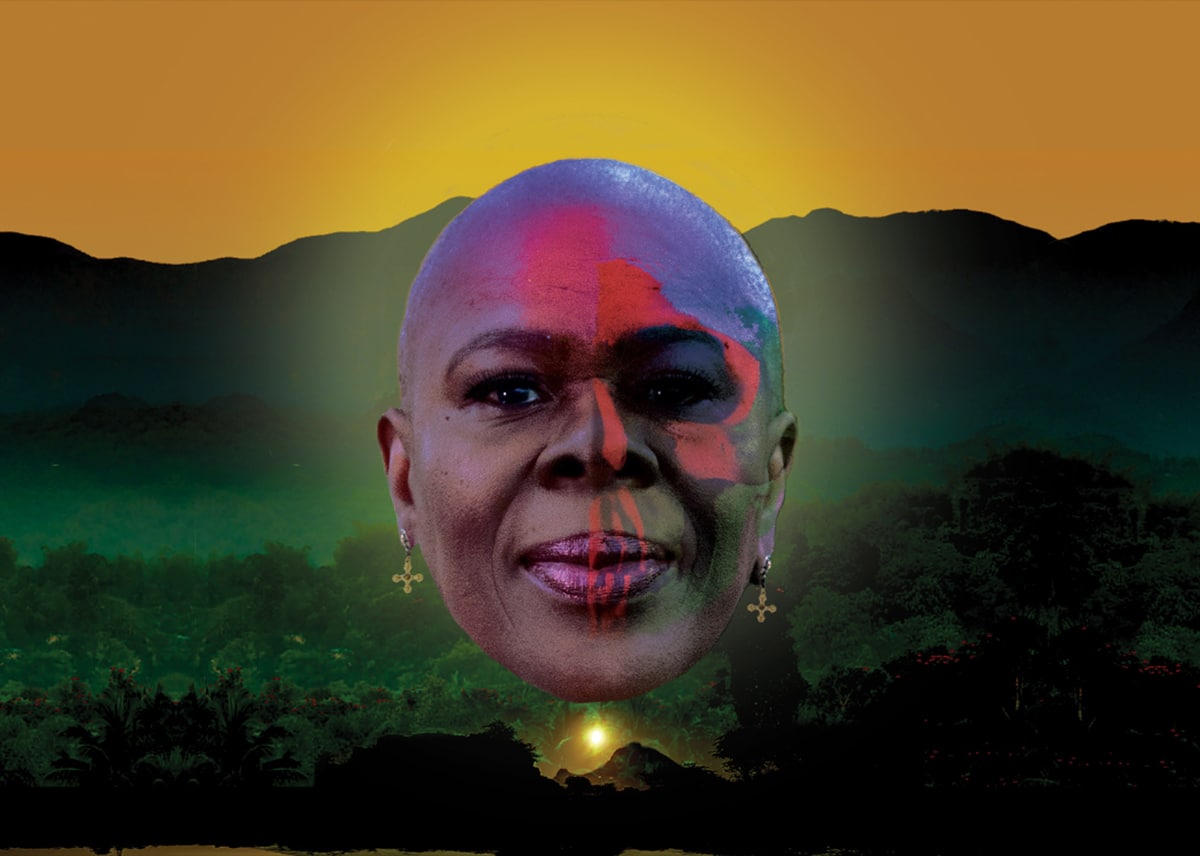
The Legends of Them
A dream-like production set inside the subconscious mind of a high-flying, female reggae artist


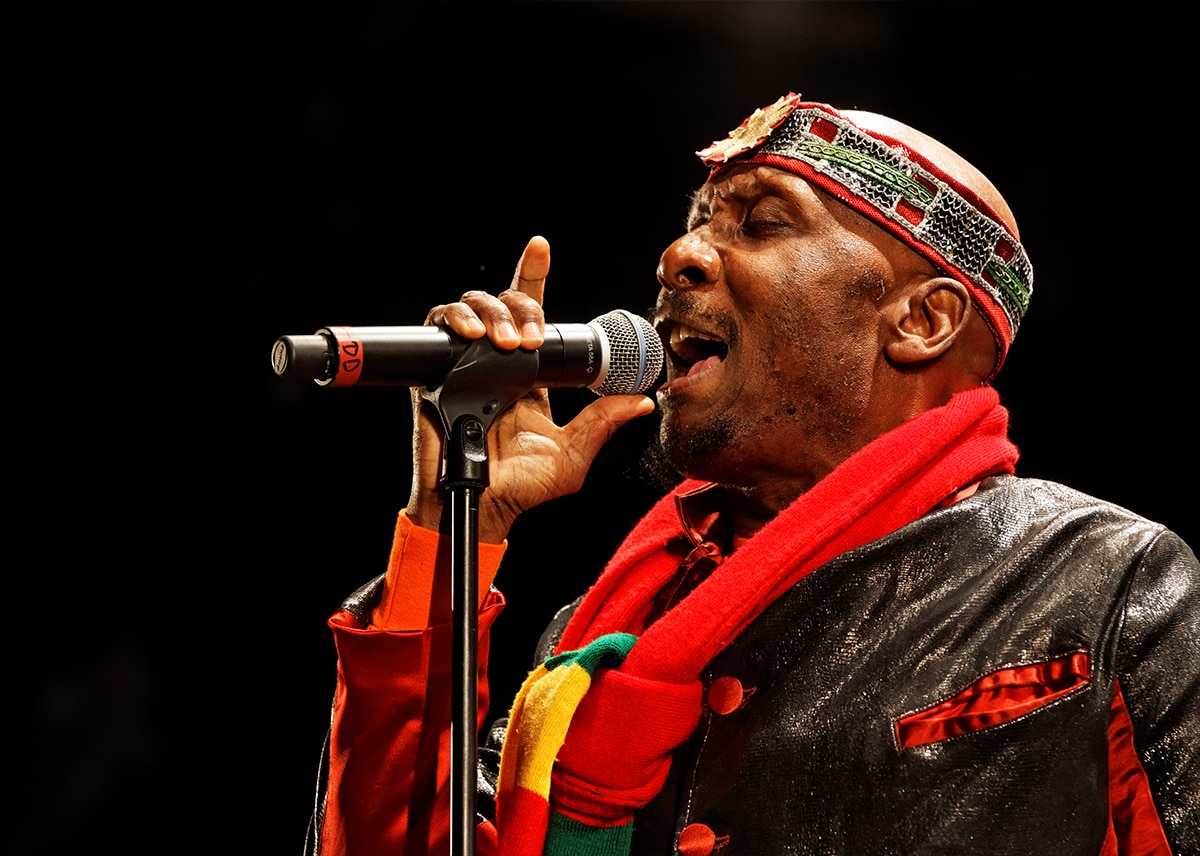
Jimmy Cliff’s influence on the soul of reggae
Jimmy Cliff’s death last month prompted an outpouring of affection. In an augmented extract from I&I: The Natural Mystics, a social history of Jamaica, our Director reflects on Cliff’s emergence as a reggae pioneer.

Writing saved my life
'I just started writing down the words that I was feeling at that moment…To my surprise it felt really good. It was another form of release!'
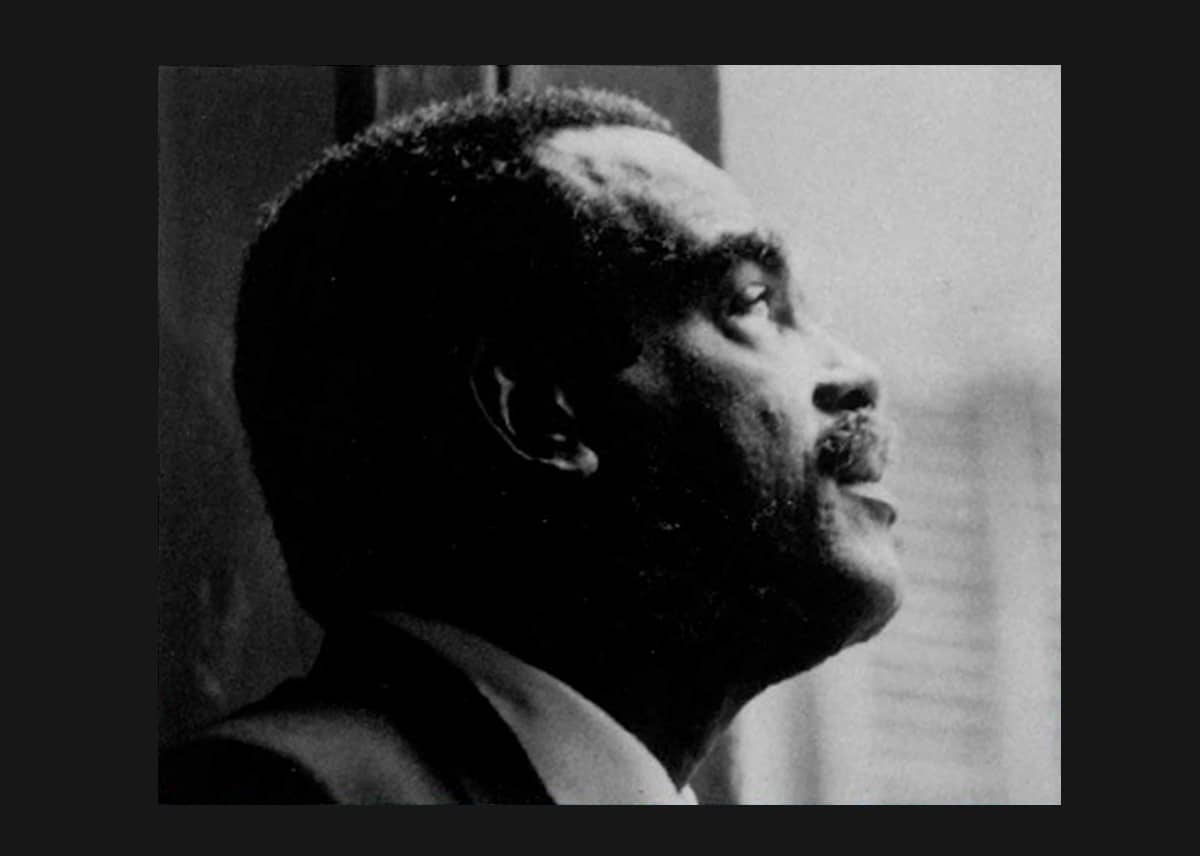
Édouard Glissant’s Poetics of Relation
The rewards of reading the deliberately complex texts of the Antillian philosopher Édouard Glissant
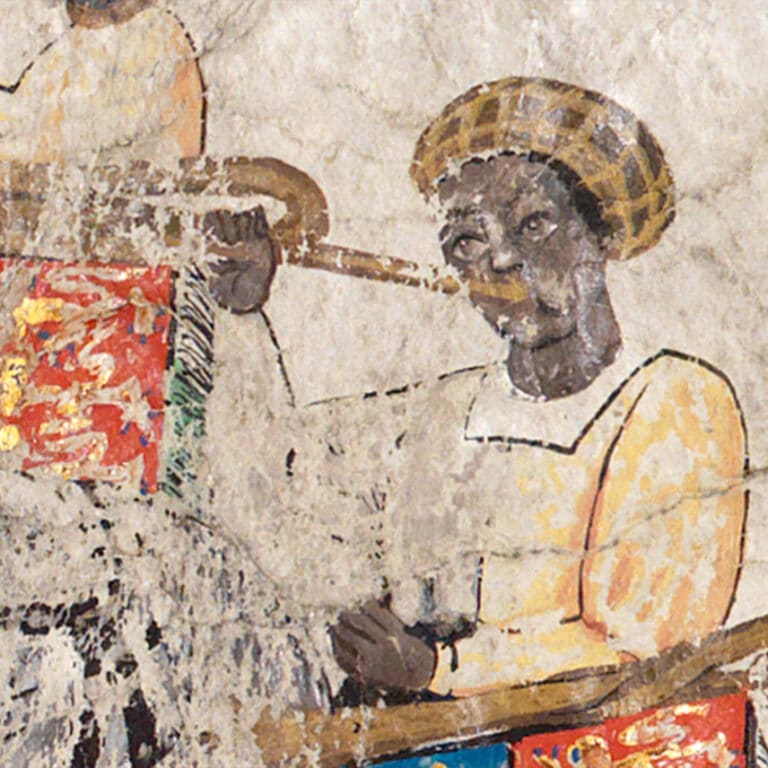



Preaching
'Preaching': A new poem by the T.S.Eliot Prize-winning poet Roger Robinson, from his forthcoming New and Selected Poems (Bloomsbury in 2026).
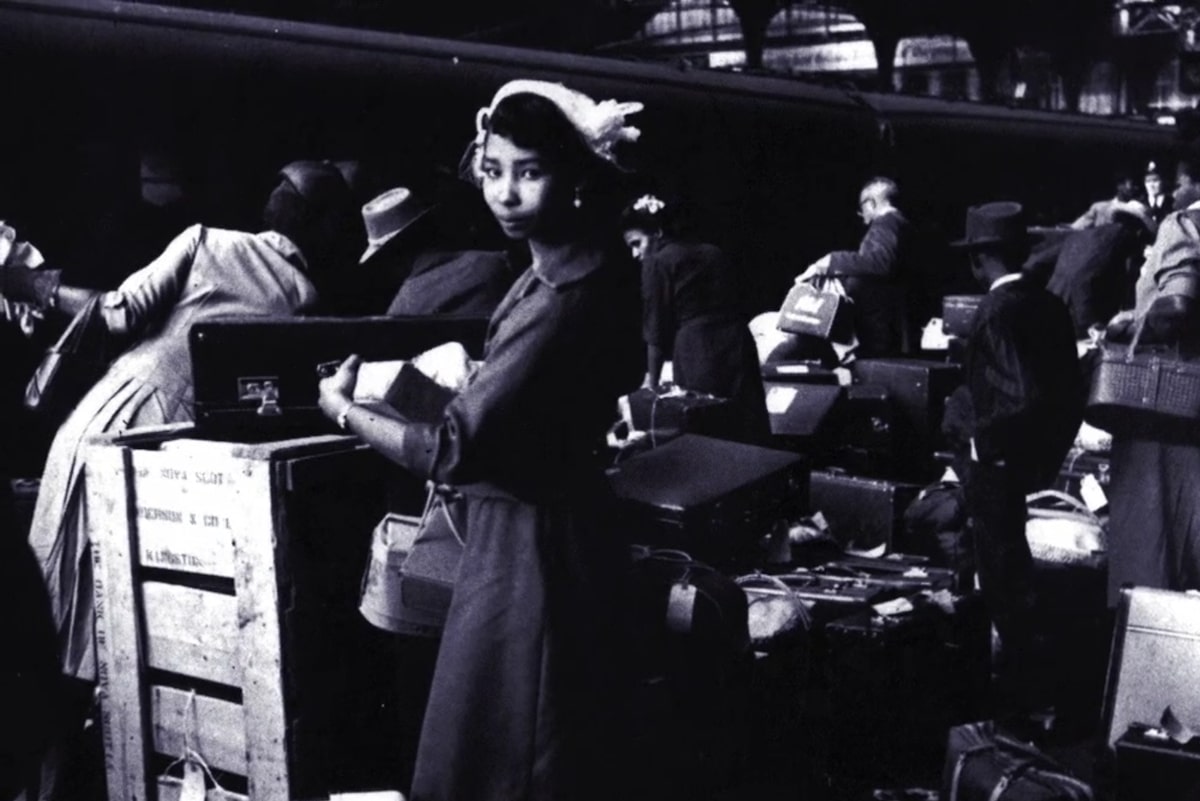
Walking in the Wake
Walking in the Wake was produced for the Estuary Festival (2021) in collaboration with Elsa James, Dubmorphology and Michael McMillan who meditates on the River Thames as we follow black pilgrims traversing sites of Empire.

Illuminating, in-depth conversations between writers.
SpotifyApple Podcasts
Amazon Music
YouTube
Other apps

The series that tells the true-life stories of migration to the UK.
SpotifyApple Podcasts
Amazon Music
YouTube
Other apps