
Theft

Abdulrazak Gurnah
Bloomsbury, 2025
Review by Franklin Nelson
What does a writer do after winning the Nobel prize in literature, aside from banking a cool 11 million Swedish kronor (just over 1 million pounds sterling), preparing for a flurry of media requests, and looking forward to meeting new readers? ‘Oh Christ!’ was the memorable reaction of Doris Lessing when journalists shared news of her victory with the then 88-year-old in London in 2007. After being decorated, some laureates have gone on to publish what is considered their best work. Others have never written again.
Theft is Abdulrazak Gurnah’s first novel since he was recognised by the Swedish Academy in 2021 ‘for his uncompromising and compassionate penetration of the effects of colonialism and the fate of the refugee in the gulf between cultures and continents.’ As with Lessing, the award took the 76-year-old Tanzanian-British writer by surprise. ‘I thought it was one of those cold calls. So I was just waiting to see – is this a real thing?’, he told The Guardian the day afterwards.
At 256 pages, Gurnah’s eleventh novel is a bit shorter than his previous few works. Yet it returns thoughtfully to familiar themes, unravelling a complex story that is set in the 1990s and homes in on the fate of a young Zanzibari trio caught between their dreams and their reality.
Badar, Fauzia and Karim form the tight web around which the novel revolves, and the reader gets to know them initially through well-executed portraits of their pasts. Raya, Karim’s mother, is ‘fed […] the lore of obedience to male lust’ by her relatives before being forced to marry the loathsome Bakari Abbas. After leaving him, she returns to her childhood home, where her father seeks to ‘recruit her into the labour force that served his needs.’
Karim grows up largely without a father and then is sent, aged 14, to live with his older step-brother, after Raya remarries and moves to Dar es Salaam. Mother and son reconnect after the latter enrols at university, but Karim never seems quite at home and has inherited his father’s selfishness.
Fauzia and Badar appear later; the former introduced as a talented if frail young woman, and the latter as a servant boy to ‘mistress’ Raya. Badar and Karim form a bond, which is multilayered, and which enables the subaltern figure to recover a sense of status after he is accused of stealing from his employers. A return to Zanzibar leads to work in a hotel for Badar, career advancement for Karim and motherhood for Fauzia. The three turn out to be incompatible as friends or more, largely because of Karim’s lack of care for what others think and feel.
There is an air of relaxed control about Theft: the prose is unhurried and unpretentious but, with the politics of gender and globalisation bubbling away, one senses that Gurnah knows very well where he wants to lead the reader. While he deftly describes how characters look – eyes are returned to over and again – the novel takes rather long to get going, with most of the memorable action concentrated in the final third. Moreover, some turns of phrase feel too formal and stiff to convey the action or emotion of a particular moment.
But overall this story feels wise and generous in the ways it pays attention to themes and individuals that are big and small. The epigraph to Theft – ‘In a general way it’s very difficult for one to become remarkable’ – is taken from Change by Joseph Conrad, and in some sense gets to the heart of the novel. Gurnah’s people live ordinary lives that are, in their own ways, extraordinary.
https://www.bloomsbury.com/uk/theft-9781526680150/

Franklin Nelson
Franklin Nelson works for the Financial Times, commissioning and writing on UK politics, the economy and society as well as books and the arts.

Ever Since We Small
Celeste Mohammed's novel explores both the far-reaching impacts of colonialism and the small realities of life that binds its characters

Red Pockets
Alice Mah's memoir confronts the climate crisis while dragging the reader back from the brink of despair
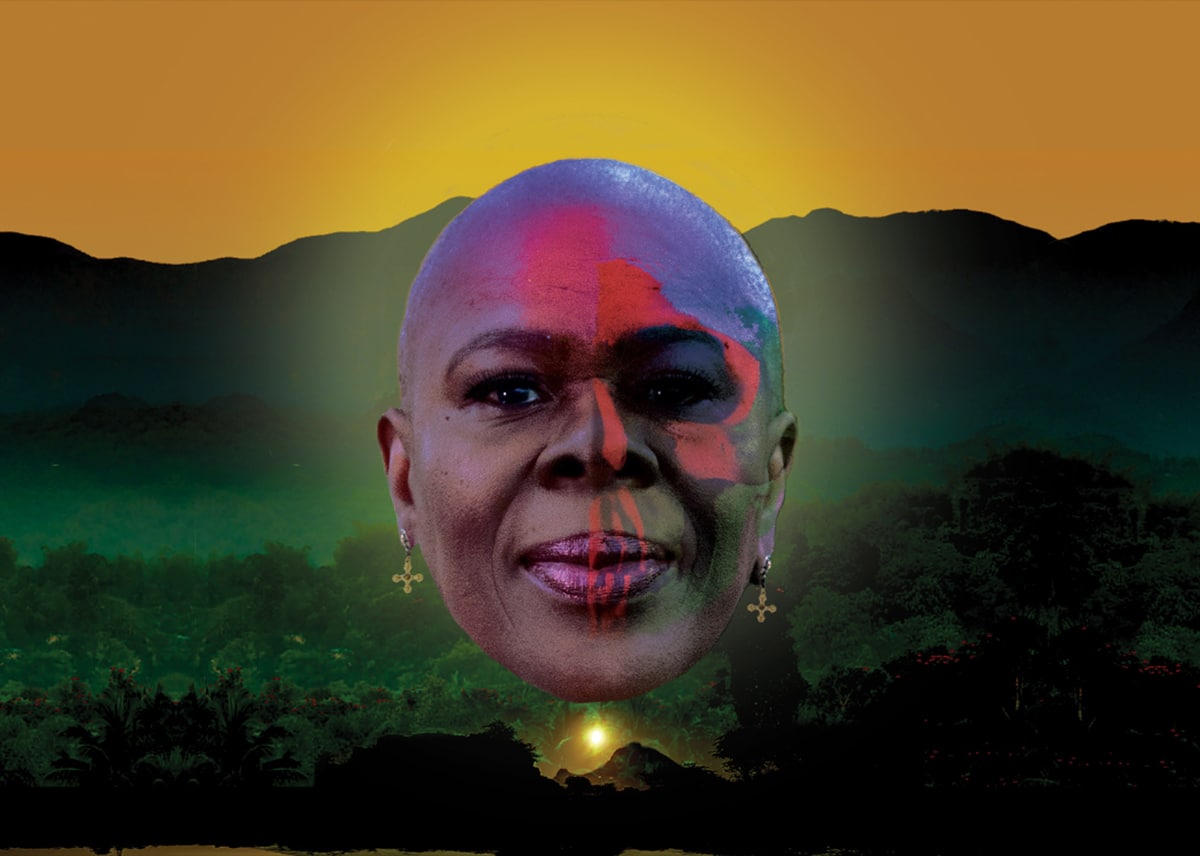
The Legends of Them
A dream-like production set inside the subconscious mind of a high-flying, female reggae artist



Jimmy Cliff’s influence on the soul of reggae
Jimmy Cliff’s death last month prompted an outpouring of affection. In an augmented extract from I&I: The Natural Mystics, a social history of Jamaica, our Director reflects on Cliff’s emergence as a reggae pioneer.

Writing saved my life
'I just started writing down the words that I was feeling at that moment…To my surprise it felt really good. It was another form of release!'
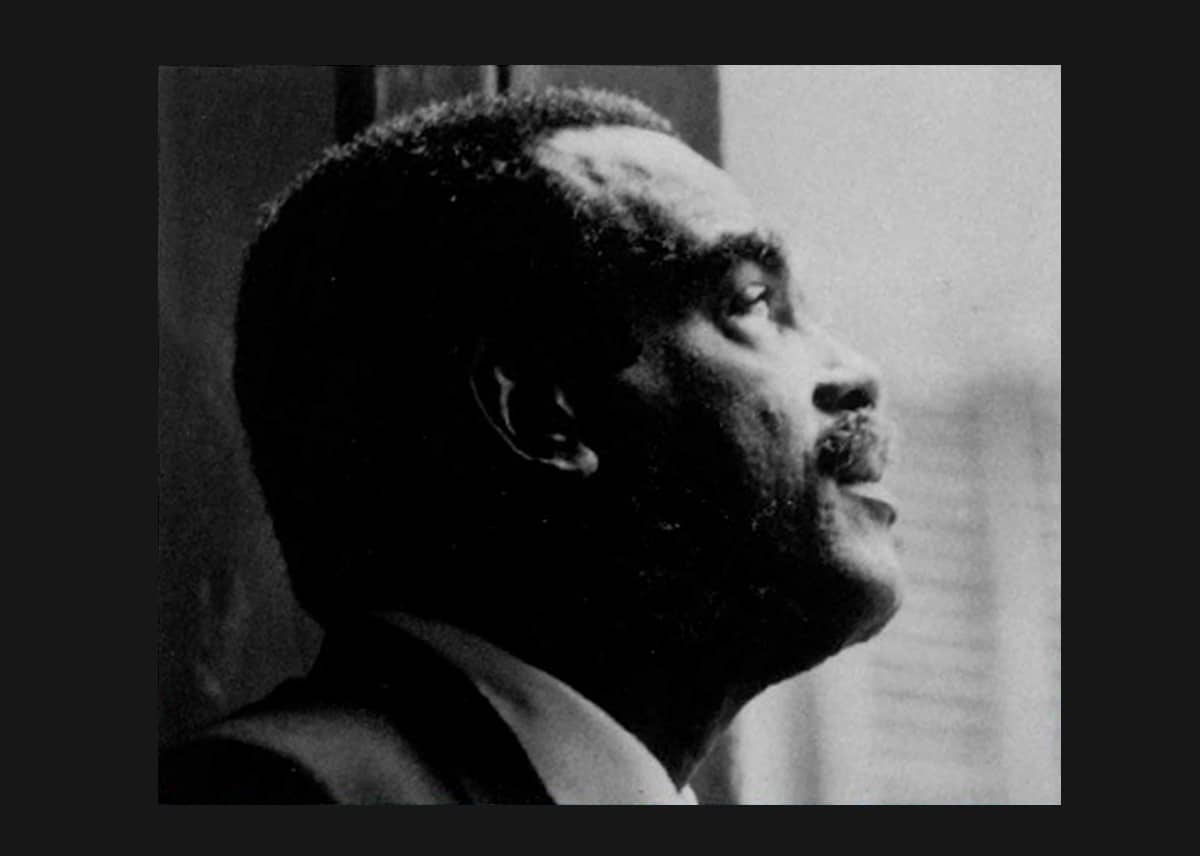
Édouard Glissant’s Poetics of Relation
The rewards of reading the deliberately complex texts of the Antillian philosopher Édouard Glissant



Preaching
'Preaching': A new poem by the T.S.Eliot Prize-winning poet Roger Robinson, from his forthcoming New and Selected Poems (Bloomsbury in 2026).

Walking in the Wake
Walking in the Wake was produced for the Estuary Festival (2021) in collaboration with Elsa James, Dubmorphology and Michael McMillan who meditates on the River Thames as we follow black pilgrims traversing sites of Empire.

Illuminating, in-depth conversations between writers.
SpotifyApple Podcasts
Amazon Music
YouTube
Other apps

The series that tells the true-life stories of migration to the UK.
SpotifyApple Podcasts
Amazon Music
YouTube
Other apps