Fabulous Islam
Balancing patience, knowledge and humility


Arguably, it is intellect and the pursuit of knowledge that help humans distinguish themselves from animals. In my profession, as an academic, we are constantly required to seek knowledge and push the boundaries of human knowledge. Islamic teachings encourage us to ‘seek knowledge’ even if we have to go ‘as far as China’ for it, while repeatedly reminding us through Quranic stories and guidance that humility leads to better understanding of the limitations of our comprehension.
The Quran (Chapter 18: 60-82) relates an instance when the Prophet Moses (peace be upon him) met Al-Khidr, described in the Quran as a Servant of God and known to be blessed with Divine Wisdom. Moses asks to accompany him on his journey, hoping to acquire a better understanding of Divine Guidance beyond his own knowledge. Doubtful that Moses has the patience to be able to comprehend the ways of God, Al-Khidr gives Moses an ultimatum. If he questions al-Khidr’s actions, they will part company and go their separate ways.
On the journey, three events occur. Al-Khidr scuttles a boat, kills a young boy and repairs a wall in a village without asking for anything in return. Each time, Moses is disturbed by Al-Khidr’s behaviour, forgets his promise and questions his guide’s actions. Finally, Al-Khidr holds to his condition and tells Moses their journey has come to an end.
Before they part, Al-Khidr explains the Divine Guidance behind the mysterious logic of his actions. The boat belonged to poor and needy people, who made their living ferrying people across the river. Al-Khidr knew that a tyrannical King was seizing every seaworthy boat in the area. By damaging the boat slightly, Al-Khidr stopped the king from confiscating their boat. As for the boy, his parents were gentle and good people, but Al-Khidr, through the Divine Wisdom bestowed upon him, knew the boy would grow to be wicked. After the boy’s death, the parents were to be blessed with a virtuous child. Finally, the wall that Al-Khidr repaired concealed a treasure buried by the father of two young orphans. Had it collapsed, the treasure would have been plundered before they were old enough to receive it.
Al-Khidr’s lesson taught Moses that divine plans often lie beyond human comprehension which is often limited to our knowledge of the obvious events in each of our lives and the world around us. Faith in Divine Guidance is vital, even if at first it appears to contradict human logic and only becomes accessible to mankind when granted by God. What might seem a misfortune is often an opportunity to be held in trust and borne with patience and faith; what may seem unjust in the first instance, often has profound reasoning which we may discover later in time.
The legacy of Islamic teaching informs a quality of subsequent fables – that we do not know the truth of the world and must accept our unknowing, even while questioning it and seeking answers. In providing us with an opportunity to consider wonder, the magical and the unknown, fables give us the chance also to reflect on ourselves and our own limitations, dramatising the qualities needed to balance unknowing but also knowledge with patience and humility.
© Salma Raheem

Salma Raheem
As an academic, Salma Raheem researches and publishes on multicultural individuals, inclusive leadership and diverse teams.
Fabulous Islam

Fabulous Islam – the journey of fable in the Muslim world
Shahrukh Husain


A fabulously transformative journey
Jasmine Shackle

Hamza the Ayyar
Adnan Madani

The fable of the naked faqir
Shueyb Gandapur

The Chenab River
Khaldoon Ahmed
WritersMosaic monthly
Get new episodes by email
One email monthly, unsubscribe anytime

Illuminating, in-depth conversations between writers.
Listen to all episodes
SpotifyApple Podcasts
Amazon Music
YouTube
Other apps

The series that tells the true-life stories of migration to the UK.
Listen to all episodes
SpotifyApple Podcasts
Amazon Music
YouTube
Other apps
WritersMosaic interrogates the notion of ‘staying in your lane’ by asking writers how they attempt to think beyond the parameters of their cultural identity.
Listen to all episodes
SpotifyApple Podcasts
YouTube




It’s being published I get paid for; the writing I would do for free
‘Any advance [...] for your novel is to compensate you for the horrors of being published'
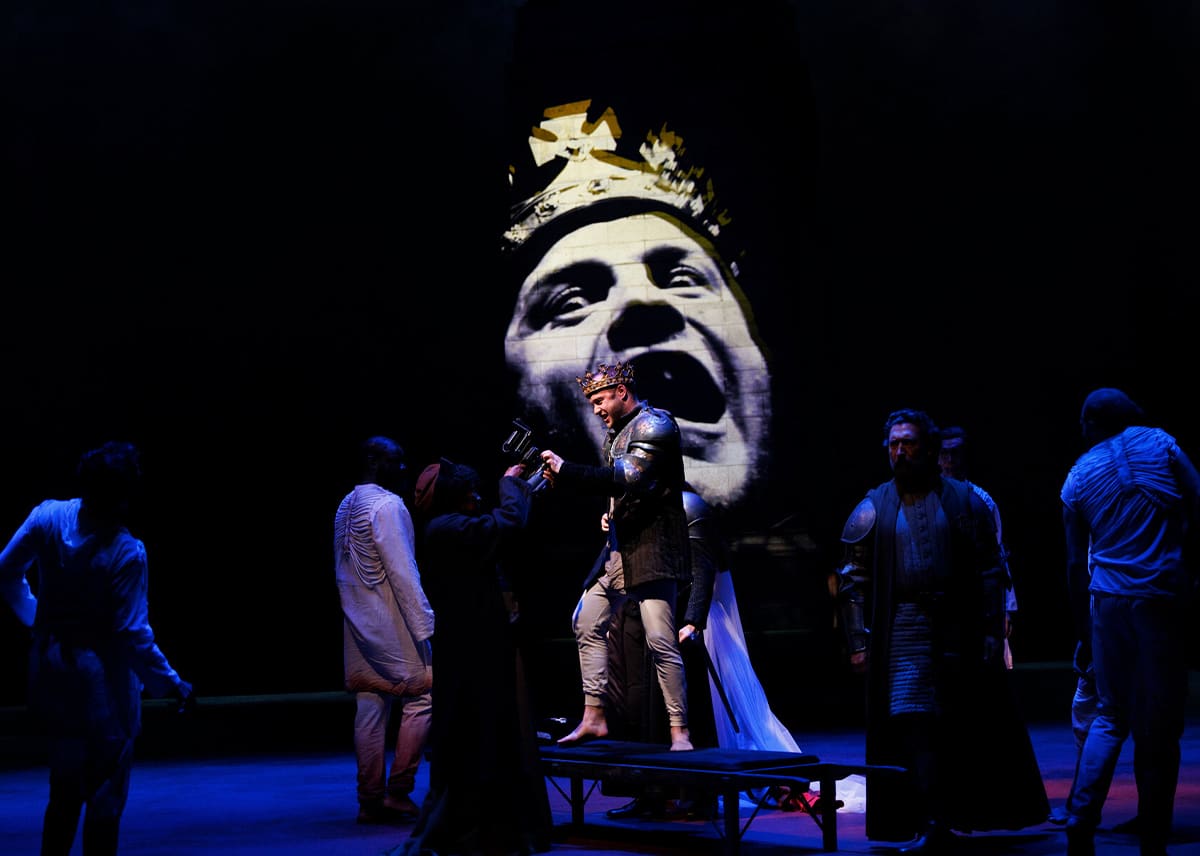
Complex antihero: an interview with Arthur Hughes
Unravelling Authur Hughes' Richard III
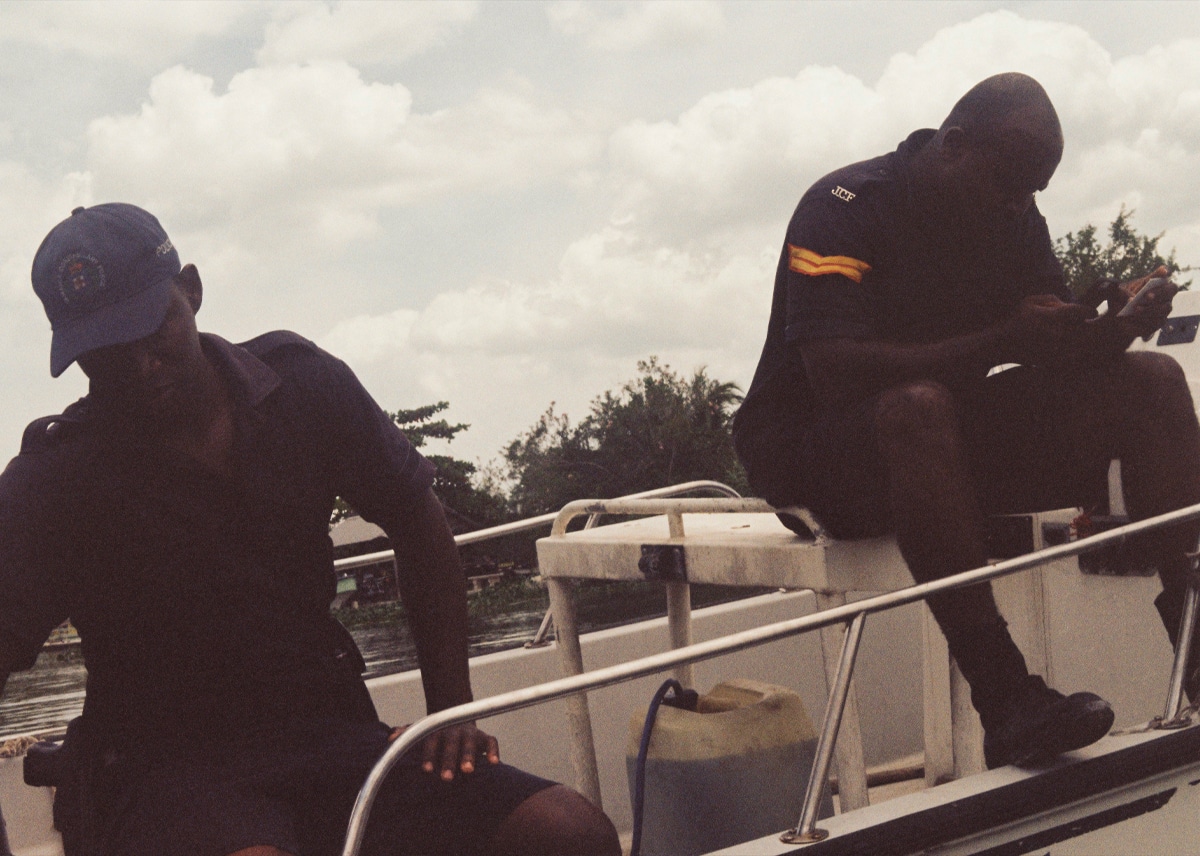
Marlon James: a Jamaican reckoning
'A return to a home I barely knew'




Haunting the Black Air
Poetic freedom across space and time
The Disappearers
A sprawling visceral experience that drops you in head first