
Belgrave Road
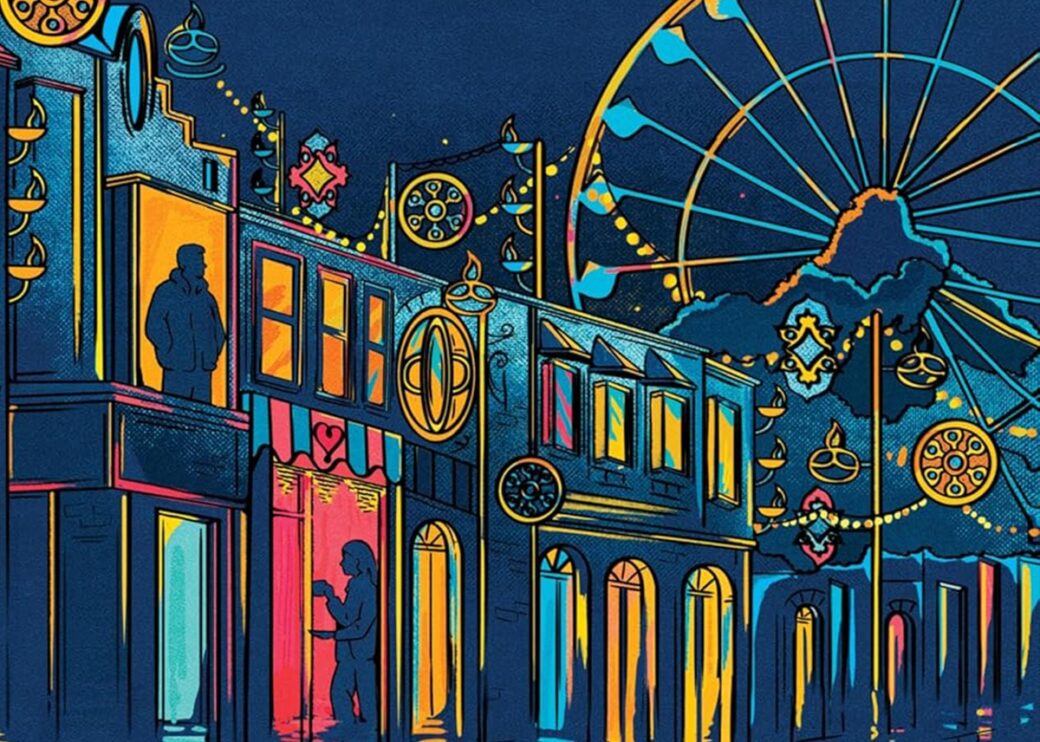
Manish Chauhan
Faber, 2026
‘How much longer would it be before she left the confines of Belgrave Road and went somewhere where not everybody was South Asian? This is Leicester, thinks new immigrant Mira, not Ahmedabad, India…’
Even if it looked like back home, it wasn’t home, not yet, possibly not ever. Similar but not the same. Here but not there. ‘We end up homeless,’ her sasra will say. ‘People like us. Belonging nowhere.’
The rate at which Mira is expected to accept this new life – a new country, an arranged marriage, and the expectation of domesticity, child-rearing, and subservience to men – is alarming, but so common it sounds like an overdone story trope in South Asian fiction. (For what it’s worth, women who have their lives written for them is never an overdone story trope.) Mira performs ‘her duties’ on a hyper-conscious level. She cooks the men their meals, lowers the plates to their mouths, scrubs the pots and pans of charred black from food not made for her own plunging appetites. But through a window, with just a glance, her first act of defiance will begin. She crosses a moral threshold when noticing how gently he sweeps the pavement, and he will catch her looking. Their eyes will meet, and the rest is a story as old as time: forbidden love.
For she is a married, Hindu, Indian woman, and he – Tahliil – is a Muslim Black man.
‘Your boyfriend from Somalia?’ asks a stranger. ‘Yes,’ she’ll say. They reply, ‘But you look Indian.’
What do lovers do when they cannot love freely? They may steal moments, they may plan their escape. But what of the prisons of forbidden love? Familial disowning and social shunning, yes – but many of us who have left home, sometimes more than once to make a new one, are bound to the law so tightly that it becomes the silent, even most powerful, third partner in our relationships. Mira must stay married to her husband for years to remain in the UK legally, while Tahliil is doing everything he can to seek asylum and avoid deportation back to Mogadishu. The clock ticks on their intertwined lives, which at times feels more like a bomb. And let’s not forget that there are two critical ‘homes’ at stake should they follow their hearts: the home within their families, and the home promised by England’s new horizons.
The story is read with ease; it employs plot as the main driver and is told in linear time. It’s grounded and clear and there is little room for multiple interpretations of what characters say and do.
Belgrave Road is primarily a love story, but big questions about ‘home’ haunt the silences between the star-crossed lovers. Can we really return home after leaving it, our departure from the nest irreversibly changing us? Is home an illusion if we treat it like an anchor rather than a mast, like Gibran suggests? When those questions fail to satisfy us, it is possible we seek home in another person to feel harboured?
I think the latter is the most dangerous of homes – one that is not a country, dwelling or acre of land, but a living flesh entity that will inevitably perish. ‘Your house is your larger body,’ Gibran has said. And Mira says it too when traditional concepts of home turn against her: ‘Home was some other, distant shore. A place with no name. Home. The world she had seen within the bright circles of somebody else’s eyes.’

WritersMosaic monthly
Get new reviews in your inbox
One email monthly, unsubscribe anytime
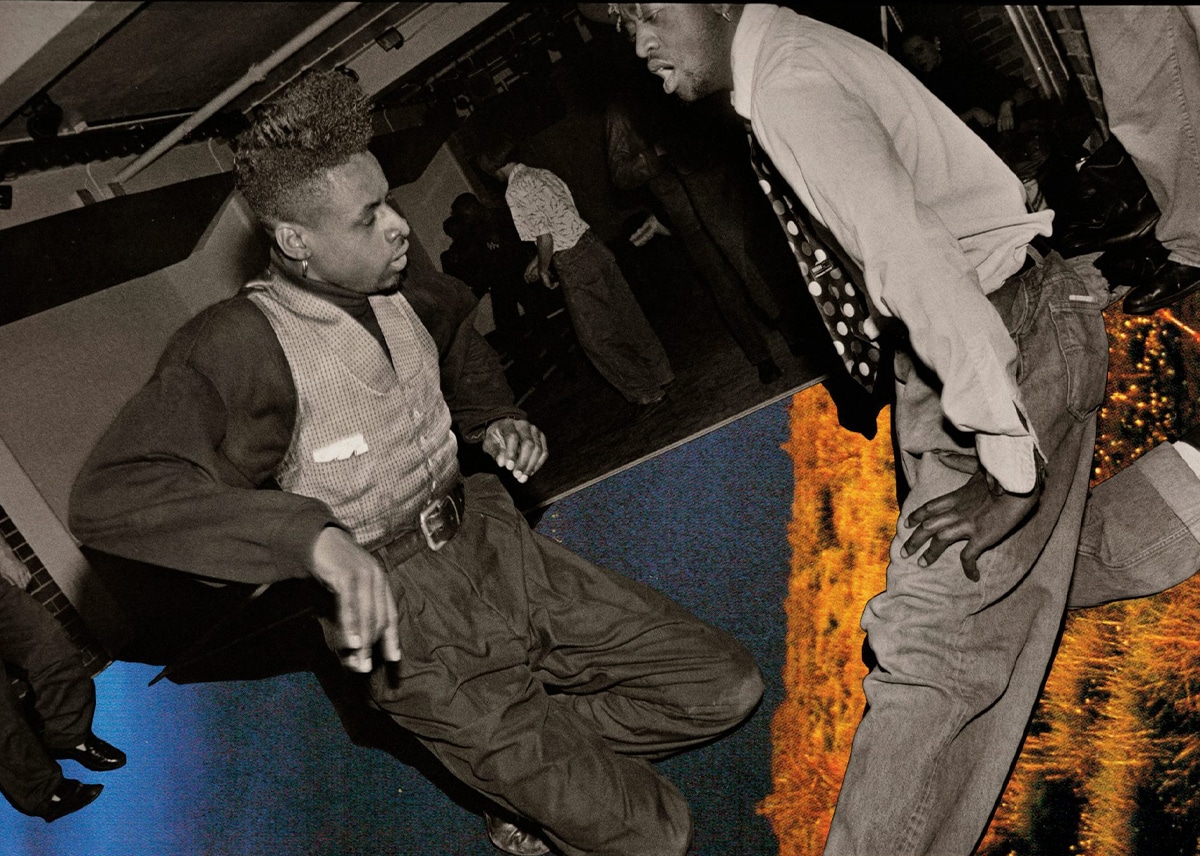
The Disappearers
A sprawling visceral experience that drops you in head first

The Lady Imam
Is the world ready to catch up with amina wadud?

Pressure
What's missing from the latest 'untold story behind D-Day'?



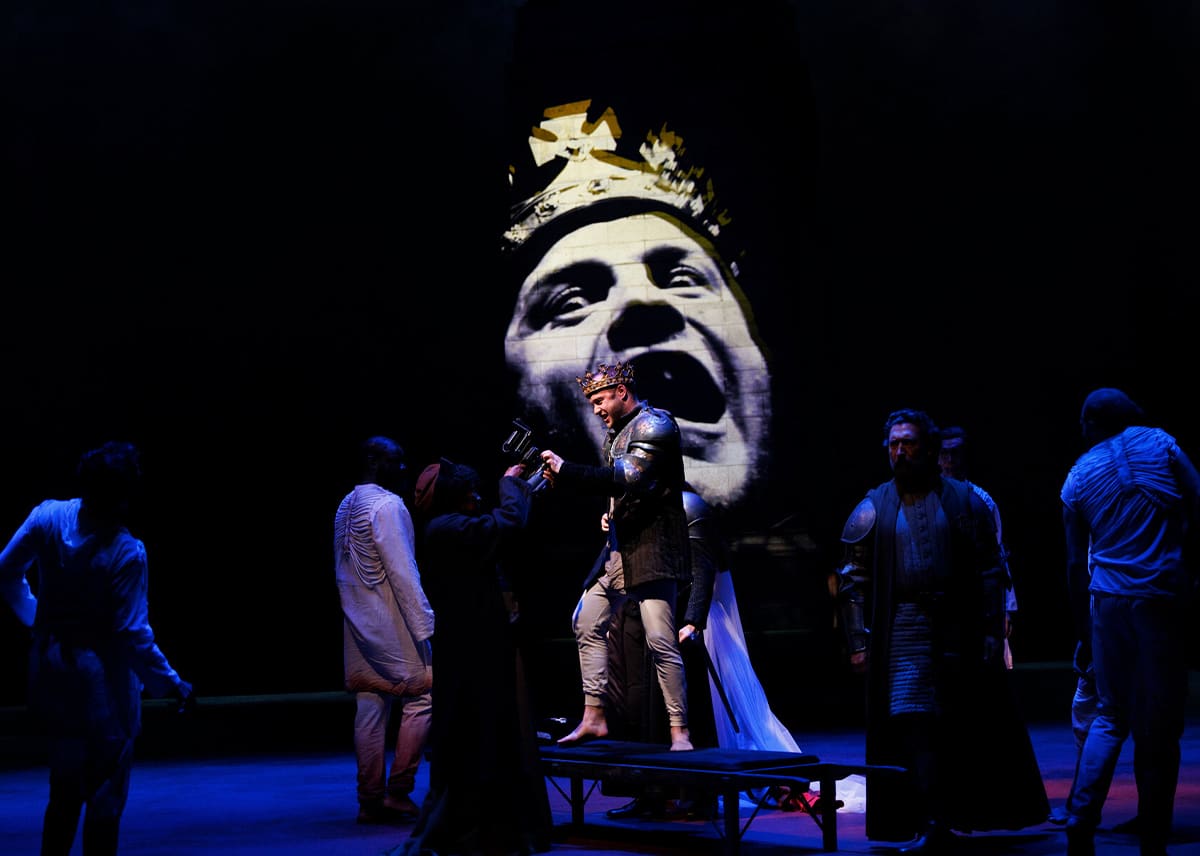
Complex antihero: an interview with Arthur Hughes
Unravelling Authur Hughes' Richard III

Marlon James: a Jamaican reckoning
'A return to a home I barely knew'
The name of this wallpaper is ‘Childhood’
A luminescent bubble of memory





Illuminating, in-depth conversations between writers.
Listen to all episodes
SpotifyApple Podcasts
Amazon Music
YouTube
Other apps

The series that tells the true-life stories of migration to the UK.
Listen to all episodes
SpotifyApple Podcasts
Amazon Music
YouTube
Other apps
WritersMosaic interrogates the notion of ‘staying in your lane’ by asking writers how they attempt to think beyond the parameters of their cultural identity.
Listen to all episodes
SpotifyApple Podcasts
YouTube