
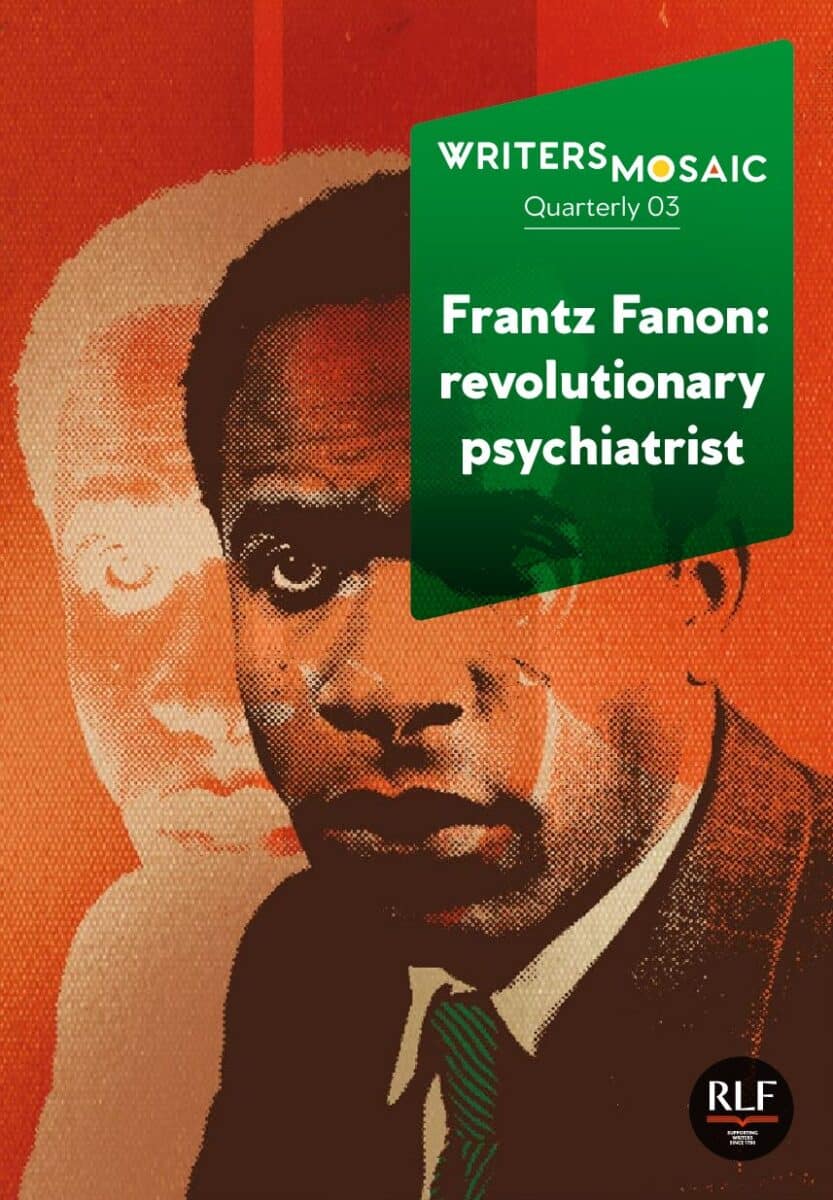
Frantz Fanon: revolutionary psychiatrist
Black Skin, White Masks (1952) and The Wretched of the Earth (1961) by the Afro-Caribbean writer Frantz Fanon are classics of anti-colonial literature. Ten writers here explore Fanon’s legacy, his radical work as a psychiatrist, his writing, and his commitment towards independence movements – all part of a remarkable life that came to an end when Fanon died from cancer aged just 36.
Download WritersMosaic Quarterly 03 as published in The Bookseller December 2025
Edited by: Colin Grant
Listen nowSpotify | Apple | YouTube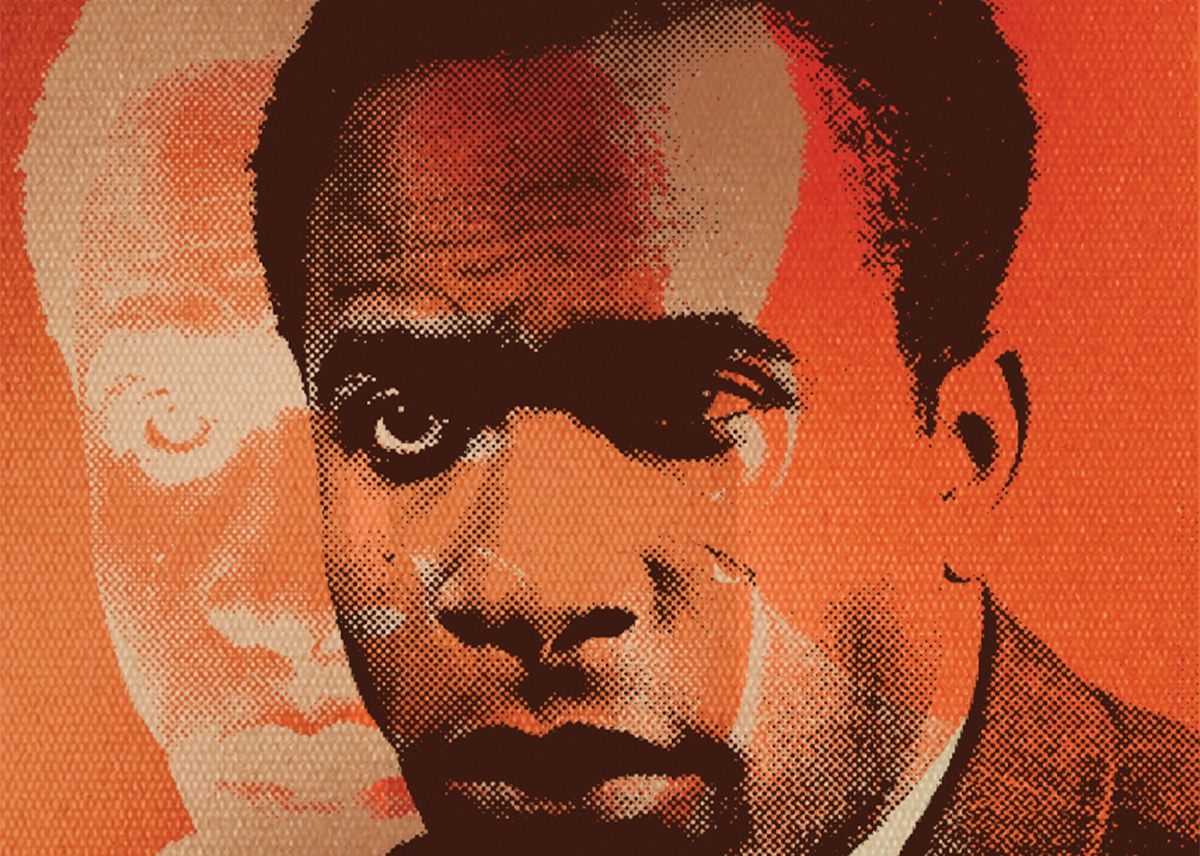
Editorial
Colin Grant
"As a youth, I was drilled in not foregrounding my blackness. Fanon’s Black Skin, White Masks seemed too on the nose for me then."
Ten writers explore the legacy of the radical Martinique-born psychiatrist Frantz Fanon (1925-1961), his literature, and his active commitment to the fight against colonialism.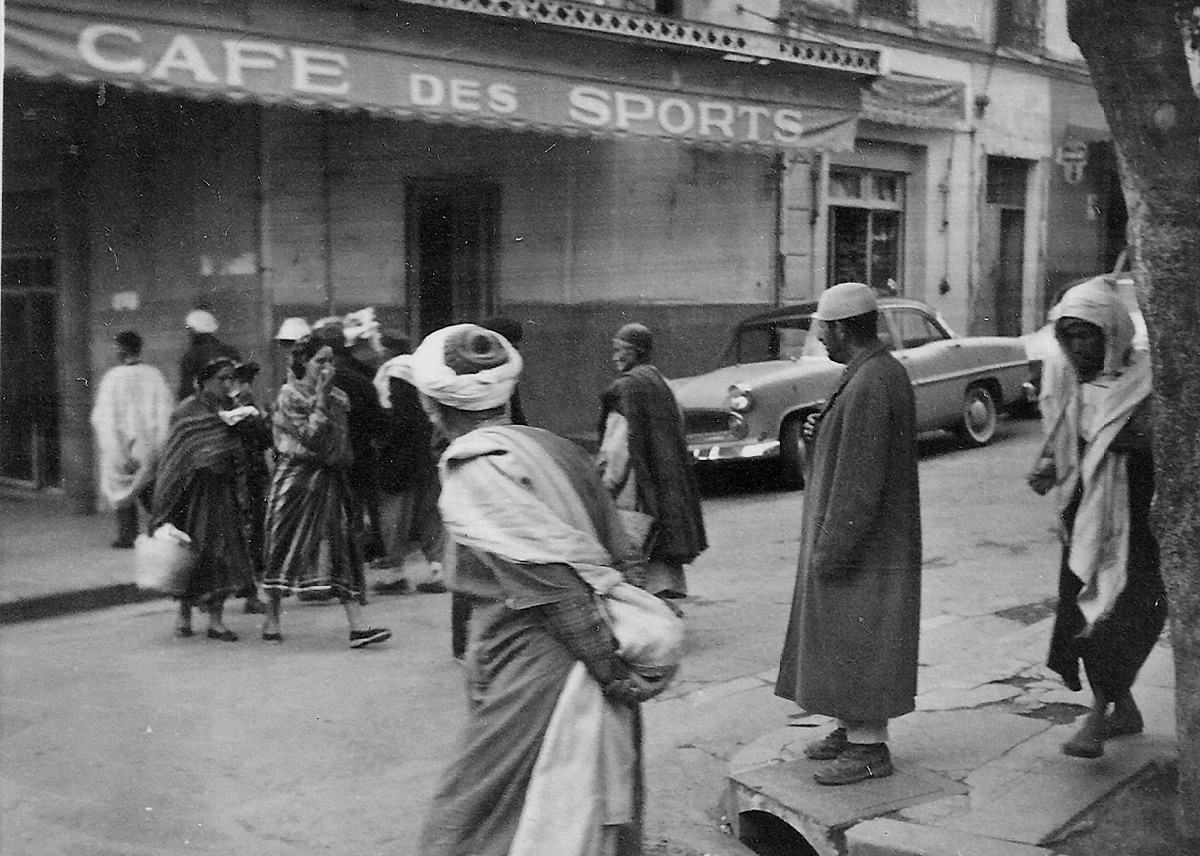
From the individual to the collective
Zebib K. Abraham
"I‘ve learned that those who oppress others are driven to their deluded, terrible actions by their own fear and shame."
In this moment of overwhelming and rapid shift into authoritarian populism, what can we learn from Frantz Fanon in escaping traditional psychoanalytic thought?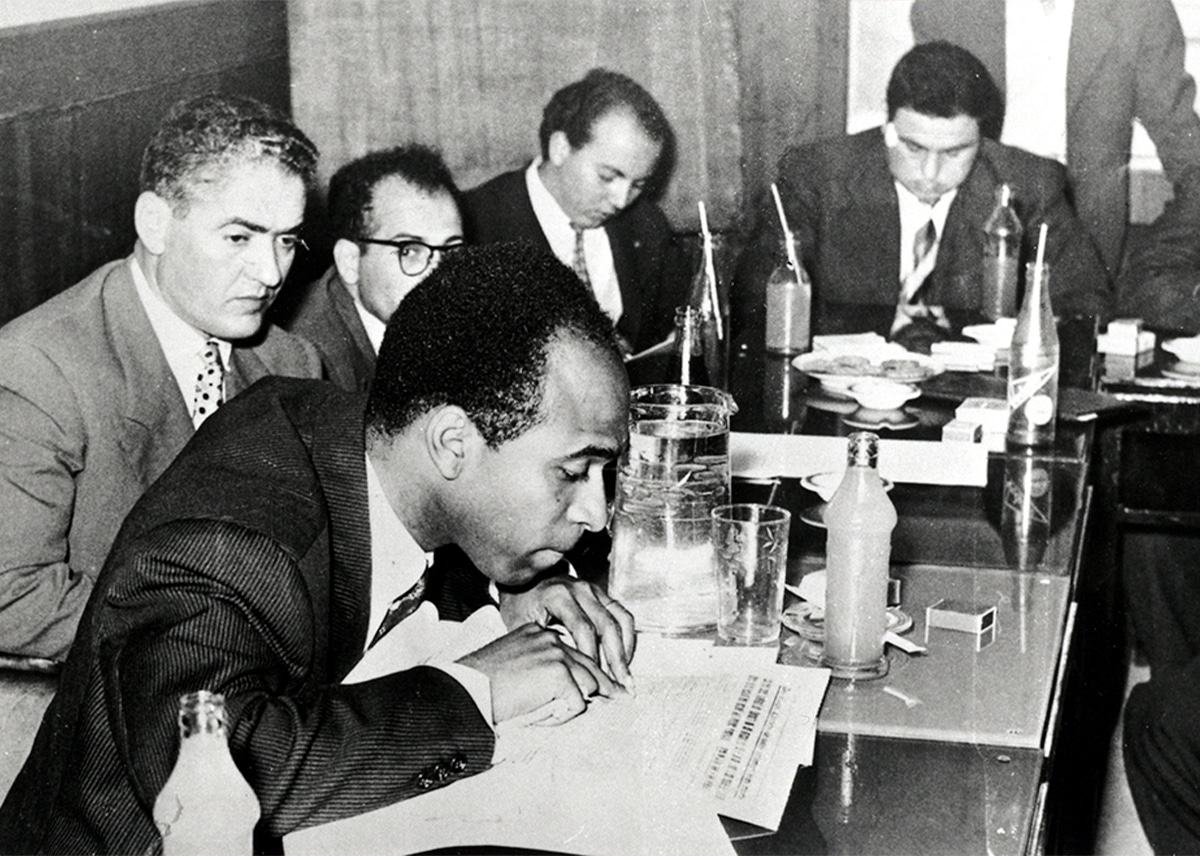
The person and the nation
Taíno Mendez
"If Black Skin, White Masks had been placed in my hands at 15, [it] might have helped better prepare me for life encased in a black, male body."
An exploration of the cognitive dissonance Fanon understood that black people experience in pursuing assimilation that leads to loss of identity and authenticity.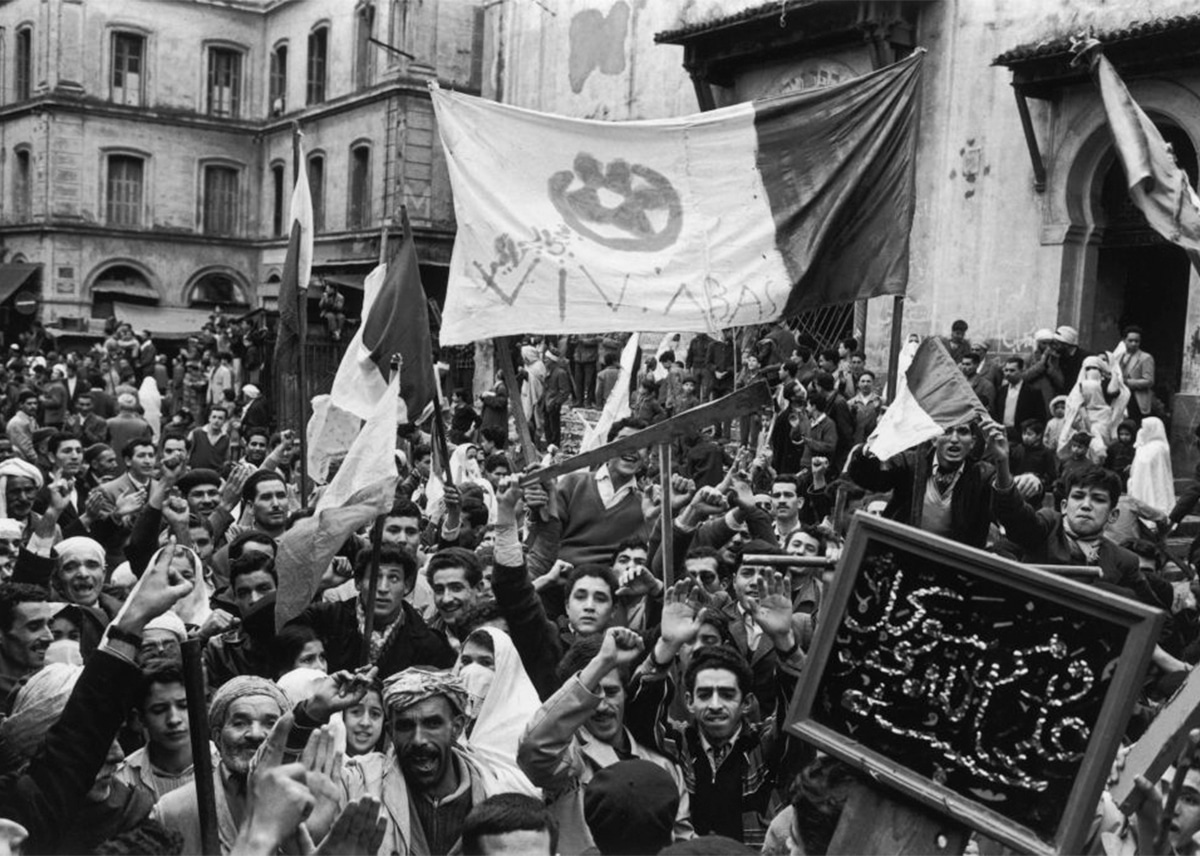
Blida, Algeria, 1953
Ekow Eshun
"To your colleagues, there’s no fundamental difference between you and your patients."
The imagined interior life of the young psychiatrist treating the oppressors and oppressed during the Algerian War of Independence.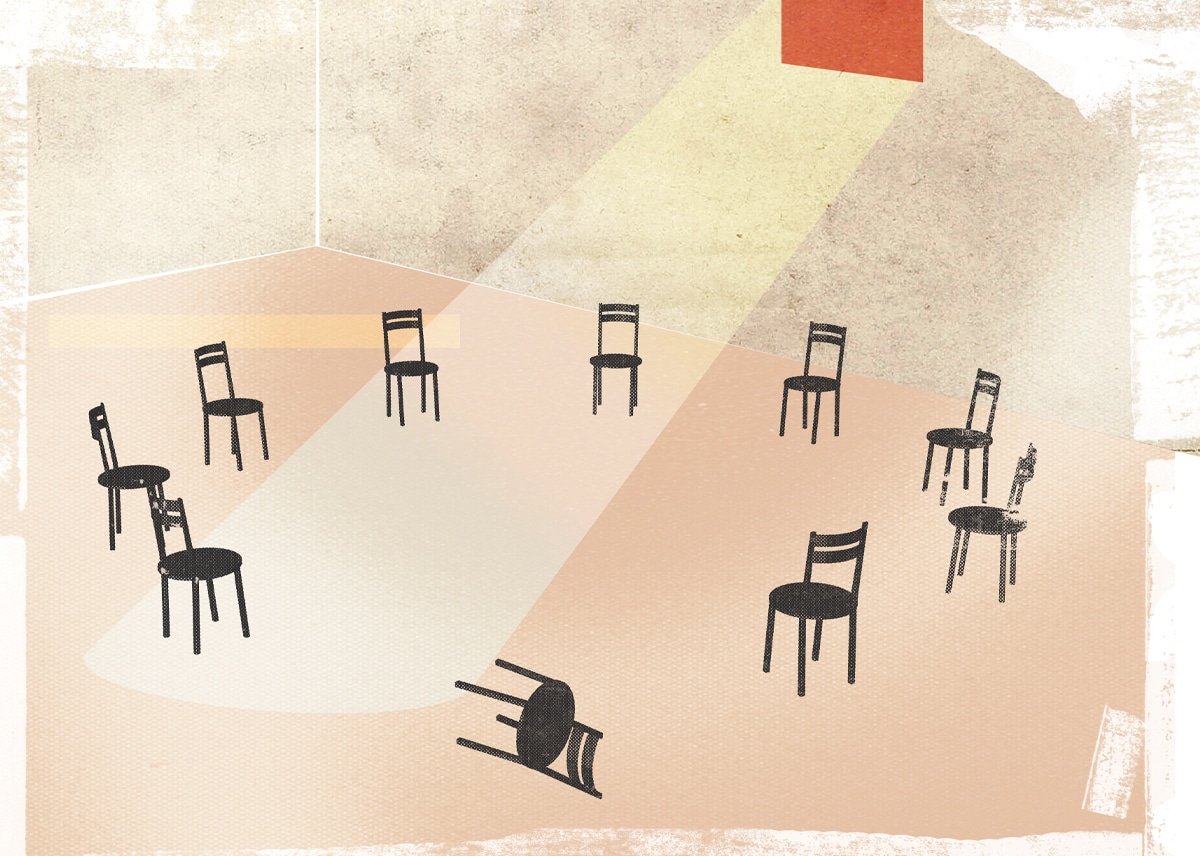
Writing the wound: politics, poetics, psychiatry
Clementine Ewokolo Burnley
"Fanon insists on a radical shift in power, and he refuses to rule out counter-violence."
The value of reading Fanon in an ageing and timorous society.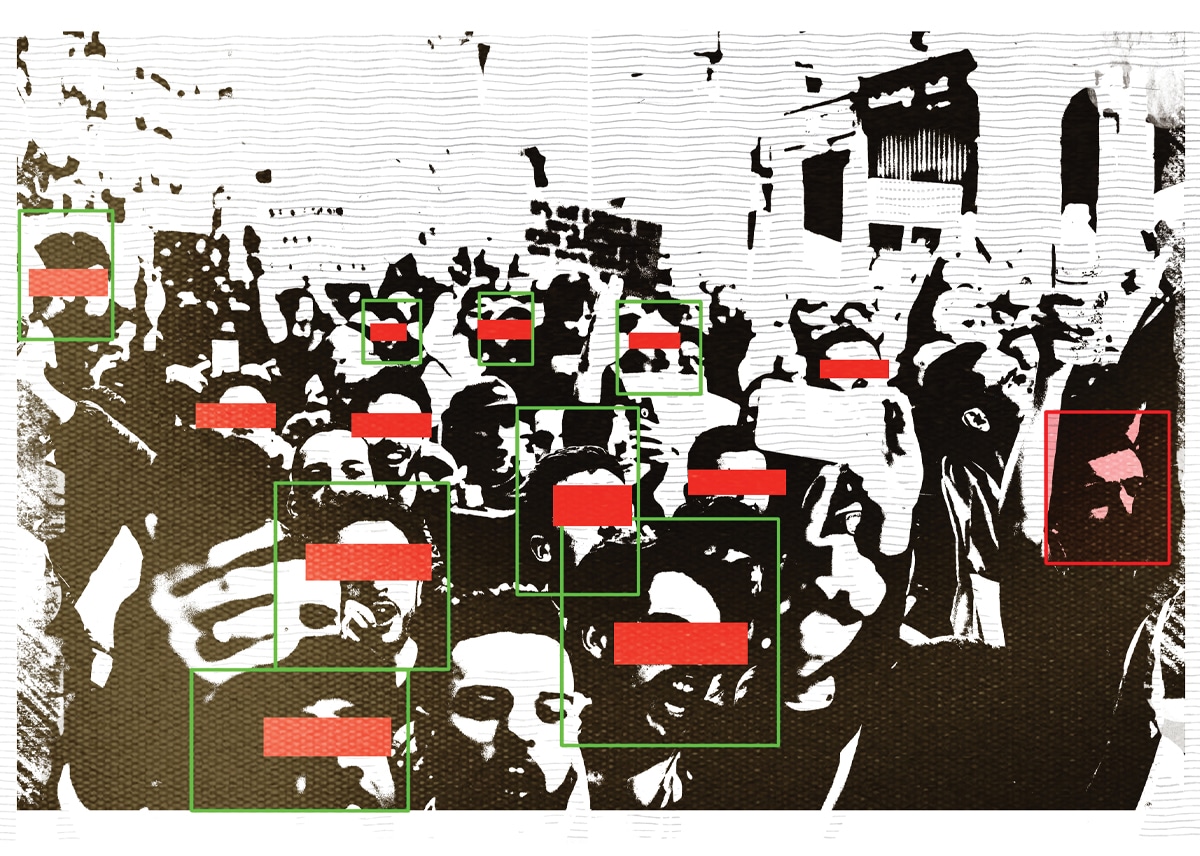
The racial allocation of guilt (after Fanon)
Roger Robinson
"The black man had to live his life with a kind of subservient awareness every day."
Riffing on the inheritance of guilt for black people whose very skin is their testimony.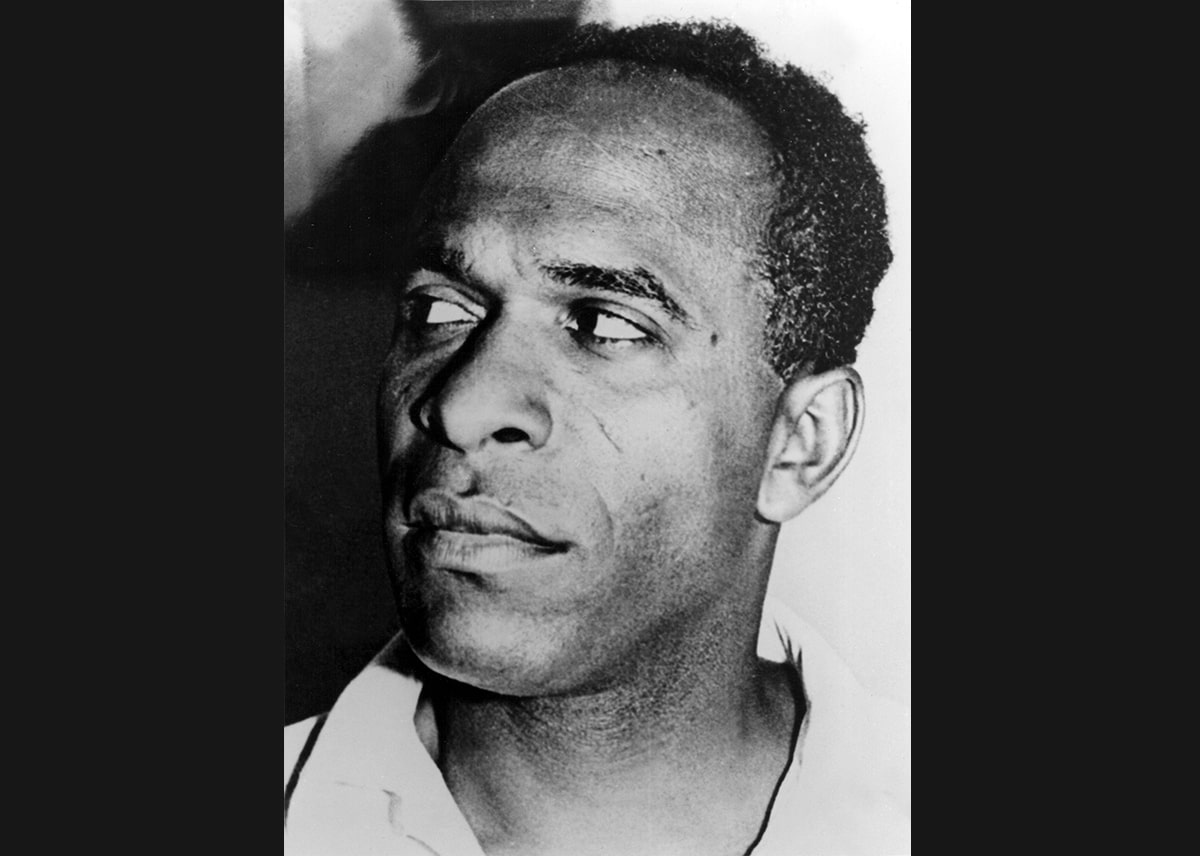
On entering the zone of being
Chitra Ramaswamy
"The racialised psyche, Fanon reminds us…has nowhere to turn but upon itself."
On the road with Fanon, navigating ‘a zone of non-being’.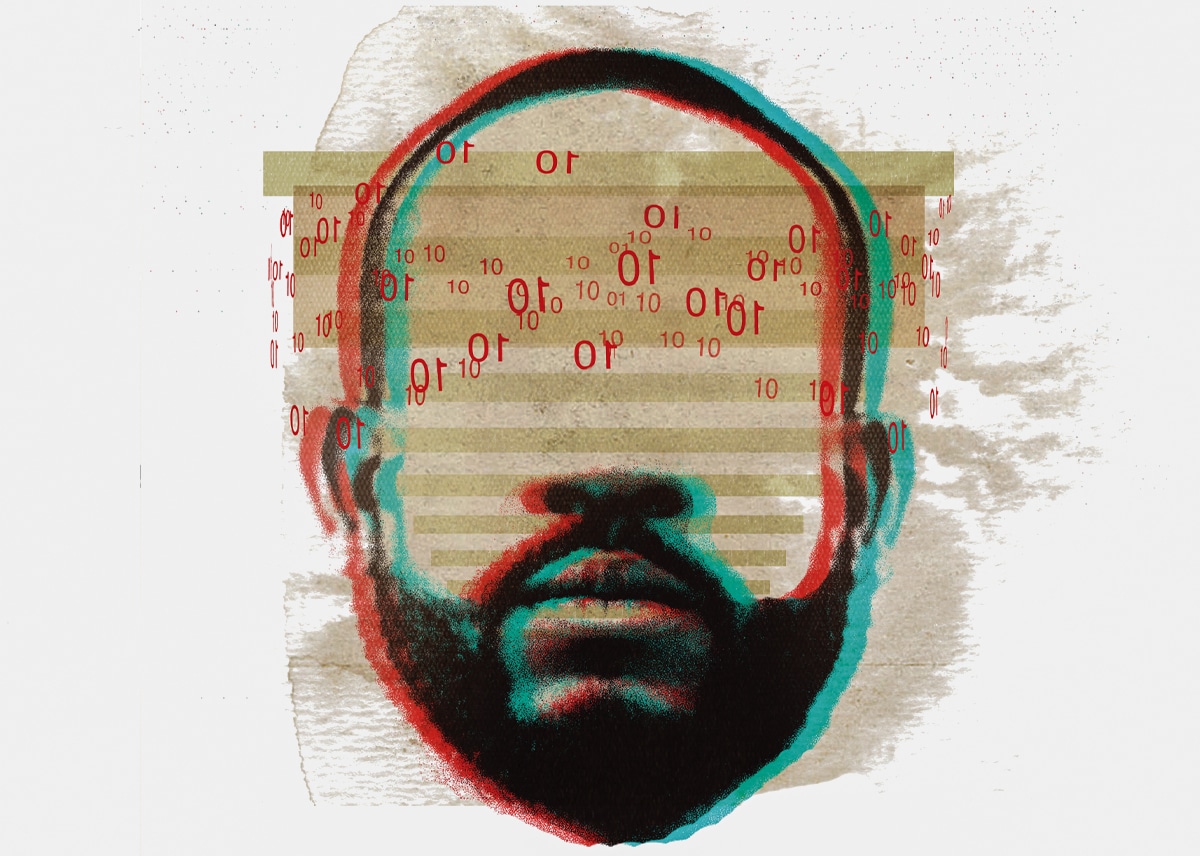
Brown skin, white mask
Khaldoon Ahmed
"Fanon exposes my own ‘white mask’ – a mask erasing my origins that might make me complicit in racist structures."
An NHS psychiatrist reflects on the clarity of thought that allowed Fanon to identify racism as a cause of mental illness.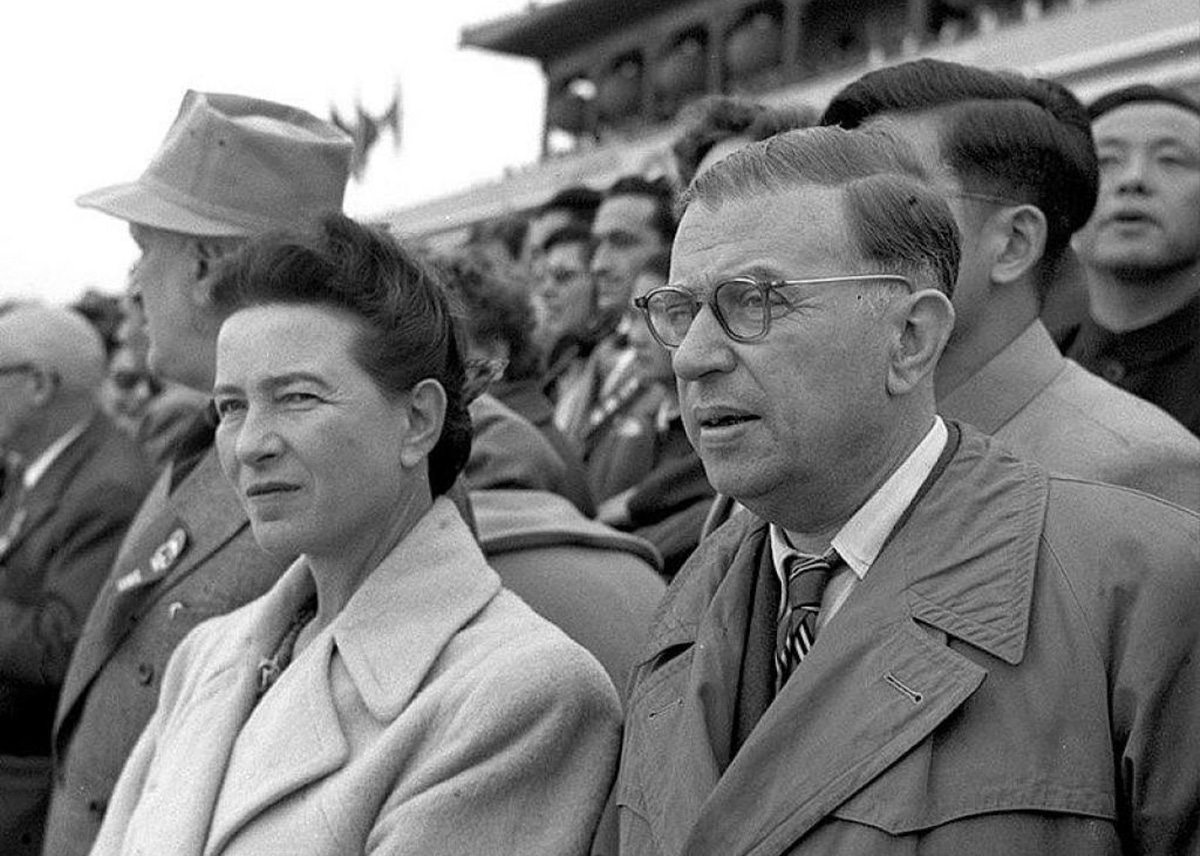
Alternative destinies
Isabelle Dupuy and Zoe Mohaupt
"Somehow, Haitians, after finding the revolutionary courage to eliminate the French, settled into the kind of colonial complexes denounced by Fanon."
Comparing the fortunes of Martinique and Haiti: The burden of freedom which is granted rather than fought for.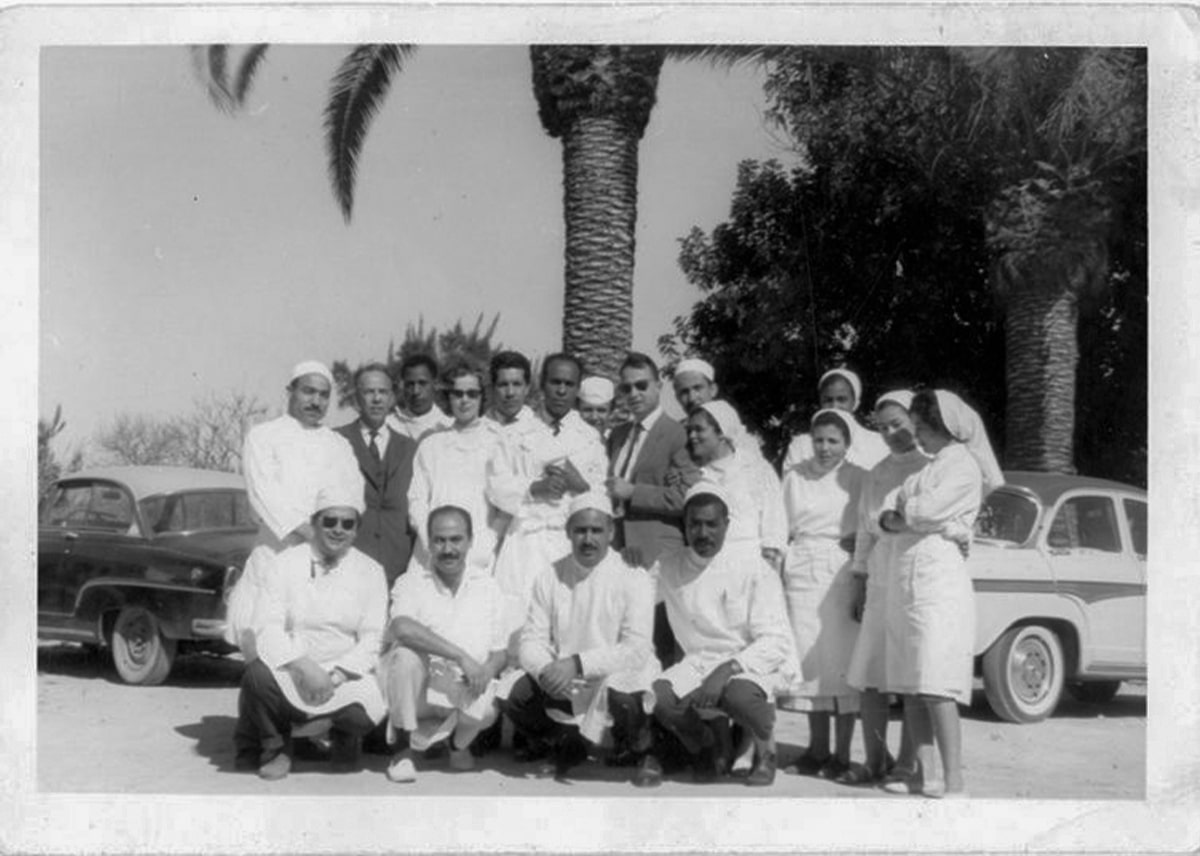
Inglan mad dem
Colin Grant
"Why are black people six times more likely to be diagnosed with schizophrenia than their white compatriots? Might it be that ‘Inglan makes them mad?"
A former medical student yearns to have been familiar with the writing of Frantz Fanon who might have acted as a guide during his years of studies.