
Fabulous Islam
The ‘Aha’ moment – Islamic fable and healing


‘Stories have a healing function. They can do a lot for mental health and even more for general health.’
Nossrat Peseschkian, Oriental Stories as Techniques in Positive Psychotherapy
(2016)
Early in my career, I found inspiration in the pioneering work of Nossrat Peseschkian, a renowned psychiatrist and psychotherapist who employed stories, anecdotes and fables from diverse cultural backgrounds to elucidate psychological concepts and therapeutic principles. Storytelling has become an integral part of my therapeutic approach.
Growing up, my mother often shared fables with me, particularly Arabic ones that carried a moral message. A tale that has stayed with me is that of a mullah, his son and a donkey. The mullah and his son set out across a desert to sell their donkey but face constant criticism and advice from passers-by. Attempting to please everyone, they take turns riding, leading and walking alongside the donkey, only to invite more criticism. Eventually, exhausted and ashamed, they carry the donkey on their backs. As a result, confused and distressed, the donkey breaks free and drowns in a nearby river.
The fable conveyed the challenge of attempting to make one’s own journey whilst being bombarded with the exhortations and advice of others. Over the years, the example has stayed with me. I’ve found myself captivated by its dynamics – the constant negotiation between personal identity and societal norms. As a Pakistani girl raised in the 1970s in inner city Birmingham, I grappled with fitting in while staying true to myself. The pressure to conform was suffocating: an undercurrent of inadequacy and a persistent sense of never getting it right. I felt the mullah and his son were fellow sufferers in my lonely desert of Birmingham.
I sometimes wonder, was my mother instinctively equipping me with tools to manage life, something which prepared me for my clinical practice? The fable wove its way into my subconscious, bypassing the critical, hypervigilant, conscious mind. Once it reached the subconscious, it did its magic and alchemised some of the unhelpful beliefs that had formed through difficult experiences over time.
Her stories shaped and guided me. Now I use narratives in my therapeutic practice to give people access to the depths of the unconscious mind, allowing for profound healing and transformation to take place. ‘A story’, Alice Munro writes in the introduction to her Selected Stories (1996), ‘is not like a road to follow… it’s more like a house. You go inside and stay there for a while, wandering back and forth and settling where you like and discovering how the room and corridors relate to each other, how the world outside is altered by being viewed from these windows.’
Within the therapy room my clients discover their own narratives, too, pacing the corridors, revisiting old rooms, making connections, calling to mind stories that bring back memories. Through the use of a story that resonates, a shift from being actor to audience can lead to the ‘aha’ moment. My clients arrive at their destination.
© Farah Naz

Farah Naz
Farah Naz writes psychoeducational articles for magazines including the Portugal Resident and has an online international practice.
Fabulous Islam

Fabulous Islam – the journey of fable in the Muslim world
Shahrukh Husain

A fabulously transformative journey
Jasmine Shackle

Hamza the Ayyar
Adnan Madani

The fable of the naked faqir
Shueyb Gandapur

The Chenab River
Khaldoon Ahmed

Balancing patience, knowledge and humility
Salma Raheen

Illuminating, in-depth conversations between writers.
Listen to all episodes
SpotifyApple Podcasts
Amazon Music
YouTube
Other apps

The series that tells the true-life stories of migration to the UK.
Listen to all episodes
SpotifyApple Podcasts
Amazon Music
YouTube
Other apps
Nine writers with migrant backgrounds reveal the secrets of their talismans of migration.
Listen to all episodes
SpotifyApple Podcasts
YouTube

Free Will
Will Harris reads his poem, 'Free Will'. Directed by Matthew Thompson and commissioned by the Adrian Brinkerhoff Poetry Foundation.

Half Written Love Letter
Selina Nwulu reads her poem, 'Half Written Love Letter'. Directed by Matthew Thompson and commissioned by the Adrian Brinkerhoff Poetry Foundation.


On seeing Iran in the news, I want to say
A poet reflects on what it's like to be of Iranian descent and to witness terrible news coming out of Iran.

Sad Song of Plantain poem
'I lie as quiet as death in this ‘three for two pounds’ cardboard box'
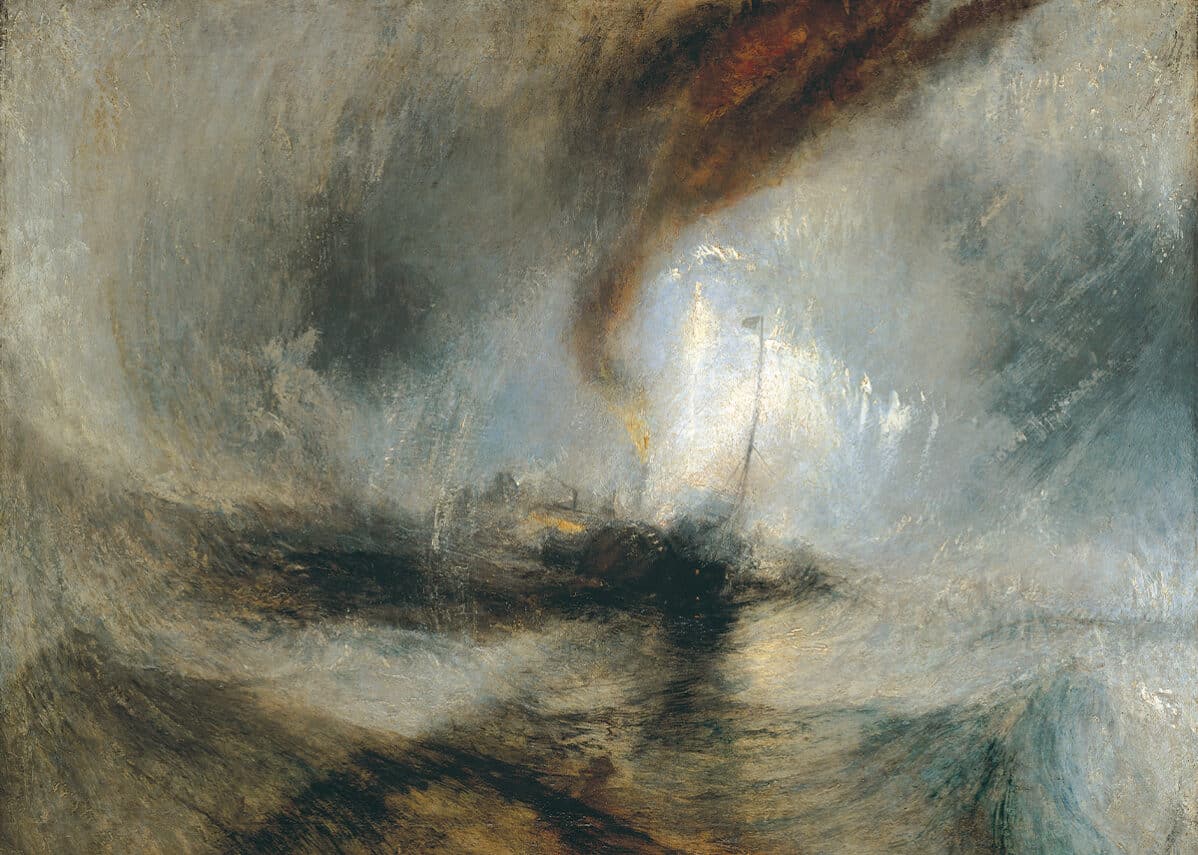
Regarding Turner
What does knowing of the revered British artist's investment in chattel slavery mean for his legacy?

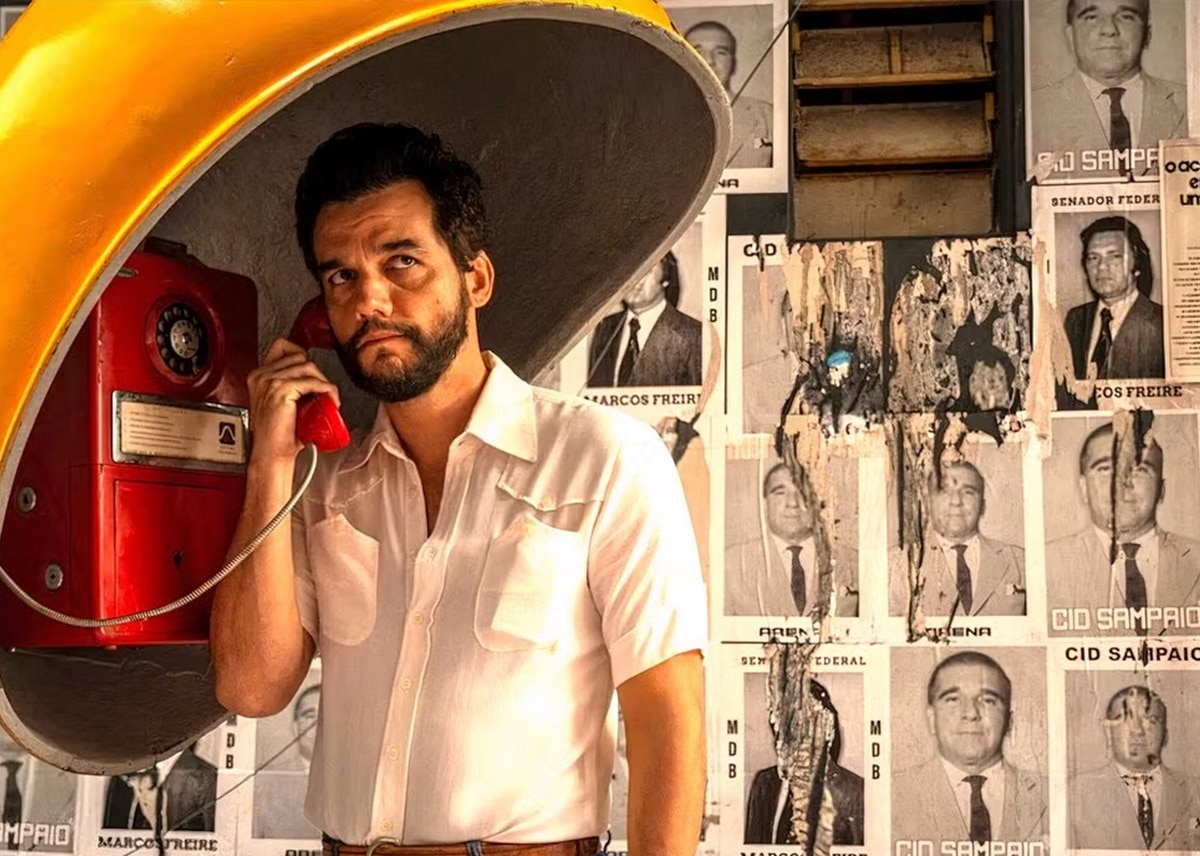
The Secret Agent
A film as much about the contemporary moment as its period setting
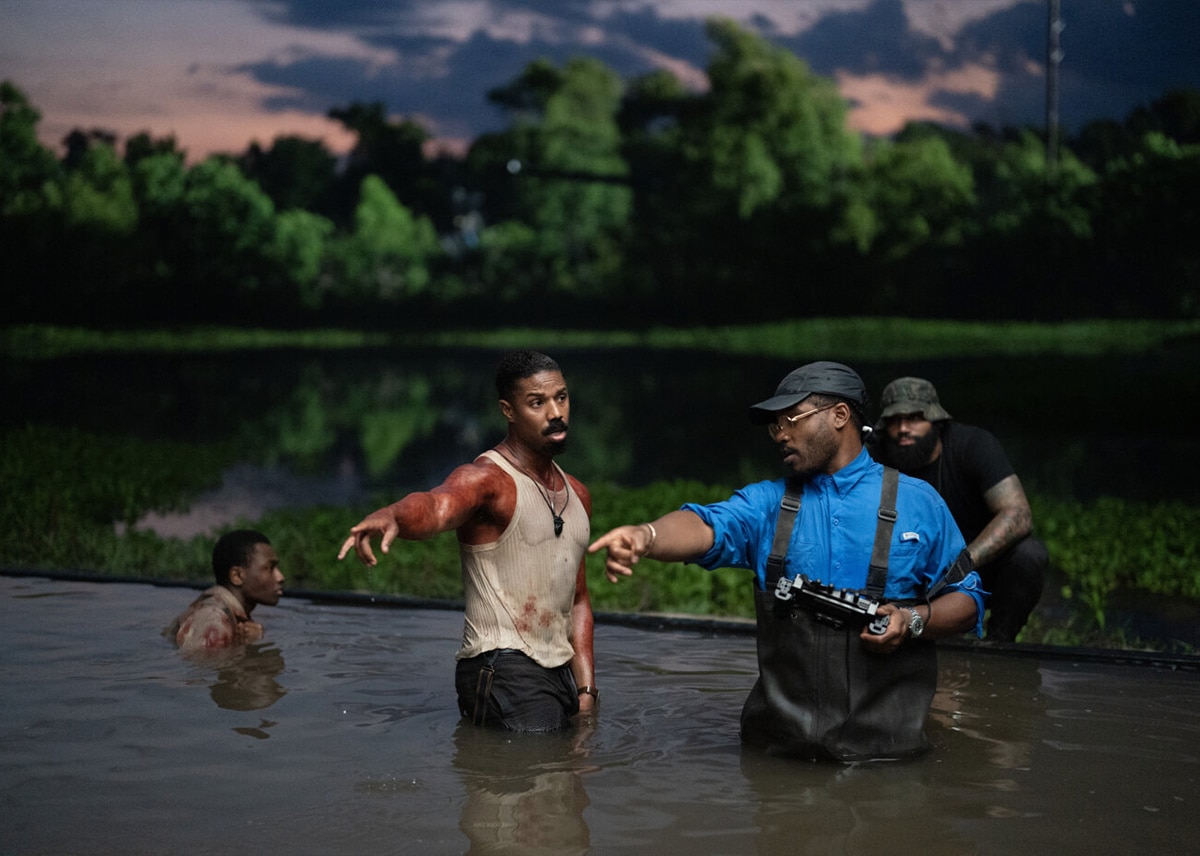
Sinners
A soulful, blues-soaked explosion of music centres this Southern Gothic and slasher horror
