
Gasping for Breath: Black crime fiction
Countering conventional crime fiction
When I began to write The Gosling Girl (2022) I was faced with a dilemma: in conventional crime fiction a (white) detective, who is often flawed but fundamentally good, exposes, hunts down and brings to justice a perpetrator, who is fundamentally bad.
For black communities, things are much less clear cut. Our experiences of the justice system are coloured by a sense of injustice. We are subjected to far more searches than our white counterparts and are far more likely to be convicted of a crime and to spend time in prison. Therefore, I couldn’t, in good faith, represent a justice system that is fair and impartial in the novel. How then to write it?
I decided to make the book a whydunnit rather than a whodunnit: the reader knows from the outset that Michelle Cameron, a black child, has been convicted of killing a four-year-old white child when she was ten. The book begins with Michelle’s release from prison, an inversion of the usual convention of crime fiction, where a novel closes with the capture of the perpetrator. In most conventional crime fiction, there is neither an in-depth presentation of the context for the crime, nor an examination of the emotional state of the perpetrator, except in sensationalist terms. I wanted to avoid this sensationalism and instead to present a low-key account of the reasons why Michelle Cameron committed such a terrible crime. I opted to use a third person narrative voice; in early drafts, whenever I attempted to use the first person, the narrative slipped into melodrama. By using the third person narrative voice, I had greater control over the emotional energy of the book.
Given that I was unwilling to duck the issue of institutional and structural racism within the police service, I also needed a black detective. Natalie Tyler, the detective constable who is assigned to protect Michelle when her identity as a child murderer is revealed, experiences racism throughout the novel. She is a token figure within the police service, presented to the public in situations where suggestions of racism need to be denied or defused. In encountering Michelle Cameron, she is forced to confront these aspects of her work. In conventional crime fiction, detectives rarely question their role.
So, in these ways, the novel subverts the crime fiction genre. I aimed to invite readers to ask questions about social and cultural values, the justice system, and the ways in which identities are formed. However, I was telling a story, so it was of vital importance to focus on creating suspense, giving pace to the narrative, and developing the characters as fully as I could. These characters had to be more than just cyphers for the examination of social attitudes. Readers had to believe in them. I wanted to bring them alive as human beings.
The aim of The Gosling Girl was not to provide answers for readers. In writing it, I tried to pose questions, and to invite readers to find any answers for themselves.
© Jacqueline Roy
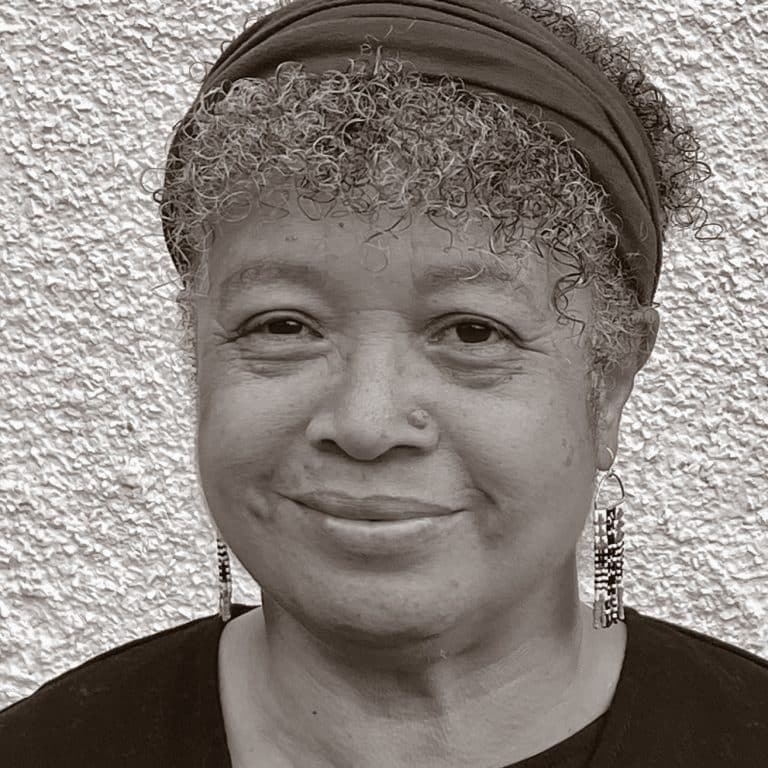
Jacqueline Roy
Jacqueline Roy was born in London. She has written six books for children and two novels for adults.
Gasping for Breath: Black crime fiction

No Escape
Peter Kalu

A conversation about The Mother
Yvvette Edwards & Peter Kalu
The Khan
Saima Mir
Bling/Stretch Point
Shahireh Sharif
The Spider’s Bird
Nii Ayikwei Parkes
Thurloe Street
Dipali Das
Small Regrets
Karline Smith

Illuminating, in-depth conversations between writers.
Listen to all episodes
SpotifyApple Podcasts
Amazon Music
YouTube
Other apps

The series that tells the true-life stories of migration to the UK.
Listen to all episodes
SpotifyApple Podcasts
Amazon Music
YouTube
Other apps
Nine writers with migrant backgrounds reveal the secrets of their talismans of migration.
Listen to all episodes
SpotifyApple Podcasts
YouTube

Free Will
Will Harris reads his poem, 'Free Will'. Directed by Matthew Thompson and commissioned by the Adrian Brinkerhoff Poetry Foundation.

Half Written Love Letter
Selina Nwulu reads her poem, 'Half Written Love Letter'. Directed by Matthew Thompson and commissioned by the Adrian Brinkerhoff Poetry Foundation.


On seeing Iran in the news, I want to say
A poet reflects on what it's like to be of Iranian descent and to witness terrible news coming out of Iran.

Sad Song of Plantain poem
'I lie as quiet as death in this ‘three for two pounds’ cardboard box'
Regarding Turner
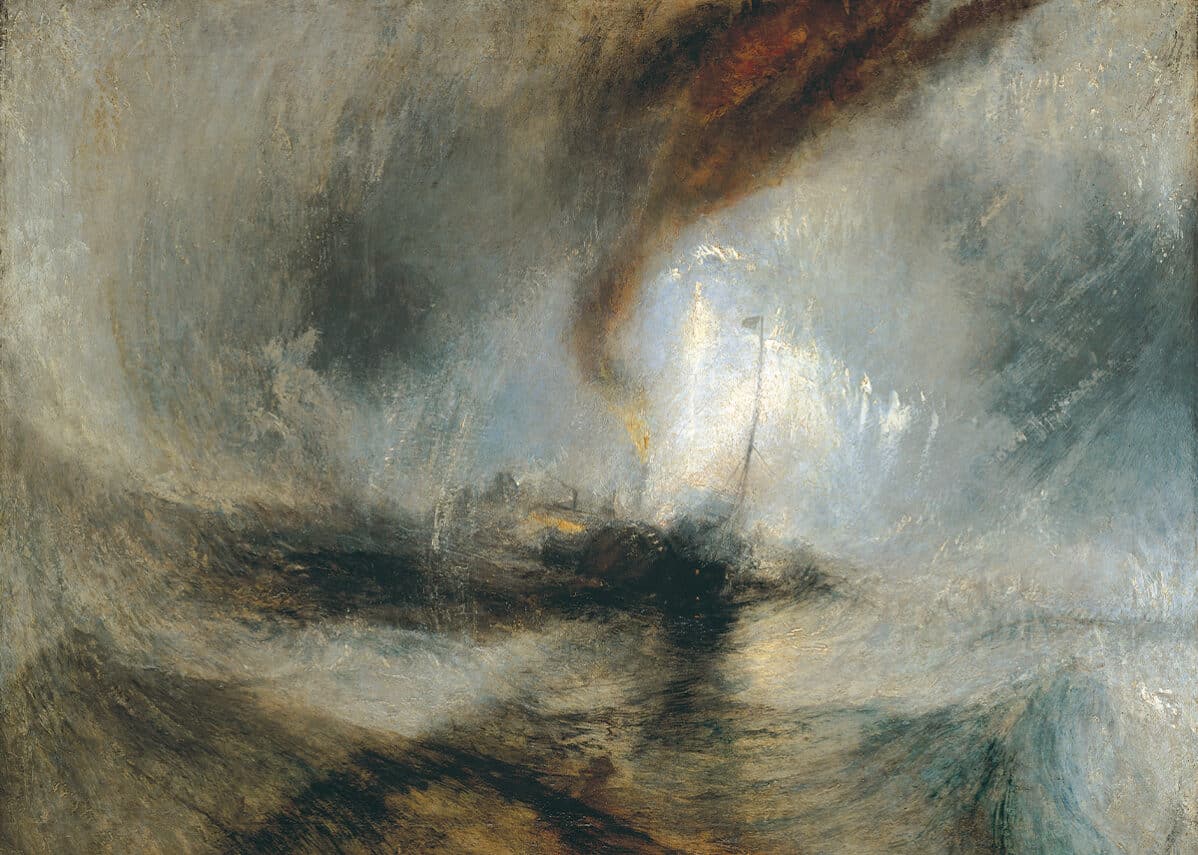
What does knowing of the revered British artist's investment in chattel slavery mean for his legacy?

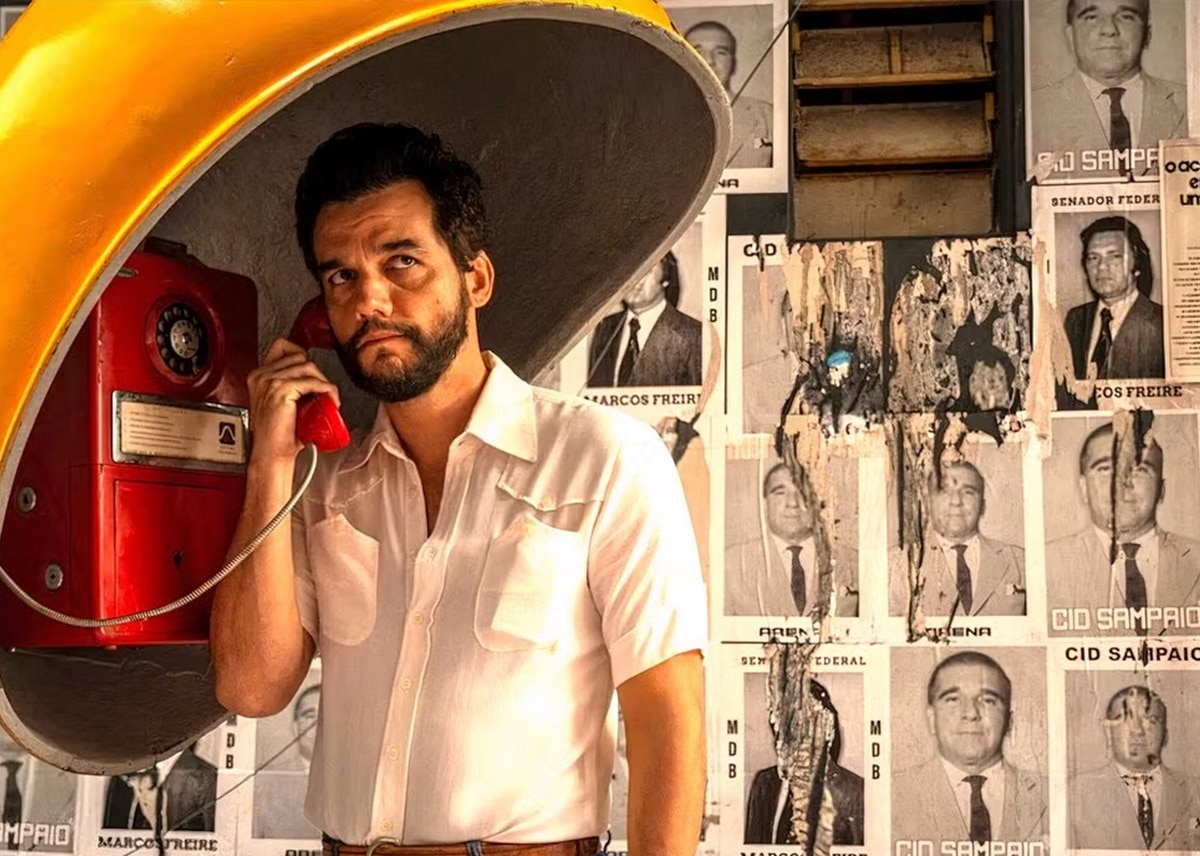
The Secret Agent
A film as much about the contemporary moment as its period setting
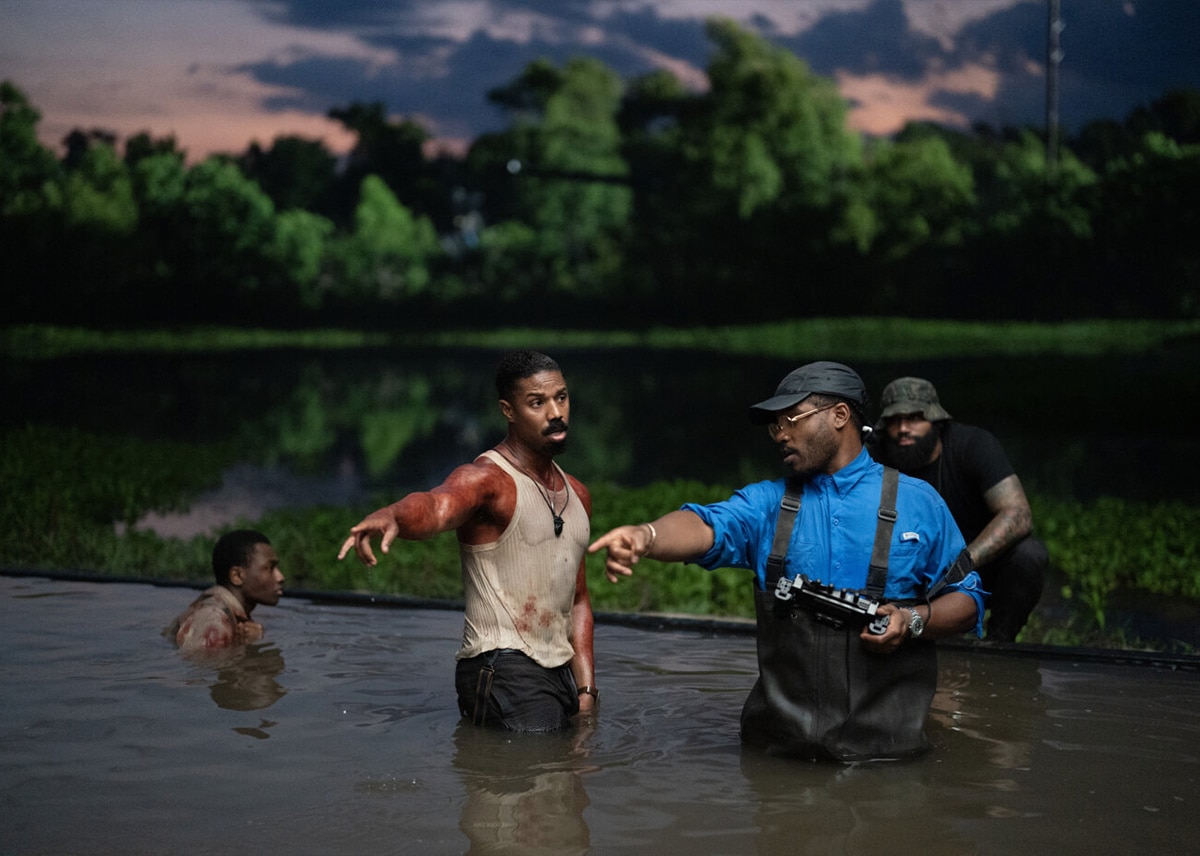
Sinners
A soulful, blues-soaked explosion of music centres this Southern Gothic and slasher horror
