
In a time of mass migration
Rokel Dees
I was young, I knew nothing about migration. My family came from Sierra Leone, West Africa, and the ‘coming’ was hidden from me; even the roots of my ancestors, the fuel of my parents’ ambition, remained sealed in my mother’s head. Had I even heard the name of the ship that brought her to England by the time we moved into the three-bedroom semi in Clarendon Park?
As children in Leicester, we learned much about Africa from the world around us and not from books. Our visitors, relatives and friends, spoke openly about ‘home’, their faraway families and countries overseas. They were my Mother’s groupies, but I was hanging on their coat tails, watching how they moved, spoke and ate. A pool of inspiring people; and, as a five-year old eagerly soaking up the accents and the manners of every foreign visitor, I enjoyed being in their midst. No chance of flying to Lagos, no Caribbean picture books gracing the shelves. But, as I stood there with my shiny patent leather shoes glistening like diamonds in a coal seam, Lagos bustle greeted me, and the Guyanese Pepperpot cinnamon flavours spiced the air. Ours was a vigorously international household. Here was Auntie Beatrice, blue buba flashing silver streaks, conquering the living room; here was another regular, the Ghanaian smiler, shaking his fresh pack of fags, here was the hostess trolley, squeaking all the way into the centre of the room, laden with the Sunday dishes they had been praying for. Every weekend, full summer or deep winter, the visitors from the black world buzzed our front doorbell anytime after noon, blowing into the house and landing on the imitation leather-backed sofa in search of home comfort to take back to their digs.
My mother, who is light brown skinned with a yellowy colouring, nicely pressed soft hair and eyes that never seem to linger on a single face, is the centrepiece, the conductor of our Sunday gatherings. I recall her, the rightful ruler of our household, swiftly taking to the kitchen after church, and remaining in front of the stove, the heat rising from the various pots and moving into the hallway where I watched and played. I remember her easing the greaseproof paper from cakes and leaving the Pyrex bowl for us to dip our fingers into.
Her adult world contained two continents on the map. From Freetown where everyone knew her family, to a land of strangers, England, where tired eyes worked fast to make sense of what they saw.
She had come to Britain on her own, after the war, in search of a country in which she could one day see her grandchildren thrive. She made the same journey her grandfather had back in the 1870s, and although she found England forbidding, her optimism dipping in the chilling reception she initially received, she never languished or failed to get by. I’ve often wondered what taught her to keep the warm air flowing through the cold climate.
© Delia Jarrett-Macauley
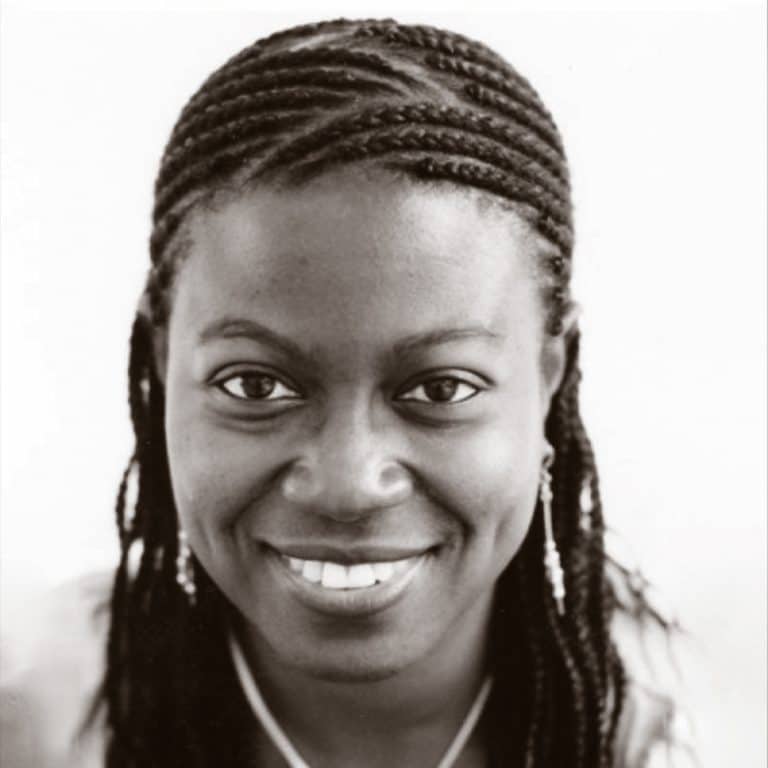
Delia Jarrett-Macauley
Delia Jarrett-Macauley, the youngest daughter of a Sierra Leone family, is the author of the novel Moses, Citizen and Me, which won the 2005 Orwell Prize, and The Life of Una Marson 1905-65.
In a time of mass migration

In a time of mass migration
Brian Chikwava

You can’t breathe water
Olumide Popoola

Transhumance
Henrietta Rose-Innes

Odili
Chika Unigwe

What Enid Blyton did to me
Billy Kahora

Portrait of a life
Amaal Said

Illuminating, in-depth conversations between writers.
Listen to all episodes
SpotifyApple Podcasts
Amazon Music
YouTube
Other apps

The series that tells the true-life stories of migration to the UK.
Listen to all episodes
SpotifyApple Podcasts
Amazon Music
YouTube
Other apps
Nine writers with migrant backgrounds reveal the secrets of their talismans of migration.
Listen to all episodes
SpotifyApple Podcasts
YouTube

Free Will
Will Harris reads his poem, 'Free Will'. Directed by Matthew Thompson and commissioned by the Adrian Brinkerhoff Poetry Foundation.

Half Written Love Letter
Selina Nwulu reads her poem, 'Half Written Love Letter'. Directed by Matthew Thompson and commissioned by the Adrian Brinkerhoff Poetry Foundation.

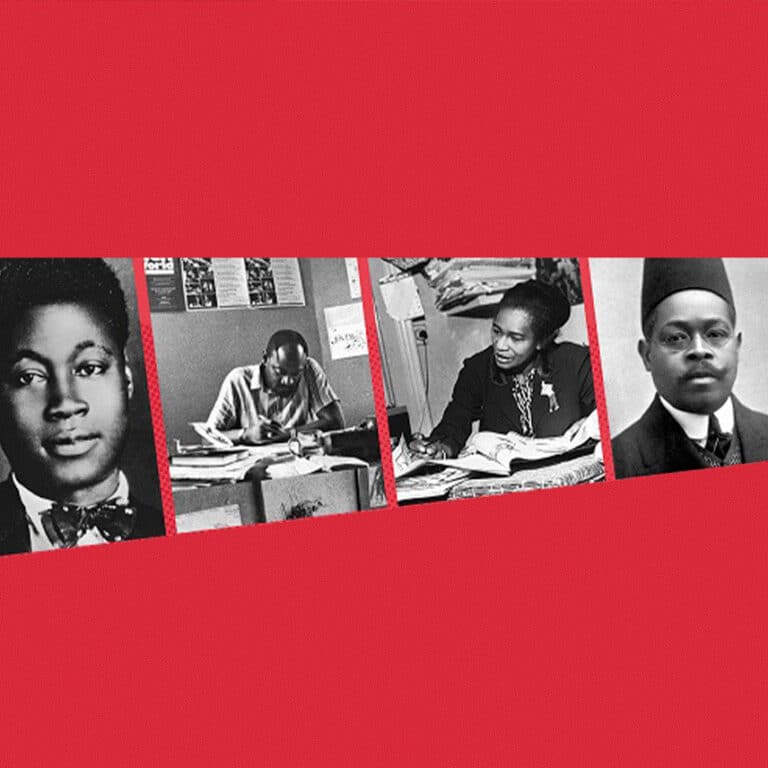

On seeing Iran in the news, I want to say
A poet reflects on what it's like to be of Iranian descent and to witness terrible news coming out of Iran.

Sad Song of Plantain poem
'I lie as quiet as death in this ‘three for two pounds’ cardboard box'
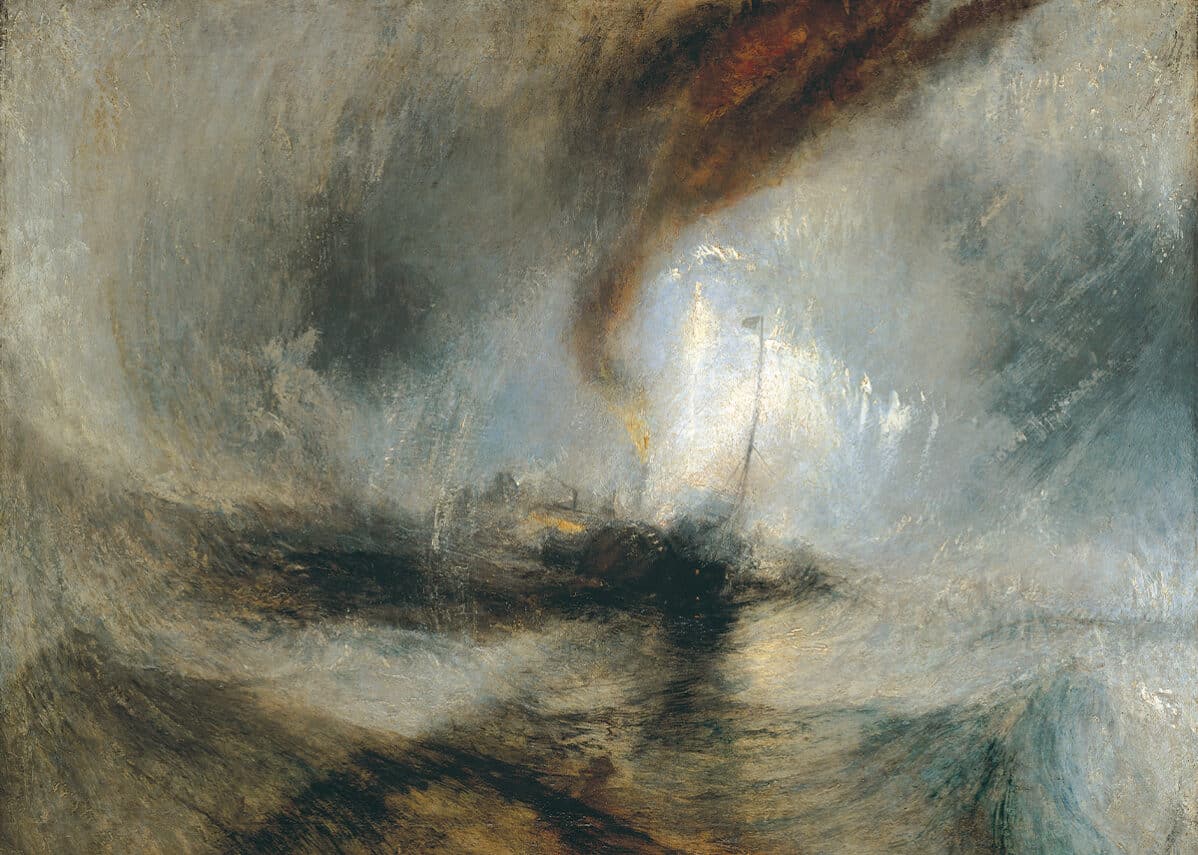
Regarding Turner
What does knowing of the revered British artist's investment in chattel slavery mean for his legacy?
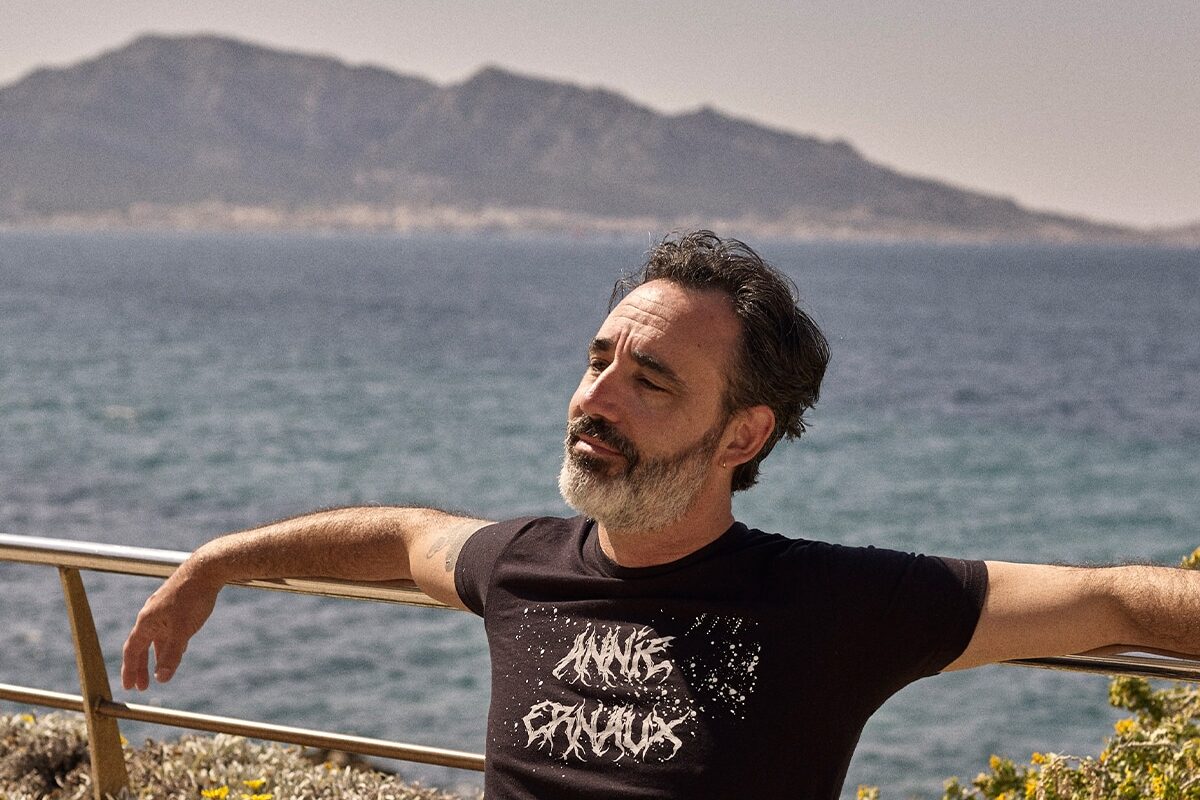

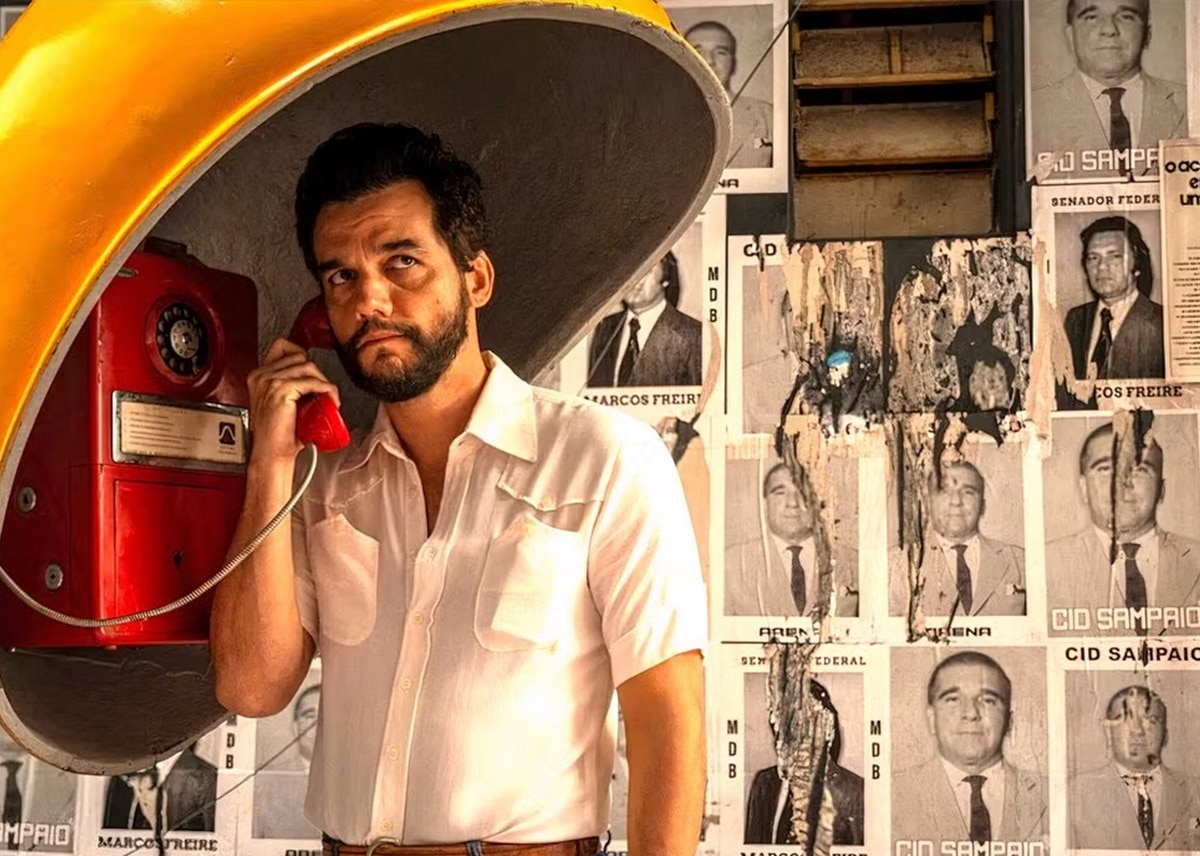
The Secret Agent
A film as much about the contemporary moment as its period setting
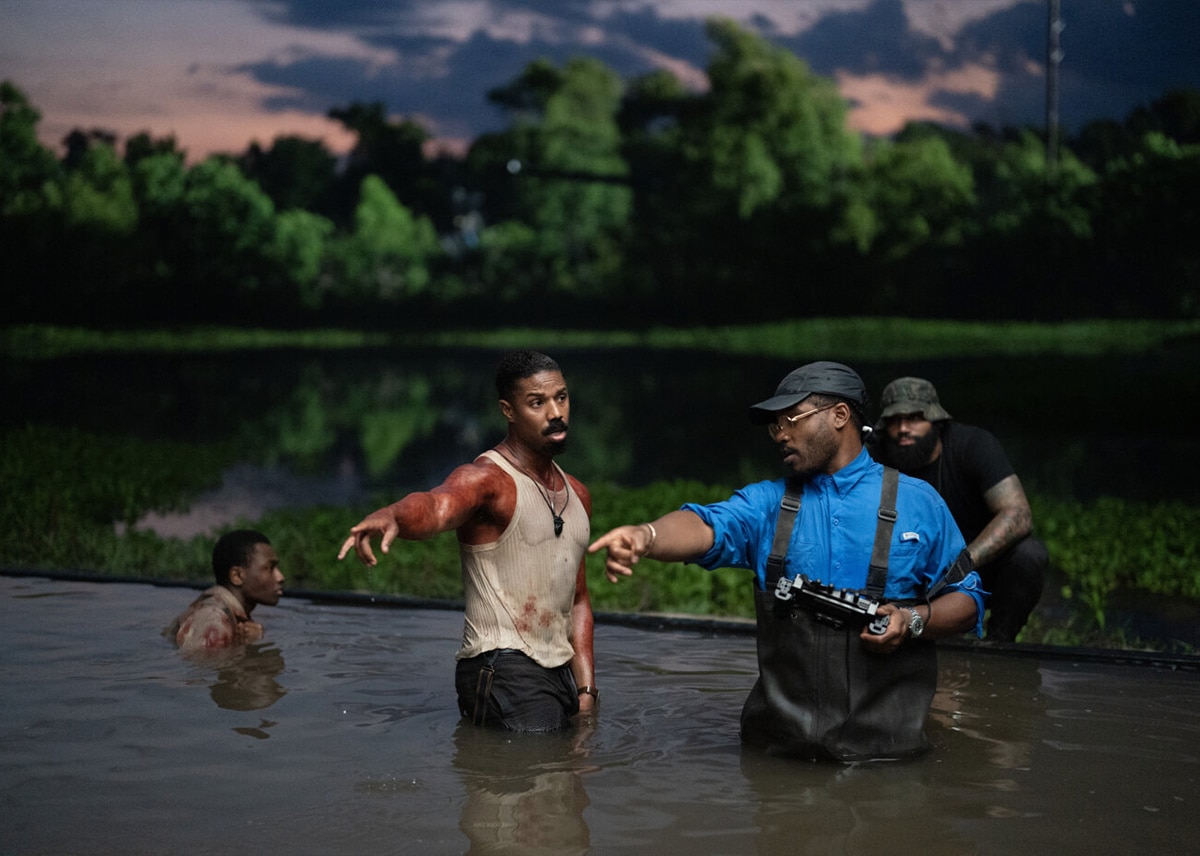
Sinners
A soulful, blues-soaked explosion of music centres this Southern Gothic and slasher horror
