
No facts, only versions
Preface to The Stranger’s Quarters
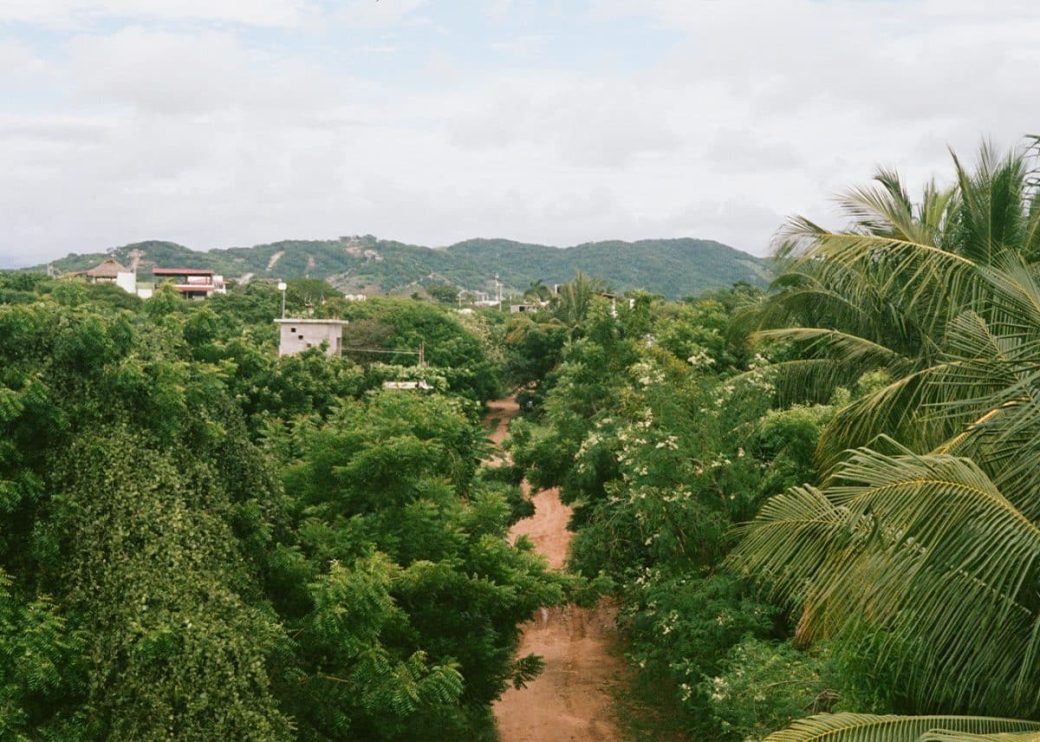
This is a tale of here, and elsewhere. Over the years I’ve been in places that felt similar in atmosphere to the small town where I grew up. Neighbourhoods in the outskirts of New Delhi, in Kampala, Uganda, and on the islands off the west coast of Scotland. Black-and-white painted stone houses with wood gables. Places where you get out of the car to greet older folks with a handshake. Where people think you look like your parents. Somewhere you once belonged, before. A separate existence from this one, here, now. The Victoria in this book is my version of the small West African town where I grew up.
I want to examine a childhood of the 1970s and 1980s. It unfolds outside in the yards, which we called compounds. Compounds are where children of my generation spent most of their time while our mothers tried to keep their front parlours decent. The doors are always open there. There are no television sets. Instead, there are short-wave radios and double cassette tape recorders.
The main characters are oil palm, banana, and rubber plantations, whales, coastal surf boats, nomadic herdsmen, hump-backed Zebu cattle, Senior and Junior Civil .Servants returning from colleges in ‘England’, and German-trained Baptist preachers. Our Aunties, in their shiny black bob wigs, would not have looked out of place on the cover of a late sixties’ edition of Ebony magazine. Our Uncles were clerks, surveyors, cobblers, and blacksmiths. This story takes place in a world which no longer exists and is, nevertheless, real in the way that an inner experience of happiness is both private and unmistakable to the one who feels it. The songs we sang, the language we spoke, the prayers we recited, the theatre we performed, the books we learned to read were real: The croton hedges and daisies in the small front gardens, the green lawn of the churchyard. I felt that world deserved an audience.
The country and my hometown, Victoria, are both still very much there. And yet, this is a story about absence and silence. My parents were in the government. For a time, families from Victoria like ours, dominated pre-independence politics. While my parents knew a lot about what went on, they didn’t like to speak openly to children about political feuds, fatal car crashes, major larceny at the Cocoa Marketing Board, a secret civil war, or attempted coups.
We lived in intergenerational families linked by lifelong friendships and feasts, as well as everyday food. Being a Victorian involved speaking a certain kind of Patwa, well-thumbed English books, hand-embroidered white doilies, beige antimacassars, macrame plant pot holders, black polyester waist-slips, organza-trimmed hats, Silver Cross prams, Girl Guide uniforms, Raleigh bicycles, washing machines, wood-burning stoves, and Morris Minors. Each of those objects had a story. Everything came from ‘England’. All those objects are gone now. For a while, everything came from France. Now most things come from China.
I want to write about the many small intimacies of everyday life in the 1970s and 1980s. The world of my childhood is not completely gone. It exists in sepia toned photographs and in unofficial memories. There were official albums for official trips. The colonial office printed the titles, names, and places, making the information between the pages into accepted historical records. To tell more than the official story, I have had to place contrasting, contradictory versions of the same stories side by side and not push them together into a harmony they resist. Where I haven’t had access to direct knowledge, I’ve looked at the objects people collected, how they were used and how they were spoken about. I have based my research on family papers, personal letters, interviews, genealogies, death notices, fiction films, folklore, dance, and song texts. There are private albums, with unposed photographs in flip-through plastic sleeves, people showing bare arms, bare feet, people eating with their hands.
Time, death, and forgetting are my biggest enemies. The small clinic where I was born is long gone but the oil palm plantation which the clinic served is still there. The plantations are a constant reminder of the hard scrabble jobs, clearing the rows between trees, emptying the cups of rubber milk attached to the trunks, feeding truck beds with orange-brown bunches of oil palm fruit. The largest agricultural employer in the country is Del Monte. My family escaped. The plantations are always waiting to take people from Victoria back.
© Clementine E Burnley

Clementine Ewokolo Burnley
Clementine Ewokolo Burnley is a multilingual author, writer of poems, short stories, and non-fiction works
No facts, only versions
An act of faith
Colin Grant
Searching for Nelsa Lowe
Hannah Lowe
‘I’ problems: some anxieties of autobiography
Nicholas Rankin
Wilderness: In Search of Belonging
Sanjida O’Connell
Phil Okwedy in conversation with Sanjida O’Connell
Phil Okwedy & Sanjida O’Connell

Illuminating, in-depth conversations between writers.
Listen to all episodes
SpotifyApple Podcasts
Amazon Music
YouTube
Other apps

The series that tells the true-life stories of migration to the UK.
Listen to all episodes
SpotifyApple Podcasts
Amazon Music
YouTube
Other apps
Nine writers with migrant backgrounds reveal the secrets of their talismans of migration.
Listen to all episodes
SpotifyApple Podcasts
YouTube

Free Will
Will Harris reads his poem, 'Free Will'. Directed by Matthew Thompson and commissioned by the Adrian Brinkerhoff Poetry Foundation.

Half Written Love Letter
Selina Nwulu reads her poem, 'Half Written Love Letter'. Directed by Matthew Thompson and commissioned by the Adrian Brinkerhoff Poetry Foundation.


On seeing Iran in the news, I want to say
A poet reflects on what it's like to be of Iranian descent and to witness terrible news coming out of Iran.

Sad Song of Plantain poem
'I lie as quiet as death in this ‘three for two pounds’ cardboard box'
Regarding Turner
What does knowing of the revered British artist's investment in chattel slavery mean for his legacy?

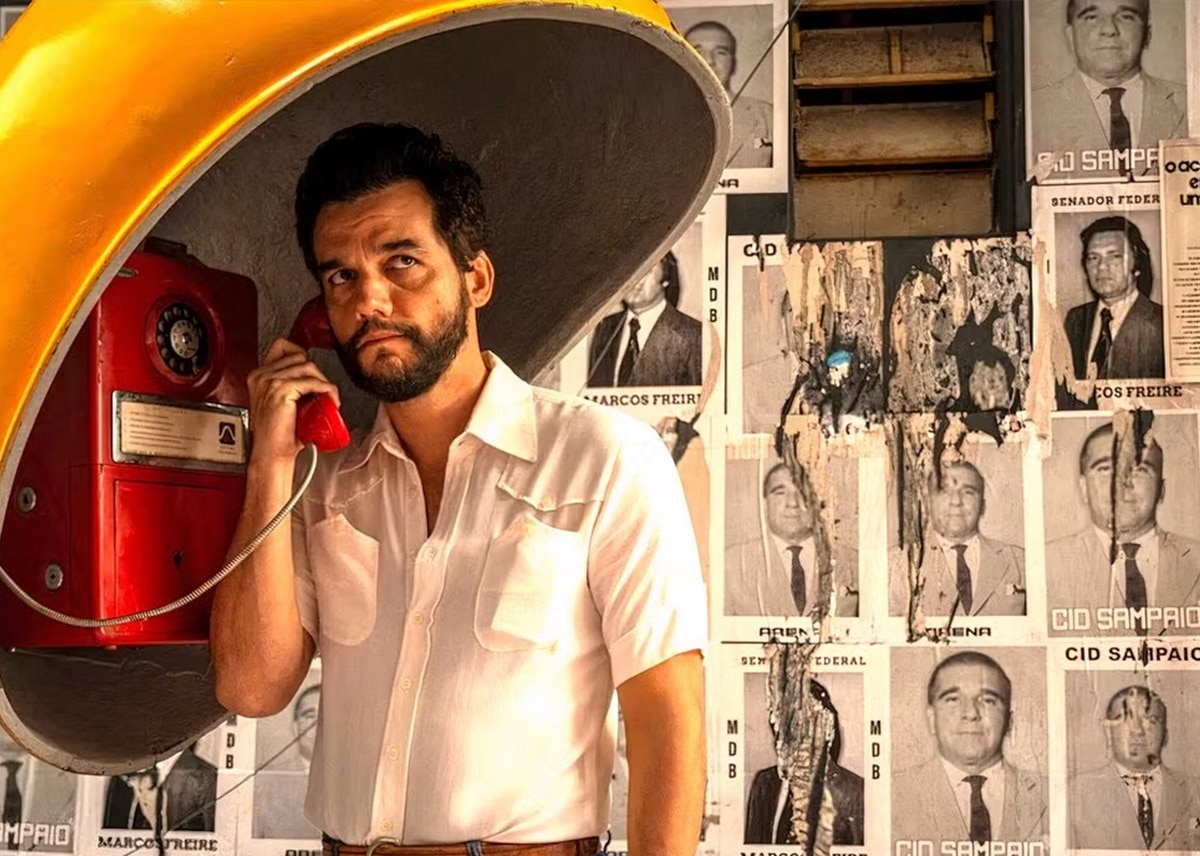
The Secret Agent
A film as much about the contemporary moment as its period setting
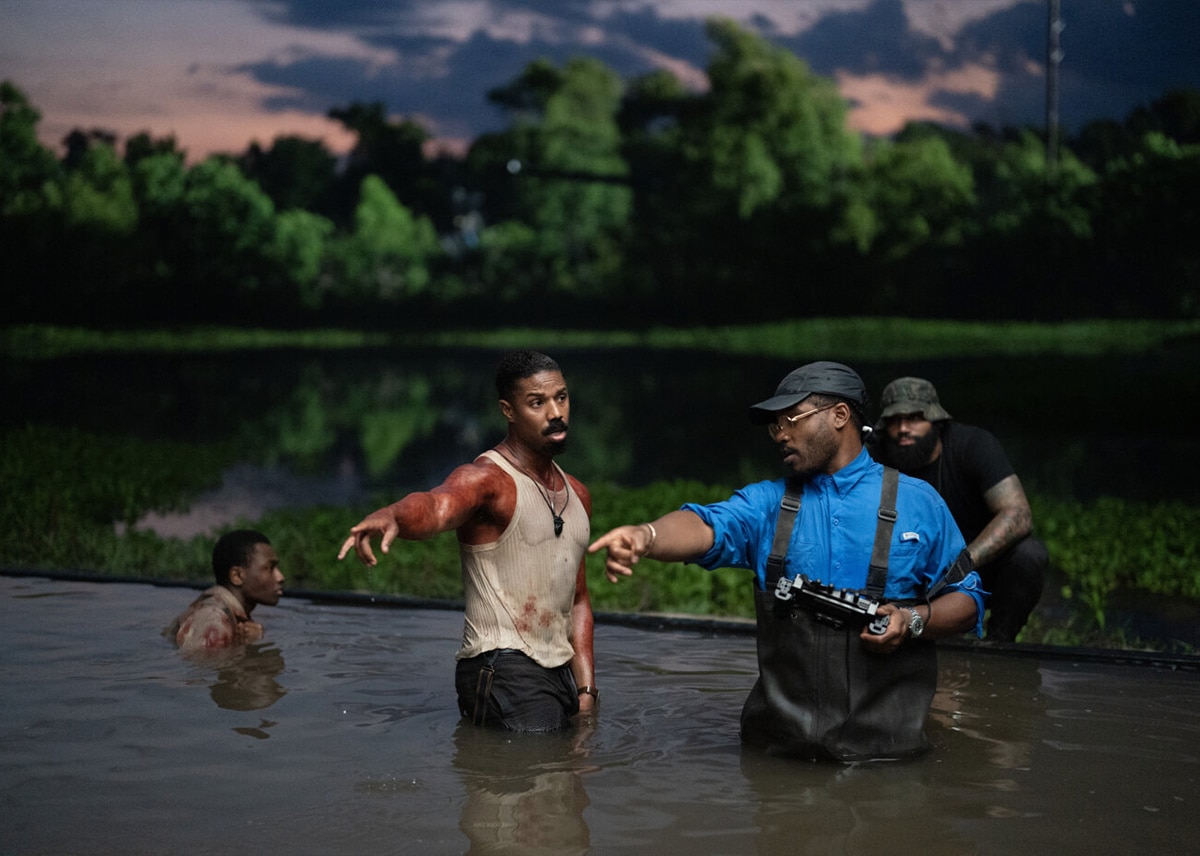
Sinners
A soulful, blues-soaked explosion of music centres this Southern Gothic and slasher horror
