
Dominoes

Phoebe McIntosh
(Penguin, 2024)
Review by Ella Sinclair
In her debut novel, Dominoes, Phoebe McIntosh grapples with seemingly impenetrable questions about history, race, and belonging with deftness. Dominoes is a unique and timely story about the unavoidable traces of our history and what we do in the face of this past; how do we find our place of belonging within it? McIntosh weaves this complex probing into an evocative love story between Layla and Andy, who must figure out how to move forward in the face of their shared histories of British slavery.
Originally a one-woman play performed by McIntosh, Dominoes follows Londoner Layla McKinnon, a mixed-race school teacher, in the lead up to her marriage to Andy, her white fiancée with the same surname; a quirk neither of the couple had initially thought about too deeply. Layla’s rollercoaster begins when Sera, the protagonist’s best friend, sends her Britain’s Forgotten Slave Owners, a documentary detailing the long-lasting legacies of British slavery. Suddenly, Layla and Andy’s shared surname is more than just a peculiarity. It becomes a testing and tangible historical obstacle, threatening to break them apart. Layla is a descendant of the enslaved McKinnon’s, and Andy is the descendant of the former slave-owning McKinnon’s. There is a possibility that Andy’s ancestors enslaved Layla’s back in Jamaica in the nineteenth century.
Layla is sent tumbling down through history, buried under the weight of it all, which she bottles up, handling it entirely alone. Dominoes details Layla’s journey through and out of this web to her eventual decision to still marry Andy – despite her best friend’s vehement disapproval.
McIntosh staccatos the story with snippets of Layla’s past. Each vignette is meaningful, and adds depth to Layla’s inner battle. It’s through this technique that McIntosh thoughtfully contextualises Layla’s journey from naivety to an eventual awakening, where Layla critically understands the history she is part of.
In the early, heady days of the couple’s relationship, the inevitable question ‘Where are you really from?’ bubbles up from the Surrey suburbs at a garden party held for one of Andy’s family members. Later, at their engagement party, another ignorant family member of Andy’s speculates over the lightness of the skin colour of the couple’s future children. Layla shrinks and her affliction is palpable.
After falling for Andy, Layla is subject to questioning from Sera about her dating preferences: ‘Why don’t you ever date black guys?’ she asks Layla, who scrambles to justify her dating history and her budding affection for her new white partner. Fast-forward to the wedding run-up and Sera has become even more resolute, asking how her best friend can marry her ‘oppressor’. Layla is left alone and bereft: ‘She’d told me I wasn’t black enough to be her friend anymore.’
The insecurity Layla feels as a result of the increased scrutiny she suffers in her relationship as a mixed-race woman is poignant; as is her ignorance of her own – and Britain’s – history. McIntosh does not shy away from the complicated. The reader is left with unanswered feelings. These are left unfinished, like the domino pieces Layla tries to piece together of her family history, an endeavour which takes her to Jamaica and eventually leads to her inner resolution, despite not getting the answers she was initially looking for.
However, McIntosh does not leave the reader entirely without any resolution. Through love and support from the powerful Black women in her family, and the unconditional love of her wise Windrush-generation grandad, Layla eventually reaches a point of equanimity with her history; no longer blinded to it, nor fearful of it. Only with knowledge, understanding, and acceptance can Layla move forward; owning her decision to start a new chapter in their family histories by marrying Andy, who is prepared to look head-on into the dark history of his former slave-owning family.
It’s in the figure of Sera that the ambivalence in the meaning of McIntosh’s story – and perhaps her own personal questioning – is evident. Layla and Sera’s relationship is never entirely reconciled. It’s the final domino that never quite makes it to the table.
Dominoes is a vibrant and ambitious exploration of history and belonging, told through lively characters and engaging dialogue. McIntosh makes digestible the complex and tangled themes that are essential musings for any person living amongst the lasting legacies of British slavery.
https://www.penguin.co.uk/books/451875/dominoes-by-mcintosh-phoebe/9781784744892

Ella Sinclair
Ella Sinclair is a writer and researcher whose work covers history, politics, race, and racism, and is broadly committed to social justice.
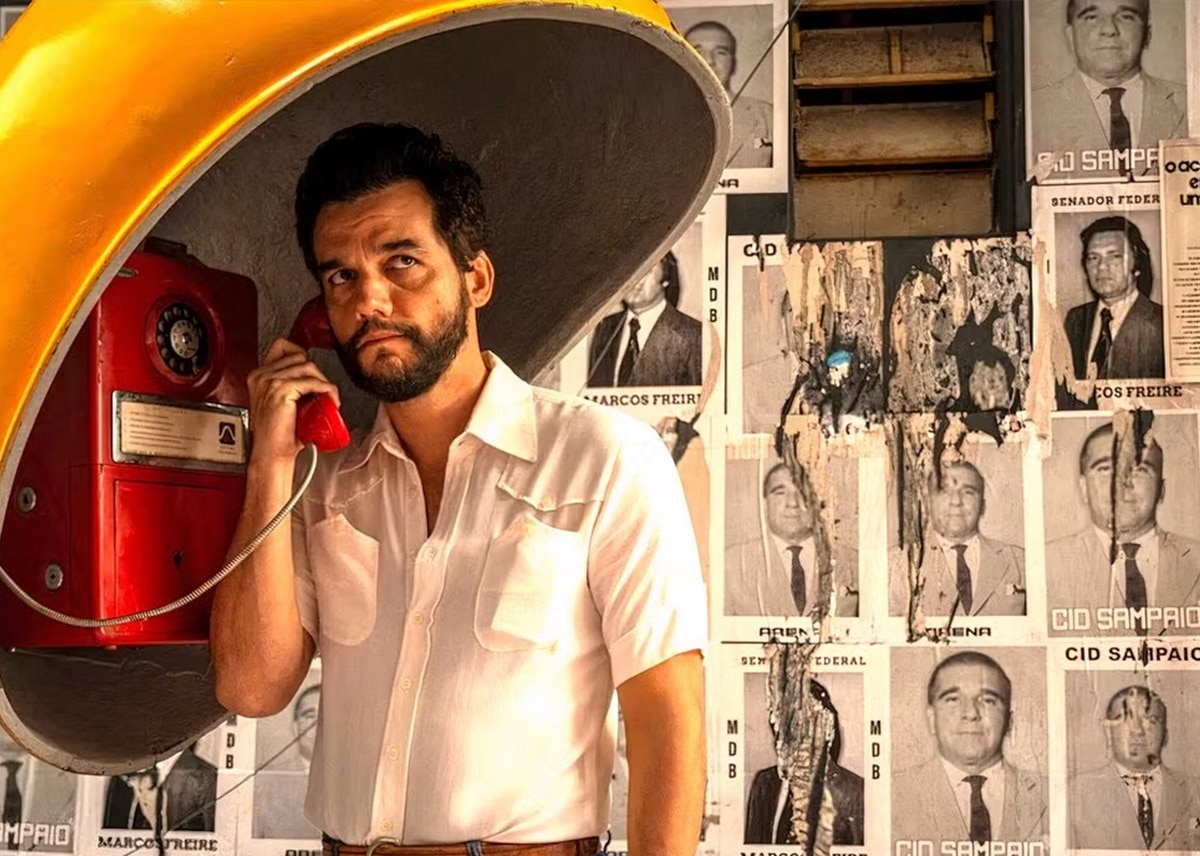
The Secret Agent
A film as much about the contemporary moment as its period setting
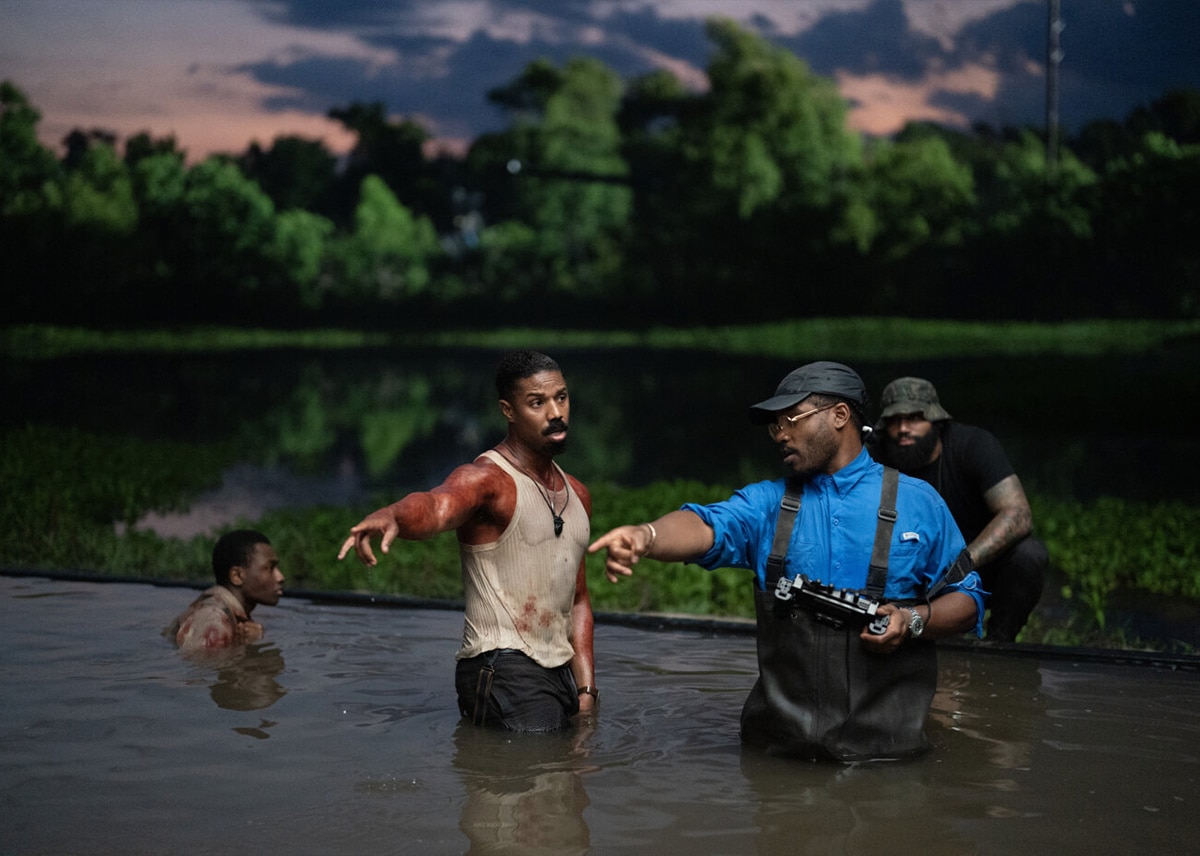
Sinners
A soulful, blues-soaked explosion of music centres this Southern Gothic and slasher horror

Belgrave Road
Big questions about ‘home’ haunt the silences between the star-crossed lovers


On seeing Iran in the news, I want to say
A poet reflects on what it's like to be of Iranian descent and to witness terrible news coming out of Iran.

Sad Song of Plantain poem
'I lie as quiet as death in this ‘three for two pounds’ cardboard box'
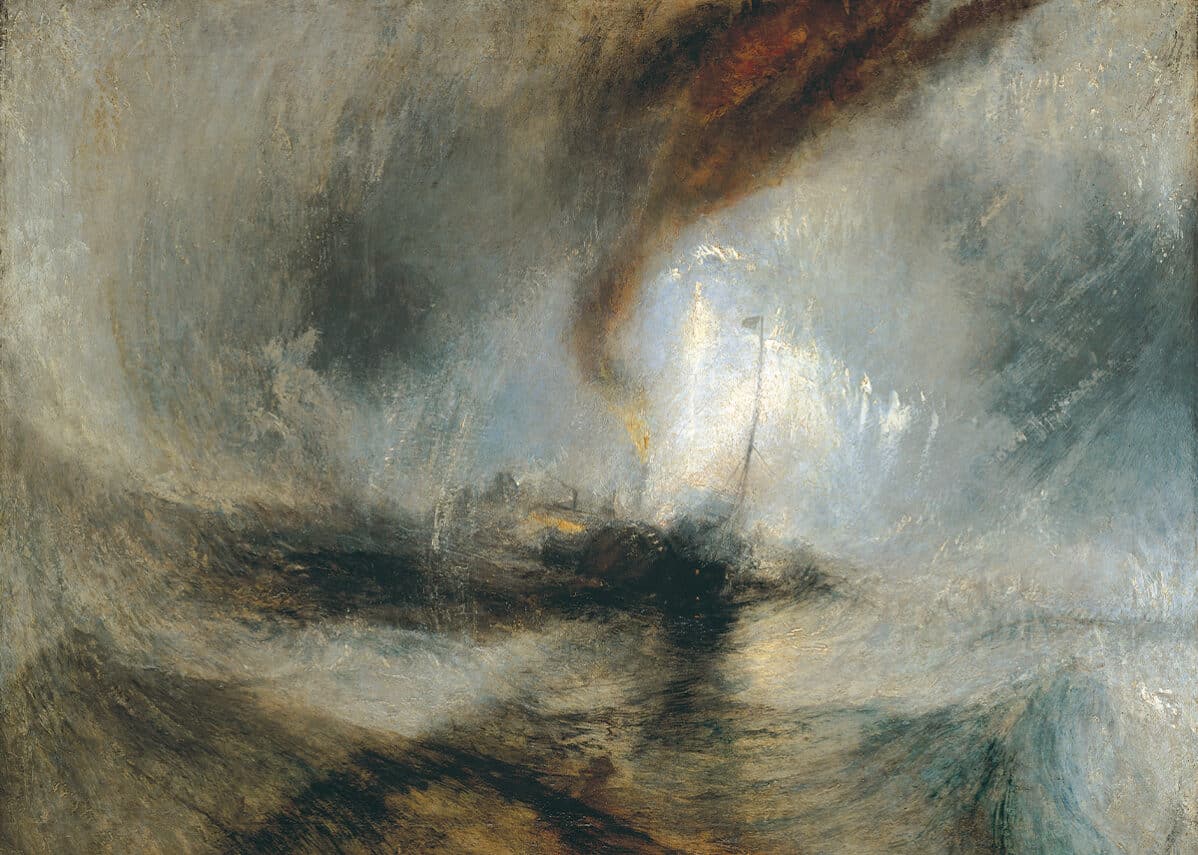
Regarding Turner
What does knowing of the revered British artist's investment in chattel slavery mean for his legacy?
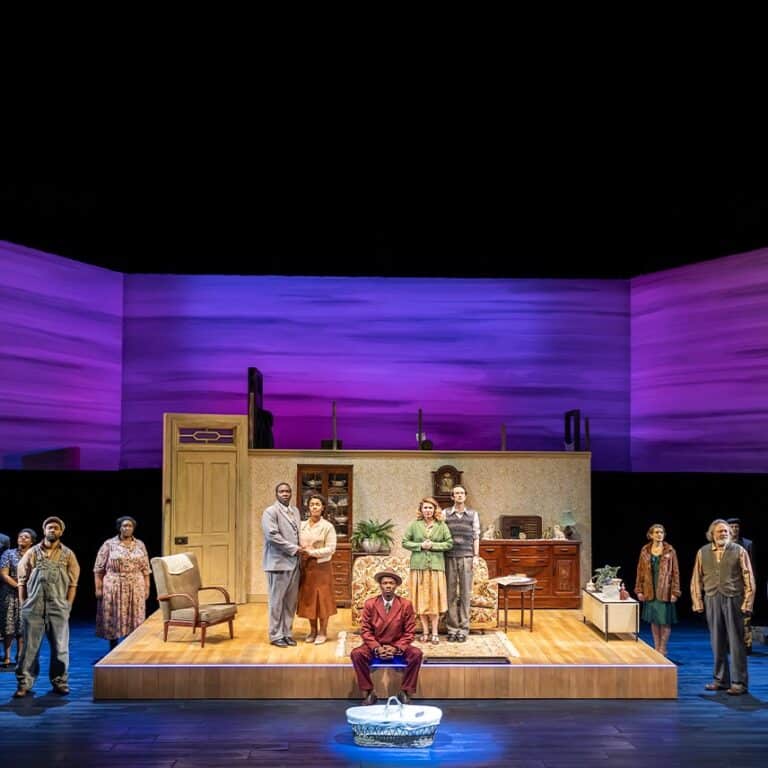

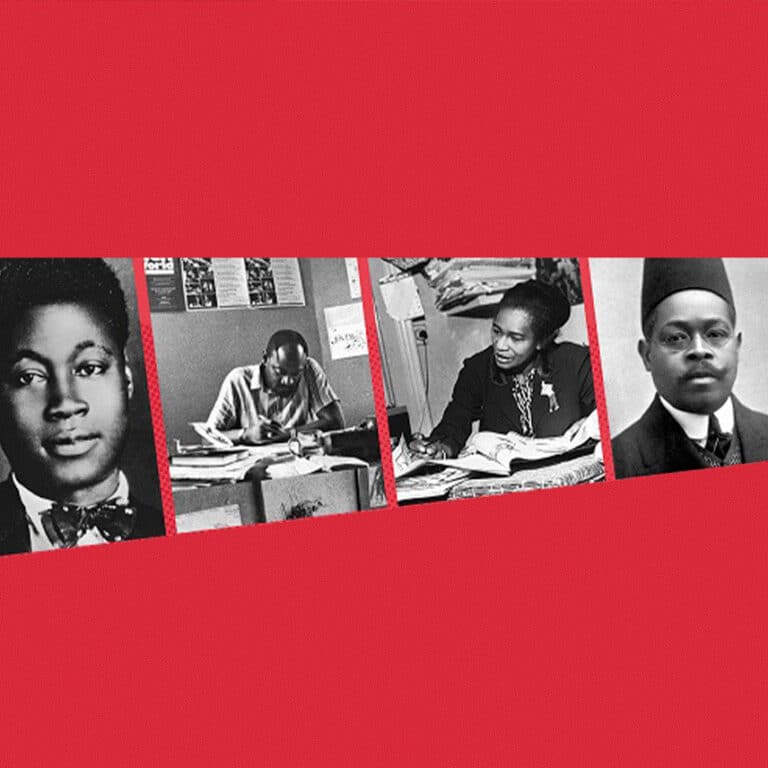

Free Will
Will Harris reads his poem, 'Free Will'. Directed by Matthew Thompson and commissioned by the Adrian Brinkerhoff Poetry Foundation.

Half Written Love Letter
Selina Nwulu reads her poem, 'Half Written Love Letter'. Directed by Matthew Thompson and commissioned by the Adrian Brinkerhoff Poetry Foundation.

Illuminating, in-depth conversations between writers.
Listen to all episodes
SpotifyApple Podcasts
Amazon Music
YouTube
Other apps

The series that tells the true-life stories of migration to the UK.
Listen to all episodes
SpotifyApple Podcasts
Amazon Music
YouTube
Other apps
Nine writers with migrant backgrounds reveal the secrets of their talismans of migration.
Listen to all episodes
SpotifyApple Podcasts
YouTube