
Pluribus

Apple TV, 2025
Review by Nou Ra
Showrunner Vince Gilligan is best known for his seminal TV show Breaking Bad, followed by its critically acclaimed prequel Better Call Saul. However, in the early years of his career, he was a writer on The X-Files, and it’s his sci-fi roots that shine in Pluribus, a show that posits the question: what if we were all happy?
‘Pluribus’ is familiar from the Latin phrase ‘E Pluribus Unum’ (Out of many, one), and is found on the Great Seal of the US. The title is perfectly apt and, to me, the show borders on perfect itself.
As a fan of genre movies, I recognise many of the tropes in Pluribus. An alien signal sent to Earth is received by a group of scientists at a listening station in the desert. The signal has come from the planet Kepler-22B, over 900 light years away. It carries a sequence for an RNA virus that ultimately infects almost the entire population of the Earth with a ‘happiness virus’. With echoes of Philip Kaufman’s Invasion of the Body Snatchers (1978) and Richard Fleischer’s Soylent Green (1973), Pluribus joins the ranks of terrifying things that ‘could happen’, with the infected sharing a single consciousness: a hive mind that allows them to communicate telepathically. Gilligan told Screen Rant: ‘It’s funny trying to think of all the sci-fi tropes that you can think of and trying to mash them into this show, particularly the first episode, and then turn them all subsequently a little bit, you know, askew.’
In Pluribus, Gilligan rejoins forces with Rhea Seehorn (Kim Wexler in Better Call Saul), and her performance as protagonist Carol Sturka is astounding, earning her a first Golden Globe. Sturka is one of only 13 people on the planet who are immune to the ’joining’ (the RNA virus), and she is perfectly imperfect as our heroine. She is an author of ‘speculative historical romance literature’ and clearly hates her work. When a driver who picks her up from a crowded book signing asks her, ‘Should I know who you are?’, she replies, ‘Uh, depends. Are you a big fan of mindless crap?’. Seehorn said she asked Gilligan: ‘Why does she hate her fans so much?’ We talked about it and Vince told me, rightfully so, “She doesn’t hate them, she hates herself.”
Carol Sturka’s relentlessly bad attitude and single-mindedness fuel the first few episodes and let us into her rage. The Apple TV logline for Pluribus reads: ‘The most miserable person on Earth must save the world from happiness.’ This resonates later in the show when Sturka says, ‘I don’t think I’m good at feeling good.’ But those assimilated into the hive mind go to great lengths to appease Carol, constantly chorusing, ‘We just want you to be happy’, rebuilding a whole diner from her youth and even giving her a live grenade when she frivolously asks for one. There is a fractious feeling to it all, with a sense of unreality and manipulation, and scenes of lovebombing – on an individual scale towards Carol and obsequiousness from (almost) everyone on the planet – from the offer of pepper bacon she has raved about since trying it on vacation decades ago, to the hive mind sending her a ‘chaperone’ that looks like her perfect person.
The relentless nature of the hive mind is up for philosophical debate. Do they truly believe that infecting billions of people is in their best interests? Not to mention the huge numbers of people who died during the assimilation. They are creepy; they speak to Carol in unison, as one voice. Their happiness seems forced, mandatory almost. They move as one, with ruthless efficiency, creating montages that are poetically choreographed but beg the question: ‘Are they truly happy?’
The overarching themes – grief, the loss of individualism and identity – are things that seem worth mourning and fighting for. Carol is a believably flawed, fully realised character and is a worthy adversary to these aliens. This post-apocalyptic world is different from any we’ve seen before, as Gilligan says, ‘If you’re living in the world of the walking dead, you know you damn well don’t want to be a zombie. I really wanted the difference with this show to be to give people the opportunity to argue over it. Would this actually be so bad in some sense? Could it not be paradise? And that’s completely up to the individual viewers of Pluribus to decide for themselves.’ What would you choose: the seemingly blissful hive mind or your own individuality?
We tried to keep this as spoiler-free as possible because we just want you to be happy.
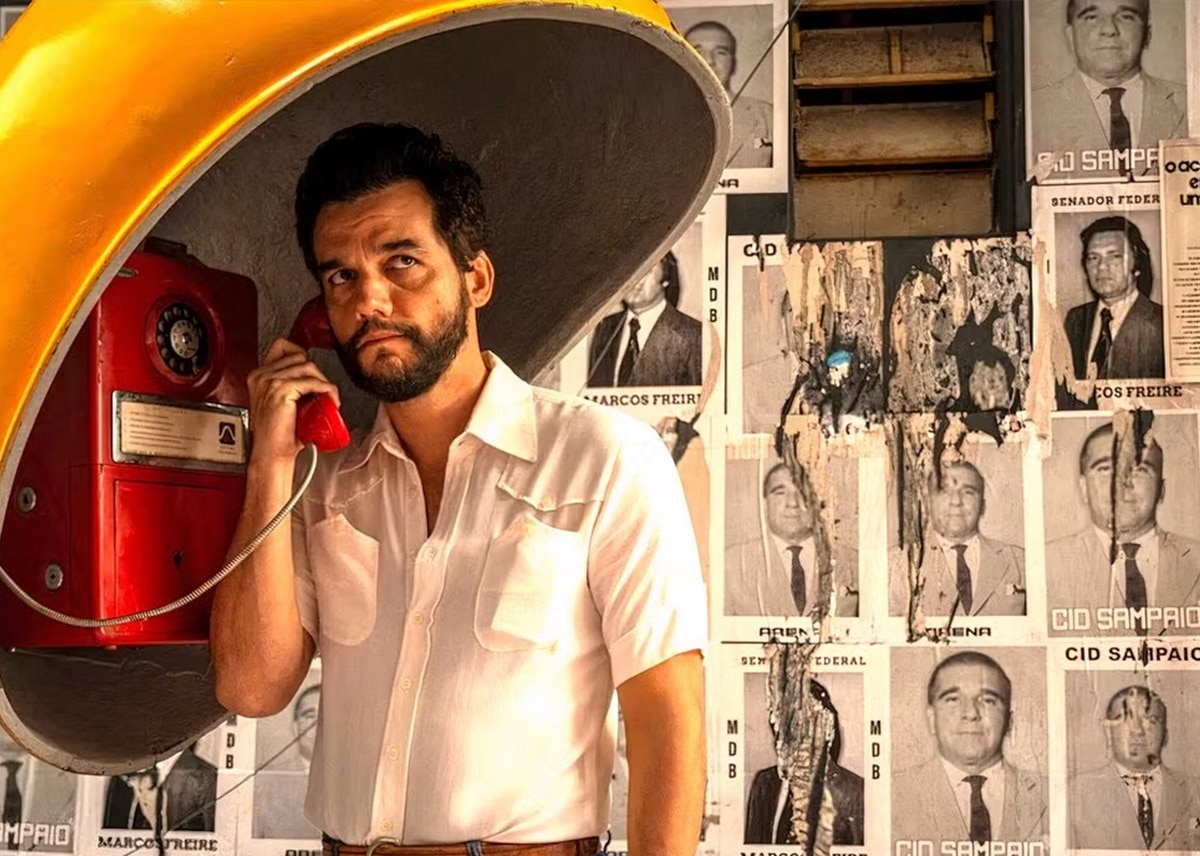
The Secret Agent
A film as much about the contemporary moment as its period setting
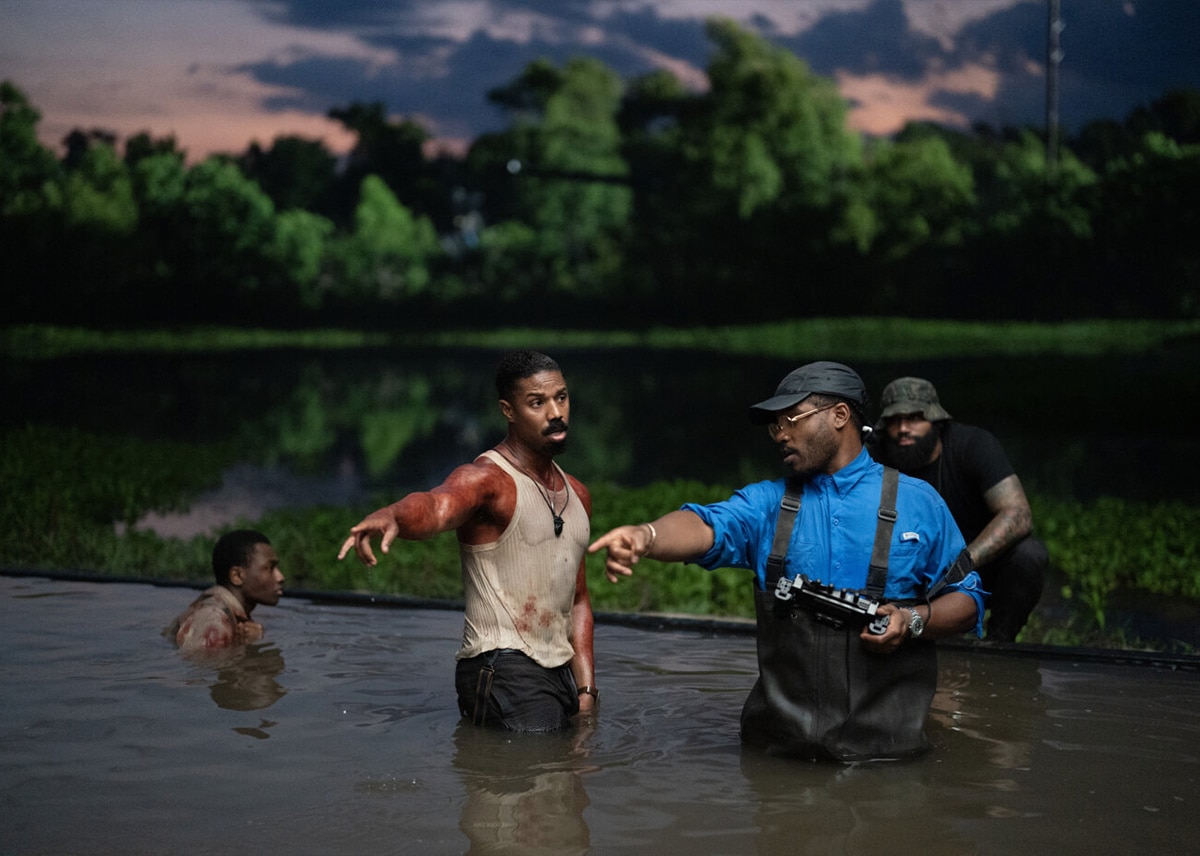
Sinners
A soulful, blues-soaked explosion of music centres this Southern Gothic and slasher horror

Belgrave Road
Big questions about ‘home’ haunt the silences between the star-crossed lovers


On seeing Iran in the news, I want to say
A poet reflects on what it's like to be of Iranian descent and to witness terrible news coming out of Iran.

Sad Song of Plantain poem
'I lie as quiet as death in this ‘three for two pounds’ cardboard box'
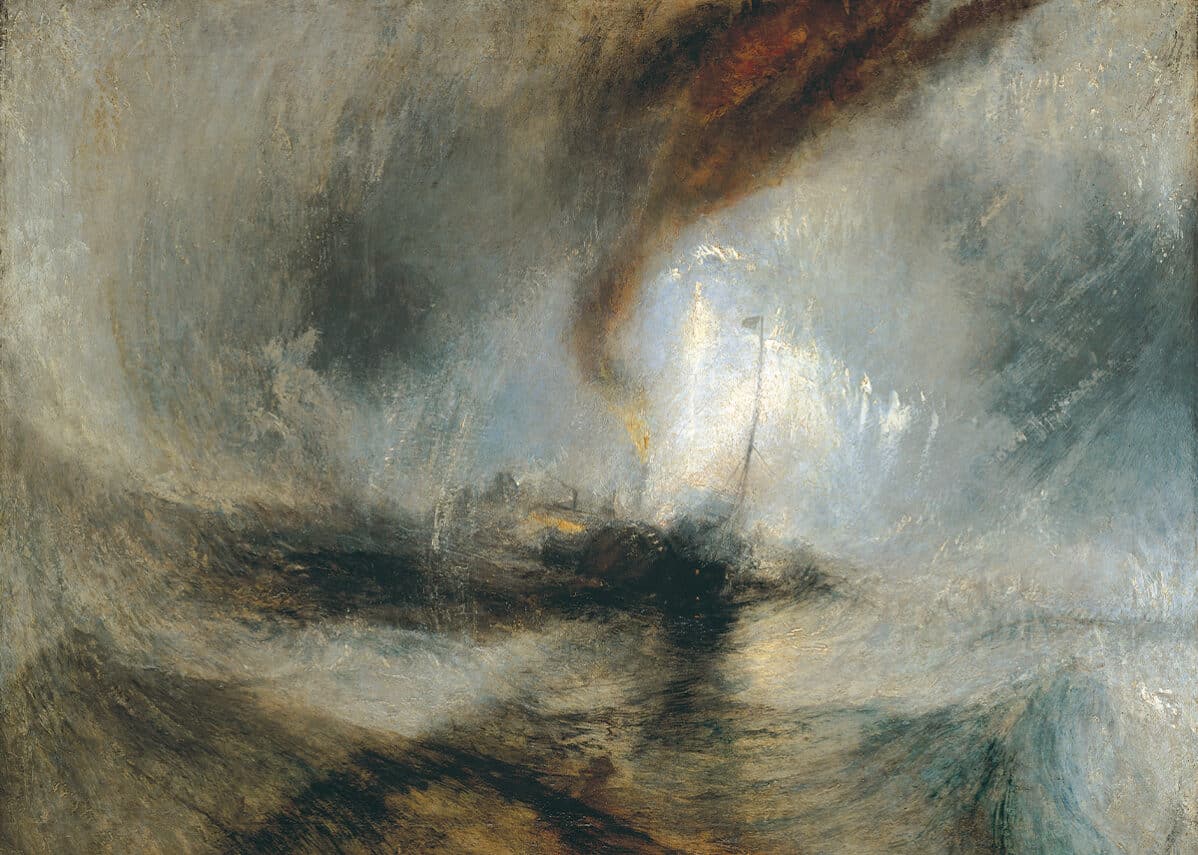
Regarding Turner
What does knowing of the revered British artist's investment in chattel slavery mean for his legacy?
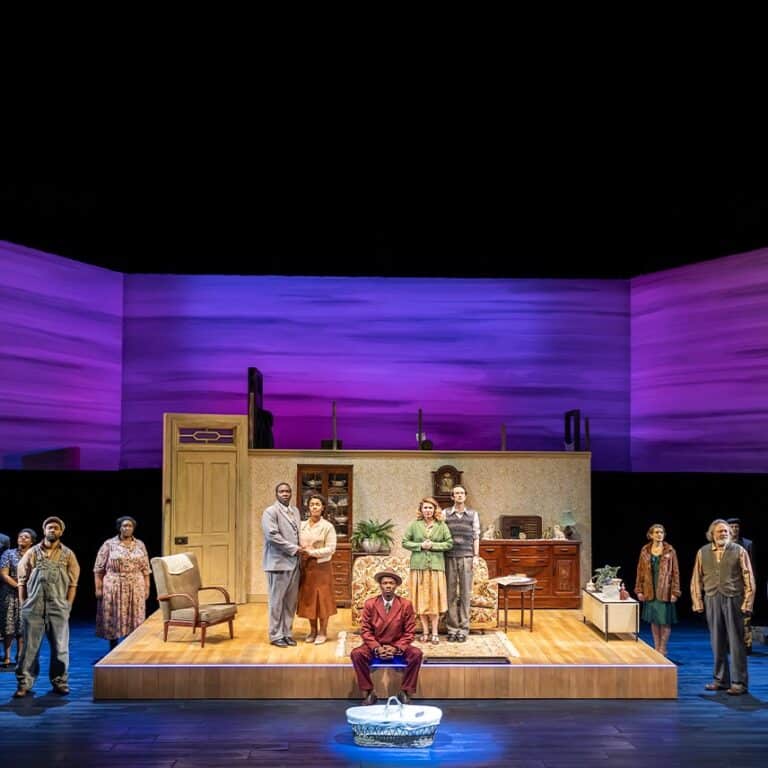


Free Will
Will Harris reads his poem, 'Free Will'. Directed by Matthew Thompson and commissioned by the Adrian Brinkerhoff Poetry Foundation.

Half Written Love Letter
Selina Nwulu reads her poem, 'Half Written Love Letter'. Directed by Matthew Thompson and commissioned by the Adrian Brinkerhoff Poetry Foundation.

Illuminating, in-depth conversations between writers.
Listen to all episodes
SpotifyApple Podcasts
Amazon Music
YouTube
Other apps

The series that tells the true-life stories of migration to the UK.
Listen to all episodes
SpotifyApple Podcasts
Amazon Music
YouTube
Other apps
Nine writers with migrant backgrounds reveal the secrets of their talismans of migration.
Listen to all episodes
SpotifyApple Podcasts
YouTube