
Sentimental Value

Directed by Joachim Trier, 2025
After hailing The Worst Person in the World (2021) as one of the best films I’d watched in 2025, I delighted in knowing that filmmaker Joachim Trier and actress Renate Reinsve had joined in artistry once again, and I positioned Sentimental Value (2025) at the top of my watchlist. From the opening, audiences are submerged in a tone that feels archetypical of Trier’s works: a meditational stillness held in place by a web of interpersonal relationships and the effect of time. But, of course, this isn’t without a focus most quintessential to Trier’s films: the ode to Oslo.
In Sentimental Value, the illumination of Oslo’s charm is delicately captured through backdrops of architecture, historical landmarks and atmospheric shifts, all of which contribute to the intimacy between time and place, reverberating through narrative and structure. Nostalgia saturates the screen as we become voyeurs in the lives of Gustav Borg and his daughters, Nora and Agnes. Their family home is steeped in history and framed in the film through multiple lenses of time, spanning from 1918 to 2023. This notion of the evolution of the home, its structural walls encapsulating a myriad of generations and presence, feeds into the anthropomorphism of the home. It becomes immediately clear that estrangement, distance and tension are not only themes projected onto the house itself, but an integral part of the Borg family dynamic. These profoundly introspective notions colour the film, allowing audiences to reflect on what really becomes of painful transitions and who is left to pick up the pieces. In many ways, Nora (Renate Reinsve) answers this question through her hyper-independence, avoidant behaviours and protectiveness towards her younger sister Agnes (Inga Ibsdotter Lilleaas). When Nora and Agnes discuss the trials of their childhood, Nora questions how Agnes managed to maintain stability in her adult life despite it all. Agnes reminds Nora of her role in her childhood experience: ‘There’s one major difference in the way we grew up — I had you.’ Nora is a classic case of ‘Eldest Daughter Syndrome’, a concept Alfred Adler described in his Birth Order Theory in the early 1900s, suggesting that the eldest daughter is often burdened with an expectation to mother, protect and assume greater responsibility than her siblings.
The most remarkable relationship, and dominating storyline, is the push and pull between Nora and her renowned filmmaker father, Gustav (Stellan Skarsgård), a man whose presence and absence have a distinct effect on Nora, guiding her decision to approach him with apprehension and hostility. Gustav’s remorse, trauma, and contemplations regarding his fatherhood and his own upbringing manifest as defensiveness, alcoholism, and stoicism. Gustav leaves spaces between inscrutable micro-expressions, melancholic brooding, and olive branches, to allow Nora to come back to him. Audiences are left unsure of whether he will succeed, as Nora, steadfast and self-governed, seems firm in her sceptical impression of her father. Upon the discovery of Gustav’s devastating childhood, it is evident that intergenerational trauma is at play, evoking deep empathy and providing context for his choices, but not an excuse.
Sentimental Value highlights the cyclical nature of history and grief. Through visual echoes, Trier reflects how dysfunction and pain, when left unhealed or unconfronted, can splinter into both your professional life and personal identity. Nora, who resides in isolation and in periodic alienation from her sister, is devoted to her work as a stage actor despite the debilitating onset of stage fright. On stage, the audience can see all of her, and all forced repression is liable to release — a plausible trigger for Nora, whose unresolved familial challenges permeate her life off stage. Nora’s career thrives on vulnerability and authenticity, sentiments that mirror the work her father is trying to capture in his latest film. Insisting that he has written this film for his daughter, Gustav attempts to demonstrate his understanding of her and reinstate their connection in the only way he knows how. In vehemently rejecting any involvement in her father’s film, an internal battle between forgiveness, reluctance and consequence begins to unfurl in Nora. Through this narrative, Trier masterfully positions mercy as the catalyst to healing intergenerational wounds and relationships.
The silent magic of Sentimental Value lies within the transmutation of pain into art. It suggests that to heal, we must not only face ourselves and each other, but our callings also. Skarsgård and Reinsve convey this with a subtle gravitas, showcasing the quiet courage required to rebuild.

Amy Jackson
Amy Jackson is a London-based writer, specialising in editorial, screenwriting and script editing.
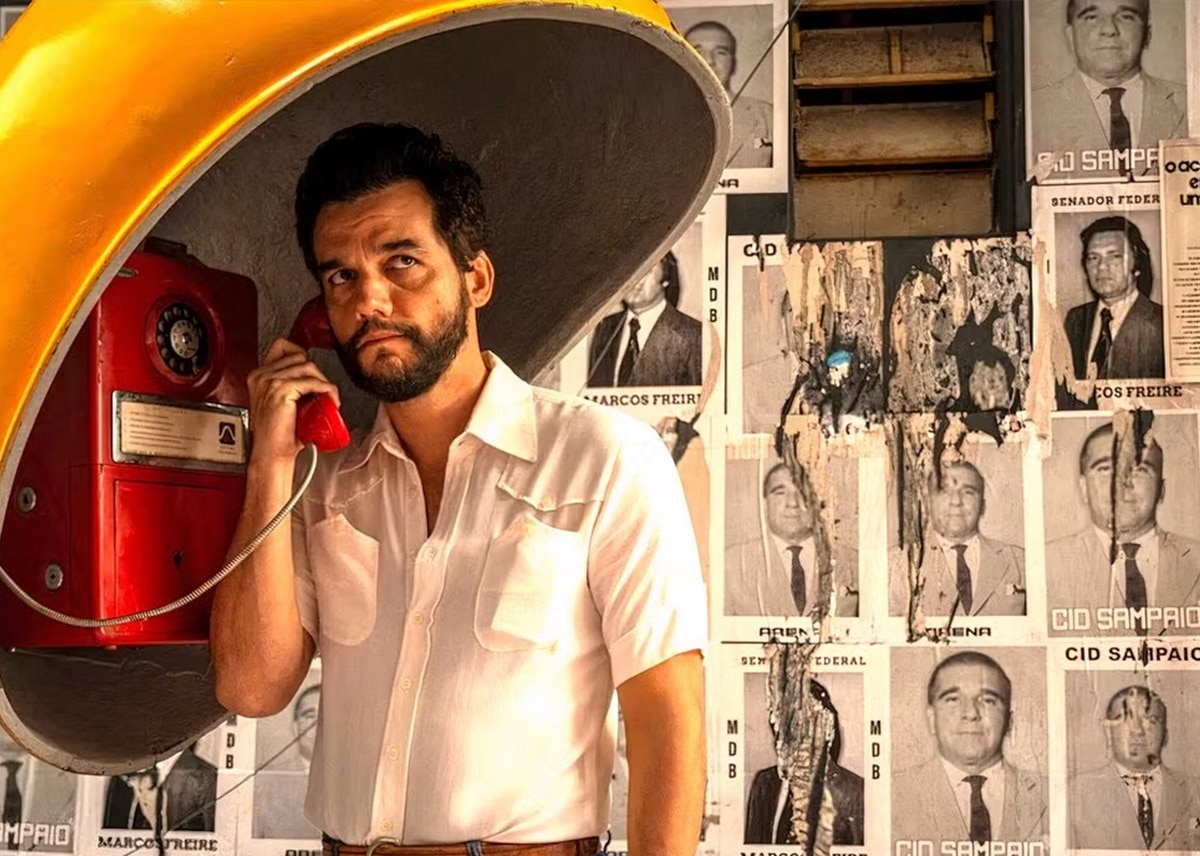
The Secret Agent
A film as much about the contemporary moment as its period setting

Sinners
A soulful, blues-soaked explosion of music centres this Southern Gothic and slasher horror

Belgrave Road
Big questions about ‘home’ haunt the silences between the star-crossed lovers



On seeing Iran in the news, I want to say
A poet reflects on what it's like to be of Iranian descent and to witness terrible news coming out of Iran.

Sad Song of Plantain poem
'I lie as quiet as death in this ‘three for two pounds’ cardboard box'
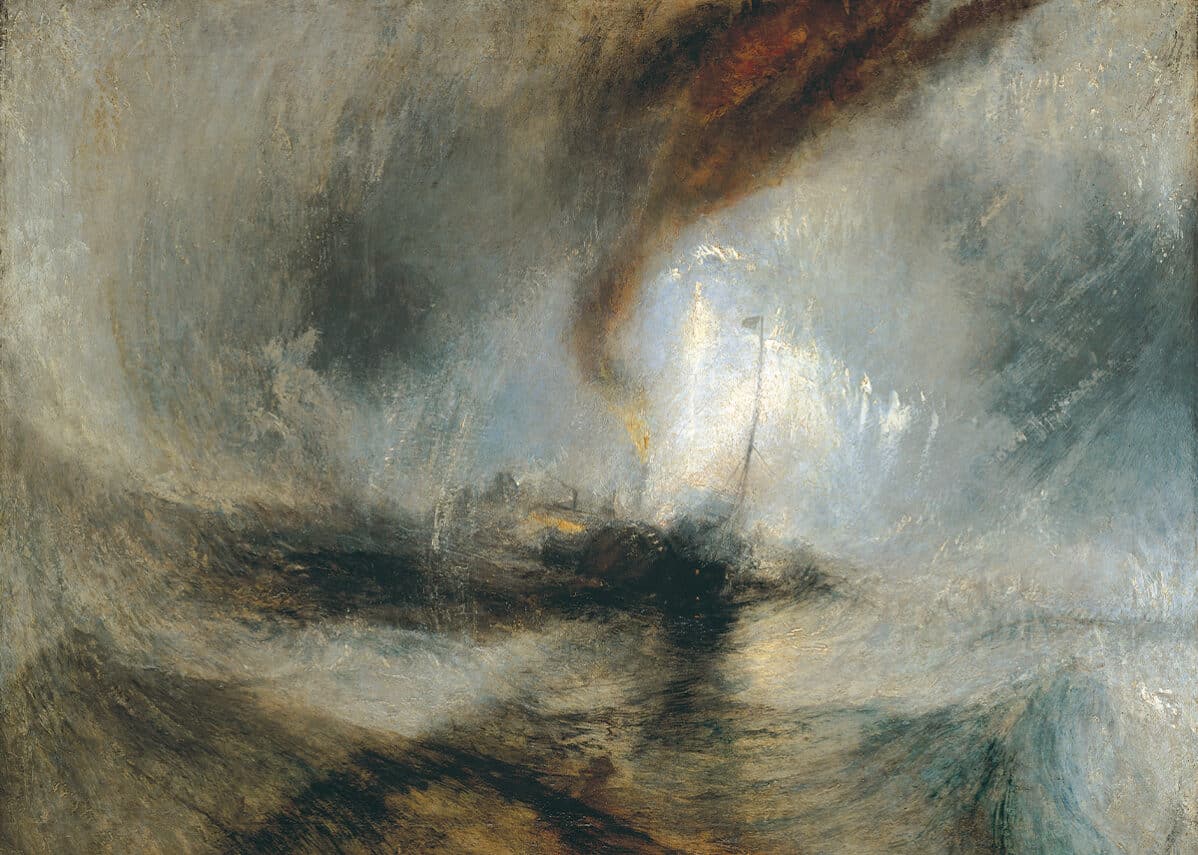
Regarding Turner
What does knowing of the revered British artist's investment in chattel slavery mean for his legacy?


Free Will
Will Harris reads his poem, 'Free Will'. Directed by Matthew Thompson and commissioned by the Adrian Brinkerhoff Poetry Foundation.

Half Written Love Letter
Selina Nwulu reads her poem, 'Half Written Love Letter'. Directed by Matthew Thompson and commissioned by the Adrian Brinkerhoff Poetry Foundation.

Illuminating, in-depth conversations between writers.
Listen to all episodes
SpotifyApple Podcasts
Amazon Music
YouTube
Other apps

The series that tells the true-life stories of migration to the UK.
Listen to all episodes
SpotifyApple Podcasts
Amazon Music
YouTube
Other apps
Nine writers with migrant backgrounds reveal the secrets of their talismans of migration.
Listen to all episodes
SpotifyApple Podcasts
YouTube