
A Hero

Directed by Asghar Farhadi
Review by Shara Atashi
The main life-giving mechanism in the Iranian film A Hero is suspense, strengthened by the captivating performances of the cast. But there isn’t any cinematic feature that can justify the Grand Prix the film received at the Cannes Festival in 2021.
Rahim, a divorced father, is imprisoned for not repaying a loan. His girlfriend finds a handbag with seventeen gold coins in it and together, they try to sell them to cover part of Rahim’s debt. However, for his conscience’s sake, Rahim decides to find the owner of the handbag and seemingly succeeds. Rahim becomes an overnight hero. A charity raises money to cover a portion of his debt but his creditor stubbornly declines the money. And soon a rumour circulates on social media that the whole thing is a lie. Rahim cannot find the owner of the gold and is left without any proof of his gesture.
Farhadi seems to have been inspired by Dostoevsky’s The Idiot: an honest man in a certain moment of his life enters the arena to show that good prevails over evil, honesty over personal advantage. And although everyone can see that such a nature is sublime and beautiful, the majority of people seem to believe that it is not desirable. Farhadi’s hero wins by remaining true to his good nature. The film’s main purpose, however, is to criticise social media.
Iranians have criticised Farhadi for what they see as hypocrisy. Their reproaches increased last summer after Farhadi defended himself –ironically, on Instagram – claiming that his only purpose was to make good films, and that he despised his critics.
During the production of A Hero, a real-life champion, the wrestler Navid Afkari, was tortured and executed by the Islamic Republic. While Farhadi was filming in a shop belonging to Afkari’s uncle, the wrestler’s brother Saeed asked the director to let his camera catch a poster of Afkari on the shop wall. Farhadi declined.
Saeed subsequently tweeted: ‘If only you wouldn’t proclaim that with your work you wish to awaken people, when you turn your camera away from today’s truths. Your awakening is a lie, a lie.’ Saeed and others retweeted a message from Mahbubeh Ramezani, whose son, Pejman Gholipour, was murdered during the protests of November 2019: ‘Mr Farhadi, the social media are not the enemies of us people. In times of oppression, by which you are obviously not affected, they are the only voice for the oppressed.’
Farhadi has often complained that he, too, is oppressed by the Islamic Republic. But how could he depict such a liberal prison in his film when the horrors in Iranian prisons are common knowledge? Videos leaked to the BBC and other media show how prisoners are beaten, harm themselves or try to take their own lives. And these are not the political prisoners, who are regularly tortured.
At Cannes, Farhadi posed for a photo with his daughter; her hair was barely covered. Yet women who have been condemned by the Islamic Republic for ‘improper’ hijabs are often brutally punished and sentenced to long prison terms.
Artists have used many methods to get their work past state censorship without betraying human values. Dostoevsky spent the best ten years of his life in prison, hard labour and internal exile. After being released, he disguised his criticism of society in religious costume to mislead the Orthodox church, his major censor. He never lied. Garcia Marquez drove round in a bullet-proof car because he acted as a mediator between heads of states and drug cartels to reduce suffering in Latin America. He never lied.
Art is not a deceitful luxury. It is a commitment.
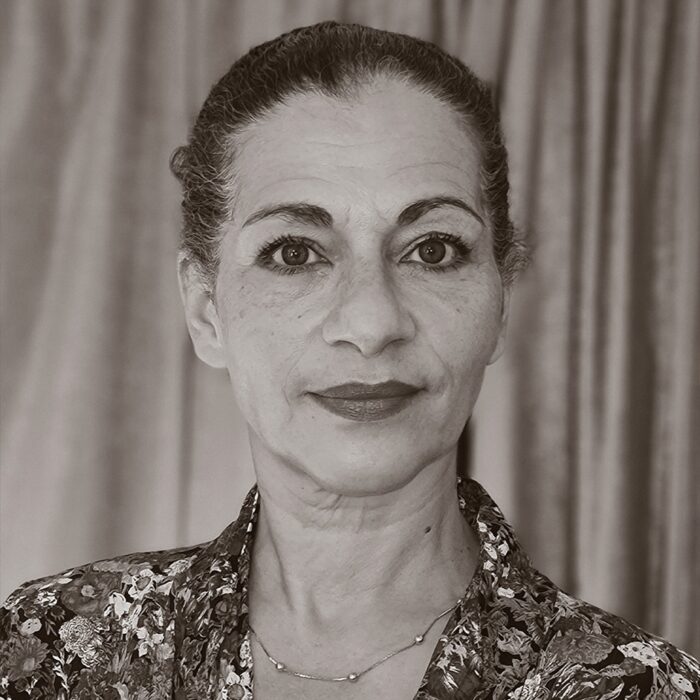
Shara Atashi
Shara Atashi is an Iranian-born writer and translator now living in Aberwystwyth, Wales.
WritersMosaic monthly
Get new reviews in your inbox
One email monthly, unsubscribe anytime
Haunting the Black Air
Poetic freedom across space and time
The Disappearers
A sprawling visceral experience that drops you in head first
The Lady Imam
Is the world ready to catch up with amina wadud?

It’s being published I get paid for; the writing I would do for free
‘Any advance [...] for your novel is to compensate you for the horrors of being published'
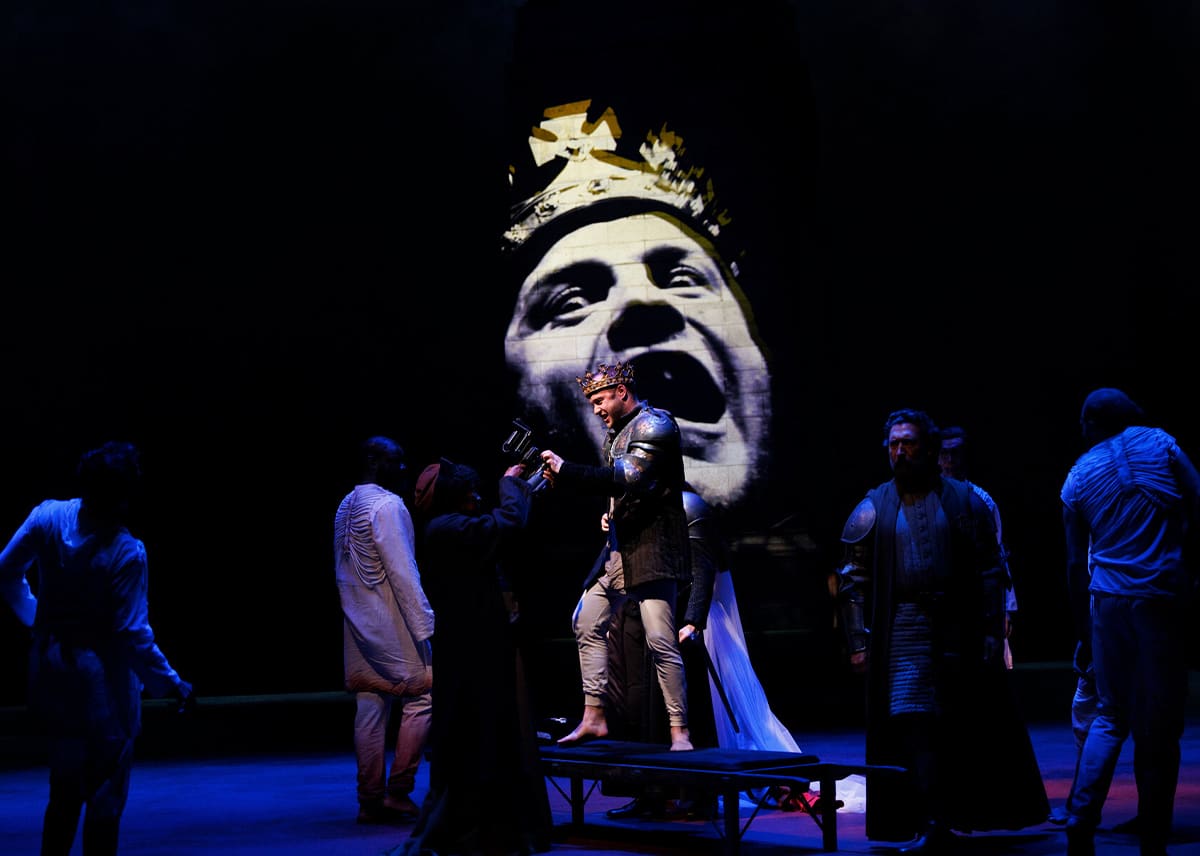
Complex antihero: an interview with Arthur Hughes
Unravelling Authur Hughes' Richard III
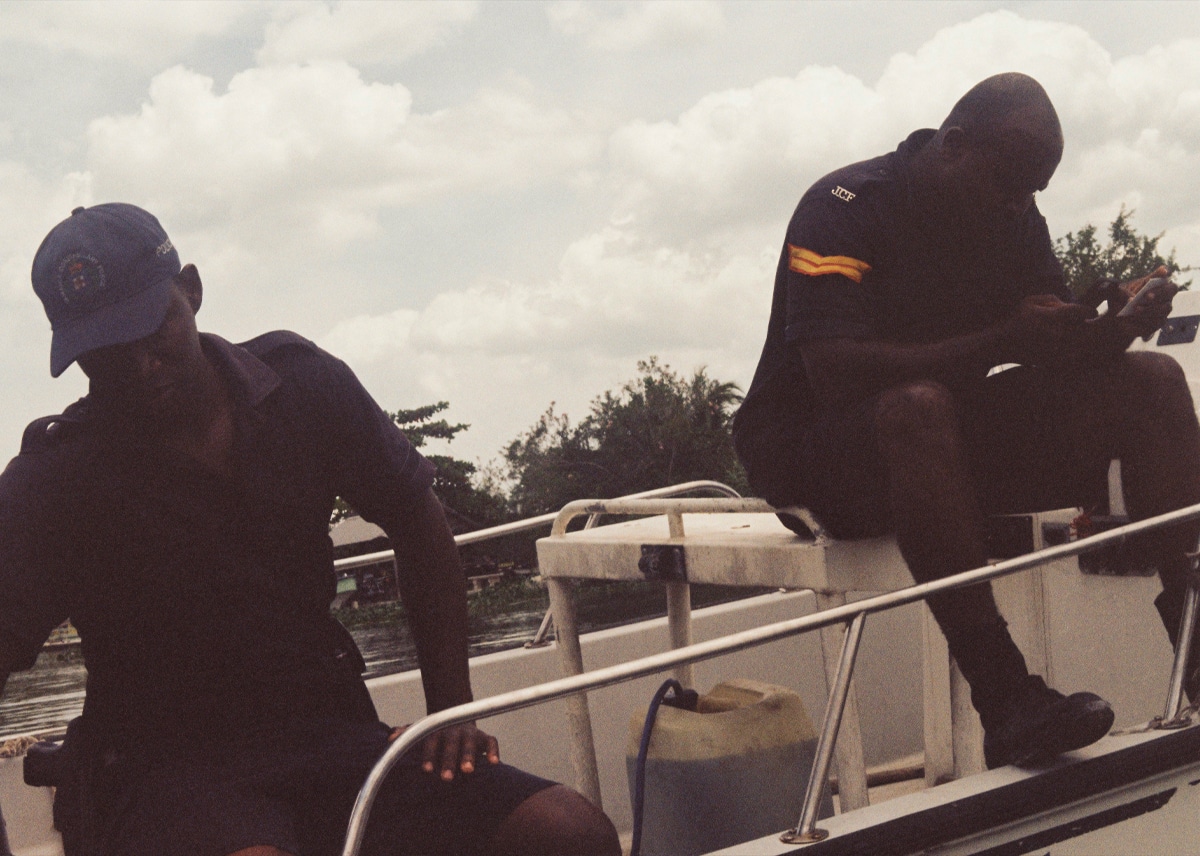
Marlon James: a Jamaican reckoning
'A return to a home I barely knew'


Illuminating, in-depth conversations between writers.
Listen to all episodes
SpotifyApple Podcasts
Amazon Music
YouTube
Other apps

The series that tells the true-life stories of migration to the UK.
Listen to all episodes
SpotifyApple Podcasts
Amazon Music
YouTube
Other apps
WritersMosaic interrogates the notion of ‘staying in your lane’ by asking writers how they attempt to think beyond the parameters of their cultural identity.
Listen to all episodes
SpotifyApple Podcasts
YouTube