
The Lady Imam
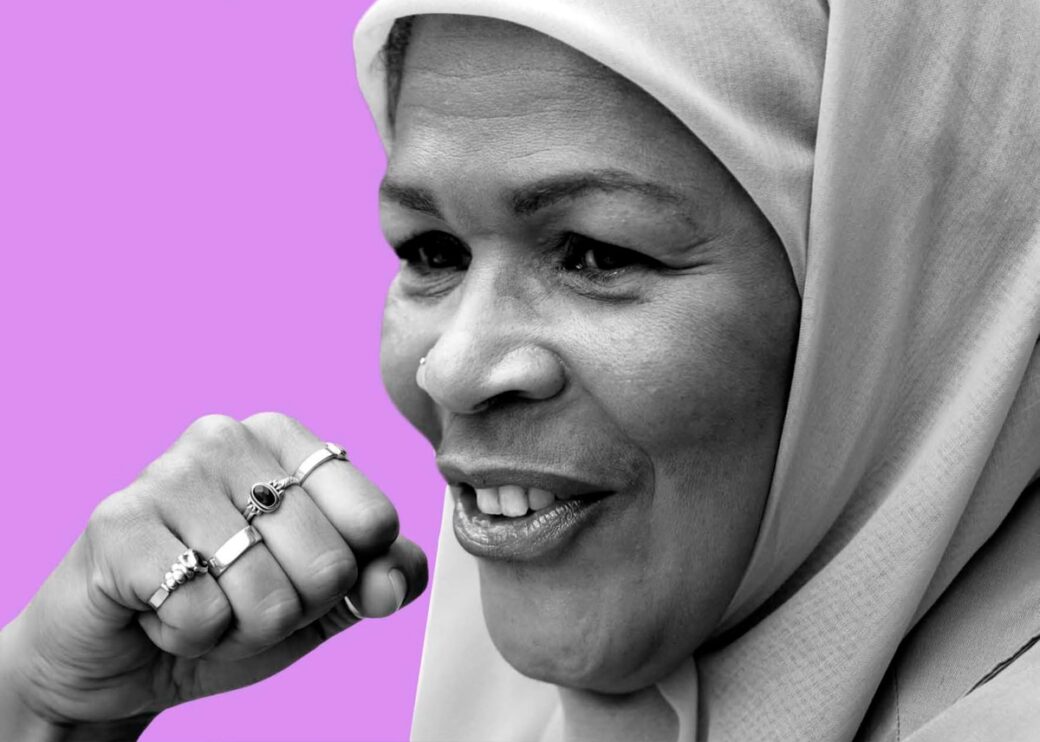
The Lady Imam: How amina wadud’s Life and Faith Changed the World
Carla Power
One World, 2026
Carla Power’s latest book is The Lady Imam, a biography of Islamic scholar and activist amina wadud, published by One World. Power is a journalist and author whose work includes If the Oceans Were Ink, a finalist for both the Pulitzer and the National Book Award, and Home, Land, Security, a finalist for the Pulitzer Prize. As a student of Islam, Power was familiar with Dr wadud’s work and admired her ideas about feminism and Islam, but it was when Power saw ‘The Lady Imam’, as wadud is also known, speak live before an audience of Malaysian Muslim women in 2009 that she knew she had the subject for her next book. She introduced herself to Dr wadud, and the conversation that followed is what makes this biography so touching. This is a rich and gripping biography supported by extensive research and interviews with a view to ensuring amina wadud’s place in the history of the United States and in the annals of Islamic Studies. Yet Power presents us with an everywoman too.
amina wadud’s life is like a modern day Odyssey, from an African-American household in Maryland to the ivy covered buildings of the University of Pennsylvania, to Libya, to a PhD programme in Michigan, to Egypt and Malaysia and back to New York City, all the while looking for home through the God of the Qur’an. Born Mary Teasley in Baltimore on the eve of the civil rights movement to a Methodist minister and his reluctant wife, as a child Mary experienced homelessness and extreme poverty. Her sister died after a botched abortion. Her mother, in despair, abandoned the family, and then returned. Mary was bright and witty and as a teenager was invited to leave her home and her family to attend a better secondary school far away. Her mother let her go. Power writes with compassion about Mary’s mixture of gratitude for and sorrow about those years.
Mary converts to Islam as a student after an accidental visit to a mosque and changes her name to amina wadud. She recognises herself in the Qur’an story of the young mother Hajar. Power begins her biography with a version of this story: after being abandoned in the desert with her baby, Hajar runs up and down sand dunes, searching and calling for help. Only when she is too exhausted to continue does she find water. Hajar eventually becomes the founder of Mecca, the greatest pilgrimage site in the world.
amina wadud became a global news item in 2005 when she became ‘The Lady Imam’, the first woman to lead both men and women in a Friday public prayer at the Synod House of the Cathedral of St. John the Divine in New York City. Although amina wadud led a classic prayer, it generated outrage among Islamic scholars and leaders, ‘spilling over from mosques and madrasses into the arena of geopolitics’. The Assembly of Muslim Jurists of America called the service a ‘heresy’. Power notes how many male scholars interpreted ‘the wadud prayer as an American plot to undermine Muslim solidarity.’ On the other hand, novelist and scholar Michael Muhammad Knight declared the day was ‘the birth of a new Islam,’ that, in his words, ‘destroyed impossibility.’
Thirteen years earlier, wadud had published Qur’an and Woman, challenging centuries of religious interpretation about women and their role in Islam. It is credited as one of the founding pillars for Muslim feminists and remains popular with young women throughout the Muslim world. Yet for all her scholarship and influence, Power notes that Dr wadud is not even a tenured professor today. There is no chair in an institution for her to continue her work. She is sidelined by academia, except for invitations to speak here and there. She lives in a small rented house in Java, Indonesia. Her fate, Power explains, has not only affected amina wadud’s health, but has had a ‘chilling effect on graduate students planning to go into Islamic studies.’
Why this erasure of amina wadud? There are obvious questions about a society that marginalises one of its brightest and most original scholars. But Power also notes the fragility of wadud after decades on the front lines, both in public and at home. Like the story of Ibrahim’s slave Hajar in the Qur’an, left alone in the desert with her baby and without water, wadud, a twice-divorced mother of five, spent her life ‘trying to find a way when there was none.’ The world did catch up with Hajar. It is time to let it catch up with amina wadud.
WritersMosaic monthly
Get new reviews in your inbox
One email monthly, unsubscribe anytime
The Disappearers
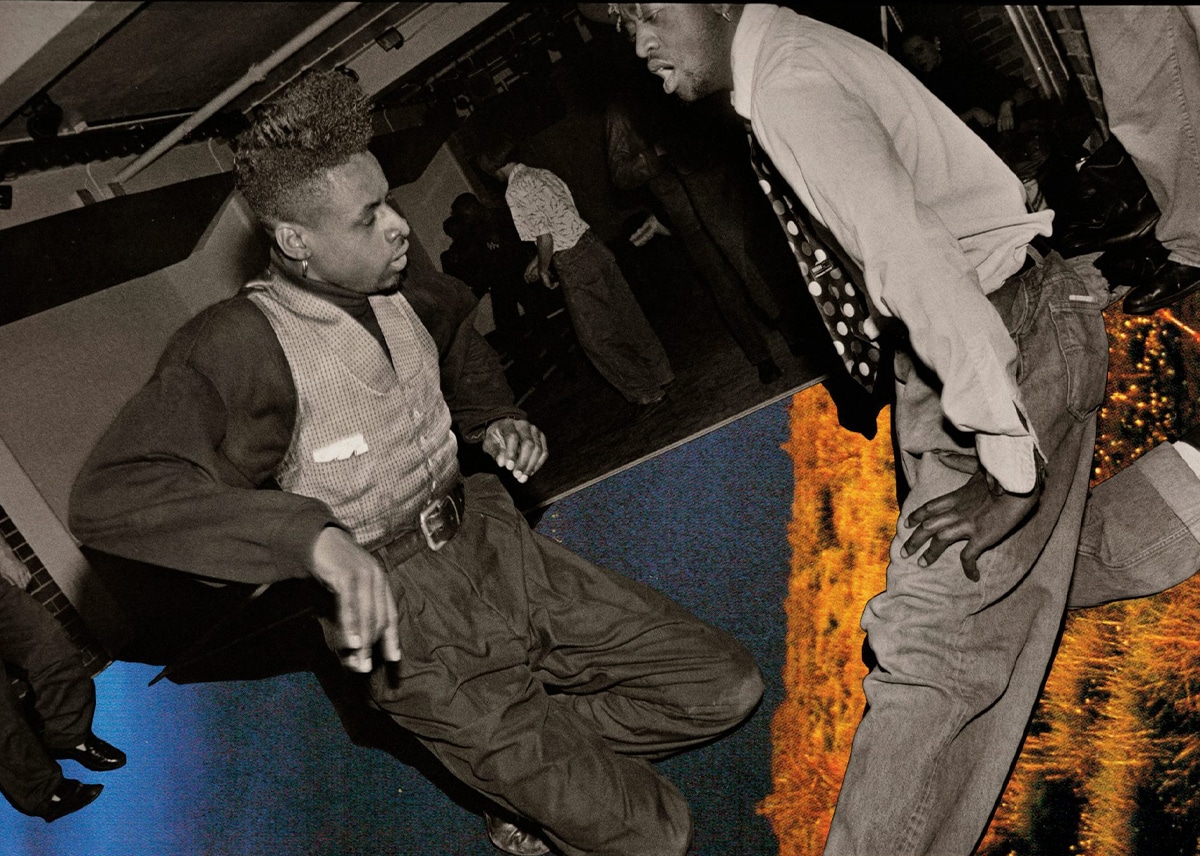
A sprawling visceral experience that drops you in head first
A Trial
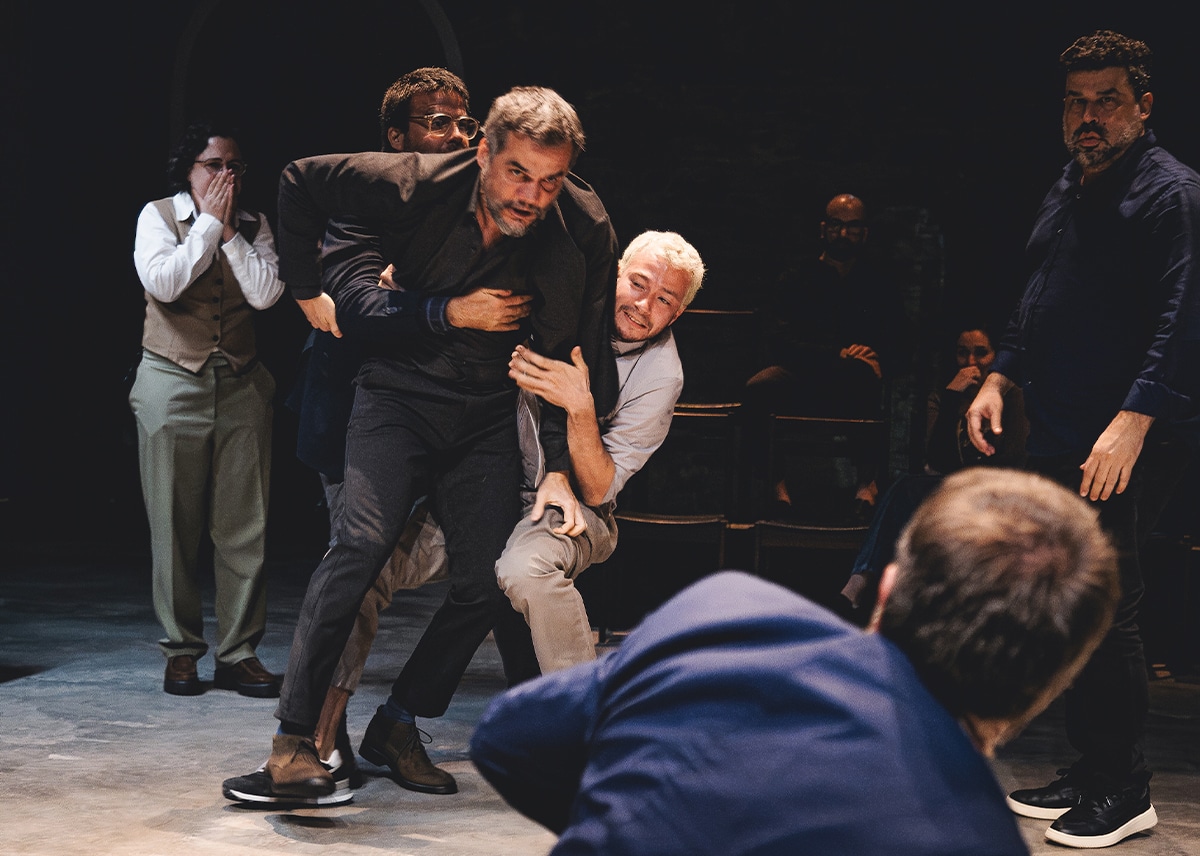
An examination of theatre’s complicity in post-truth politics
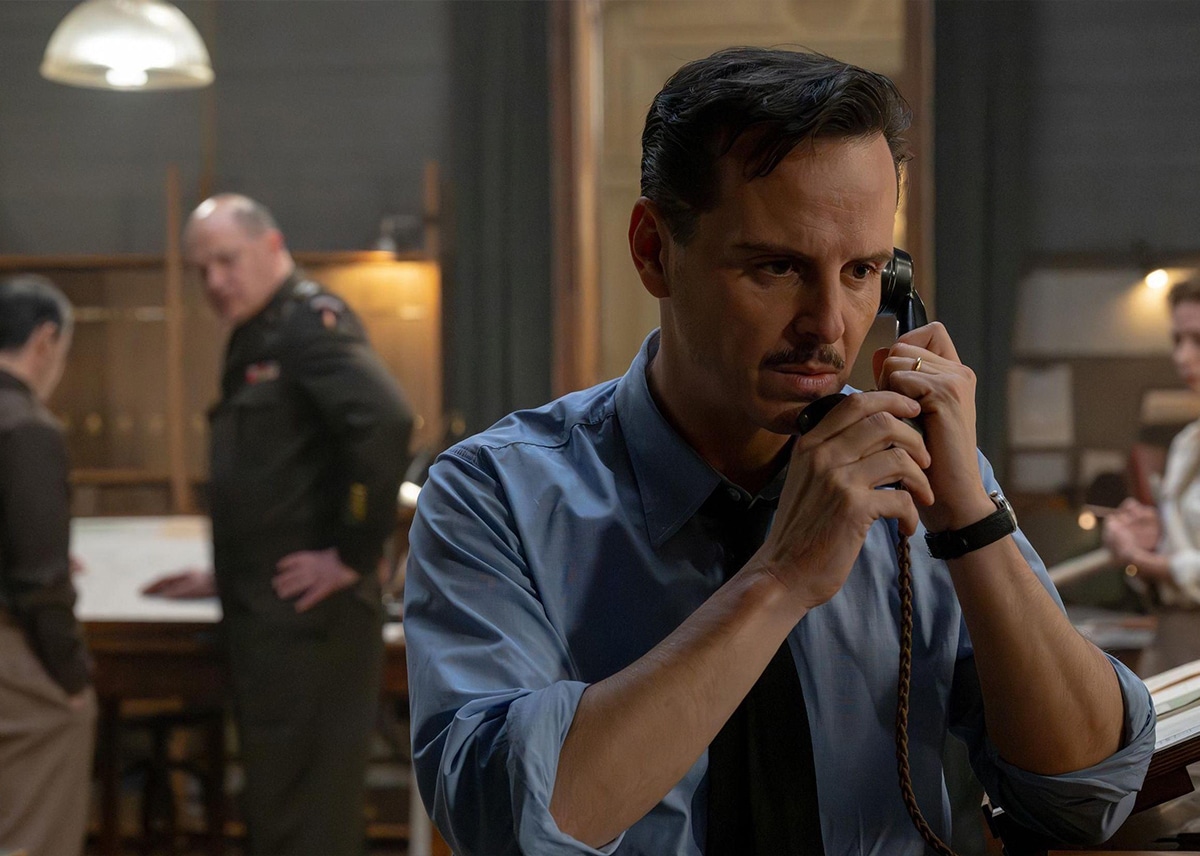
Pressure
What's missing from the latest 'untold story behind D-Day'?

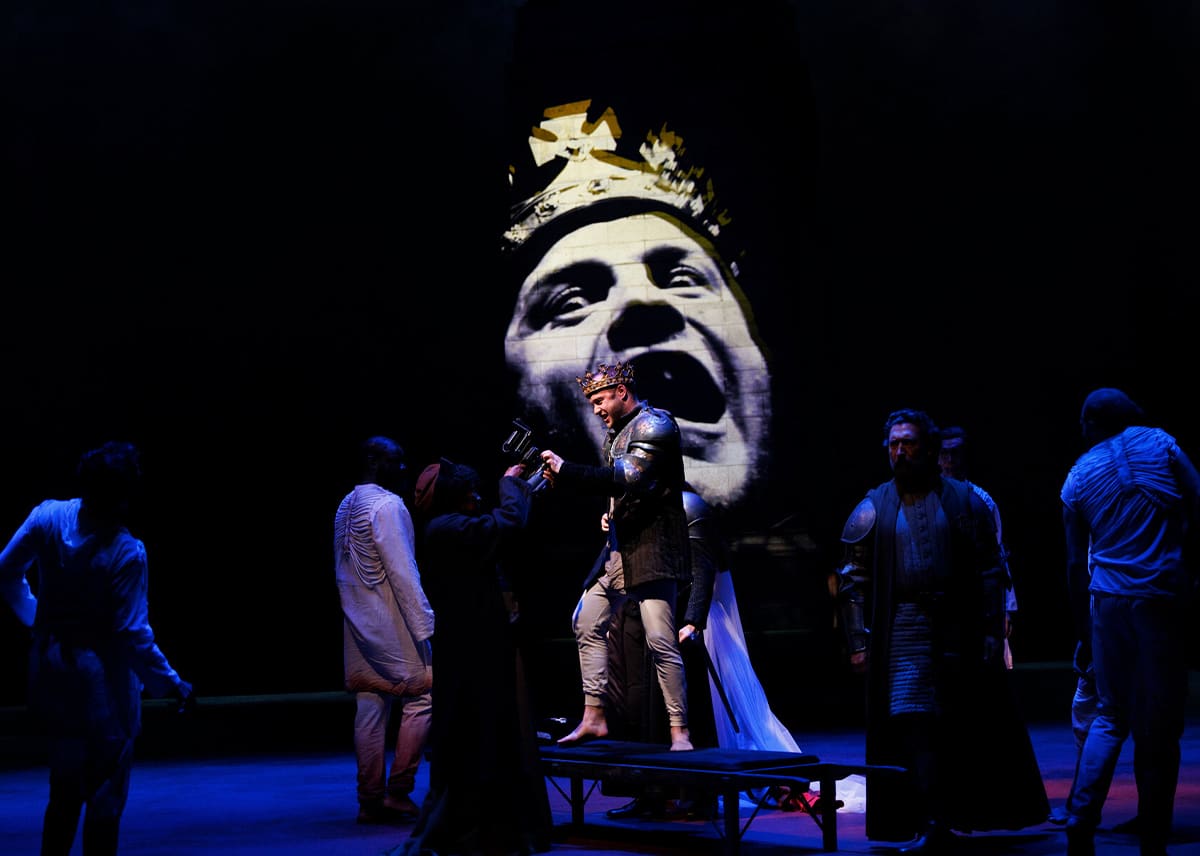
Complex antihero: an interview with Arthur Hughes
Unravelling Authur Hughes' Richard III
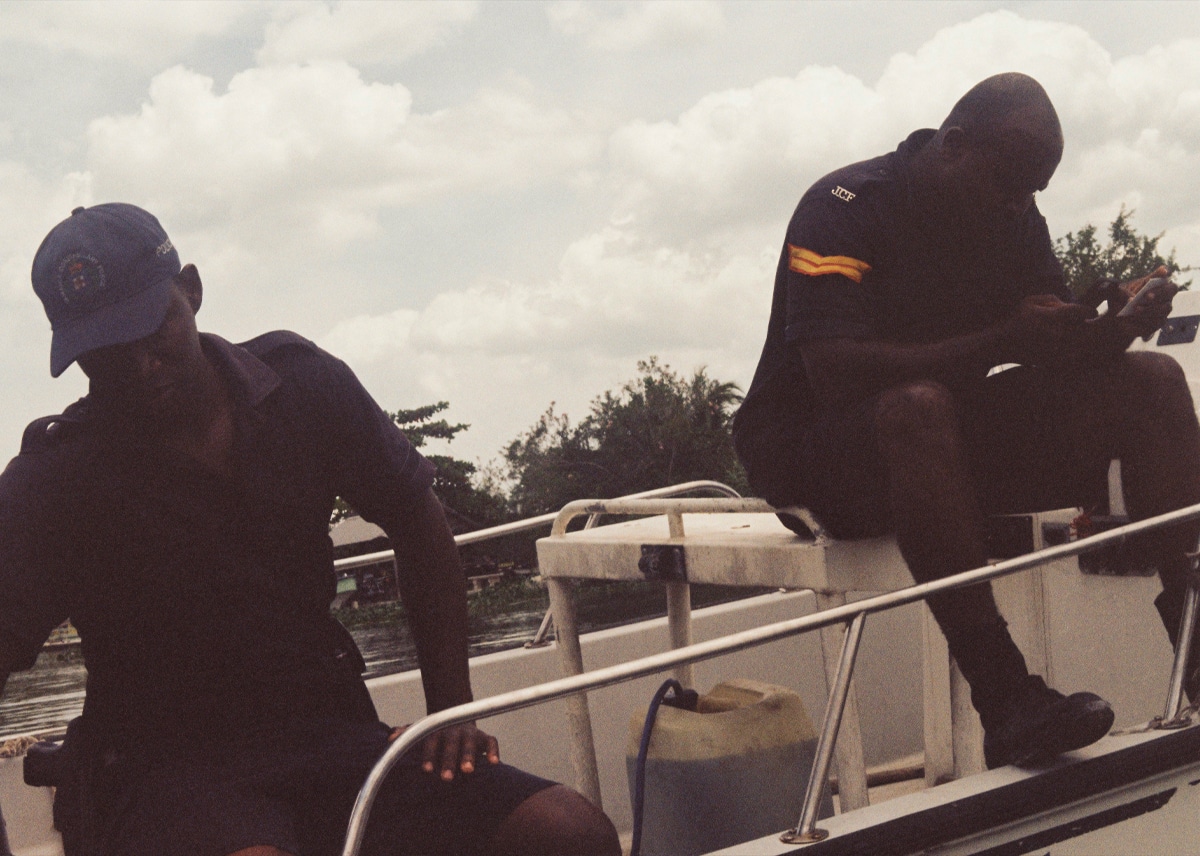
Marlon James: a Jamaican reckoning
'A return to a home I barely knew'
The name of this wallpaper is ‘Childhood’
A luminescent bubble of memory



Illuminating, in-depth conversations between writers.
Listen to all episodes
SpotifyApple Podcasts
Amazon Music
YouTube
Other apps

The series that tells the true-life stories of migration to the UK.
Listen to all episodes
SpotifyApple Podcasts
Amazon Music
YouTube
Other apps
WritersMosaic interrogates the notion of ‘staying in your lane’ by asking writers how they attempt to think beyond the parameters of their cultural identity.
Listen to all episodes
SpotifyApple Podcasts
YouTube