
Aftermath

Preti Taneja
(And Other Stories) April 2022
Reviewed by Suzanne Harrington
On November 29, 2019, a group gathered at London’s Fishmongers’ Hall to celebrate five years of Learning Together, an initiative where university students and prisoners worked side by side on a creative writing course held inside prisons. One of the attendees, a 28 year old former Category A prisoner jailed for terrorism and released on a technicality, went to the bathroom during the break.
There, he taped kitchen knives to his wrists, and a fake bomb around his torso. During the rampage which followed, he killed two people he knew – Jack Merritt, the 25 year old programme co-ordinator, and Saskia Jones, a 23 year old volunteer. Fellow attendees stopped him, one with a narwhal tusk grabbed from display on a wall, before he was shot dead on London Bridge by the police. His name was Usman Khan.
Writer and activist Preti Taneja was, for 20 hours during one term, Khan’s teacher. (She’d been teaching creative writing in prisons for three years). She was not at the London event that day, but at home in Cambridge, preparing for a literary festival. She recognised Khan’s name when her partner read it aloud from a news report the morning after.
Aftermath is Taneja’s second book – her debut novel, We That Are Young, won the 2018 Desmond Elliott Prize, for its reimagining of King Lear in modern India. Aftermath is, she says, a lament, a labour of love. (She’s donating all proceeds from it to charity). It reads like a howl into the hand. The names ‘Jack and Saskia’ haunt its pages.
The book is very far from a standard ‘I was there’ narrative’ about the killer; he barely comes into it, other than for Taneja to wonder how he slipped through so many systems, from secondary school to high security prison. She remembers how Khan “shared his literary knowledge with the class. He worked on his writing. He said he had plans for work, for writing, for life after release.” She knew nothing of his terrorism. “He was a liar, obsessed with status and ideology.” She writes how “his greatest skill was passing.” False compliance.
Aftermath, however, is about the bigger picture, how we respond so differently to white and brown terrorists; she examines and challenges the culpability of centuries old structural racism. The “formal lie” of the 2021 Sewell Report, which found “no evidence of institutional racism in Britain, and did what it meant to do; send whole communities into re-traumatised states.”
Aftermath, slim and concentrated, is divided into three parts – Radical Doubt, Radical Thought, Radical Hope. It is, she writes, about how a single act can “shatter, rearrange and refocus us on what we have always known, what we think we know, and what we choose to believe”. It’s about “personal responsibility and identification in society, the phenomena of racial grief and personal loss, and generational trauma.” It belongs to “a global discourse of anti-racism and anti-capitalism” and is “without borders.” It is about abolishing prison, because prison does not work other than to prop up racism and recidivism.
The hope of the book centres around education and art. Art in prison, she writes, offers “Respite, perhaps. A portal. A chance to build incremental moments of self esteem against the state’s efficient machinery.” Art is not a product or a luxury, but “an essential part of human development; and of an equal society.” Removing access to that most fundamental aspect of our humanity – the need to create, to make art of any and every kind, inside or outside of prison – serves only to dehumanise us all.
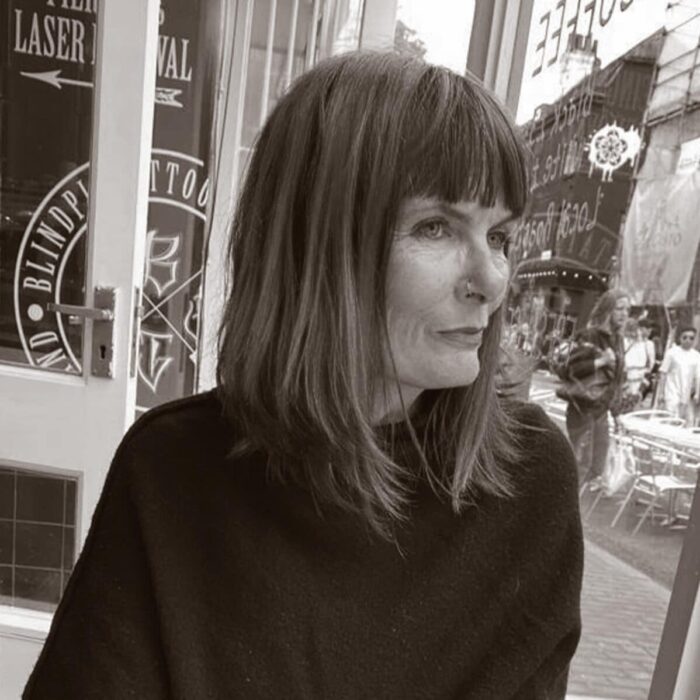
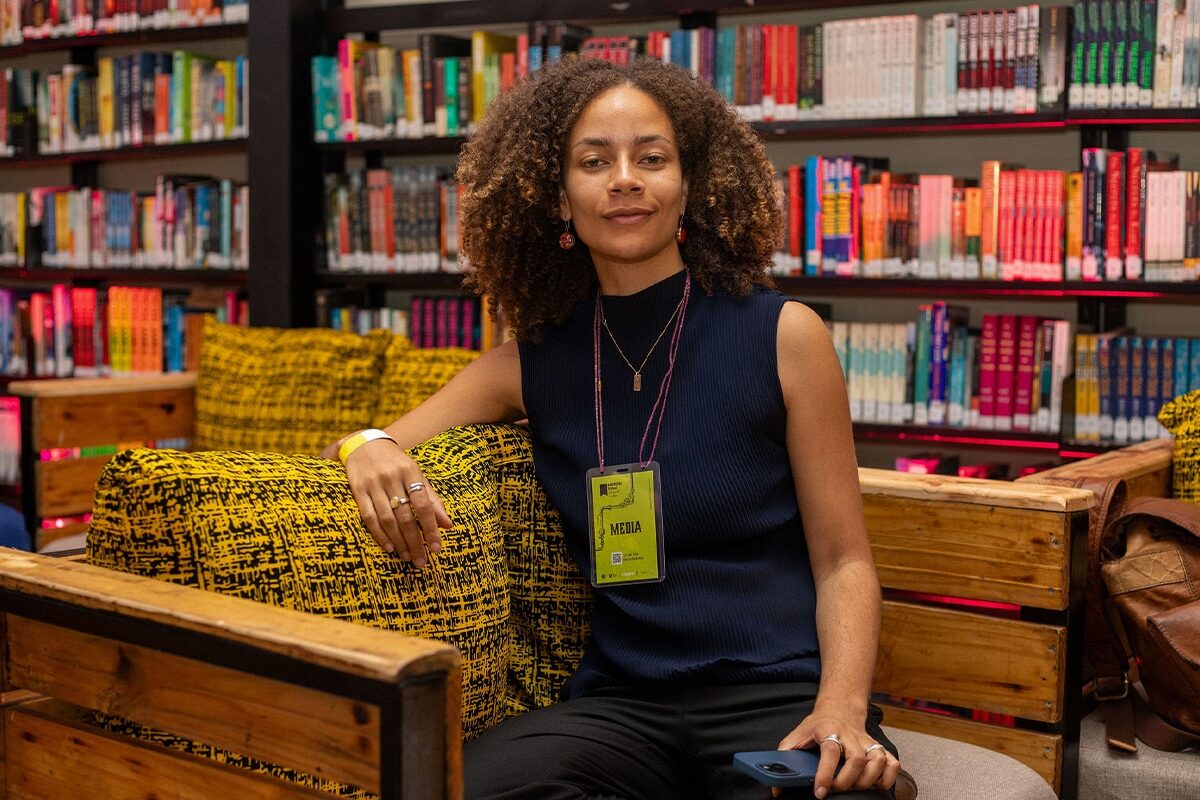
Photo by Ben Gold
WritersMosaic monthly
Get new reviews in your inbox
One email monthly, unsubscribe anytime
Finding Albion
Zakia Sewell's quest to uncover the alternative spirit of the nation

The Odyssey
A story of heroic feats or a reckoning with the barbarity of war?

BEEF season two
A darkly humorous series delving deep into the maelstrom of human behaviour
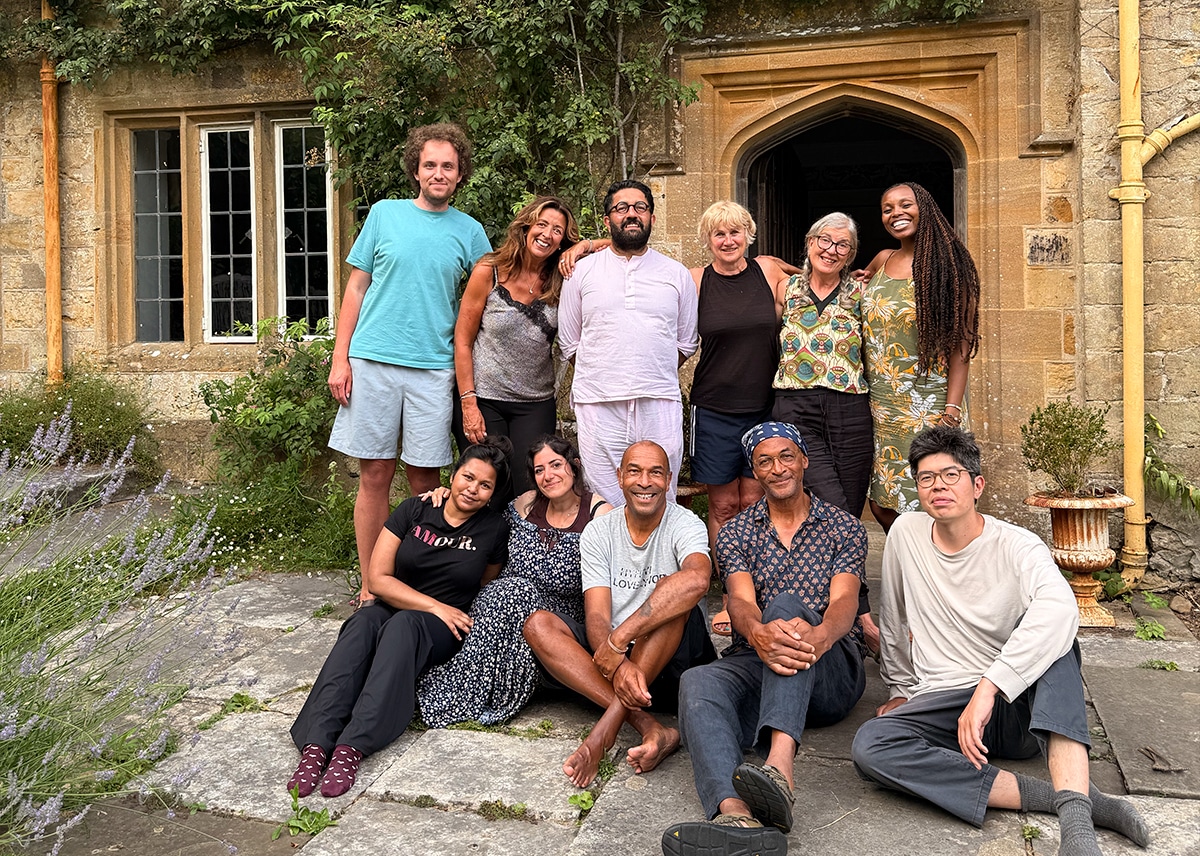
Inside the WritersMosaic Literary Residency
'The sea was crystal clear, the weather was perfect and my pink toenails shimmered beneath the transparent water'

Gratitude
A message of gratitude for the late Eric Huntley
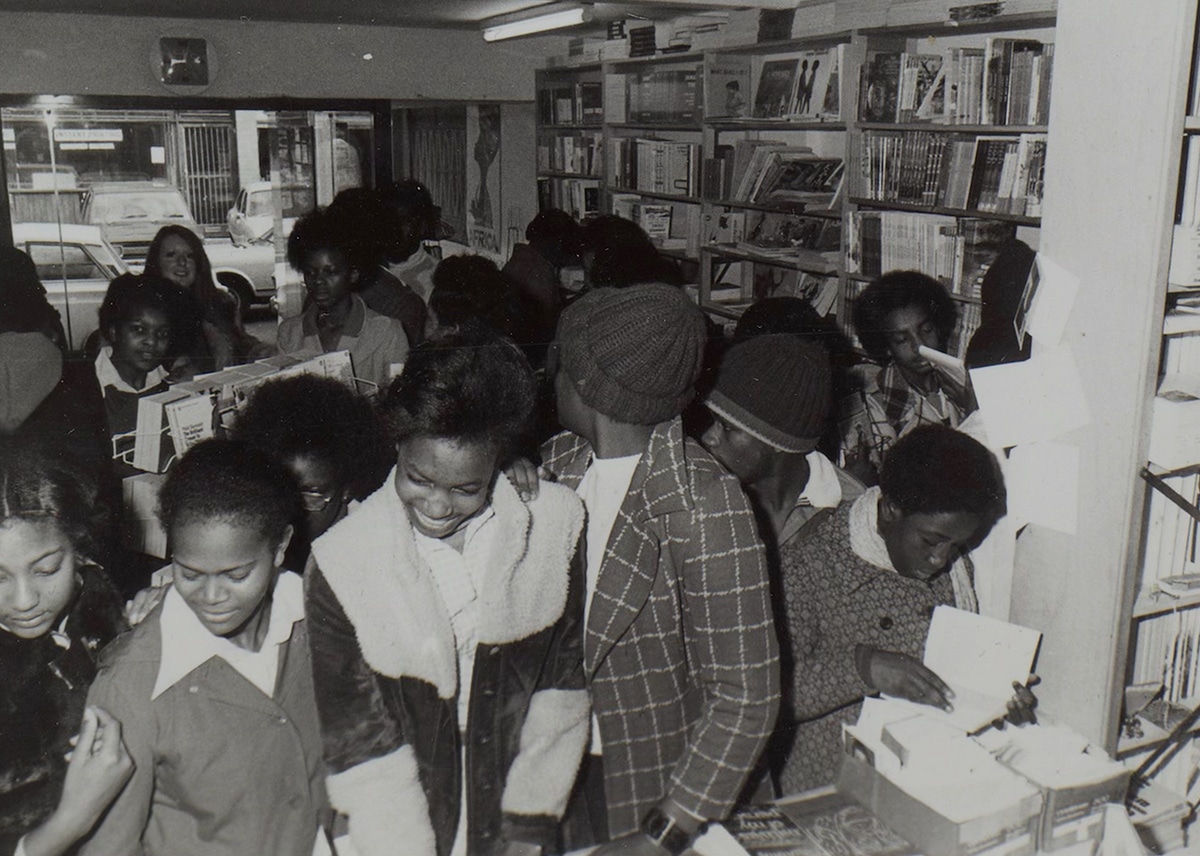
A trail through the archive of Black British history
An overlooked canon of Black British literature waiting to be uncovered

Free Will
Will Harris reads his poem, 'Free Will'. Directed by Matthew Thompson and commissioned by the Adrian Brinkerhoff Poetry Foundation.

Half Written Love Letter
Selina Nwulu reads her poem, 'Half Written Love Letter'. Directed by Matthew Thompson and commissioned by the Adrian Brinkerhoff Poetry Foundation.

Illuminating, in-depth conversations between writers.
Listen to all episodes
SpotifyApple Podcasts
Amazon Music
YouTube
Other apps

The series that tells the true-life stories of migration to the UK.
Listen to all episodes
SpotifyApple Podcasts
Amazon Music
YouTube
Other apps
Nine writers explore the elusive emotional truth behind narratives and storytelling.
Listen to all episodes
SpotifyApple Podcasts
YouTube