
Acting Class

Nick Drnaso
Review by Athen Brady
(Granta, 2022)
Far too often, people turn away from graphic novels, perceiving them as a form of story-boarding for a film or as a kind of picture-book. However, the ability to capture a mood in a simple drawing or a few well-chosen words is a true art form, achieved by someone who understands human nature with a clarity that most of us lack. Nick Drnaso’s long anticipated third graphic novel, Acting Class, explores feelings of loneliness, disconnection and desperation for change that resonate with so many of us in this post-lockdown world.
Drnaso’s Sabrina (2018) was the first graphic novel to be long-listed for a Man Booker Prize. When asked about this achievement, Drnaso said he understood how irksome it must have been for novelists, as the two kinds of writing are, in his words, ‘pretty different forms’. Despite this scepticism he is constantly regarded by cartoonists and writers alike as one of the few living artists to capture contemporary ennui – especially that of American society. Acting Class comprises his signature beguilingly simple drawings and almost muted block colours. From depicting the characters, to frames containing just items or buildings, Drnaso builds the world and its energy with fluency. Of all his previous works, the artistic style of Acting Class is his most ambitious, taking us out of middle America and into scenes of the fast and bright metropolis. Faces are made up of very little detail and slight changes in expression. At times, near the start of the book, I struggled, mixing up characters due to their similarities. In hindsight I suspect that this was intentional; despite our own uniqueness, loneliness and desperation is all too similar.
In this new work, ten strangers, each seeking something more from life, sign up to a free acting class trial that is rumoured to be so good that recruits sign up to a further seven paid sessions to complete the ‘life-altering’ experience. Amongst the ten are a single mother; a concerned elderly woman and her adult granddaughter; a male life-drawing model; a married couple who’ve grown distant and bored over the years, and a gym fiend.
As the characters reveal more about their past and discover their personal desires, the reader does too, allowing us to join their mysterious journey through self-discovery whilst working out what exactly drew them to the classes in the first place. The sessions comprise L.A.R.Ps (live action role play), acting exercises, improv and meditation. With each session members of the group become more involved with the exercises and with each other, to the extent that the line between reality and fiction slowly begins to evaporate.
The drawings express the instability of the border between artifice and reality in the classes; at points it becomes hard to distinguish between the two for both the reader and characters alike. Drnaso controls this perception through his drawings rather than words. However, as the story develops, we begin to mistrust not just the narrative, but the characters, too. A question asked by a janitor to one of the class participants serves to ground us: what exactly are we hoping to find?
Guided by the mysterious teacher, John Smith, the strangers learn to present themselves in a new light, causing tension between their masked personas and their idea of themselves. Here we are introduced to an eerie portrait of forgotten people in a lonely city, and then left alone to fill in the gaps for ourselves. As we learn more of the characters we are still left in the dark about the soft-spoken John. Who is he and what truly are his intentions? To read Acting Class is to unravel a tale of the human condition and to learn the importance of understanding yourself in avoiding the dangers of herd mentality.

Minor Black Figures
Making art without looking over your shoulder
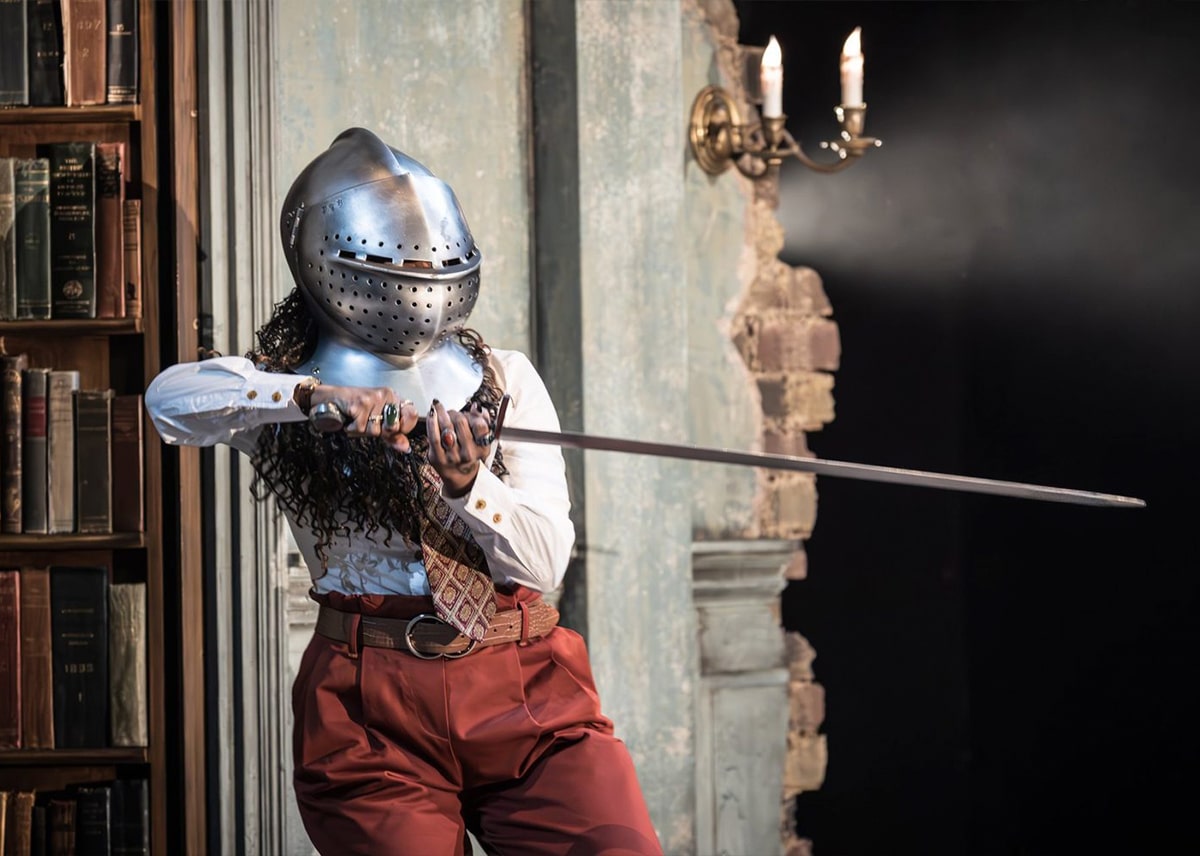
The Authenticator
Painful truths hidden in the shadows of history
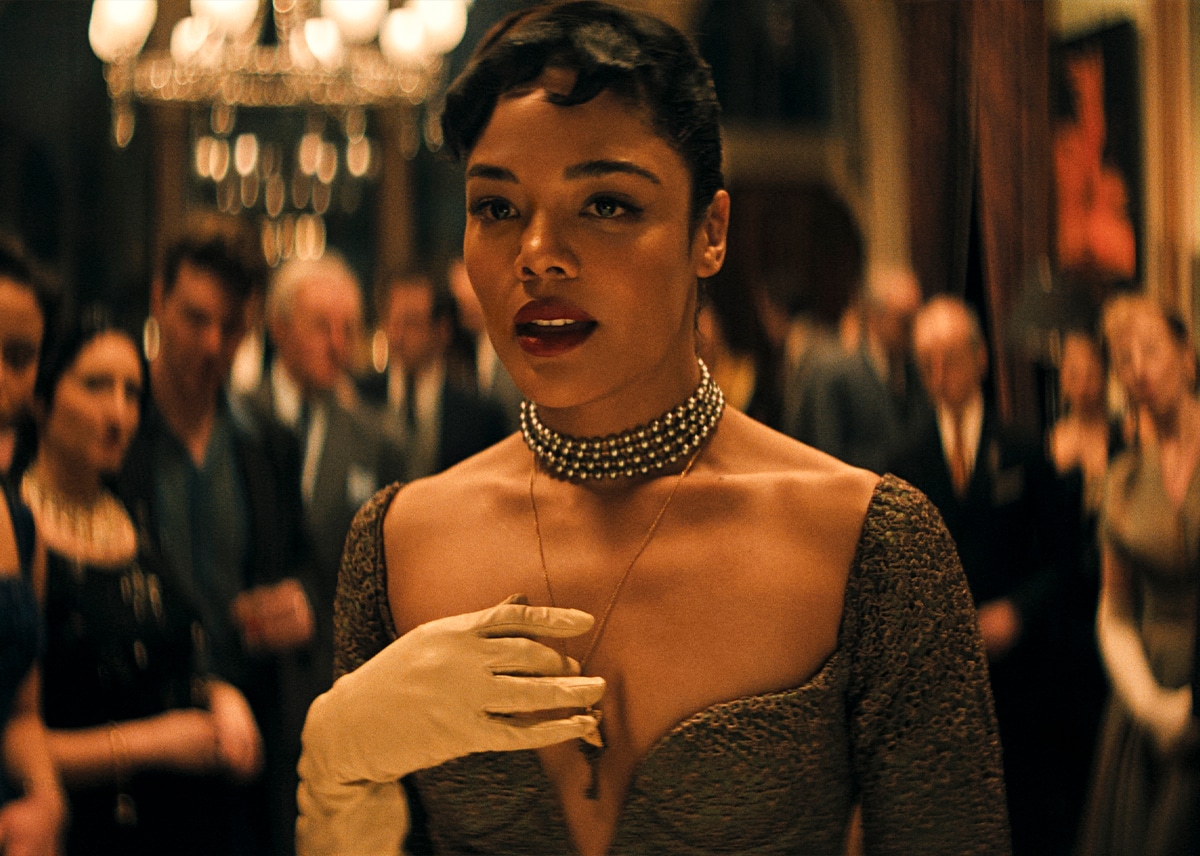
Hedda
An imperfect description of humanity

Ideas are like rabbits
‘Ideas are like rabbits, you get a couple and learn how to handle them, and pretty soon you will have a dozen.’
Soundsystem as pedagogy
'You left recalibrated. Heartbeat altered. Shoulders lowered.'

Bad Signal
'All language use can be seen as extending a hand; words and their corresponding meanings are always about relationships'


Free Will
Will Harris reads his poem, 'Free Will'. Directed by Matthew Thompson and commissioned by the Adrian Brinkerhoff Poetry Foundation.

Half Written Love Letter
Selina Nwulu reads her poem, 'Half Written Love Letter'. Directed by Matthew Thompson and commissioned by the Adrian Brinkerhoff Poetry Foundation.

Illuminating, in-depth conversations between writers.
Listen to all episodes
SpotifyApple Podcasts
Amazon Music
YouTube
Other apps

The series that tells the true-life stories of migration to the UK.
Listen to all episodes
SpotifyApple Podcasts
Amazon Music
YouTube
Other apps
Nine writers explore the elusive emotional truth behind narratives and storytelling.
Listen to all episodes
SpotifyApple Podcasts
YouTube