
Fundamentally

Nussaibah Younis
W&N, 2025
Fundamentally has been coined a ‘Bridget Jones in Iraq’. It’s filthy, shocking and confrontational. Conversational and frank in style, the novel packs in a dramatic escape through a desert, graphic sex, and major questions about religion and identity. Fundamentally, Younis’ debut, was shortlisted for the Women’s Prize in 2025, and it’s obvious why – this first novel does not hold back from grappling with politics, passion and power.
An academic with a PhD in International affairs from Durham University, Younis has attracted global attention with her latest academic article on Islamic State brides. She has the cultural clout to allow her to throw caution to the wind, having worked as a peace-building practitioner in Iraq for a decade, including periods in Baghdad where she was involved in programmes designed to de-radicalise women affiliated with ISIS. Based to an extent on her own experience, the novel describes a young woman, Nadia, travelling to Iraq to try to help and bring back ISIS brides. The fictional organisation she works for is named UNDO, and is endorsed by the United Nations. The idea was partially born from Younis’s time as a teenager attending a summer camp, where she studied under a cleric named Sheikh Anwar al-Awlaki, a charismatic Yemeni-American preacher who later joined Al-Qaida and was killed in a drone strike. Younis has written that she herself could easily have become radicalised at that time, if just a little extra pressure had been applied.
She has also written that she feels passionately that the mistakes made by girls aged fifteen who are enticed from unsatisfactory lives in Europe by promises of spiritual meaning, material comfort and hope for their future children, should not be held accountable for this mistake for the rest of their lives. Her main character, Nadia, goes to Baghdad with the intention of bringing back the girls who have been sold the lie of a better future. Nadia is a bisexual, feisty young woman recovering from a love affair with Rosie, and that’s where the Bridget Jones reference comes in – Nadia is looking for love, or at least for sex, while she’s on the mission in Iraq. And she finds it too.
Younis tackles religious expectations and extremes of moral perspective fearlessly. Sara, a young mother who has been separated from her infant daughter by the Muslim patriarchy, desperate to be reunited with her baby and to return home with her to the UK, is appalled by Nadia’s sexual adventures. She grapples with her own divided loyalties, still keen to follow the fundamental principles of the ISIS credo, but now trying to live life on her own terms. She describes Nadia as a ‘slag with a saviour complex’, and when Nadia tells her about her acrobatic sexual adventures with a young Muslim (who was posing as an unreligious American), Sara is critical of her, suggesting that Nadia might feel disgusted and ashamed after her night of ‘hot, rough sex’. Nadia gives as good as she gets: ‘You’ve had a lot of dick for an Islamist – three husbands, four if you include the Sheikh.’
‘It’s not my fault my husbands kept dying,’ Sara quips back.
‘I swear to god, Sara, if you stay a fucking fundy after all this, I’ll sell you into sex slavery myself,’ retorts Nadia.
It’s the irreverence and snorts of laughter the book provides that keep us turning the pages, as well as the dramatic across-the-desert-at-midnight drama that kicks in about two thirds of the way through. There’s a hilariously inappropriate American holy man who is recruited as the best of three bad choices of spiritual adviser to be the camp’s devotional guide. Jason is a convert to Islam who tackles the issues of the women with yoga, crystals and visualisation techniques, and insists on referring to his flock in non-binary terms and in ways that are pro-same-sex relationships, which of course goes down as well as a bikini would in a mosque. He is completely blindsided when the ISIS brides tell him about the real issues they have faced – how they have been abused and sexually brutalised. His misguided inadequacy adds a layer of humour to the book, and his misplaced liberal approach seems all too real.
In Fundamentally, Younis skilfully shows us the points of view of the ISIS brides, the would-be-rescuers, and the Muslim mothers back home. Nadia has a complicated relationship with her own mother, and the arc of their feud is satisfyingly drawn as the feisty daughter goes from barely communicating with her religious mother, who disapproves of her sexually liberated ways, to coming to an understanding towards the end of the book. Sara’s mother is also a presence, having despaired when her daughter ran away to join the Islamic State, and coming back into her life when she leasts expects it. Redemption comes in many forms.
There’s a TV adaptation in the offing; Younis is writing the screenplay herself. She has created a brilliantly funny and highly dramatic novel, and I feel sure that the screen version will make excellent viewing.
WritersMosaic monthly
Get new reviews in your inbox
One email monthly, unsubscribe anytime
Haunting the Black Air
Poetic freedom across space and time
The Disappearers
A sprawling visceral experience that drops you in head first
The Lady Imam
Is the world ready to catch up with amina wadud?
It’s being published I get paid for; the writing I would do for free
‘Any advance [...] for your novel is to compensate you for the horrors of being published'
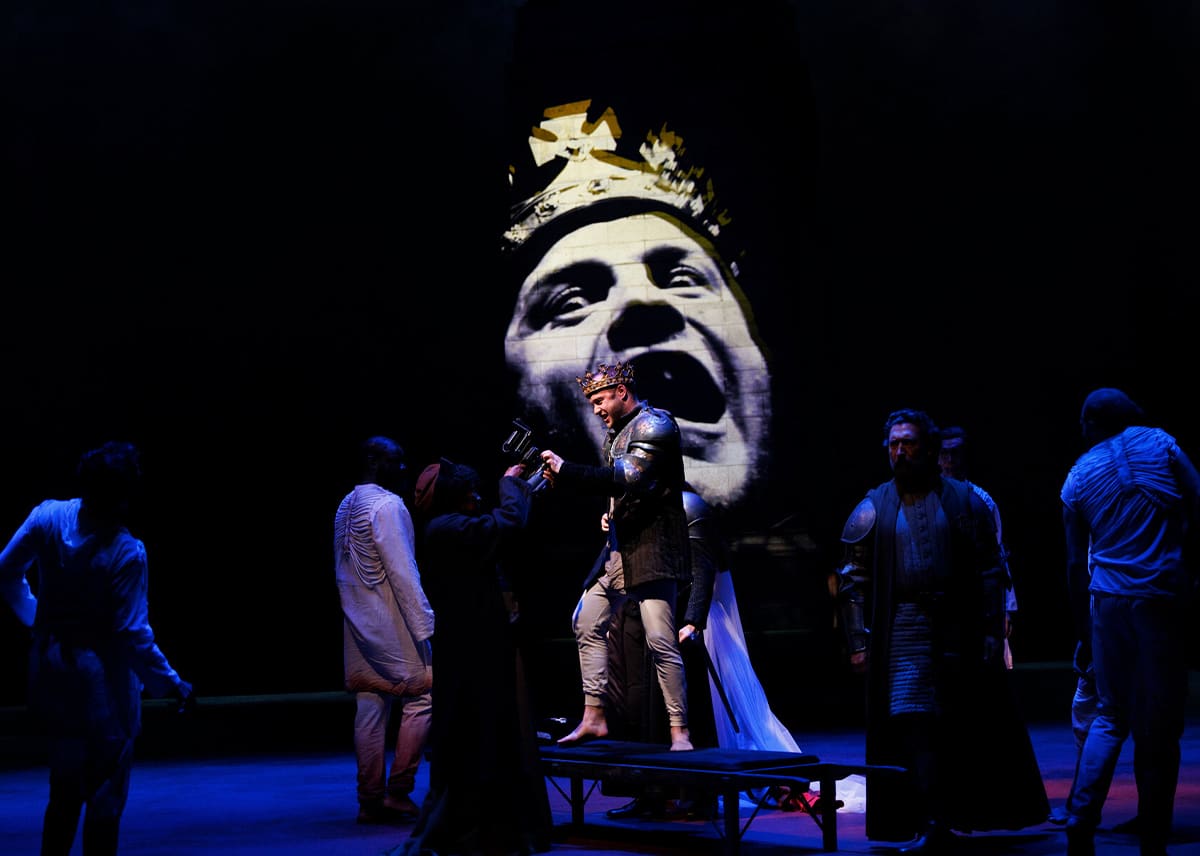
Complex antihero: an interview with Arthur Hughes
Unravelling Authur Hughes' Richard III
Marlon James: a Jamaican reckoning
'A return to a home I barely knew'



Illuminating, in-depth conversations between writers.
Listen to all episodes
SpotifyApple Podcasts
Amazon Music
YouTube
Other apps

The series that tells the true-life stories of migration to the UK.
Listen to all episodes
SpotifyApple Podcasts
Amazon Music
YouTube
Other apps
WritersMosaic interrogates the notion of ‘staying in your lane’ by asking writers how they attempt to think beyond the parameters of their cultural identity.
Listen to all episodes
SpotifyApple Podcasts
YouTube