
Slum Boy

Juano Diaz
Hachette UK, 2024
Review by Suzanne Harrington
Very rarely does a book sucker punch you in the tear ducts, yet you may well find your eyes leaking on the last page of this incredibly beautiful memoir. Even if you’re battle-hardened by Douglas Stuart’s Shuggie Bain (2020) and Young Mungo (2022), or the fury of Darren Garvey’s polemic Poverty Safari (2017) – which also features the neglected son of an alcoholic mother – you may still come undone by the small Glaswegian child who begins as Slum Boy and grows up to become the artist Juano Diaz. It is a work of transcendence, shards of hope piercing the narrative, a masterclass in forgiveness and understatement.
Juano Diaz didn’t know the name on his birth certificate until he was an adult. Born in 1977, he was called John. The book begins with a drowning, when John is four. His mentally unwell mother, chaotically self-medicating with alcohol, goes into another spiral. She leaves the little boy home alone, hungry in a cold flat. Social services take him away and place him in a children’s home, where he is given shoes that are too small, crushing his feet. Nobody explains anything to him. He knows he has sisters but can’t remember them – they were taken into care when he was a toddler. There is a kind nun, Sister Pauline, who John clings to as he waits, like a dog in a shelter, for his ‘forever home’. He misses his mum, whom he must now call ‘Birth Mummy’.
He is adopted by an affluent Catholic couple. His new dad is a Gypsy, his new mum a ‘gorja’ (Cant for non-traveller). The dad is loving and generous, the mum less so; neither adoptive parent has the emotional vocabulary to answer any of his questions. His new dad tells him: ‘You are a MacDonald now, John […] Be proud and forget the past.’ They show him an old painting of the MacDonald family; he is confused. His birth family are not in it.
At his new village school the other kids call him ‘Gypo, skinny, Chinki’; his skin and hair is darker than theirs. He likes drawing and playing with the girls. His adoptive dad teaches him to box, and gives him work in the family scrap metal business; at night he dresses up, dreams of escape. In his teens, Glasgow School of Art provides a portal to the world to which he longs to belong. As do the city’s gay bars.
Diaz presents, without rancour, scenes of loss, disappointment, harshness and chaos, filtered through his own hope and longing. He never stops asking questions, seeking to know who he is, looking for Birth Mummy. He ends up back in the chaos he came from, before he is rescued by his own talent, which sets him on a different path.
Art allows Diaz to find his identity, to become himself. Slum Boy examines, with delicacy, intimacy and humanity, where this true self came from, and how Juano Diaz came into being. ‘I have to accept what has happened, otherwise it will consume me and I won’t let it,’ he writes. ‘I am severing the spiritual umbilical cord…and breaking the cycle.’ It is deeply moving.
https://www.hachette.co.uk/titles/juano-diaz/slum-boy/9781914240850/
WritersMosaic monthly
Get new reviews in your inbox
One email monthly, unsubscribe anytime
The Disappearers
A sprawling visceral experience that drops you in head first
The Lady Imam
Is the world ready to catch up with amina wadud?
Pressure
What's missing from the latest 'untold story behind D-Day'?
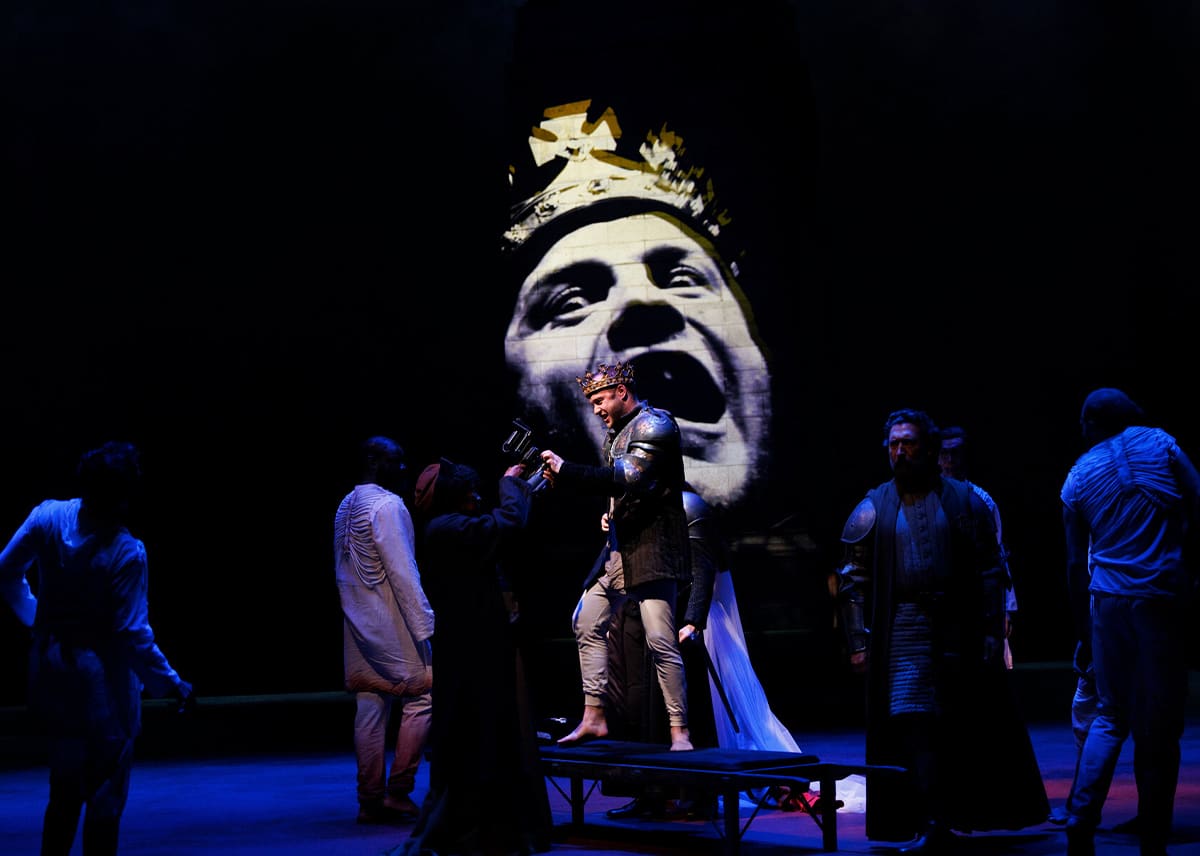
Complex antihero: an interview with Arthur Hughes
Unravelling Authur Hughes' Richard III
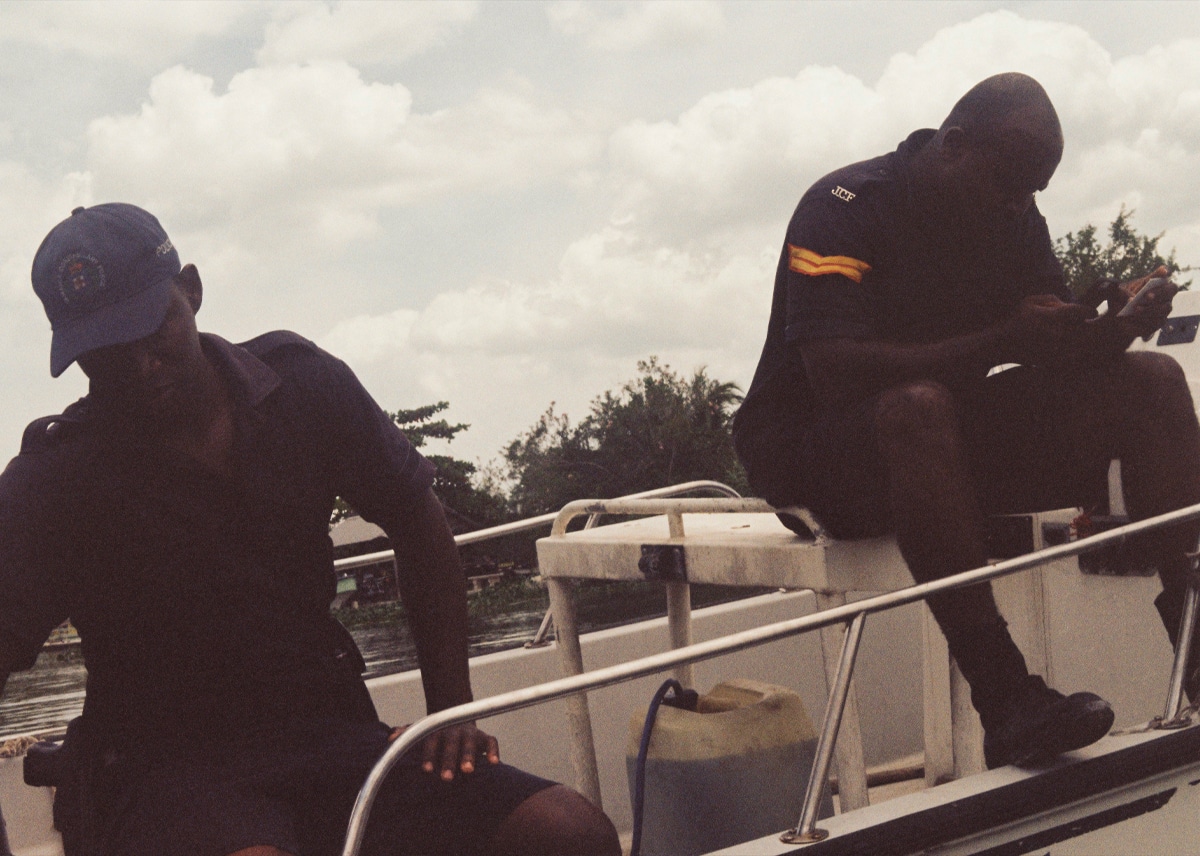
Marlon James: a Jamaican reckoning
'A return to a home I barely knew'
The name of this wallpaper is ‘Childhood’
A luminescent bubble of memory



Illuminating, in-depth conversations between writers.
Listen to all episodes
SpotifyApple Podcasts
Amazon Music
YouTube
Other apps

The series that tells the true-life stories of migration to the UK.
Listen to all episodes
SpotifyApple Podcasts
Amazon Music
YouTube
Other apps
WritersMosaic interrogates the notion of ‘staying in your lane’ by asking writers how they attempt to think beyond the parameters of their cultural identity.
Listen to all episodes
SpotifyApple Podcasts
YouTube