
Where There Was Fire

John Manuel Arias
Pan MacMillan 2024
Review by Daniel Rey
On a particularly hot Costa Rican night in 1968, a fire burns an American-owned banana plantation. For Teresa, the mystery and trauma run deeper – it was the night her husband José María killed her mother, and disappeared.
Twenty seven years later, Teresa’s eldest daughter Lyra – estranged from her mother and bringing up the son of her sister Carmen – runs a business providing infertility counselling. She meets a former employee of the American Fruit Company, who tells her he kept a cache of documents he had been ordered to destroy. Where There Was Fire, the debut novel by John Manuel Arias, explores Lyra’s subsequent investigations into the plantation, the fire and her family story.
Arias’s writing, at a sentence level, is sumptuous – as good as the authors from the Latin American ‘Boom’ of the 1960s whose work he has clearly digested. Referring to that night in 1968, he writes that ‘sweating priests’ were ‘draped like towels over pews’. The novel’s weighty subject matter is lightened (but not reduced) by his narration: ‘To say that Carmen had spent most of her young life in tears was an understatement – Teresa and José María snickered that the rainy season started every time her face frowned.’
Gabriel García Márquez accompanies Arias like the ancestral spirits present in this novel. There’s the banana plantation, the unaccountable US conglomerate, the railway line that carries many ills, and even a character called Gabriel. The influence is also linguistic. Readers of One Hundred Years of Solitude (1967) will notice Arias’s repetition of its opening phrase ‘Many years later…’, the recurring mention of memory, and the idea of ‘’second chances’. Then there’s the droll, surreal tone: ‘Time wasn’t tallied, because the priests who normally manned the belfries lay naked inside the darkness of their churches, praying for the heat to pass.’ Such sustained allusion to a grand writer is risky, and it is to Arias’s credit that the echoes don’t drown out his skill.
Whereas description and prosody are Where There Was Fire’s great strengths, their excellence is not equalled by the novel’s pacing. Many sections – especially those set in 1995 – do little to develop a richer sense of the characters, or advance the plot. As a result, despite Arias’s virtuoso phrases, much of the story is onerous.
Arias’s novel was written in English, but has a Spanish-language sensibility. He translates some Spanish expressions literally, leaving the reader with clear but unusual phrases like ‘the hands of bananas’. He also uses the Spanish upside-down question marks and exclamation marks. These decisions help the dialogue remain faithful to his Costa Rican characters.
Many aspects of Where There Was Fire are based on historical events. In particular, the US multinational Standard Fruit (familiar to consumers today as Dole) sprayed its Costa Rican plantations with the pesticide Nemagon, which led to the sterilisation of tens of thousands of people. It is more than symbolic, then, that Lyra is an infertility counsellor. Her investigation into the past supports the victims, but it cannot end their pain.
Photo by Jose Reynaldo da Fonseca, courtesy of Wikicommons
https://www.panmacmillan.com/authors/john-manuel-arias/where-there-was-fire/9781035041374

WritersMosaic monthly
Get new reviews in your inbox
One email monthly, unsubscribe anytime

The Complex
The unraveling of a dynasty

Disappearing Images
A festival of ephemeral art and the impermanence of our current world

Ever Land
A layered and haunting view of daily life in occupied Palestine

Coats
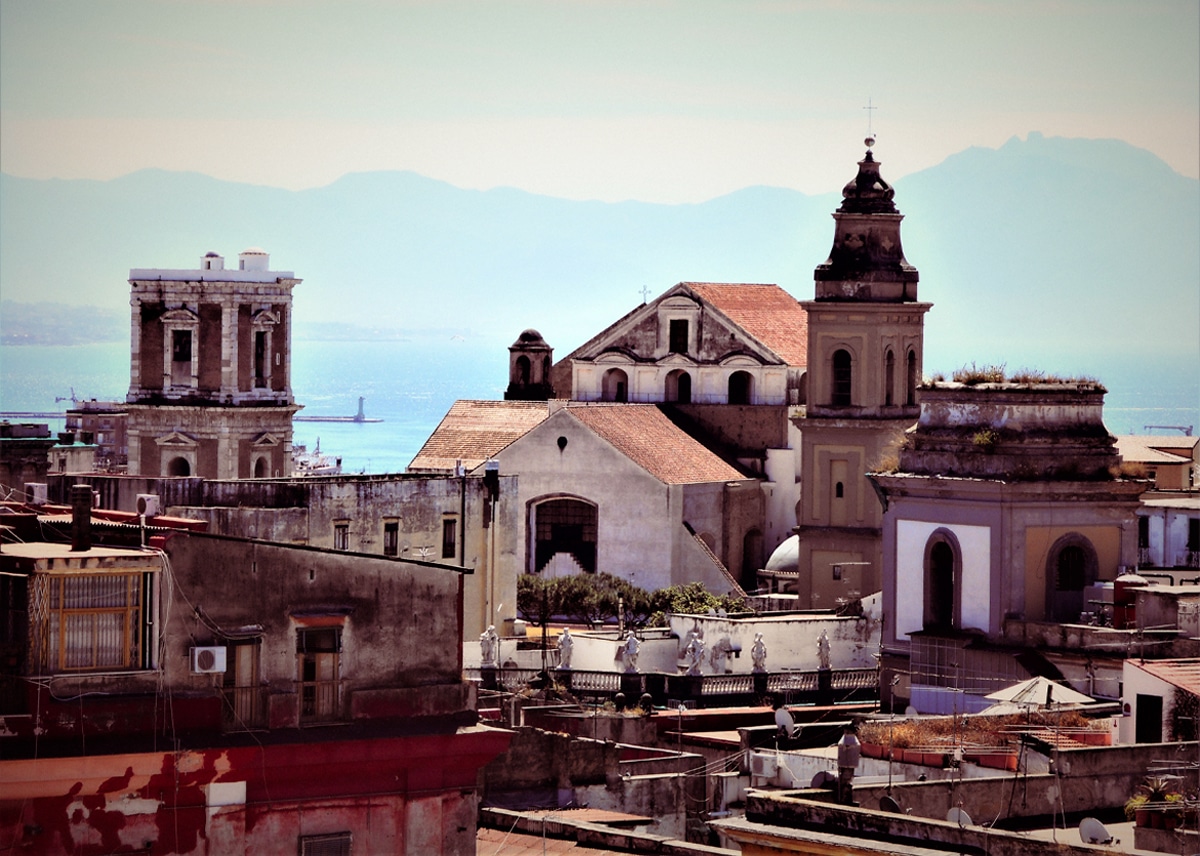
The unexpected cost of acquiring two Italian leather coats in Rome
A tribute to Bonnie Greer
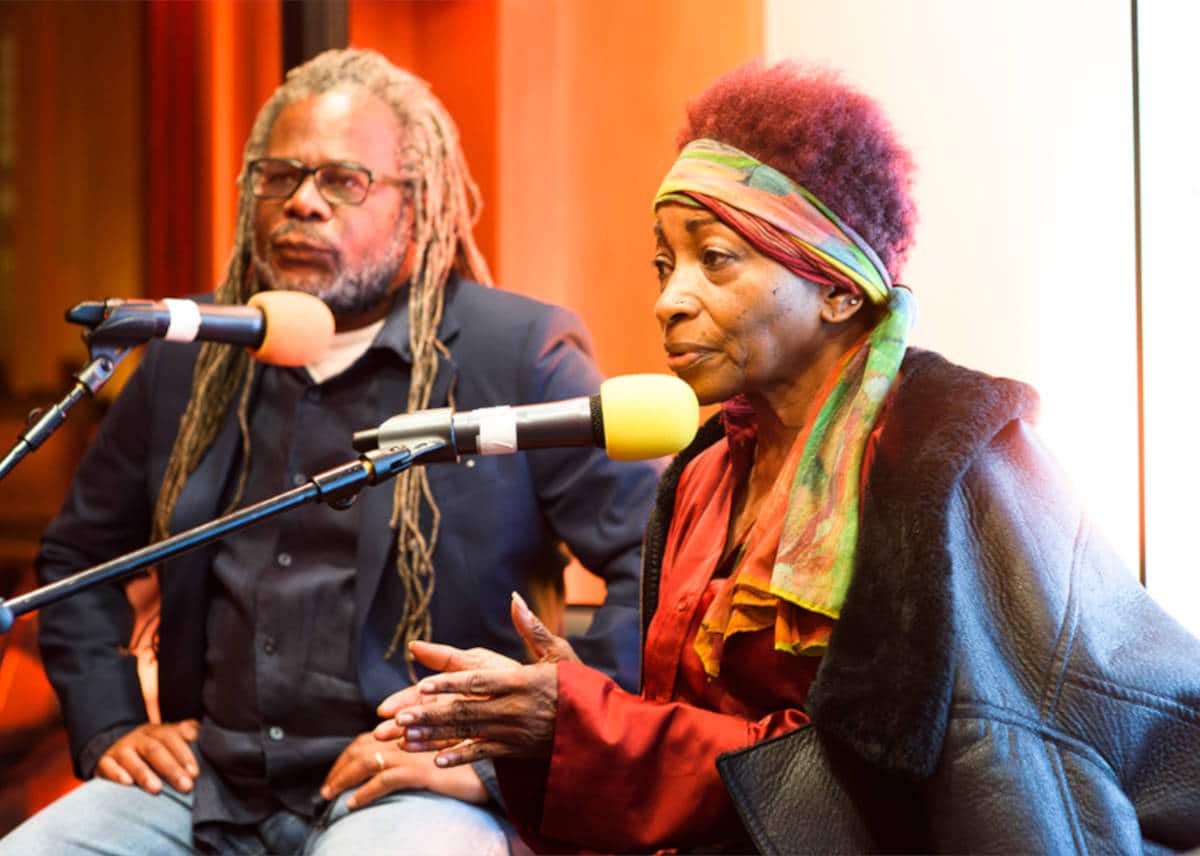
Founding editor of WritersMosaic Gabriel Gbadamosi pays tribute to Bonnie Greer, the extraordinary writer, public intellectual and much admired contributor to WritersMosaic who died on 15 September, 2026.
Triage
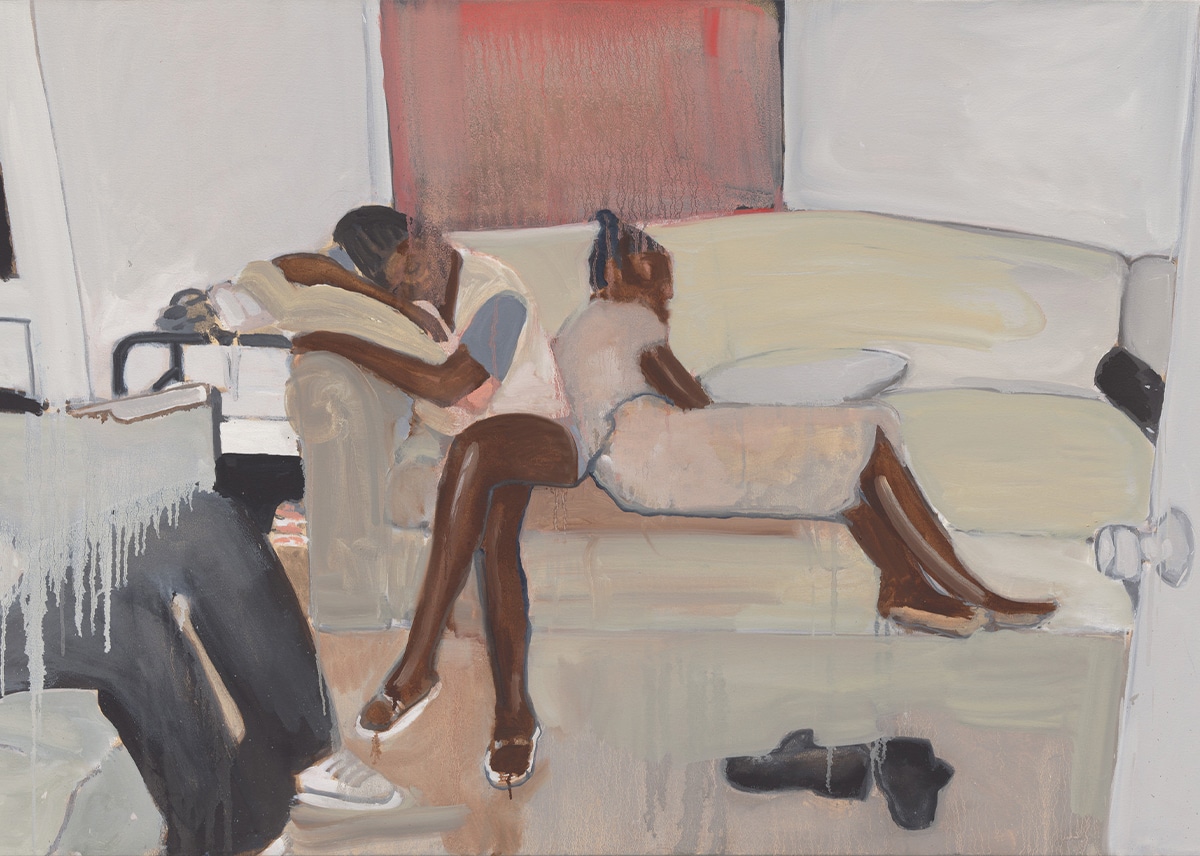
A response to the endless spiral of worldwide conflict and tragedy

Free Will
Will Harris reads his poem, 'Free Will'. Directed by Matthew Thompson and commissioned by the Adrian Brinkerhoff Poetry Foundation.

Half Written Love Letter
Selina Nwulu reads her poem, 'Half Written Love Letter'. Directed by Matthew Thompson and commissioned by the Adrian Brinkerhoff Poetry Foundation.

Illuminating, in-depth conversations between writers.
Listen to all episodes
SpotifyApple Podcasts
Amazon Music
YouTube
Other apps

The series that tells the true-life stories of migration to the UK.
Listen to all episodes
SpotifyApple Podcasts
Amazon Music
YouTube
Other apps
WritersMosaic interrogates the notion of ‘staying in your lane’ by asking writers how they attempt to think beyond the parameters of their cultural identity.
Listen to all episodes
SpotifyApple Podcasts
YouTube
In the first series of poems commissioned by Hannah Lowe, six poets explore how ritual gives meaning to our lives.
Listen to all episodes
SpotifyApple Podcasts
YouTube