
Sing Sing

Directed by Greg Kwedar (2024)
Review by Danielle Papamichael
Greg Kwedar’s Sing Sing is a poignant yet playful prison drama that delves into the therapeutic power of theatre within the confines of incarceration. Based on a true story, this film beautifully explores how acting offers imprisoned men a rare opportunity to express emotions that they have long suppressed and to rediscover their true selves. Selected for the ‘Special Presentations’ programme at the Toronto International Film Festival, Sing Sing stands apart from the typical prison genre by moving away from tropes of hyper-masculinity. Instead, it delivers a heartfelt story that highlights our shared need for love, belonging and vulnerability: a powerful reminder that regardless of circumstance, these fundamental desires connect us all.
Coleman Domingo delivers a standout performance as John ‘Divine G’ Whitefield, the real-life co-founder of the ‘Rehabilitation Through the Arts’ (RTA) programme, which he started in 1996 while serving time at Sing Sing Correctional Facility. The RTA offers inmates the chance to write, produce, and act in their own theatre productions for their incarcerated peers. The programme has successfully expanded to six maximum-security prisons in New York and boasts a remarkable 3% recidivism rate, significantly lower than the national average of 60%.
Joining Domingo in the cast are Paul Raci (Sound of Metal) as Brent Buell, the programme’s candid theatre director, and Sean San Jose as Mike Mike, Divine G’s longtime theatre partner, cellmate, and loyal friend, with the alumni of the RTA programme playing themselves, delivering profound performances alongside their Oscar-nominated co-stars.
Kwedar opens the film with a close-up of Divine G’s brilliant closing monologue from Shakespeare’s A Midsummer Night’s Dream. As the roar of applause fills the room, Divine G could be performing anywhere in the world. But then the scene cuts to backstage, where his royal costume is swapped for a prison uniform, and he, along with other inmates, is ushered single file through a bleak, confined corridor. Reality hits hard. This is followed by a scene in which sirens ring in the courtyard as Divine G drops to the ground, face pressed against the grass, terrified – a brief yet stark reminder of the dehumanising routine of prison life.
After the production of A Midsummer Night’s Dream finishes, Divine G and Mike Mike search for new recruits for their next show in the prison courtyard. Enter Clarence ‘Divine Eye’ Maclin, a man with a tough, macho exterior but a secret interest in Shakespeare. Once accepted into the programme, Maclin challenges Divine G’s creative autonomy by suggesting they perform a comedy instead of the dramatic play Divine G had written, noting that they already have enough heaviness and trauma in their lives. The rest of the group agrees and what follows is an ambitious time-travelling comedy combining Shakespeare, Captain Hook, mummies, gladiators and Freddy Krueger. Thankfully Kwedar doesn’t focus too much on the production’s chaotic storyline but on how the RTA transcends into a judgment-free space where their protective armour is replaced with props, laughter, brotherhood and solace.
In a unique and significant production choice, everyone from cast to crew was paid the same daily rate. This decision highlights Kwedar’s commitment to a collaborative, rather than exploitative, approach that extends from the production process to the storyline itself, reinforcing the film’s authenticity and shared vision.
Sing Sing offers a humanising portrayal of the men who are often stereotyped and forgotten. The film poetically captures the complexity of their lives, shaped by trauma and poverty, and emphasises how their resilience can bring a better future. Maclin’s raw yet tender performance forms the emotional heart of the story, making his journey a privilege to watch. Ultimately, Sing Sing serves as a compelling testament to the RTA programme and the urgent need for meaningful prison reform and rehabilitation.
WritersMosaic monthly
Get new reviews in your inbox
One email monthly, unsubscribe anytime

The Complex
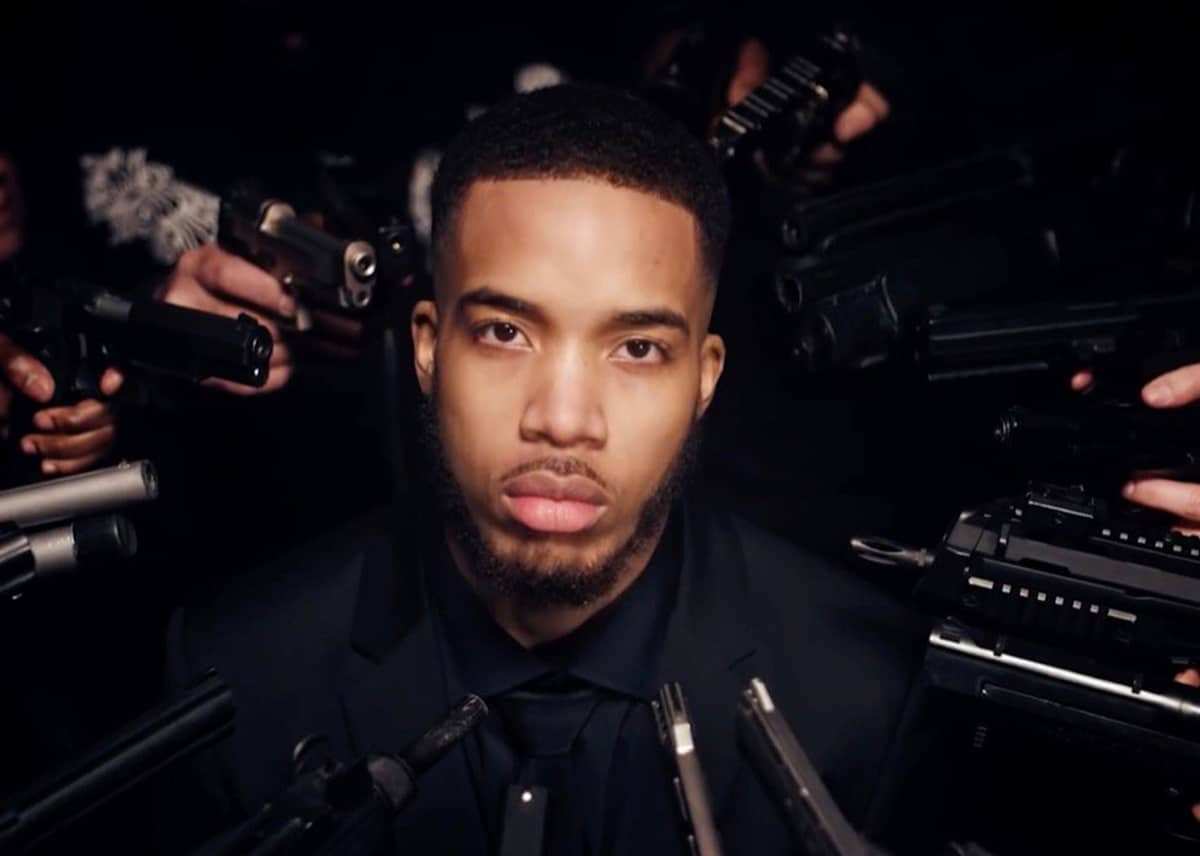
The unraveling of a dynasty
Disappearing Images
A festival of ephemeral art and the impermanence of our current world

Ever Land
A layered and haunting view of daily life in occupied Palestine

Coats
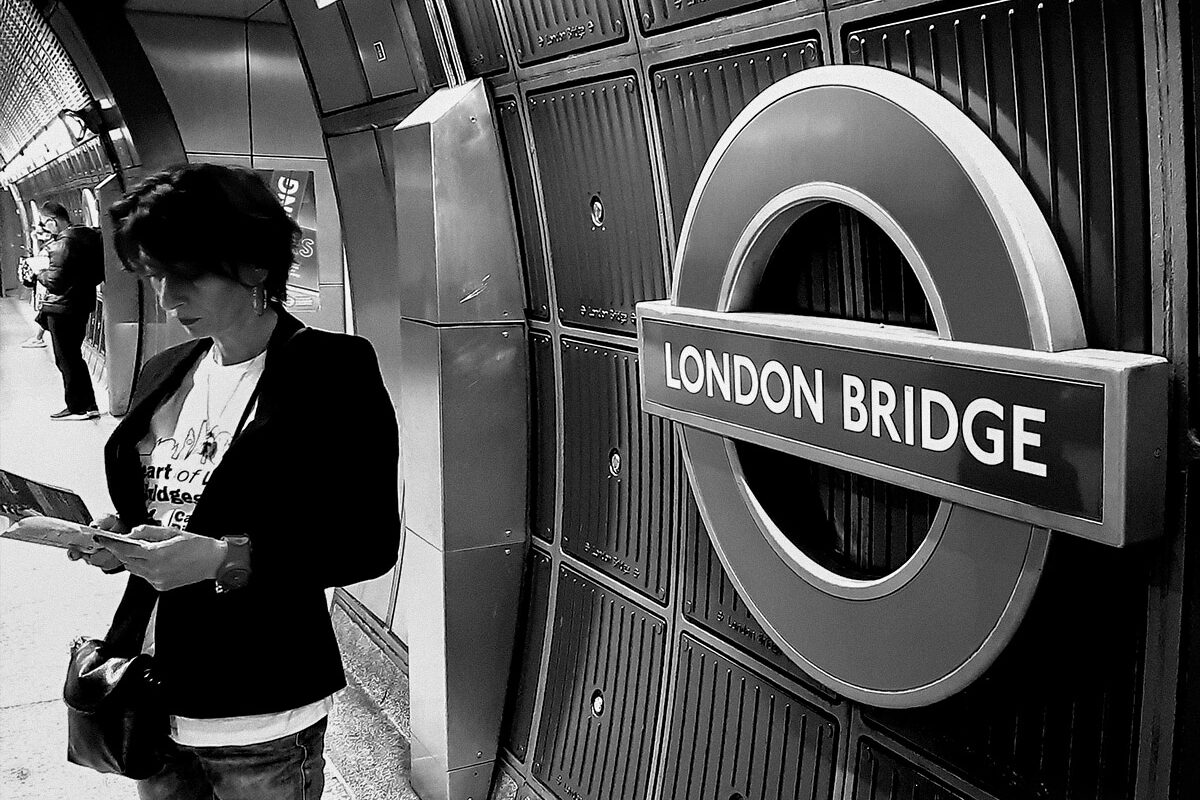
The unexpected cost of acquiring two Italian leather coats in Rome
A tribute to Bonnie Greer
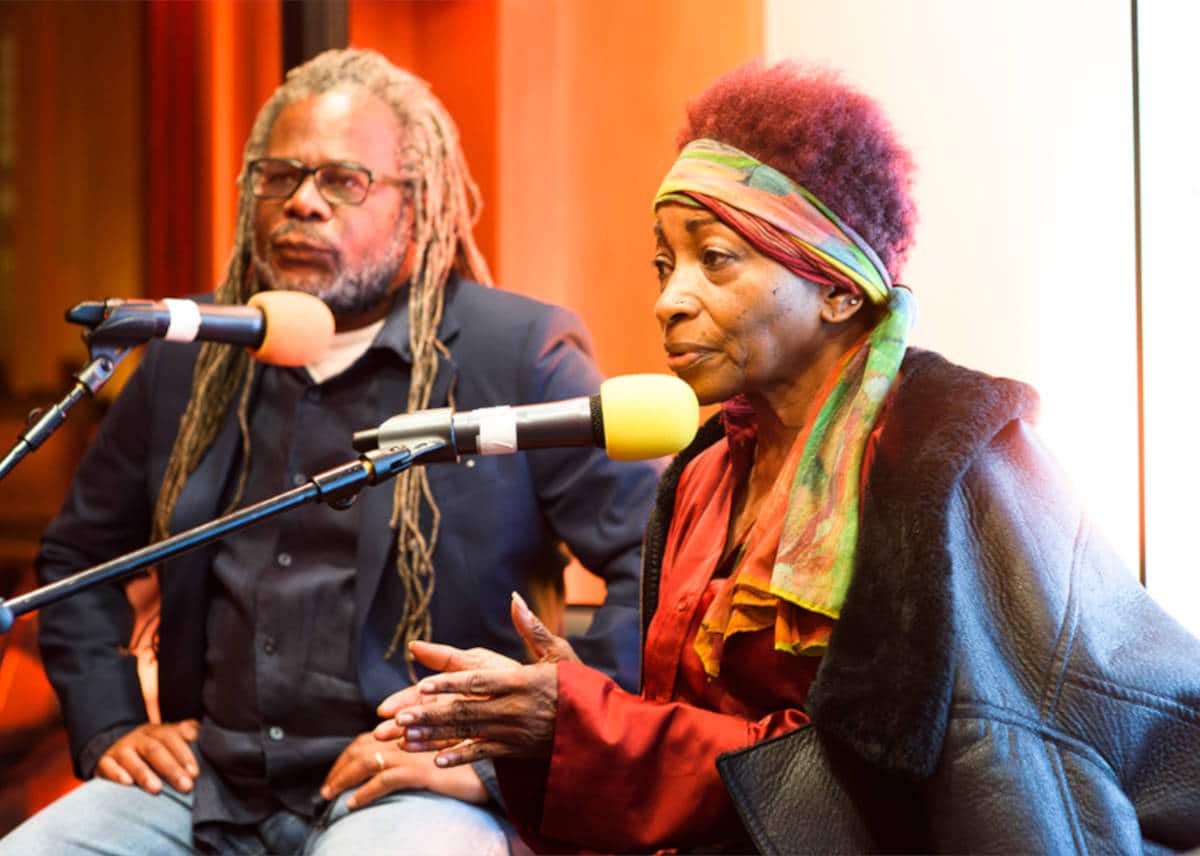
Founding editor of WritersMosaic Gabriel Gbadamosi pays tribute to Bonnie Greer, the extraordinary writer, public intellectual and much admired contributor to WritersMosaic who died on 15 September, 2026.
Triage
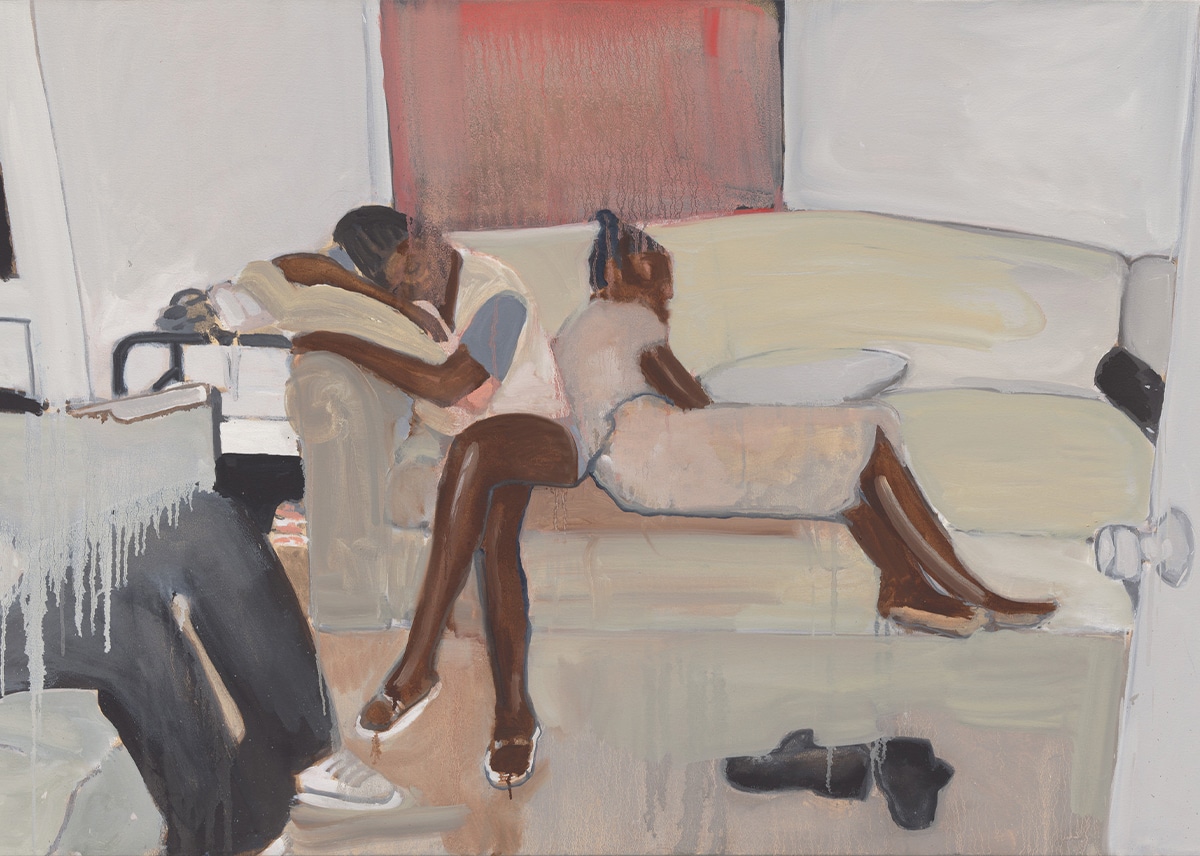
A response to the endless spiral of worldwide conflict and tragedy

Free Will
Will Harris reads his poem, 'Free Will'. Directed by Matthew Thompson and commissioned by the Adrian Brinkerhoff Poetry Foundation.

Half Written Love Letter
Selina Nwulu reads her poem, 'Half Written Love Letter'. Directed by Matthew Thompson and commissioned by the Adrian Brinkerhoff Poetry Foundation.

Illuminating, in-depth conversations between writers.
Listen to all episodes
SpotifyApple Podcasts
Amazon Music
YouTube
Other apps

The series that tells the true-life stories of migration to the UK.
Listen to all episodes
SpotifyApple Podcasts
Amazon Music
YouTube
Other apps
WritersMosaic interrogates the notion of ‘staying in your lane’ by asking writers how they attempt to think beyond the parameters of their cultural identity.
Listen to all episodes
SpotifyApple Podcasts
YouTube
In the first series of poems commissioned by Hannah Lowe, six poets explore how ritual gives meaning to our lives.
Listen to all episodes
SpotifyApple Podcasts
YouTube