
Suzanne Harrington’s cultural highlights

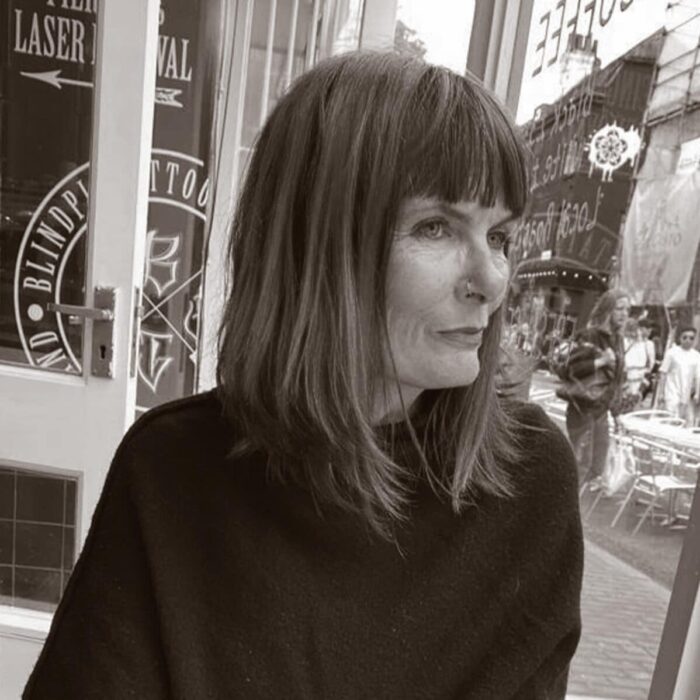
Suzanne Harrington is an Irish writer living in Brighton. She contributes to the Irish Independent and the Irish Examiner, and her work has appeared in the Irish Times, the Belfast Telegraph, and the Guardian. Her first memoir, The Liberty Tree (2013), was published by Atlantic Books; she is currently working on another.
Music/Film: Kneecap
After seeing the frenetic, hilarious Kneecap film at Glastonbury Festival last summer in a hot tent – with a live Q&A with the Belfast hip hop trio and the film’s director Rich Peppiatt – I saw them perform live at London’s Forum, amid a sea of Irish people waving Palestinian flags and English people bellowing along to Kneecap’s Irish-language lyrics without having a clue what they were shouting – which, as an Irish immigrant here since 1987, was a sight to behold. Kneecap are the most thrilling, coruscating act to ever emerge from the island of Ireland, transforming intergenerational trauma into furious joy. They’re making people want to learn Irish, and the the film was shortlisted for two Oscars and nominated for six Baftas. Six! Check out their 2024 debut Fine Art.

Theatre: Oedipus & Elektra
A recent deep dive into Sophocles, in an effort to familiarise myself with Greek tragedy without having to actually read any, had mixed results. Oedipus, directed by Robert Icke and starring Lesley Manville and Mark Strong as mother and son, was electric. Elektra, directed by Daniel Fish and starring Brie Larson and Stockard Channing, less so. While Oedipus barrelled along, reworked as a modern political thriller/family drama, deftly performed and bursting with humour, humanity and intrigue before its final tragedy, the chilly experimentalism of Elektra – baffling, alienating, po-faced – meant not even an Oscar winner like Larson and the 80-year-old Rizzo from Grease could connect it with its audience.

Book: Breakdown
Few debut novels punch as squarely as Cathy Sweeney’s 2024 Breakdown – tight, spare, full of quiet rage and bleak humour, presented in pared-down paragraphs. A sense of conscious unravelling, as an ordinary 52-year-old women does something extraordinary: she leaves. Gets into her car and drives away, in the manner of D.H. Lawrence’s The Woman Who Rode Away but with a better outcome. Leaves her middle class Dublin comfort, her smug husband and entitled children, her formal work clothes, her professional hairdo, and drives, without plan or structure, to the ferry port at Rosslare. Behaves in a way so transgressive for a middle-aged Irish mammy that initially her family are messaging about soya milk and rugby kits before their fury kicks in. She does what many dream of – she puts her phone on silent, and keeps going. I cannot wait to read whatever Cathy Sweeney writes next.

Art and Photography:Outlaws: Fashion Renegades of 80s London
As a teenager in provincial Ireland, I used to devour the magazine The Face, in whose pages I first came across Leigh Bowery (1961-1994). Originally from the Melbourne suburb of Sunshine, Bowery became a performance legend in Eighties London clubland, his fearless sculptural costumes handmade in his Stepney council flat. Seven foot tall in platforms, bald head adorned with paint drips and lightbulbs, he inspired future creatives like Alexander McQueen and Lady Gaga, and was famously painted by Lucien Freud. In the later stage musical Taboo, he was played by Boy George. Thirty years after his death, he’s finally been afforded his own show, Leigh Bowery! at Tate Modern, and is is also featured at the Fashion & Textile Museum’s current show Outlaws: Fashion Renegades of 80s London. Art on stilts.

TV: Say Nothing
Growing up in southern Ireland, as a child I watched The Troubles on the news the same as everyone else outside the North. Say Nothing (Disney+), a nine episode drama, is an edge-of-the-seat adaptation from Patrick Radden Keefe’s unputdownable, forensically researched book. Part socio-political history, part thriller, the series gives extraordinary insight into the backstory, nuances and chaotic cruelty of the Troubles, overlaid with a cracking narrative. It centres around the stories of Jean McConville, a mother of ten ‘disappeared’ by the IRA, and of Dolours and Marian Price, the radicalised teenage sisters who popped over from Belfast to London one weekend in 1973 and blew up the Old Bailey. My favourite detail is that Dolours, played by Maxine Peake, attended the Royal Court theatre the night before the bombing, to see Brian Friel’s Bloody Sunday play The Freedom of the City starring Stephen Rea. She ended up marrying him. You could not make it up.

My Favourite WritersMosaic writers:
Gary Younge for Dispatches from the Diaspora, Bernardine Evaristo for everything from Mr Loverman to Girl, Woman, Other and Umi Sinha for being the best writing teacher.
WritersMosaic monthly
Get new cultural highlights
One email monthly, unsubscribe anytime
Haunting the Black Air
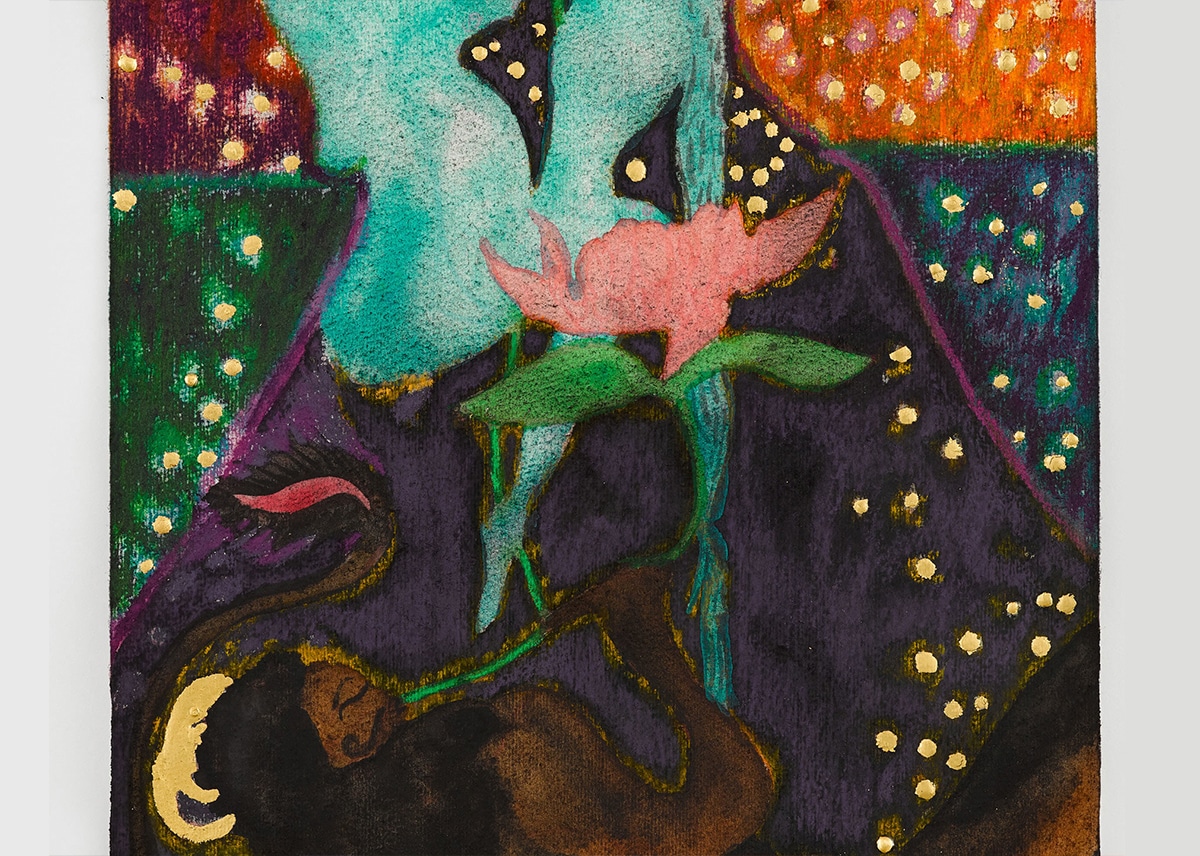
Poetic freedom across space and time
The Disappearers
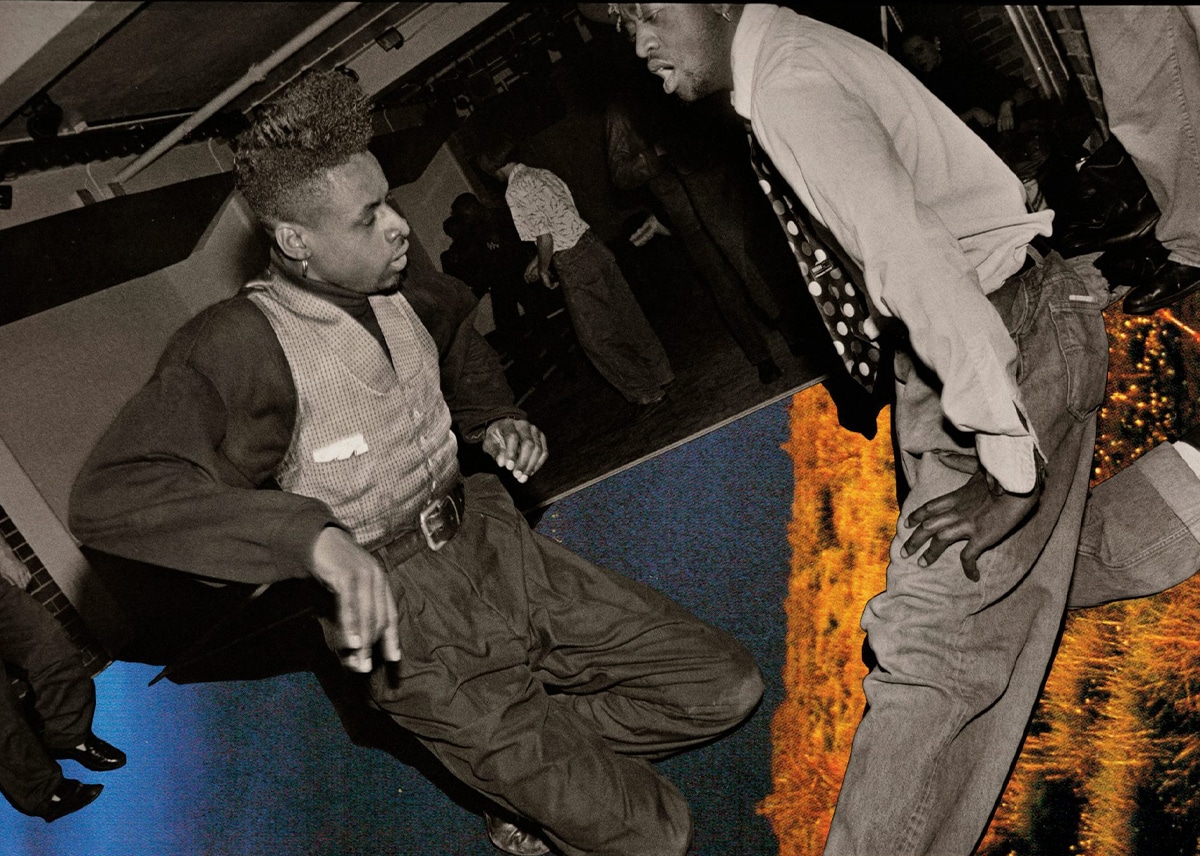
A sprawling visceral experience that drops you in head first
The Lady Imam
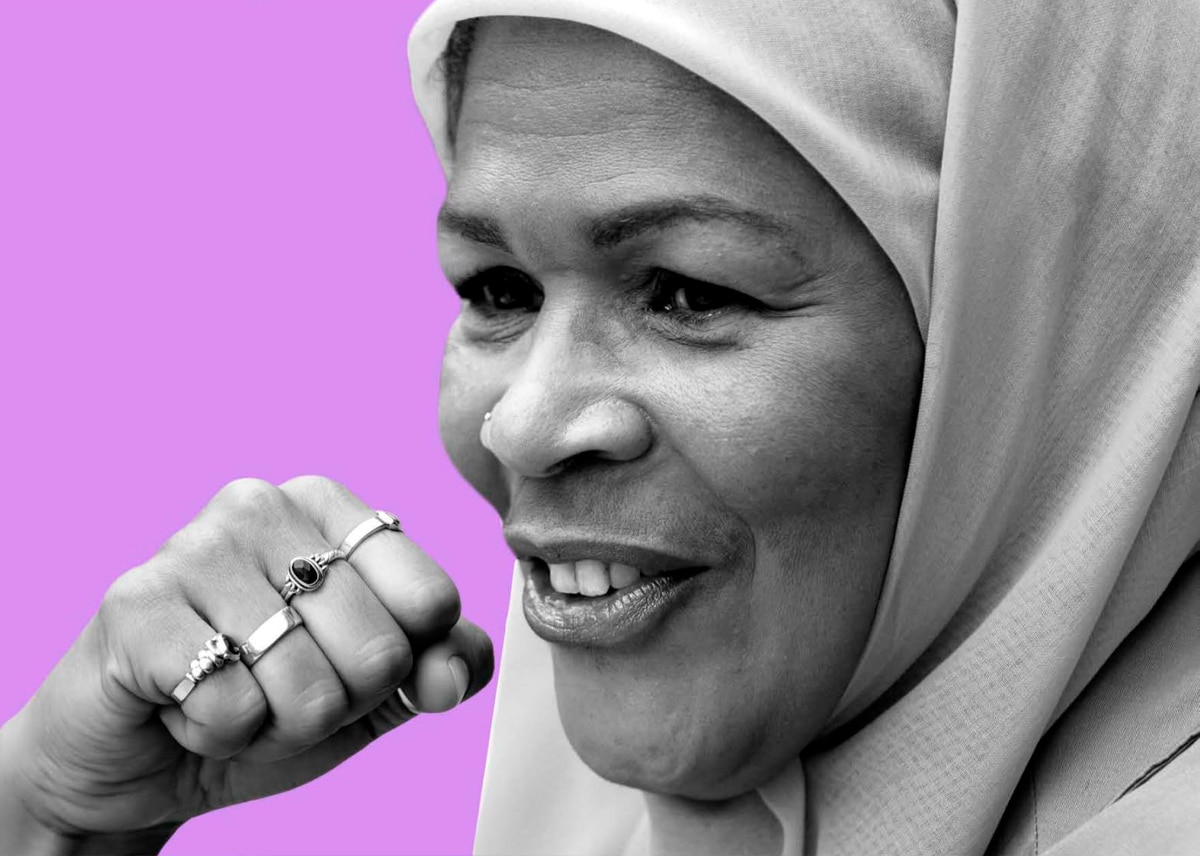
Is the world ready to catch up with amina wadud?
It’s being published I get paid for; the writing I would do for free
‘Any advance [...] for your novel is to compensate you for the horrors of being published'
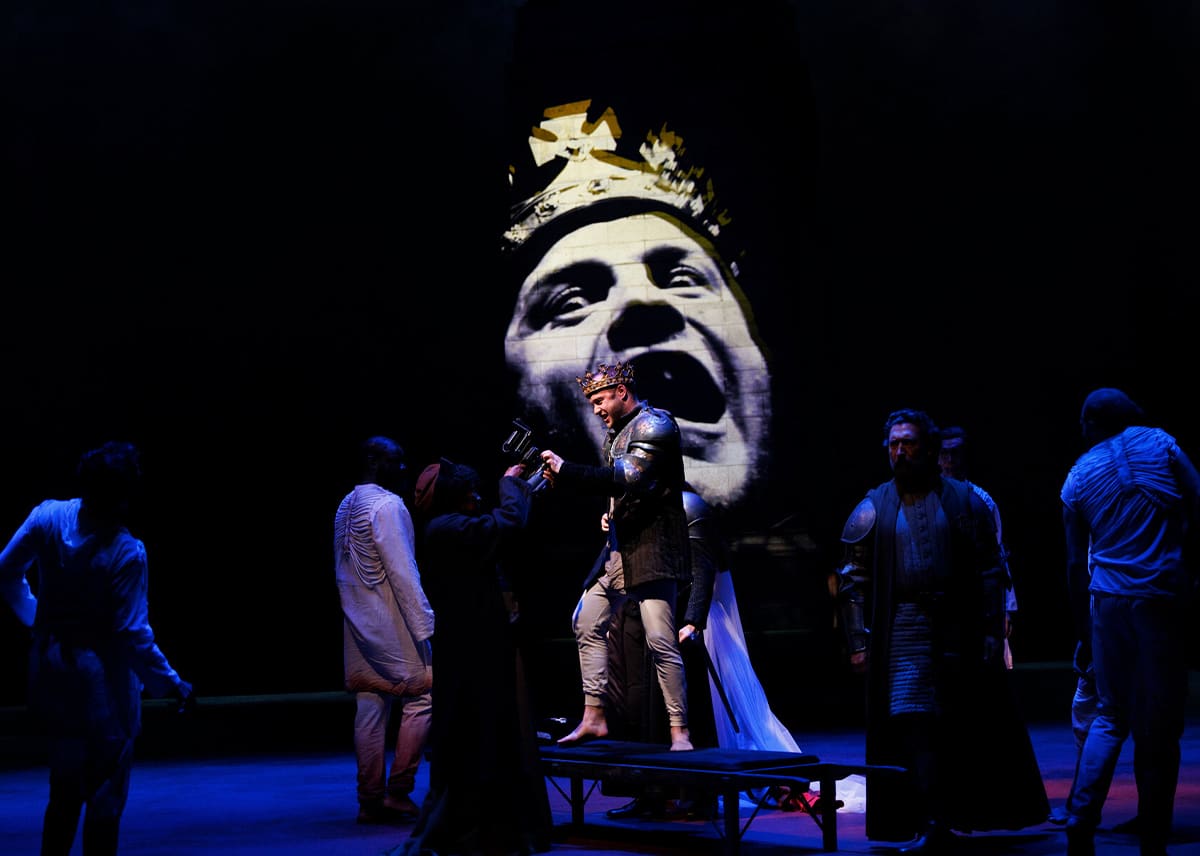
Complex antihero: an interview with Arthur Hughes
Unravelling Authur Hughes' Richard III
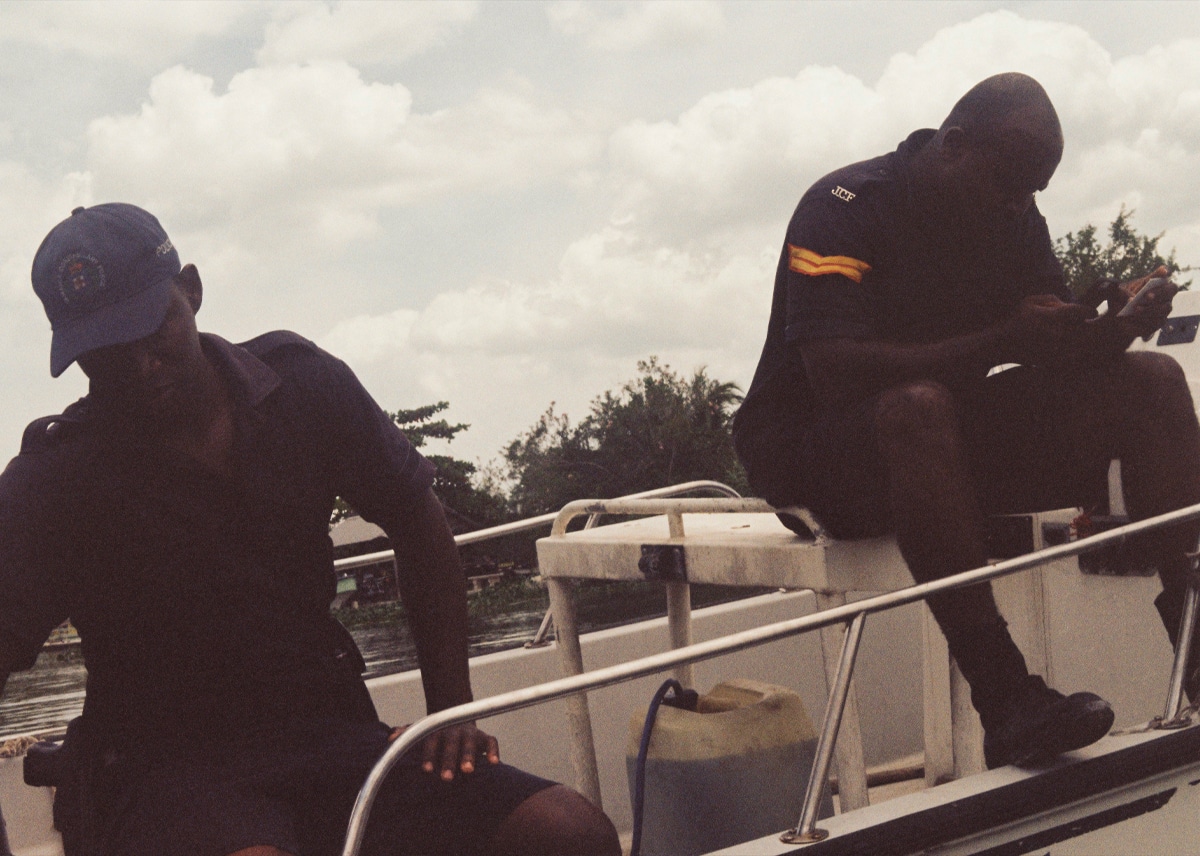
Marlon James: a Jamaican reckoning
'A return to a home I barely knew'


Illuminating, in-depth conversations between writers.
Listen to all episodes
SpotifyApple Podcasts
Amazon Music
YouTube
Other apps

The series that tells the true-life stories of migration to the UK.
Listen to all episodes
SpotifyApple Podcasts
Amazon Music
YouTube
Other apps
WritersMosaic interrogates the notion of ‘staying in your lane’ by asking writers how they attempt to think beyond the parameters of their cultural identity.
Listen to all episodes
SpotifyApple Podcasts
YouTube