
A House For Miss Pauline

Diana McCaulay
Dialogue Books, 2025
Review by Suzanne Harrington
Miss Pauline, who keeps a cutlass down her boot and drinks straight from the river, is ninety-nine and has ‘just live too bloodclaat long.’ But she can’t die until she deals with a secret from long ago, which she believes is causing the stones of her house to move about and talk to her. She worries she is going mad: ‘Madness she fears, but not death.’
The stones of her house, the ones she thinks have come alive, are the dismantled and relocated remains of a backra house – from the West African word Mbakara or ‘white enslaver’: ‘Me tek the slavery stone to build ma house.’ Having lived through Hurricane Charlie and its aftermath, she’d never been interested in marriage to her beloved Clive, but only in a hurricane-proof stone house, dismissing superstitions around duppies and persuading her neighbours to help her move the stones. Later, when an unknown whiteman from America turned up, claiming ownership of her house and land in Jamaica’s rural Mason Hall – land with which he had no connection – something happened that ‘echoed through her dreams for thirty-odd years.’
Pauline Evadne Sinclair is:
‘country born, self-educated, a mother, a lover, a life partner, the parish’s largest ganja farmer, a respected elder […] who had survived the force of hurricanes […] the desperation of drought; had been hungry and seen her children hunger; […] had built herself a house of stone from the what-lef of those who took everything from her ancestors […] and would not take any ‘raasclaat fuckery from a whiteman.’
You start off being slightly scared of Miss Pauline and her ferocity, but as her story unspools, you realise you’re in the presence of a warrior — a woman who has been dealing with fuckery all her life, and not just from white men. ‘Ma heart not hard but ma spine strong. Sometime folks mix up them two tings,’ she explains to a less resilient relative. Equal parts fury, dignity, guts, and brains, Miss Pauline has survived predatory elders in childhood, and an adult life criss-crossed with loss. She kept her children from starving by growing ganja: ‘Cash came in. US dollars […] she saw the plump cheeks of her children and the light in their eyes.’
But as she approaches her hundredth birthday — her son long dead and her daughter in a North American care home with dementia — Miss Pauline needs to contact people. She needs to interact with the modern world, of which she knows little. She thinks her grandson, a hedge fund manager, is a gardener.
A lonely young man from the library, Lamont, shows Pauline how to use Skype and a mobile phone; he is rewarded with guarded kindness. She takes taxis to hotels in the touristy parts of the island, seeking the descendants of the whiteman who had come to claim her land. She needs to do some death cleaning — Miss Pauline stylee. She does it all with a resolute grace and fearlessness.
Diana McCaulay created the character of Miss Pauline, but Miss Pauline’s trajectory – tracking down distant relatives, the descendants of slavers and the enslaved – is based on the author’s own backstory and Jamaican heritage. Mason Hall, lush and wild, is a real place, and the fictional Miss Pauline, a true heroine. If I were a film director, I’d be beating a path to McCaulay’s door.
https://www.dialoguebooks.co.uk/titles/diana-mccaulay/a-house-for-miss-pauline/9780349704265/

WritersMosaic monthly
Get new reviews in your inbox
One email monthly, unsubscribe anytime
The Disappearers
A sprawling visceral experience that drops you in head first

The Lady Imam
Is the world ready to catch up with amina wadud?
Pressure
What's missing from the latest 'untold story behind D-Day'?



Complex antihero: an interview with Arthur Hughes
Unravelling Authur Hughes' Richard III
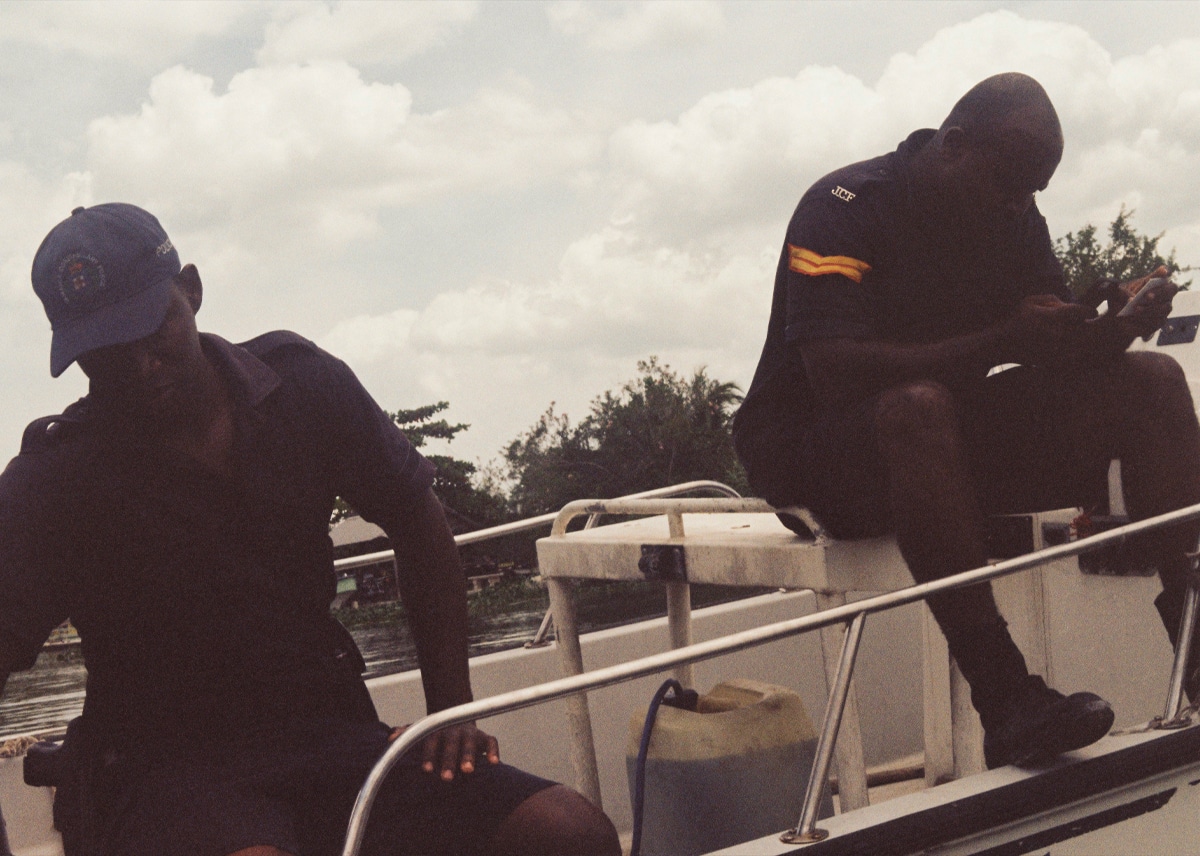
Marlon James: a Jamaican reckoning
'A return to a home I barely knew'
The name of this wallpaper is ‘Childhood’
A luminescent bubble of memory





Illuminating, in-depth conversations between writers.
Listen to all episodes
SpotifyApple Podcasts
Amazon Music
YouTube
Other apps

The series that tells the true-life stories of migration to the UK.
Listen to all episodes
SpotifyApple Podcasts
Amazon Music
YouTube
Other apps
WritersMosaic interrogates the notion of ‘staying in your lane’ by asking writers how they attempt to think beyond the parameters of their cultural identity.
Listen to all episodes
SpotifyApple Podcasts
YouTube