The rain started again
Archipelagos

and swallow low-lying islands of the Caribbean…"
At the end of this sentence, a flood will rise
and swallow low-lying islands of the Caribbean,
like when Hurricane Maria whipped the Atlantic
into a ring of thunderstorms that advanced
the way Auerbach described her vision of terror,
‘wooden huts torn away from their foundations
were carried away, women and children were tied
to the ceiling beams, but no one could see a tangle
of arms waving from the roof, like branches blowing
in the wind, waving desperately toward heaven
toward the river banks for help’.1 And a man,
chest-deep in the surge that snatched his family
from his arms in waves that swelled before him,
like how Columbus and his crew imagined
Leviathan, ‘whose mere sight is overpowering,’
and ‘looked down on all that is haughty’.2
But wasn’t it pride, greed, those sins we’ve forgotten,
for they remind us of what we could have become
instead of what we’ve settled for, and extended
our reach, like the virus with its crown of spikes,
around the waist of the world to the polar ice caps,
melting into the ocean that’s rising one inch
every three years in Miami where leatherbacks
lumber out of the water to lay their eggs,
as carefully as I swaddle my grand-niece in a blanket,
which my daughter remembers, in the same breath
with the bumper sticker on the first car I owned,
‘Save the Whales’, and the protests where we marched
before she could walk, the war she inherited
along with my grandmother’s hair – that simple
country girl from St. James, home to Sam Sharpe
and the Maroons who fought redcoats, their bayonets
stained with the blood of Africans, kidnapped from huts
under the growl of the harmattan’s sweep over the Sahara
to the rim of the Cape Verde Islands, garlanded
by trade winds that complete the circle and begin a new
alphabet of catastrophe: hurricanes that stagger
like a betrayed lover barreling through the islands
until its rage is spent on the sands of our beaches
littered with masks and plastic bottles.
Notes
1. ‘Yizkor, 1943’ by Rachel Auerbach.
2. Job 41:9 and 34, New International Version.
© Geoffrey Philp
The rain started again

The rain started again
Monique Roffey

Green beetles
Hannah Lowe

Scattered thoughts on the River Lea
Joanna Pocock

Its bark
Tessa McWatt

On extinction
Chloe Aridjis

Torn Lace
Shivanee Ramlochan & Andre Bagoo
WritersMosaic monthly
Get new episodes by email
One email monthly, unsubscribe anytime

Illuminating, in-depth conversations between writers.
Listen to all episodes
SpotifyApple Podcasts
Amazon Music
YouTube
Other apps

The series that tells the true-life stories of migration to the UK.
Listen to all episodes
SpotifyApple Podcasts
Amazon Music
YouTube
Other apps
WritersMosaic interrogates the notion of ‘staying in your lane’ by asking writers how they attempt to think beyond the parameters of their cultural identity.
Listen to all episodes
SpotifyApple Podcasts
YouTube


Marlon James: a Jamaican reckoning
'A return to a home I barely knew'
The name of this wallpaper is ‘Childhood’
A luminescent bubble of memory
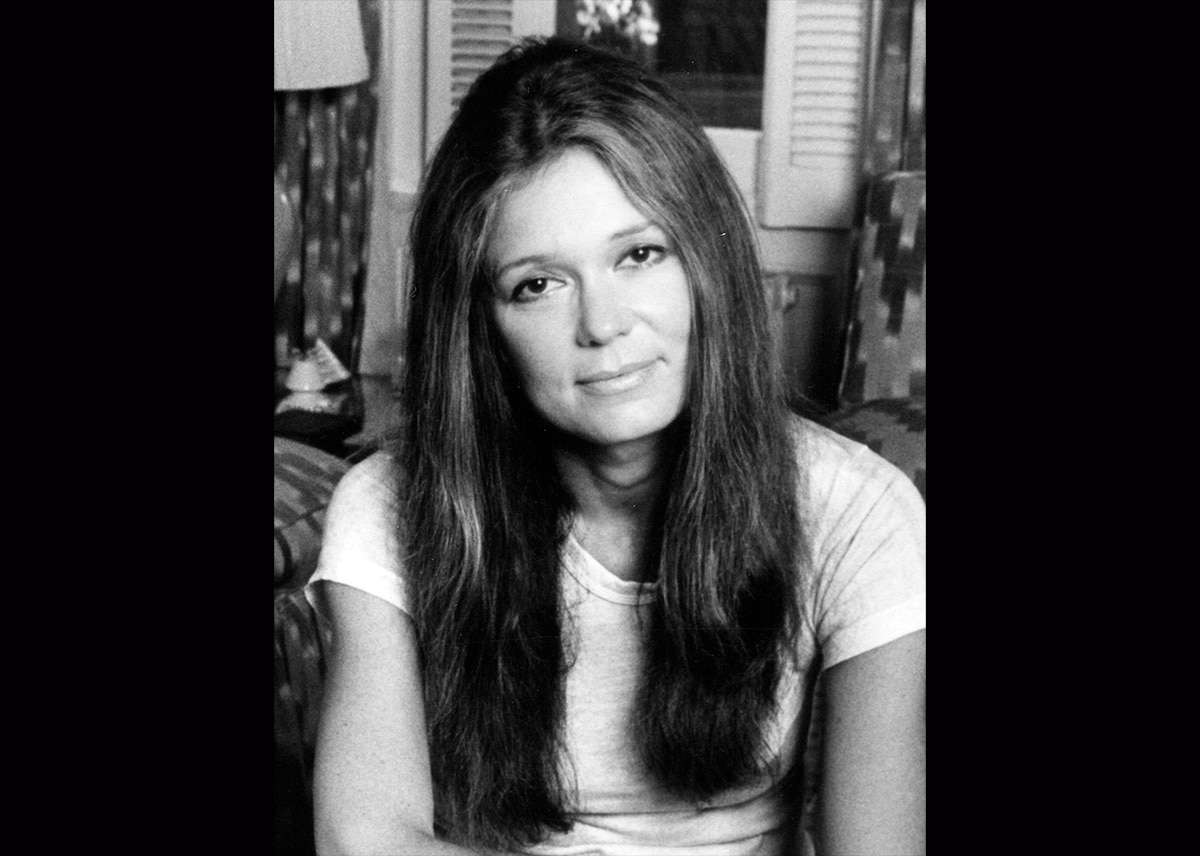
What’s in a feminist? Holding on to Gloria Steinem
Is Gloria Steinem's feminism still relevant today?
Pressure
What's missing from the latest 'untold story behind D-Day'?
A Trial
An examination of theatre’s complicity in post-truth politics