
Price of Emigration
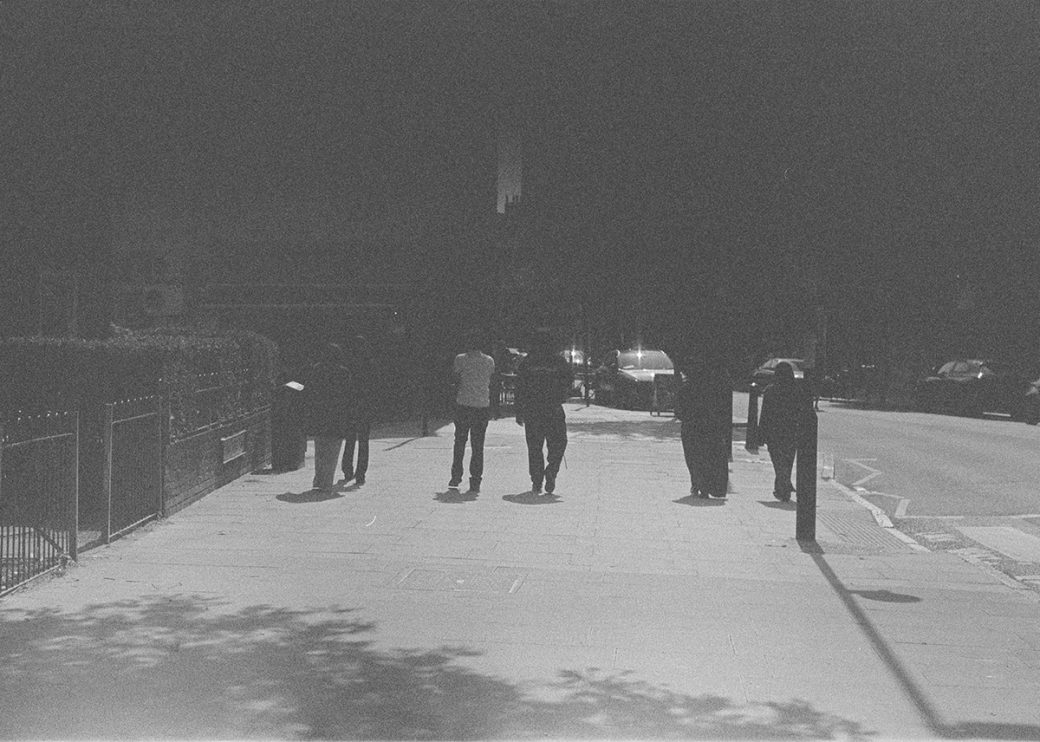
Tariq Latif
I am cut in three
for Harjinder Sangha
my flesh scattered
to opposite parts of the world.
The British Raj
divided my country
with the stroke of a pen
and we had to move.
I reasoned with my sons,
‘the soil will be the same,
the seasons will not change,
our land is one continuous plain.’
But they raged like crazed tigers.
And they uprooted with such anger
and bitterness, I knew
something would give – but this
oh Akal Purakh, not this…
Param, Samir and Manan came to me,
after just one season following the terrible move,
with their passports and visas.
Australia. England. Canada.
I wanted to tear my chemise,
throw off my turban and cut my hair,
but I held myself, though in my heart I cried.
‘Don’t be deceived by the five thieves,’
I said. ‘Wherever you find yourselves,
be sure to build a Gurdwara.’
Then I gouged my sword
into the Punjabi soil
and made a thick cut.
‘A trunk,’ I said and I marked
three branches
for my three boys.
‘Remember your roots,
keep your faith and go in peace.’
I hugged them one by one
and then they were gone,
like jet smoke in the sky.
And the tiger in me lay down to die.
Mimic
Re-locating from Lahore to Manchester
at the age of eight, I learnt to speak
English by approximations, mimicking
the sounds of words as they were spoken.
Compared to Urdu, the English alphabet lacked
subtle kinks and emotive curves – no minarets,
deep pans or snake-eyed shapes to letters.
I had to soften my guttural tongue,
reverse my writing from right to left,
re-name the world with strange new words
and, that slow erosion of my Punjabi self,
alter my auditory and emotional
responses to a new language.
I had to learn that some words
like except and accept sounded the same
but had different meanings. I before e
except after c confounded me.
Before I left primary school
I was taught the word pre-ju-dice,
the meaning of which troubles me to this day.
Sometimes I am asked:
‘Does being bilingual pose problems
in your writing?’
‘No,’ I reply. ‘It makes it richer.’ However,
I should tell you that often poems
do not begin with words
but images or emotions,
and all art is a form of translation –
an approximation of music and vision
heard, seen and felt beyond ourselves.
And that is another act of mimicry.
Price of emigration
In this film a French actor plays a Scotsman
who is banished from his clan.
Our fathers left their respective homelands
to improve the prospects of our lives.
Having graduated we play-act
being British, fussing over mortgages,
joking about pensions and grudging the fact
that in our jobs discrimination is a given.
Ramjet’s father once confessed he never
intended for his children to stay.
To his frustration they scattered,
pursuing careers all over the UK.
And in the last of his days, they all took flights
to Panjim to share with him in his last hours
the unknown honeycombs of his life.
Those intense moments silted down to silence.
A day later, raging flames from the pyre
burned in their minds a blaze of images –
his nervous laughter, his solemn face,
his leaving them to go back home to India.
They stayed awhile, sniffing the hot
salty air of his birthplace, eating
methi aloo with red chillies and roti,
cooked to perfection from recipes
passed down by word of mouth across
generations. They conversed with uncles,
aunts and cousins who knew the family’s roots
going back over two hundred years. Later still,
Ramjet and his siblings departed in different jets.
Watched by his cousins, those planes
left white trails that pointed to different skies.
White roots that vanished before their eyes.
Cellular communication
I heard the clank and creak of wooden wheels
turning through dry ruts on a dirt track;
my cousin’s earthy voice over the peals
of brass bells; a whip slapping a bull’s back;
and my aunt’s chatter, bright as a sparrow’s
among her children, harvesting the black
rice. I felt a warmth drift in my marrow
as we conversed, and then I felt a lack
in our shared lives, lived continents apart.
An exile’s inward lament for family, friends
and home filled me with longing. My heart
ached, but I talked on as one who pretends
that all is well and will always be well,
if we never speak of this private hell.
Hunger
There is a particular soft bone
in the shoulder of a lamb that is edible.
My uncle gave it to my mum,
after he had licked it clean
of all the meat and spice. My mother,
who had slaved to cook that meal,
ate it with bitterness. She gave me
some lamb fat, which was my share.
That was in Lahore. I think I was six.
Skinny, undernourished and sick.
I remember months later at my aunt’s house,
although I was full, my hungry eyes
made me delirious
looking at all the plates
heaped with tandoori chicken,
steaming saag gosht with spiced pilau rice,
limitless naan bread and huge silver dishes
full of sweet yellow rice with almonds and raisins.
That wedding feast was paradise.
*
‘Poverty,’ says Ashley, as she scoffs
smoked salmon with some soft cheese, ‘is relative.’
She purses her lips to a glass of Chardonnay and declares:
‘Poverty and poetry are synonymous.’
I hear some seagulls outside,
scrapping over scraps of bread.
Their cries sound like knives
being sharpened against stone.
I begin to tell Ashley
about a particular soft bone…
Incidental
‘Call an ambulance, the Paki’s dead.’
That Paki happened to be my dad.
His heart had packed in and he had crashed
his car halfway down the circular exit
of the Tesco car park. In that same hour,
I had hooked a trout in a remote loch,
miles away from the madness. The fish
had shivered in the silvery light
as the sun, a newly minted coin, hung low.
And in that same insane hour when
they had prised him out of the car,
my brothers, waiting for him at home,
were getting hungry for fresh baguettes
and my sisters, one in Chicago, the other in Beijing,
were having a rant about boyfriends on Twitter.
Three days later, surrounded by his old friends,
we were shovelling earth in his grave.
Two men passing us commented:
‘Never seen so many Pakis in a cemetery.’
‘That’s just where they belong.’
Black snow
I know your silence and stony glare spells
hate for my honey-coloured skin. My face
might then show fear because your hatred smells
of petrol, ropes, charred wood. You know my race
and know we’re all the same. Like all the other
non-white inferiors. Sticks and stones will break
my bones, but all you’ll have is another
corpse. You will never burn or hang or stake
my soul – it is strong even while you stand
tall behind hoods. In a crowd. Proud coward.
You claim supremacy but understand
this: your genetically pure blood has soured
with your venomous lies. We have one life.
You could waste it on hate, or drop the knife.
Ices
Your wintered-out path is pocked
with puddles of sick water.
It snakes and turns on itself.
Each iced surface is a page
smeared with clumsy curves, random
braille or binary languages
shaped by the movement of beasts,
boots or migratory birds –
clues in some strange code of how
you were brainwashed and deceived.
Remember when you were five
you kept slipping on the hard
frozen pond? I kept hoping
you would work out the method
to balance your weight that would
keep you upright. When you fell
the fourth time I gathered you
in my strong arms, held you tight
whispered it’s all right. I won’t
let you go. Somehow over
the years you fell in cyber
space, vanished in some webcam
dream. Migratory birds will
find their way back home but not
you. There are no return flights
from the country you entered.
No maps. No telephones. Nothing.
Callous brutality
will not get you to heaven.
Your jihadist cries are lies.
I am sick with shame. Horror
and shame. I pray to Allah
to receive those you murdered
in paradise, to comfort
their distressed families. And
for Christ’s blood to absolve us.
Refugees
When the fisherman casts his line
out to sea, a splinter of light
loops along the brief curve
and the slack line becomes
an umbilical cord that connects him
to the vast mass of the sea’s dark,
to the care-free movement of shoals
and some primeval instinct for survival.
His son, along the beach, lifts a kite
into the blue. The boy gauges
the weight of the wind with his fingers.
He is envious of migratory birds,
their freedom of flight
and how they cross borders
without visas, papers or fuss.
His kite is now a white dot
floating alongside the evening star.
He releases the string and watches
the kite vanishing in the twilight,
and imagines a girl finding it
caught in a tree, hanging limp
like an idea of hope, freedom, peace,
a life without explosions, gunfire,
screaming and dying. He longs
for an ordinary childhood.
His father winds in a silvery fish
that twists and splashes in shiny arcs.
Slowly the sky is flayed by the quiet
blades of starlight. The man whispers grace
over the savoury scents of smoked fish.
As they eat the lean portions of meat
he points out the constellation of stars
that mark the edge of the galaxy.
Beyond that, he says, there are many
many galaxies and many, many gods,
each seeking and asking and asking…
WritersMosaic monthly
Get new writing in your inbox
One email monthly, unsubscribe anytime
Triage
A response to the endless spiral of worldwide conflict and tragedy
My tomorrow is today
'I clasped my hands together, not in prayer but to stop them from shaking'
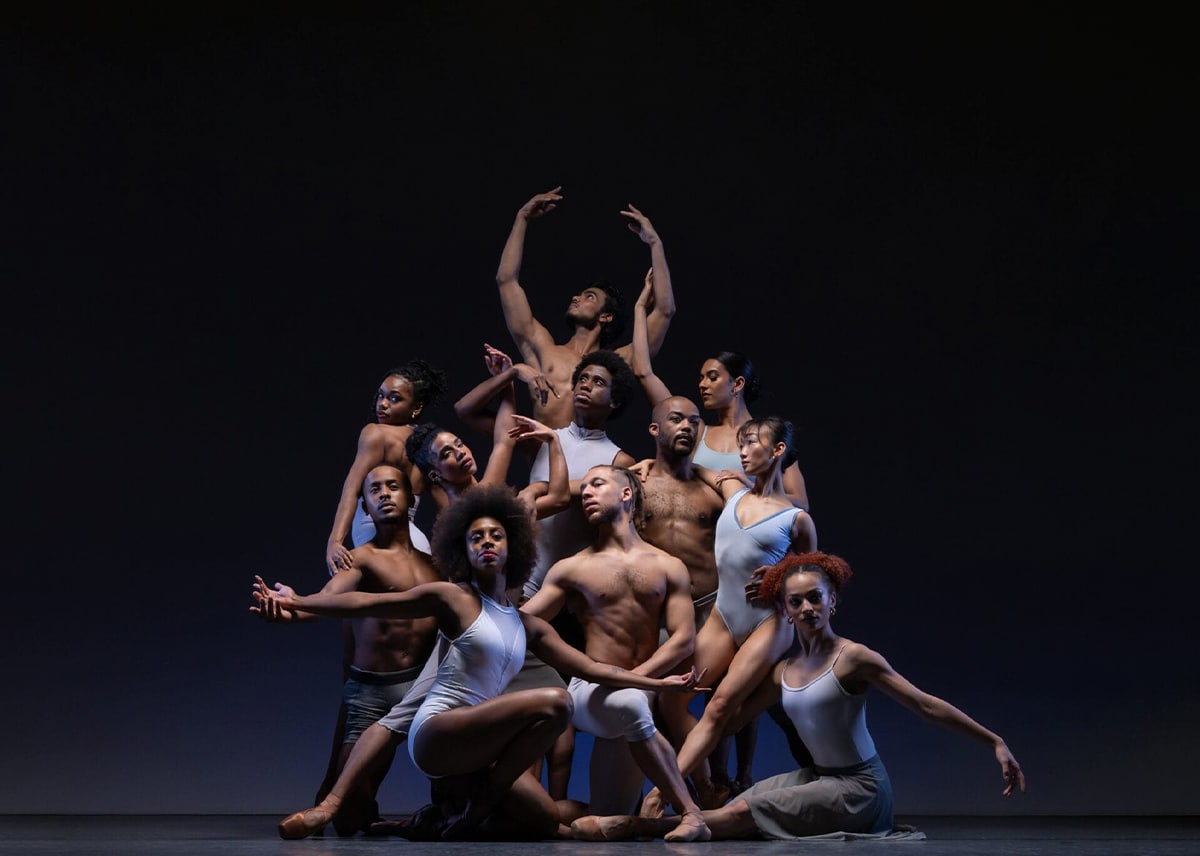
Ballet Black at 25
Cassa Pancho: 'It’s a miracle that we are still here in some way'
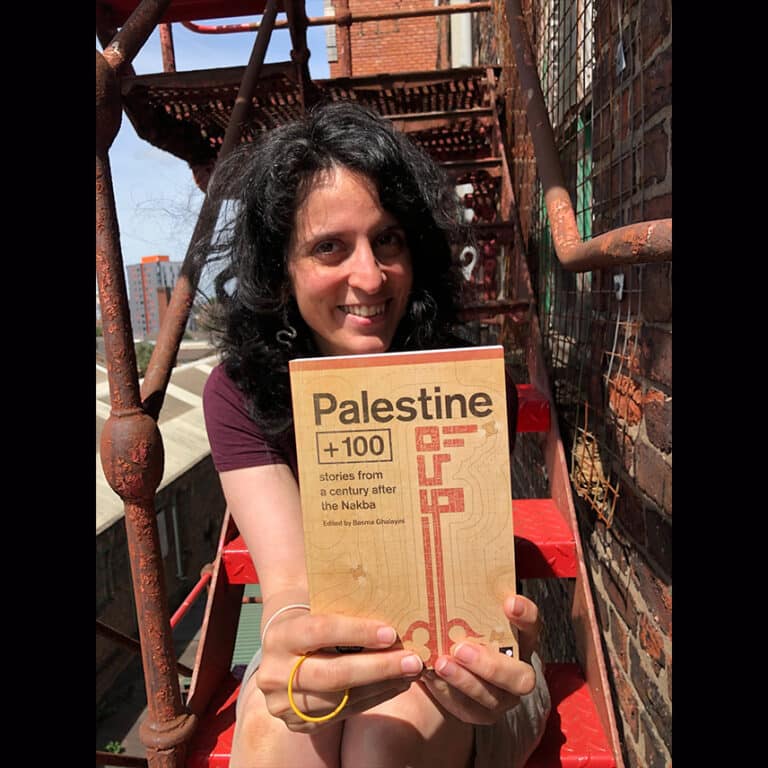
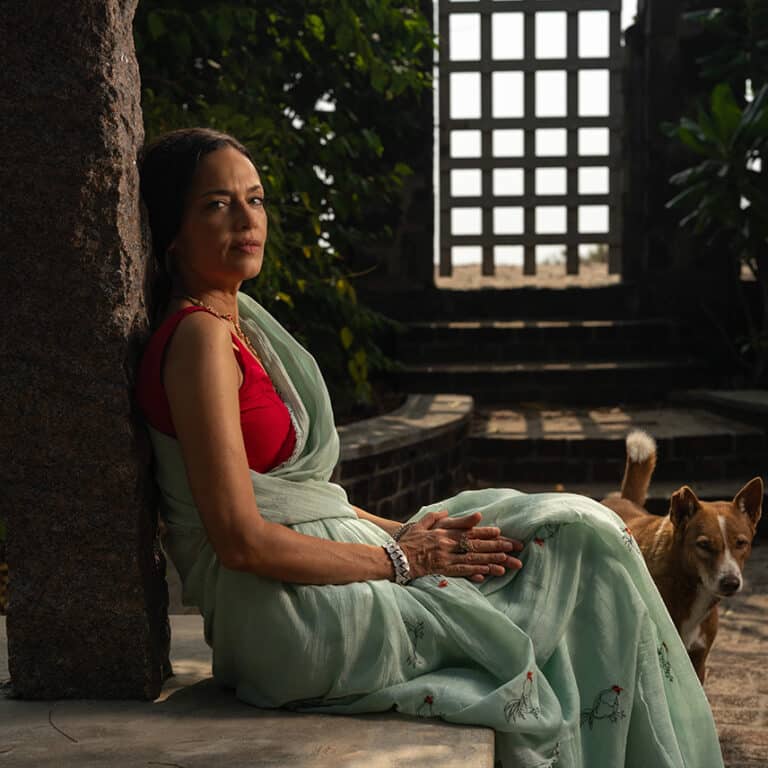
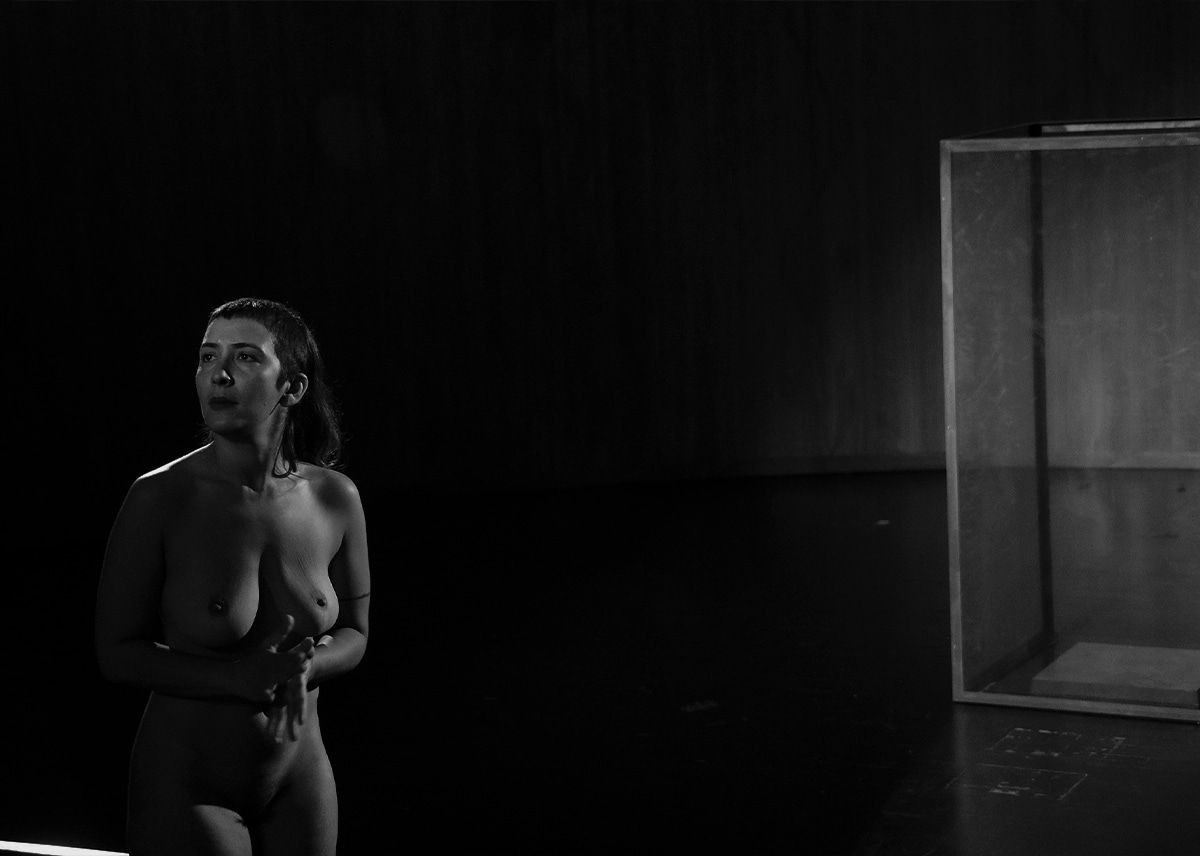
Mahsa Salali’s Naqqāli
'Salali positions the female body... as an active agent'

At Sea
Bearing witness in the face of dismissal
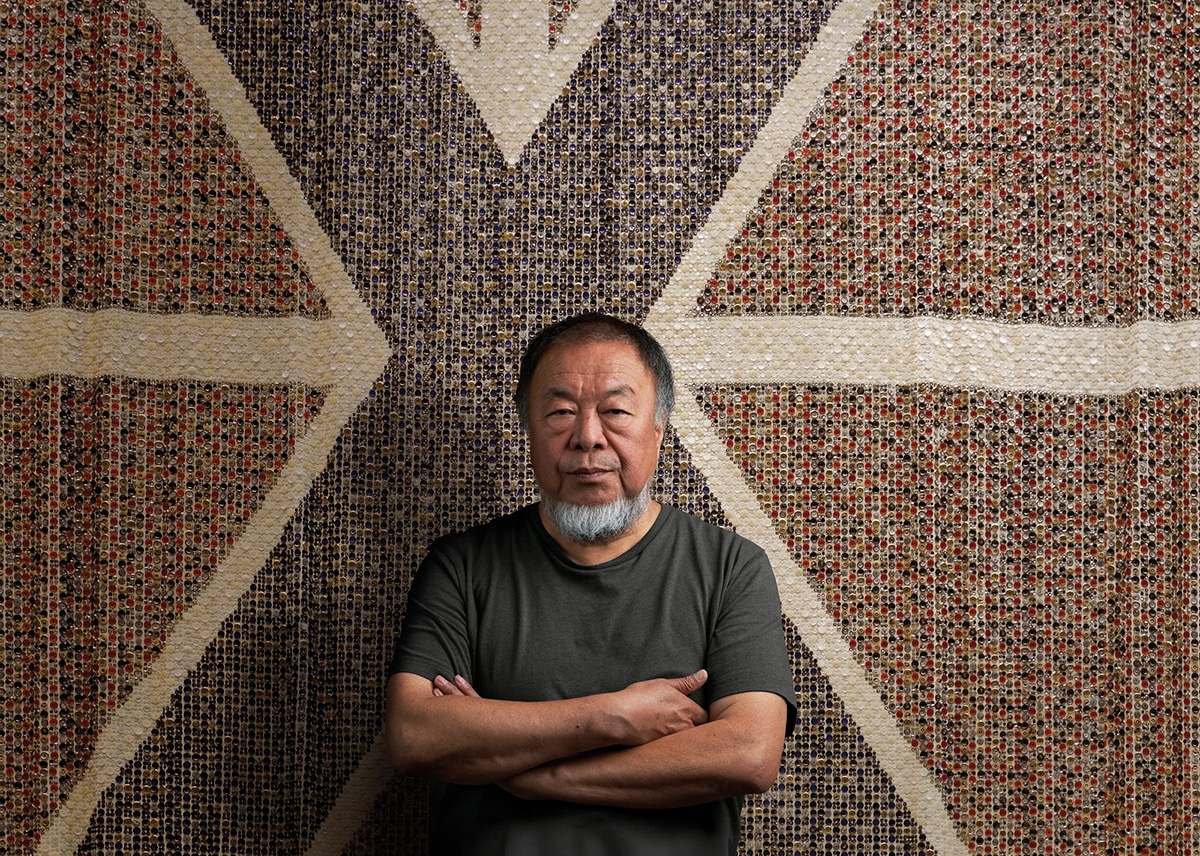
Ai Weiwei: Button Up!
A journey through the dangerous world of human tragedy

Free Will
Will Harris reads his poem, 'Free Will'. Directed by Matthew Thompson and commissioned by the Adrian Brinkerhoff Poetry Foundation.

Half Written Love Letter
Selina Nwulu reads her poem, 'Half Written Love Letter'. Directed by Matthew Thompson and commissioned by the Adrian Brinkerhoff Poetry Foundation.

Illuminating, in-depth conversations between writers.
Listen to all episodes
SpotifyApple Podcasts
Amazon Music
YouTube
Other apps

The series that tells the true-life stories of migration to the UK.
Listen to all episodes
SpotifyApple Podcasts
Amazon Music
YouTube
Other apps
In the first series of poems commissioned by Hannah Lowe, six poets explore how ritual gives meaning to our lives.
Listen to all episodes
SpotifyApple Podcasts
YouTube