And the winner is...
Poets en masse

In January 2021, I put on a metallic Adidas jumpsuit, some Girls Aloud-branded false eyelashes (Nicola Roberts edition), sat on my sofa opposite my phone, which was propped up on a stack of books, and said, ‘Hello, I wish we were all in a room together,’ before reading a couple of poems into the void.
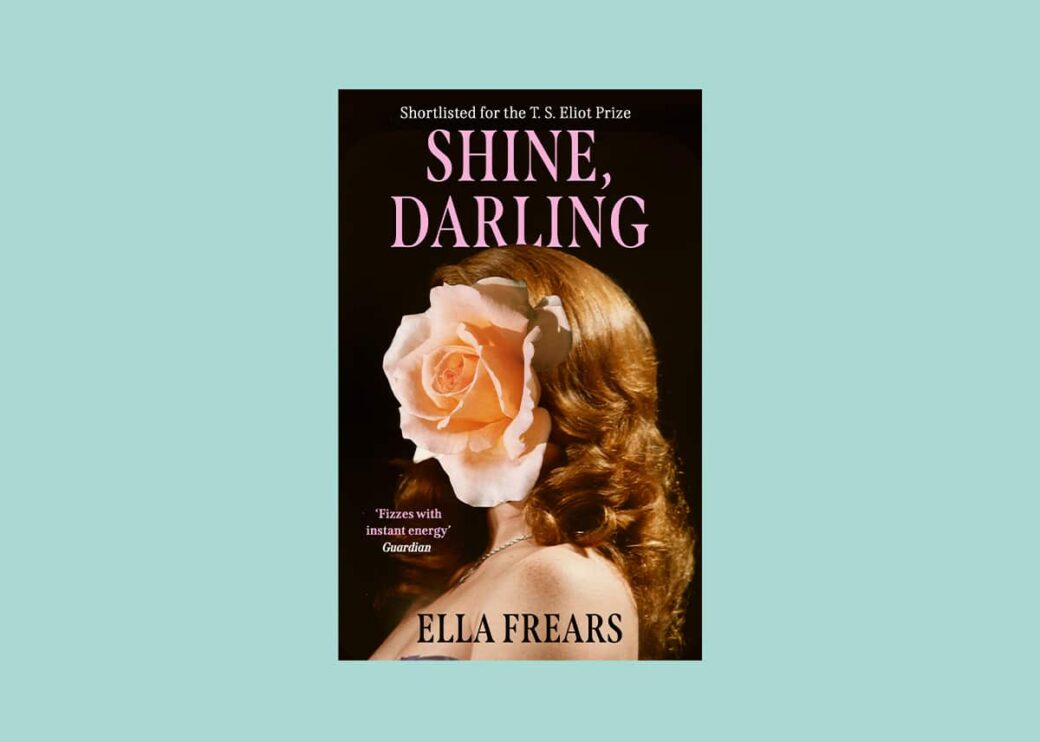
My book, Shine, Darling, came out in April 2020, three weeks after Boris Johnson told the British public to ‘stay at home’. There was no book launch; we hadn’t yet fallen into the rhythm of Zoom events. In October of that year, my publisher, Martha Sprackland, sent me an email with the subject heading, ‘You sitting down?’, telling me that I’d been shortlisted for the Eliots. I was thrilled, but in the months that followed I was filled with a restless, itchy yearning for the party that wouldn’t be happening. Before the pandemic, I had taken poetry events for granted. I’d thought that I hated doing readings. I was adamant that I was only ever on stage because I’d been dragged up there. I also took for granted that complex and constellated group of familiar faces – the poets. Now I wanted desperately to see them. I wanted to hug them. I was positively jonesing to gossip and drink a glass of room-temperature wine. I was kicking myself for not grasping every pre-pandemic opportunity to party with the poets with rabid enthusiasm.
The digital ceremony, like many things that year, was a bit sad. Not only were we all awkward, pre-recorded and self-filmed in our separate living rooms, but it turned out on the night that you could click ahead on the video. As the pre-announcement readings were beginning to play, I got a flurry of commiseration messages from non-poet friends and family who had (of course) chosen to skip through the poems. I’d bought a pair of Robert Clergerie shoes: black satin, to wear while I watched the digital ceremony. I thought this would make it feel celebratory, but clomping around my tiny flat in pyjamas and heels while watching my own sullen face in that same dim room, pausing painfully between poems to look out into that gaping silence, made me feel nuts. It did, however, make me realise something very important about prizes: I’m in favour so long as there’s a party.
The first poetry prize event I went to after lockdown was the Forward Prize in 2021. Crashing that party at the Southbank Centre had always been fun, but now attending it seemed critical, curative. Seeing so many poets again, I felt high; I achieved a new level of merriness I wasn’t aware existed. Once the event had finished, a group of us tried to find a bar, but it was Sunday and none were open. Instead, we sat on the wide grey island of pavement at the intersection of Waterloo Road, Cornwall Road and The Cut, opposite the Old Vic, and passed a bottle of cheap Prosecco around. When I think back, that memory is weighty and shining: a little gold ingot of an evening. Thirty-odd poets, all ages, lit by streetlights and passing traffic – winners, losers, judges, the overlooked, the lorded, the fancy, the scrappy, the new – sitting in the London dirt, loving poems.
Poets are fantastic en masse. In part, this has to do with poems being (mostly) short. You can read one poem by a poet and you’ll have consumed something whole by that person; you’ll have some idea of what they do. This can take less than two minutes. And with every individual poem being its own little world, the chances for creative reinvention and reintroduction are plentiful. ‘I’m not normally a fan of X,’ you might say, ‘but that recent poem they published in Y was wonderful.’ I feel for novelists, who must carry around the weight of all the unread books of their peers. Poets also benefit from not making any money. Of course, if I could click my fingers and have that change I would – I wouldn’t think twice! – but the trade-off is that our medium has been saved from a lot of the cold nonsense that comes with money. We have ambition, and it is full-throated, but it is also unavoidably modest.
The first time I attended the T. S. Eliot Prize readings in 2014, I didn’t know poetry. I’d never heard of any of the poets reading. The readers and the audience all seemed to know each other. I stood with some new poet friends and tried to keep up with the conversation, which was fast and full of names. Impenetrable. But poetry is small and enticing; you only need to dip a toe before you’re rapidly sucked into a vortex of knowing and being known.
For me, the magic of these prizes is not the glorification of one poet, but the power they have to gather many poets into one room. Poets you know, poets you admire, poets you haven’t seen for a decade or more, local poets, poets from across the world. And we’re fun. I love our messiness, our variousness, our self-consciousness that is not only allowed but expected. I enjoy the side-eyes and glances and in-jokes. Last year, after the Eliots ceremony, I watched a well-known poet project a huge arc of red-wine vomit across the wooden floor of a pub and found it, well, poetic. I woke up to multiple messages from poets I’d chatted to apologising in case they’d been weird, and felt compelled to do the same. At this year’s ceremony, a poet, wearing an excellent suit and smoking outside, leaned in conspiratorially and said to me, ‘How do you feel about Catullus?’ What a life! What strange happiness. I’ll never take it for granted again. Long live the Eliots – may we always have reasons to gather.
© Ella Frears
And the winner is...
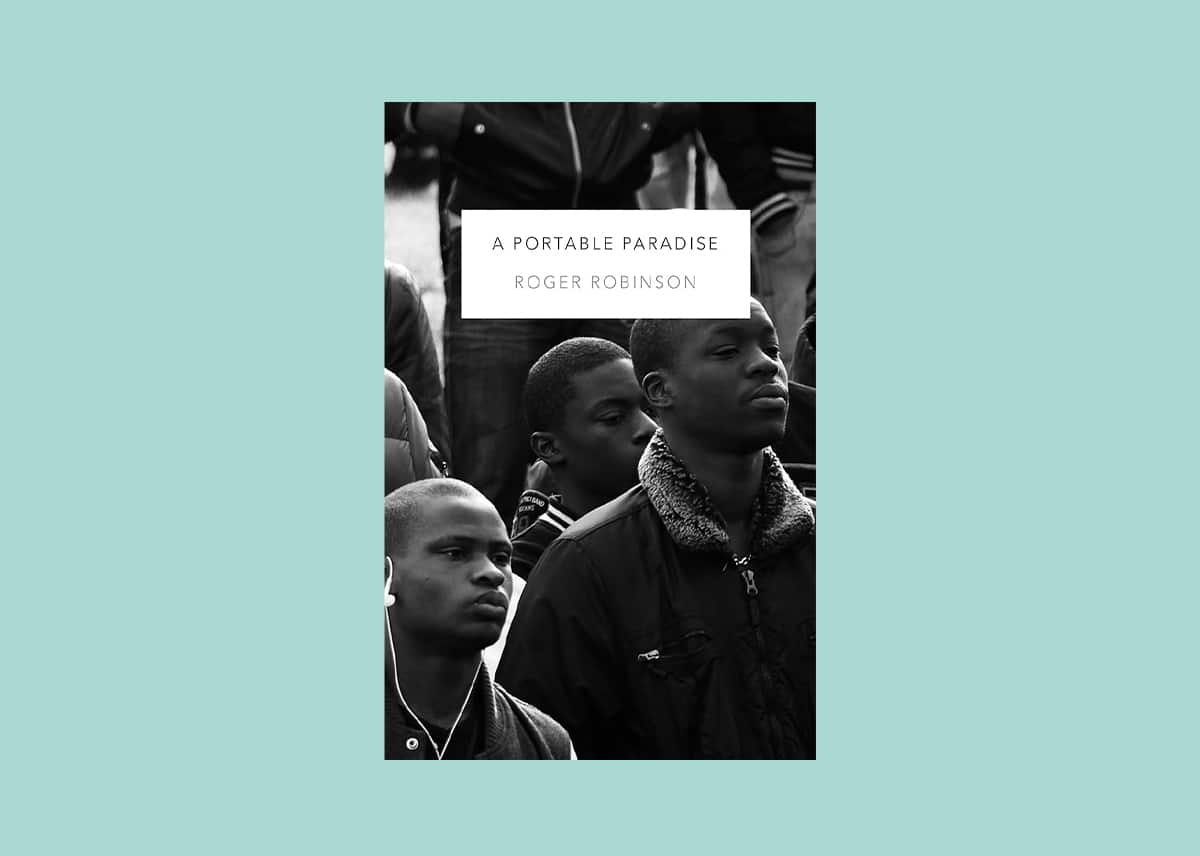
A Portable Paradise, shared
Roger Robinson
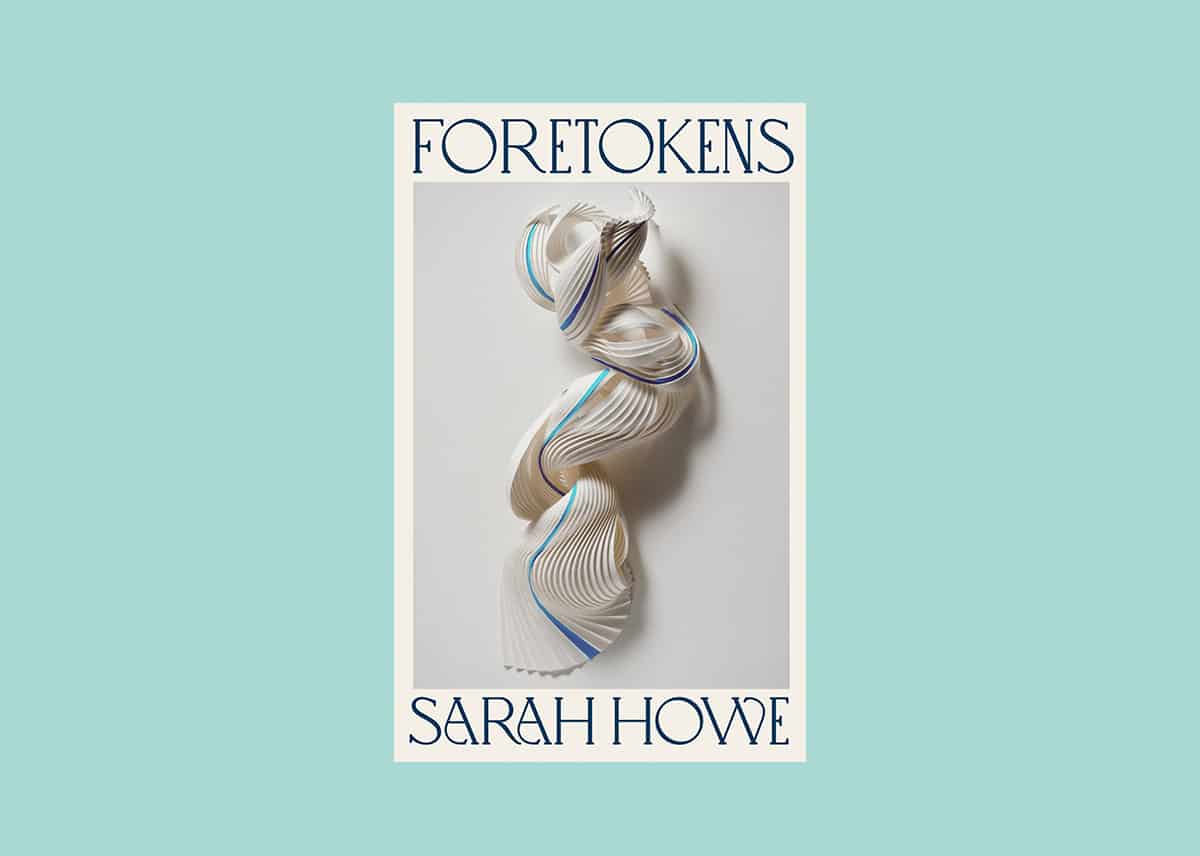
Hoard / Archive
Sarah Howe
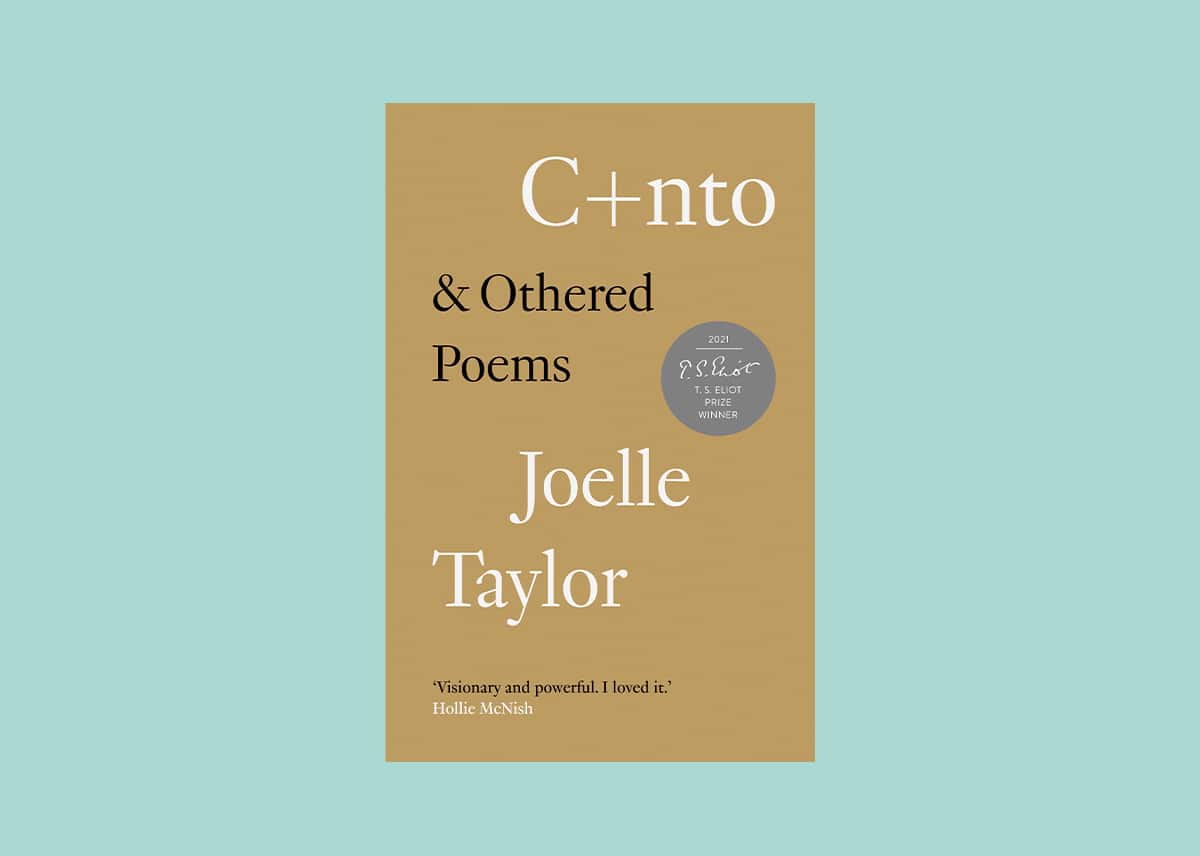
Life after the T. S. Eliot Prize
Joelle Taylor
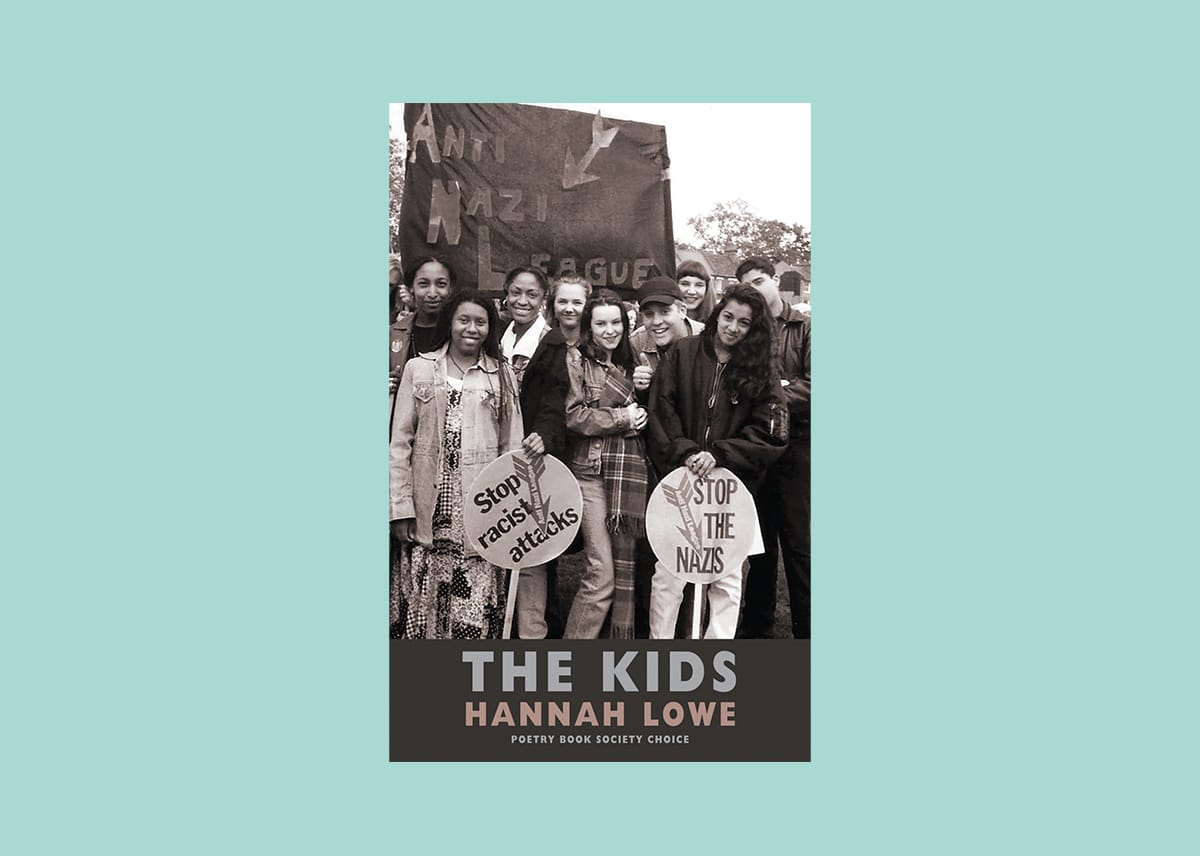
Change of heart
Hannah Lowe
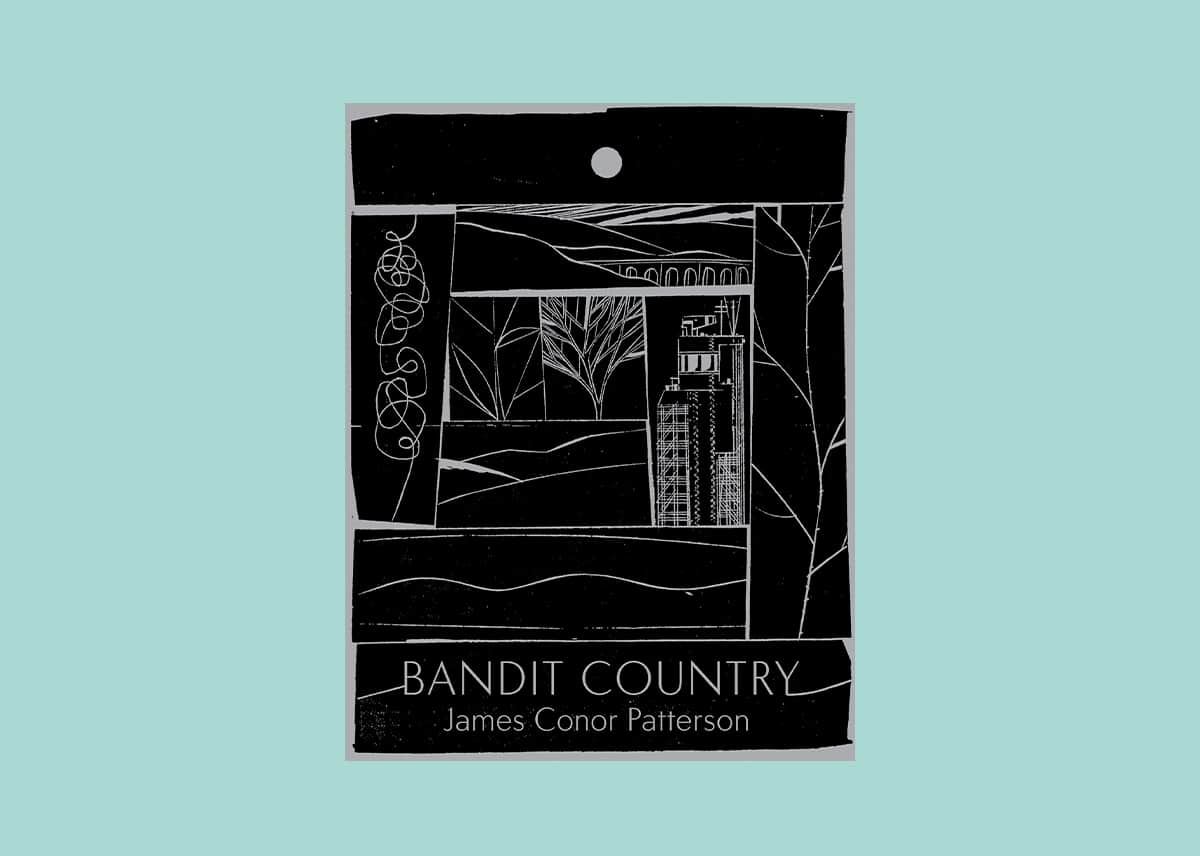
A sort of homecoming
James Conor Patterson
WritersMosaic monthly
Get new episodes by email
One email monthly, unsubscribe anytime

Illuminating, in-depth conversations between writers.
Listen to all episodes
SpotifyApple Podcasts
Amazon Music
YouTube
Other apps

The series that tells the true-life stories of migration to the UK.
Listen to all episodes
SpotifyApple Podcasts
Amazon Music
YouTube
Other apps
WritersMosaic interrogates the notion of ‘staying in your lane’ by asking writers how they attempt to think beyond the parameters of their cultural identity.
Listen to all episodes
SpotifyApple Podcasts
YouTube


Complex antihero: an interview with Arthur Hughes
Unravelling Authur Hughes' Richard III
Marlon James: a Jamaican reckoning
'A return to a home I barely knew'
The name of this wallpaper is ‘Childhood’
A luminescent bubble of memory
The Disappearers
A sprawling visceral experience that drops you in head first
The Lady Imam
Is the world ready to catch up with amina wadud?