
Delaine Le Bas: Un-Fair-Ground
Delaine Le Bas: Un-Fair-Ground
Whitworth Art Gallery, Manchester, 2026
‘I want to have a conversation with as many people as possible; it’s almost like creating lots of different doorways for people to be able to enter through.’ – Delaine le Bas speaking to The Guardian in 2024.
There are many ways into this exhibition by the 2024 Turner-nominated artist Delaine Le Bas at the Whitworth Art Gallery. Billed as a solo exhibition, her work thrums with people and ideas. Part retrospective, including the piece ‘Romani Embassy’ created with her late husband, Damian le Bas, it includes pieces from outsider art and work she’s creating right now, in painting, performance and installation. The exhibition includes Delaine’s responses to the collection at the Whitworth Art Gallery, the Musgrave Kinley Outsider Art Collection, and a collaboration with Manchester-based artists Leslie Thompson and Sarah Lee from Venture Arts, whose work is exhibited alongside Delaine’s with no distinction. This brings the outside in – something of a theme at the Whitworth, which integrates its setting between Manchester’s Moss Side and the original building of the Manchester Victoria University.
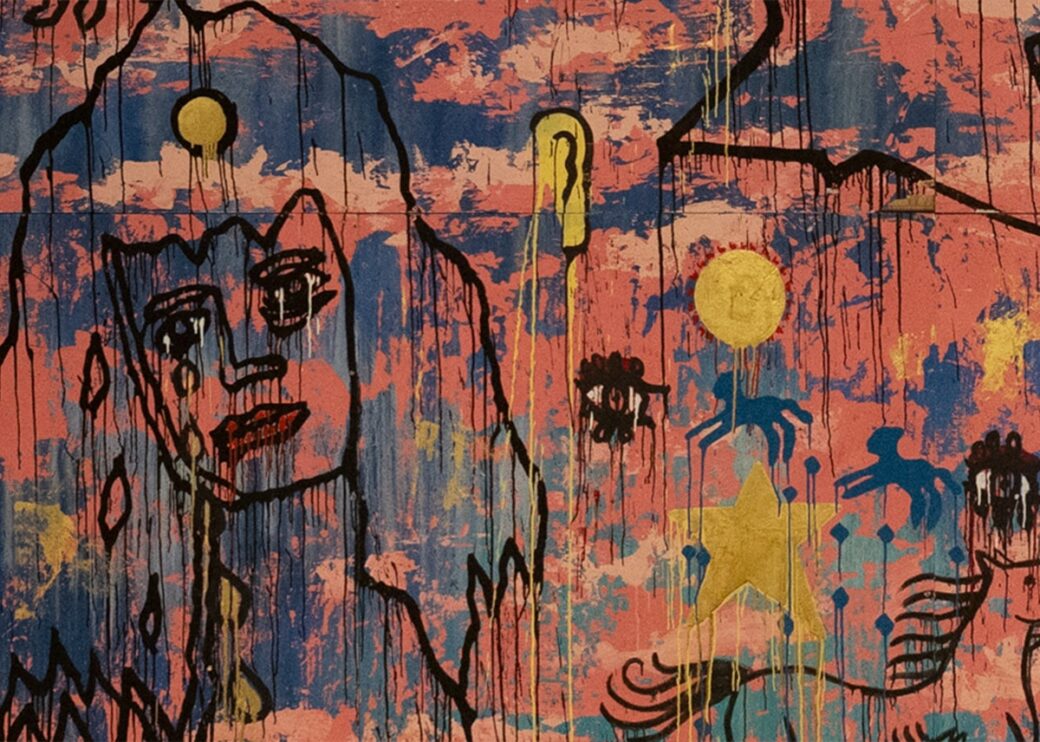
To begin, we enter the double-height hall facing the park in which the Whitworth sits. ‘Un-Fair-Ground’, created for the Glastonbury Festival in 2024, is flanked by three textile paintings from the ‘Exquisite Corpse’ series (also 2024). The height is imposing, the pink playful and vibrant; the paint drips could almost be fresh, until you notice Mickey Mouse, his mouth a grimace, pouring fire on a mound of skulls. The cartoon and the destruction feel like a distortion of reality, but this is the reality of now: the undeserved cruelty of bombs and displacement. ‘Everyone knows the Disney characters’, the artist notes, ‘but try asking anyone to quote even one article from the Declaration of Human Rights’.
There is a brightness to the rooms, white light on white paper, which was a factor in feeling dazzled by the exhibition: murals, a child’s xylophone, Russian ballet costumes, motifs of dates, flowers and women lifting weights. This is not a polite, contained exhibition; this is somewhere to live, to explore, to be challenged. The lighting of the rooms expresses the direct fearlessness of her work, with nothing concealed.
The question of restriction and freedom continue in ‘Witch House’, a new installation that expands on her 2009 work, ‘Witch Hunt’. For me, this was the heart of the exhibition. A paper canopy dims the lights, making the space feel more intimate and contained than the other rooms. Delaine has papered the room with a pattern including handwritten extract from a piece by Michael Howard, writing in the Mail on Sunday in 2004, as leader of the Conservative Party.
Underneath, Le Bas has put in capitals: ‘Meet your neighbours’.
The wallpaper design also features a cute 1970s doll in a black knitted hood. It seems harmless at first sight. But in this context, what does it say about the feminine, about sanitising or rebranding a wild, innate power?
The paper is torn away in places. What is beneath the surface? Twelve paintings from the Whitworth’s collection, including works by Goya, Paula Rego, Miró and William Blake, in which witches or magical creatures are observed. I took in the beauty of Circe, the muscularity of Blake, and the narrative of Paula Rego’s ‘Baa Baa Blacksheep’. There’s something disturbing in the way the girl stands before the ram, and the boy looking in through the window. I noticed my own voyeurism, sanctioned in this context, and thought about exclusion – and how, sometimes, being on the outside makes it easier to run away.
I left the Witch House and followed the exhibition through the rooms. Here, in the first English art gallery built in a park – for ‘the perpetual gratification of the people of Manchester’ – in a city built on the manufacture and trading of textiles on an unimagined scale, the cloth and wallpaper come with associations, with folk memory – my own included.
I left the world of Delaine feeling fascinated, my head spinning. Referencing and building, moving from delicate to bold, from mythical to modern, alive with emotional and political meaning, the exhibition draws on the past to inform and encourage the choices and direction we take today. The scale of the work is unrestricted, disregarding limits or borders; her use of numbers and dates, in free-flowing strokes, feels immediate, spontaneous and free.
Everything is part of everything; each artist, each piece is connected through her perception. Delaine creates a world that is spiritual, personal, political, of the moment and reaching back through time. She works with every inch of the space. The last room I entered was swathed in calico: a work she made in 40 days opposite the door; monochrome works by her family on the walls; the modern witch dancing by the door. Pinned in between gaps in the fabric were the outlines of two arms, cut from calico and outlined in black thread, their edges unfinished. Their fingers curled, ready to make, to start a new response to life.
Delaine Le Bas: Un-Fair-Ground at the Whitworth Art Gallery, Manchester. Open until 31 May 2026.
WritersMosaic monthly
Get new reviews in your inbox
One email monthly, unsubscribe anytime
Haunting the Black Air
Poetic freedom across space and time
The Disappearers
A sprawling visceral experience that drops you in head first

The Lady Imam
Is the world ready to catch up with amina wadud?
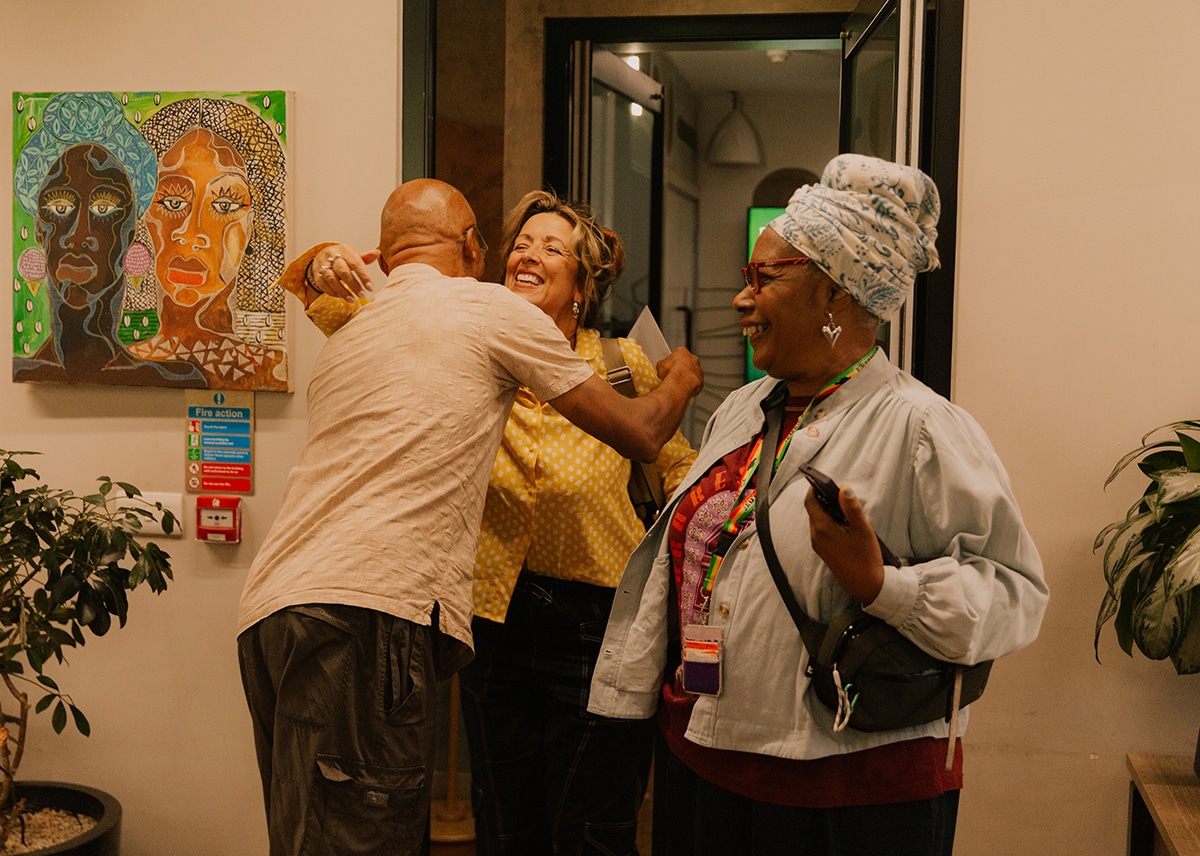
It’s being published I get paid for; the writing I would do for free
‘Any advance [...] for your novel is to compensate you for the horrors of being published'
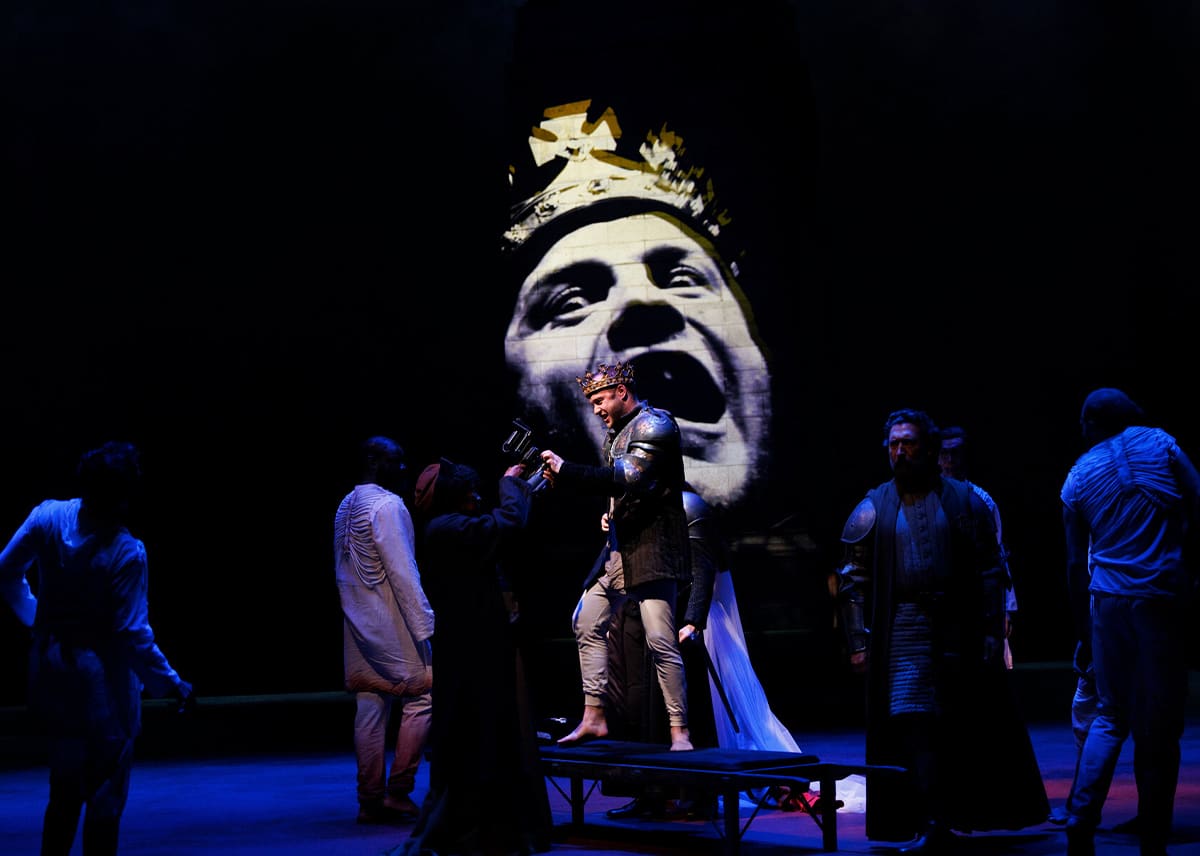
Complex antihero: an interview with Arthur Hughes
Unravelling Authur Hughes' Richard III
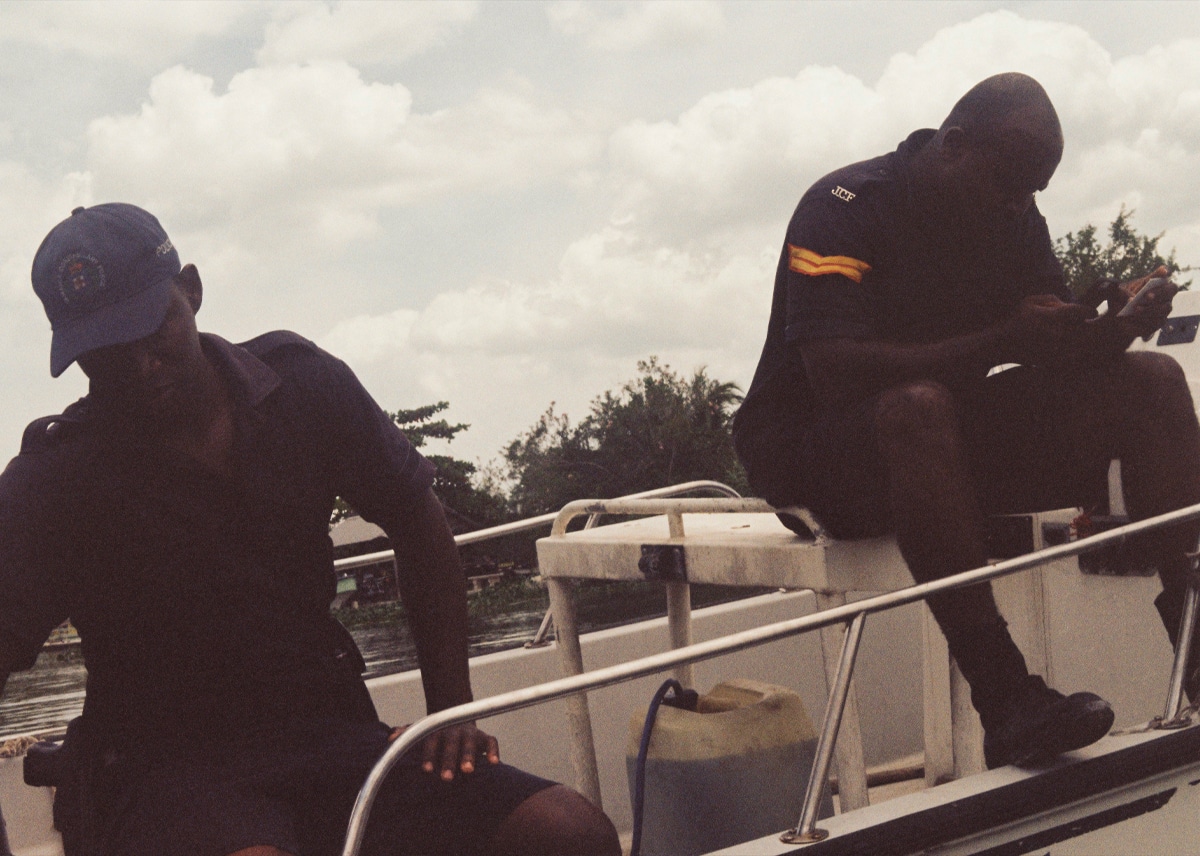
Marlon James: a Jamaican reckoning
'A return to a home I barely knew'



Illuminating, in-depth conversations between writers.
Listen to all episodes
SpotifyApple Podcasts
Amazon Music
YouTube
Other apps

The series that tells the true-life stories of migration to the UK.
Listen to all episodes
SpotifyApple Podcasts
Amazon Music
YouTube
Other apps
WritersMosaic interrogates the notion of ‘staying in your lane’ by asking writers how they attempt to think beyond the parameters of their cultural identity.
Listen to all episodes
SpotifyApple Podcasts
YouTube