
When journalism is silenced
The Indonesian writer Seno Gumira Ajidarma once said he lived by the motto: ‘When journalism is silenced, literature must speak. Because while journalism speaks with facts, literature speaks with truth.’ I have long admired this quote and Seno, whose responsibility as a writer lives in his commitment to truth and free speech. This is evidenced in his fearless writing about military violence in his fictional short story collection Eyewitness and in his novel Jazz, Perfume & the Incident.
Like Seno, I began my writing career as a journalist. I went on overseas assignments to countries including Haiti and Ethiopia. I contextualised factual information through careful investigation. Journalists often say that they follow editorial guidelines to safeguard ‘the truth’. My responsibility was to demonstrate objectivity and try and not broadcast fake news or misinformation.
However, writers do not exist in a vacuum. We are informed by the political events that shape our lives. Lived experience is diverse. Bias and subjectivity are facts of life. As the playwright August Wilson said: ‘What comes forth from you as an artist cannot be controlled. But you have responsibilities as a global citizen.’ We need to understand the power, privilege and impact of our words, whether in books, on screen or via social media. And depending on where we live, many of us are able to enjoy the right to freedom of expression. But this is not absolute. It carries the responsibility of avoiding hate speech while always being aware of the rights of others.
Responsibility requires courage, especially to tell the truth. Just look at the battlefield of writing about history. The toxic weaponisation of language in the so-called ‘culture wars’ increasingly threatens the way a writer approaches and navigates the past. No one wants to be accused of ‘political correctness’ or being a ‘woke warrior’. For the record, I believe that history needs constant investigation and revision, especially in the light of new facts. I do not agree with calls to remove statues of controversial historical figures. I am just not comfortable with destroying things from the past.
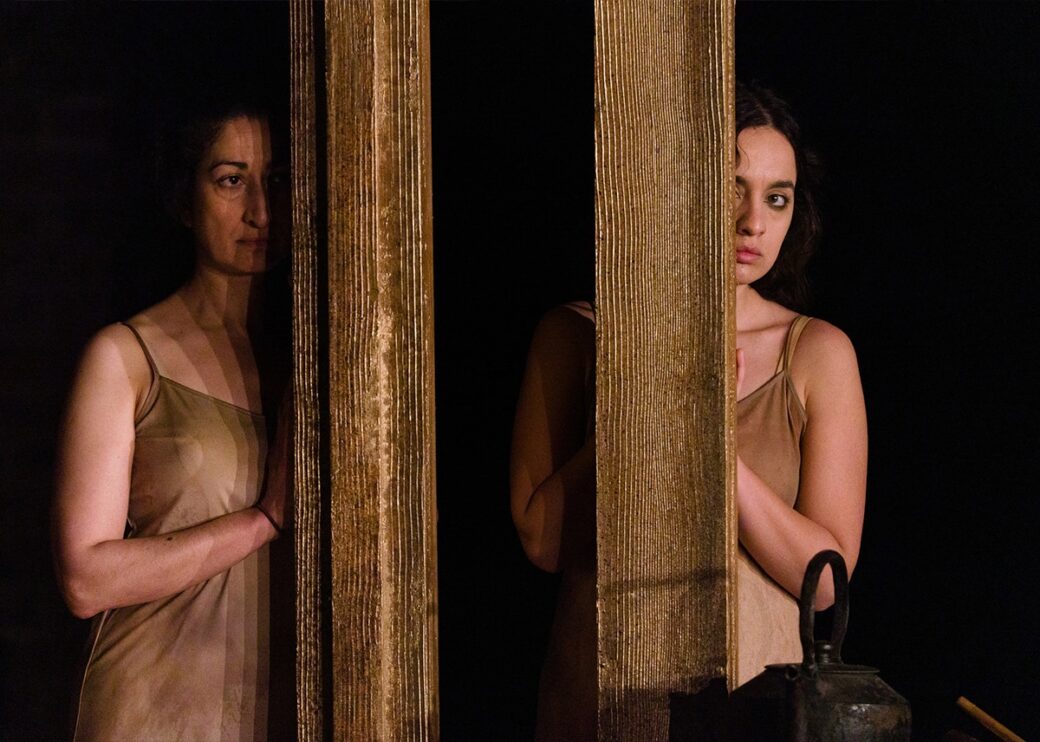
My stage play The Whip, brought alive the scenes behind the 1833 Slavery Abolition Act. It has always been portrayed as a heroic victory for human decency. What is less well known is that the same Act contained a provision for the financial compensation by the British taxpayer of the owners of those enslaved; and that the enslaved would be legally forced to work as unpaid apprentices for a further seven years. The emancipated enslaved were immediately thrust into a new purgatory: the institution of apprenticeship, which was slavery by another name. The money borrowed to achieve this ‘bailout’ was so huge that it was only finally paid off by us, the taxpayer, in 2015; equivalent to some 20 billion pounds today. It was one of the biggest loans in British history and made slave owners even richer. Why is this history barely known to the British public or taught in British schools? Whose responsibility is it to tell it? I wrote the play because I believed that the facts deserved to be re-examined and that future generations have the right to debate how Britain’s collective colonial memory, or lack of it, shapes our current cultural reality.
Does the writer have a responsibility? Absolutely. Toni Morrison, John Steinbeck, Bertolt Brecht have all demonstrated their role as custodians of culture, human history and spiritual evolution. For those who disagree, let me conclude with this quote from Albert Camus: ‘The purpose of a writer is to keep civilization from destroying itself.’
WritersMosaic monthly
Get new writing in your inbox
One email monthly, unsubscribe anytime
It’s being published I get paid for; the writing I would do for free
‘Any advance [...] for your novel is to compensate you for the horrors of being published'
Complex antihero: an interview with Arthur Hughes
Unravelling Authur Hughes' Richard III
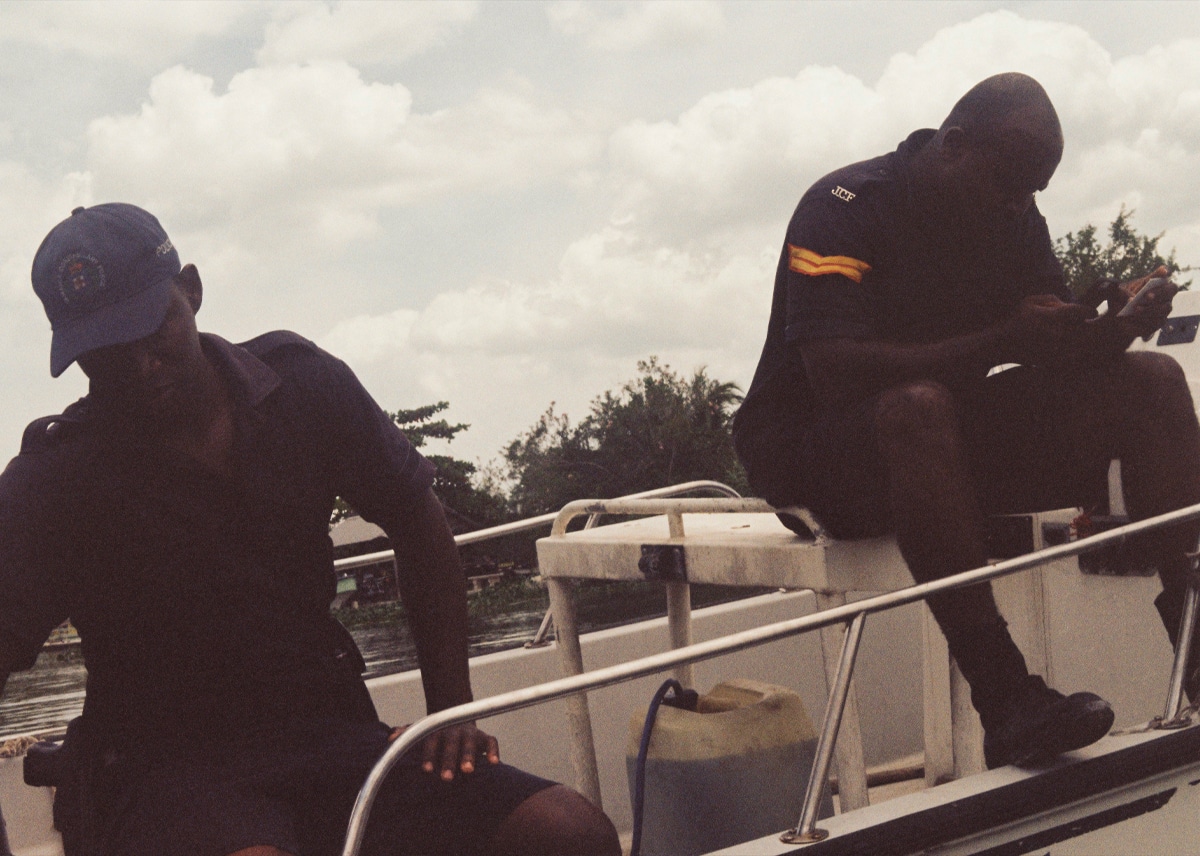
Marlon James: a Jamaican reckoning
'A return to a home I barely knew'


Haunting the Black Air
Poetic freedom across space and time
The Disappearers
A sprawling visceral experience that drops you in head first
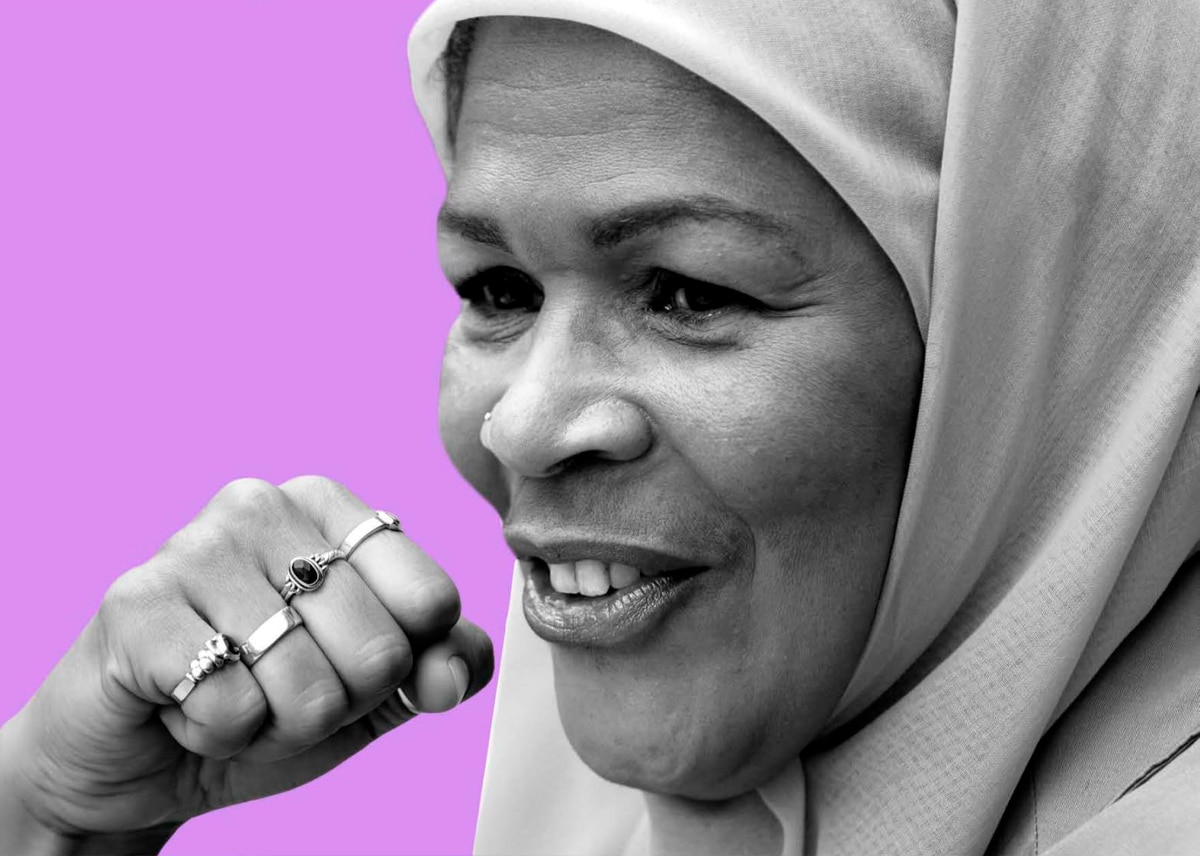
The Lady Imam
Is the world ready to catch up with amina wadud?


Illuminating, in-depth conversations between writers.
Listen to all episodes
SpotifyApple Podcasts
Amazon Music
YouTube
Other apps

The series that tells the true-life stories of migration to the UK.
Listen to all episodes
SpotifyApple Podcasts
Amazon Music
YouTube
Other apps
WritersMosaic interrogates the notion of ‘staying in your lane’ by asking writers how they attempt to think beyond the parameters of their cultural identity.
Listen to all episodes
SpotifyApple Podcasts
YouTube