
Hedda
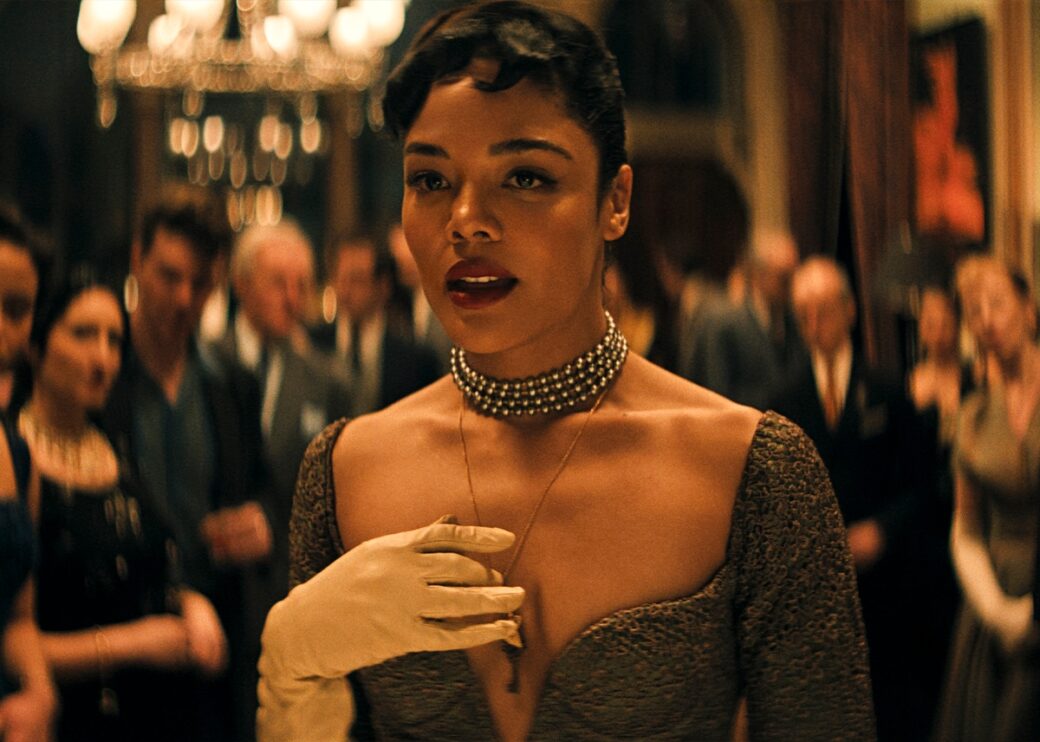
Directed by Nia DaCosta, 2025
In 1898, the Norwegian Women’s Rights League gave a banquet in honour of Henrik Ibsen. Ibsen – whose plays often highlight restrictions on women – accepted the League’s recognition but stressed that he had not ‘worked consciously for the movement’. His task, he insisted, was ‘the description of humanity’.
Ibsen’s feminist reputation rests on A Doll’s House (1879) and Hedda Gabler (1890). Both plays – which concern married women unable to find fulfilment in a male-organised society – shocked contemporary audiences, but Hedda Gabler is the more visceral. Its central character, the daughter of an aristocratic general, is a malcontent and a rebel. She is also manipulative, egotistical and nihilistic. Yet even though the play has been adapted countless times – Ibsen is the most-performed dramatist after Shakespeare – Nia DaCosta’s film is an innovative adaptation.
The re-imagining of the story starts with the title – not Hedda Gabler, but simply Hedda. In 1891, Ibsen explained that he used the protagonist’s maiden name ‘to indicate that Hedda is to be regarded rather as her father’s daughter than her husband’s wife’. DaCosta goes a step further: her Hedda is to be regarded as neither.
She moves the drama from a house in nineteenth-century Norway to a manor in 1950s Britain. Hedda (Tessa Thompson) has returned from a six-month honeymoon with the classics scholar George Tesman (Tom Bateman) and is hosting a party. But while George has invited fusty colleagues, including a professor crucial to his career, Hedda’s guests are raucous bohemians. Bateman, physically – and even vocally – resembling a young Colin Firth, ties his tie and adjusts his collar. ‘Nothing can go wrong tonight’, he says.
Act One is full of sharp dialogue, the hint of peccadillos past and the promise of denouement. Hedda is in almost every shot – in her bedroom intimidating an old classmate, oiling the guests on the dance floor and alone at her father’s gun case.
The arrival of a newcomer – Eileen Lovborg (Nina Hoss) – changes everything. Eileen, a celebrated feminist intellectual, is another imperious woman, a great raconteuse and one of Hedda’s former lovers. She is an academic competitor to George, and challenges Hedda’s social pre-eminence. She enters in a high-waisted, white cotton gown reminiscent of Mary Wollstonecraft and might as well be carrying A Vindication of the Rights of Woman. Instead, in her satchel is the only manuscript of a provocative book that could bring popular fame.
DaCosta’s film is chiefly concerned with female aspiration – be it for emancipation and justice or personal ambition and desire. To Hedda and Eileen should be added a third woman, the unhappily married Thea Clifton (Imogen Poots). She is Hedda’s bullied classmate and, estranged from her husband, is now Eileen’s partner – both romantic and academic.
Thea is the introverted, unsung co-author of the incendiary manuscript. When she tells Hedda that she will finally get her name on the cover, ‘right underneath’ Eileen’s, she proudly adds that she will use her maiden name. ‘I don’t want my husband’s name on it’, she explains. ‘No’, Hedda retorts, ‘just your father’s’.
It’s a good quip, and one that – with its allusion to the title – epitomises DaCosta’s film. However, Thompson mutters it a bit too quickly – as though she had been waiting for it all day (I had to re-wind to check what she’d said). Indeed, her diction – an overwrought, upper-crust accent – is the blot on an otherwise excellent performance. Her physicality is superb, and from the first scene – a police interview DaCosta has added to Ibsen’s script – she projects charisma, insouciance and menace.
DaCosta’s film is gorgeously shot. She uses the manor’s handsome interiors, maze and lake, but also its quiet recesses – letting the viewer peek across doorways, along corridors and into mirrors. There are, however, several visual clichés. The film – which transports Ibsen’s story from a quiet drawing room to a ritzy house party – has the obligatory intake of cocaine and sex in the hedges. The attention devoted to poshos and fops behaving badly reduces Thompson’s centrality and frustrates the enormous promise of the first act.
Hedda is, however, broadly successful, not least because DaCosta’s alterations are effective. Even though the filmscript only mentions Hedda’s race in passing, the casting of Thompson, who is African American, adds to the sense that despite her blue-blood background, Hedda is an outsider in the English aristocracy.
More significant to DaCosta’s vision is the decision to make Hedda’s former lover a woman (in Ibsen’s original, Eileen is an academic called Eilert). The change is thoroughly in keeping with the film’s tone and ambitions. Bisexuality intensifies Hedda’s status as a rebel and makes the story a predominantly female affair.
Unlike Ibsen, DaCosta seems to be ‘working consciously for the [women’s rights] movement’. At the same time, her characters are nuanced individuals, not political mouthpieces. Hedda is, despite its imperfections, ‘a description of humanity’.

WritersMosaic monthly
Get new reviews in your inbox
One email monthly, unsubscribe anytime
Pressure
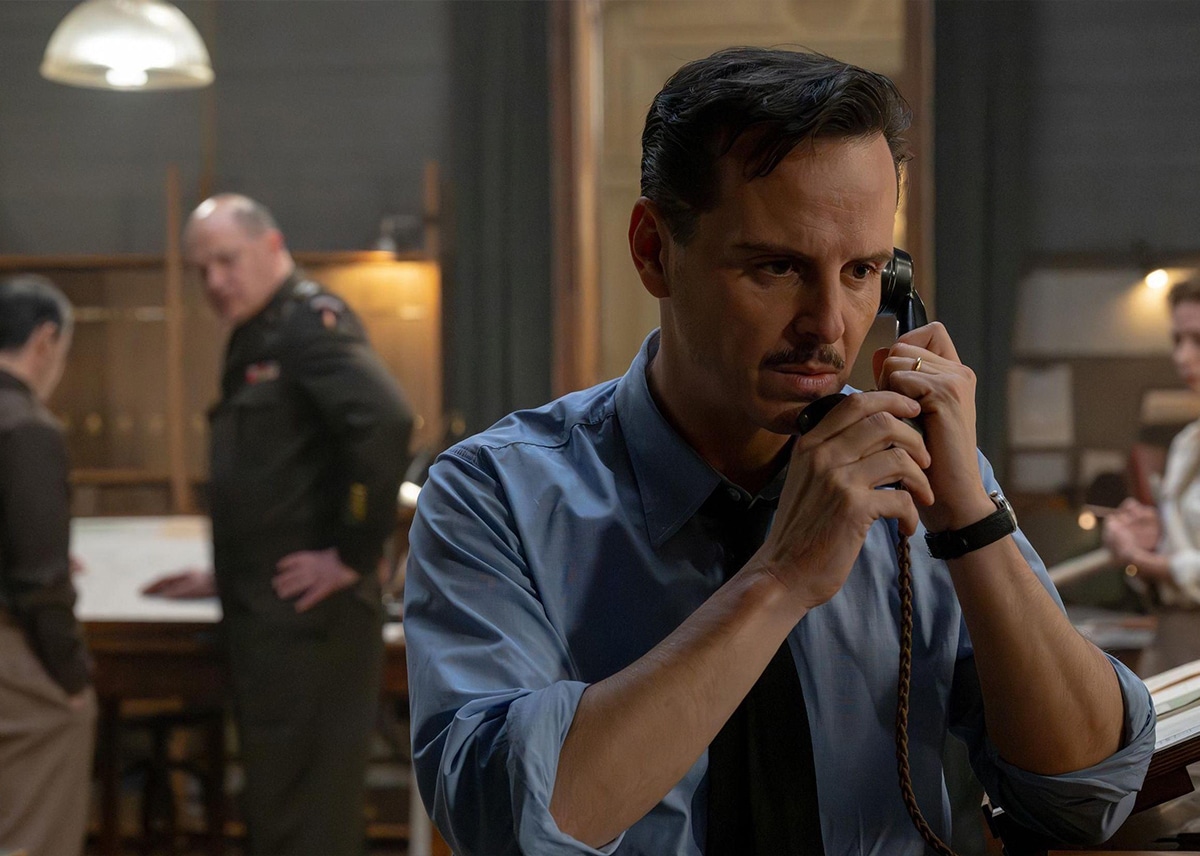
What's missing from the latest 'untold story behind D-Day'?

A Trial
An examination of theatre’s complicity in post-truth politics

The Complex
The unraveling of a dynasty





Marlon James: a Jamaican reckoning
'A return to a home I barely knew'

The name of this wallpaper is ‘Childhood’
A luminescent bubble of memory
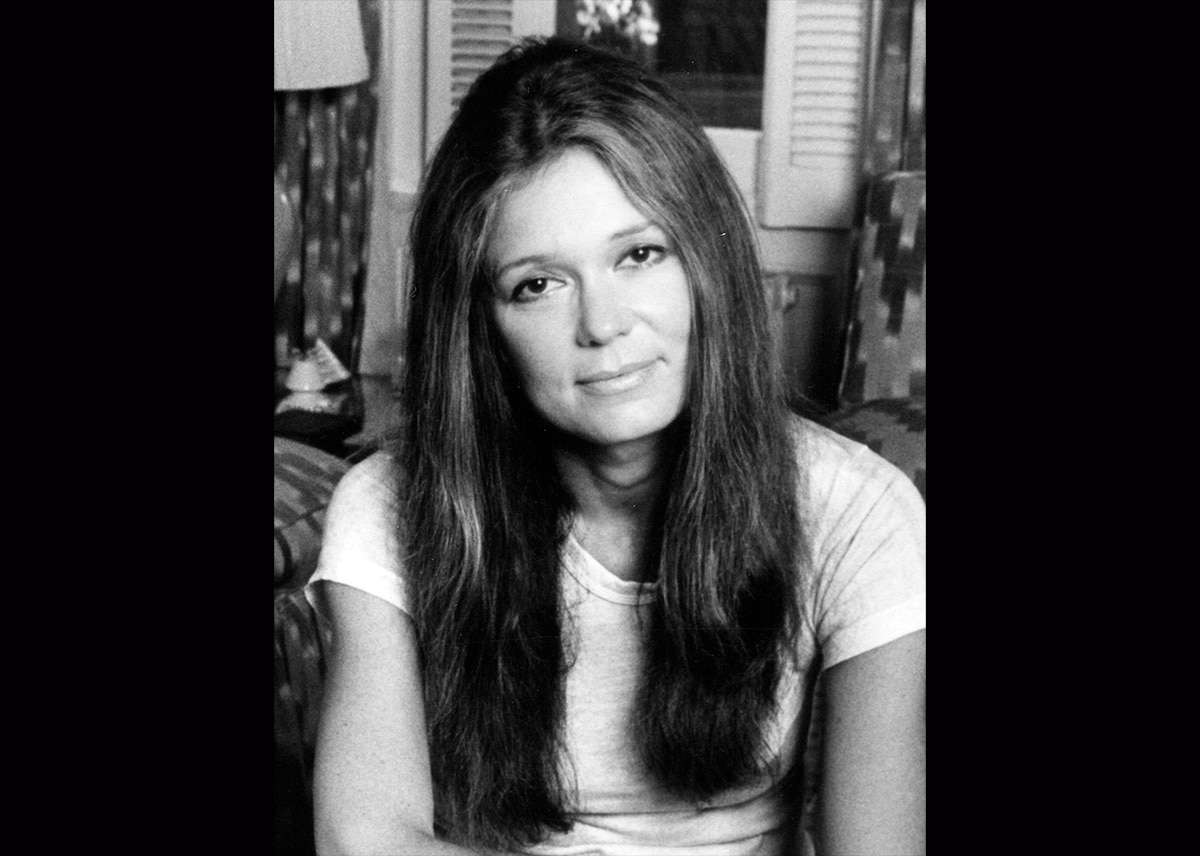
What’s in a feminist? Holding on to Gloria Steinem
Is Gloria Steinem's feminism still relevant today?





Illuminating, in-depth conversations between writers.
Listen to all episodes
SpotifyApple Podcasts
Amazon Music
YouTube
Other apps

The series that tells the true-life stories of migration to the UK.
Listen to all episodes
SpotifyApple Podcasts
Amazon Music
YouTube
Other apps
WritersMosaic interrogates the notion of ‘staying in your lane’ by asking writers how they attempt to think beyond the parameters of their cultural identity.
Listen to all episodes
SpotifyApple Podcasts
YouTube