
Hide Me Under the Blood and I Shall Be Satisfied
Keith Jarrett
Bad Betty Press, 2026
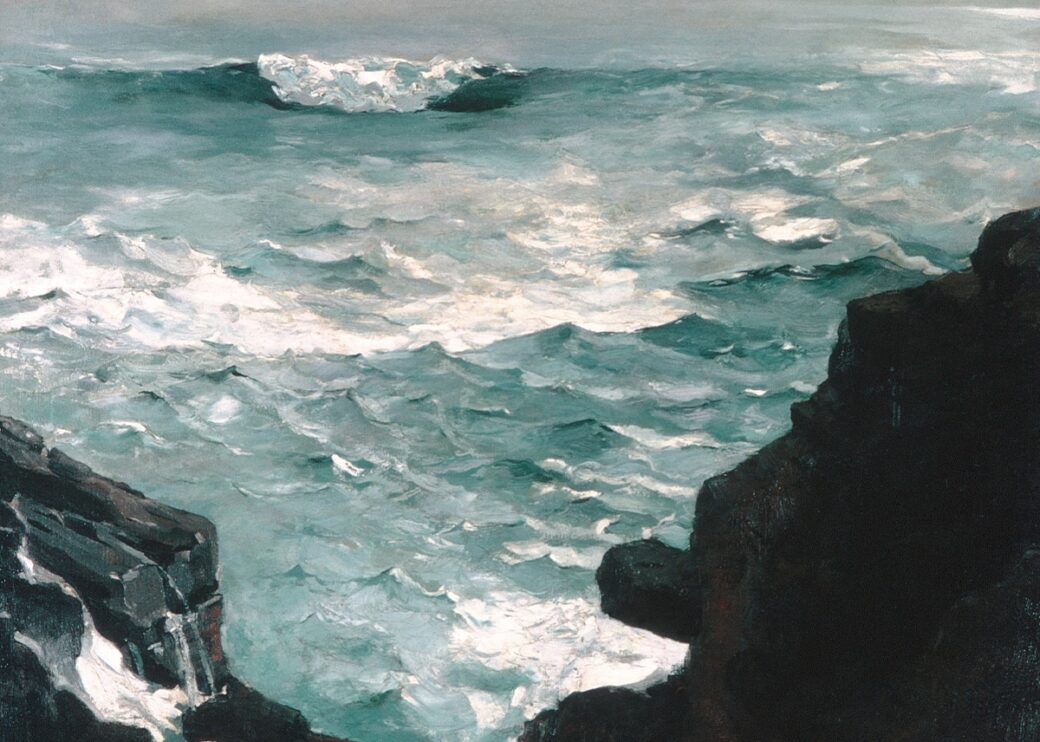
Kiss your teeth with me. Try it now, out loud. Like its object, this review ‘invites call-and-response participation from the reader’. Which part of your lip moves when you speak your disobedience? Does it sound more like a singular, high-pitched burst from a sprinkler or a record scratch through a speaker with added distortion? Or does it sound, in the words of Keith Jarrett, like ‘your first mother tongue / a home you carry / inside of the mouth’?
There are nine poems called ‘wind sucked between teeth’ in his latest collection, each beatifying a ‘portable missile / launched from the tongue’s tip’. The kissing of teeth, Jarrett writes in the ‘Notes’ index, ‘various schools in France and in the UK have tried to ban’. He argues such repression amounts to a ‘state-sanctioned sound ban’. Of all the poets of the English language, he may be the best qualified to lead the fight.
Jarrett emerged initially as a spoken-word poet. He is a UK Poetry Slam Champion and FLUPP International Poetry Slam Winner. In his latest collection, song and mischief are the sonic links between Christianity, colonial legacies and queerness. Internal rhymes and prayer as poetic form echo his words into incantation. His is the ‘God who swipes right/smites the unrighteous’, his is the God ‘who locks and opens doors / his children of smoke choking and invisible / A knot of fear’. In His churches, ‘It is safer to be quiet and eat twice’. Jarrett even writes in Spanish and quotes from the Jamaican New Testament.
Strong religiosity beats through nearly every poem. In his best moments, Jarrett’s God inhabits plural identities, often as a signifier of class. Buried in a footnote (though still very much a part of the poem), he writes: ‘I’d hoped to graduate from God to Greeks – the stuff of literary magazines! To bin, at last, my Pentecostal angst, retrieve acclaim from ‘the establishment’’. The way his speakers perform Christianity sets them in linguistic opposition to ‘the establishment’, with the sounds of speech at the intersection between class and religion. The final couplet in the book rhymes ‘prayer’ with ‘sincere’, echoing the speaker’s grandma’s earlier prayer: ‘De lawd is my shepherd / – whom shall I fear?’.
God is most inventive, surprising and cruel here when He is camp. As the book progresses, God could be described the way one of Jarrett’s speakers describes himself – as being ‘in the way of uncles’. Reflecting on the story of Abraham, he imagines God saying ‘it was only a test, LOLs!’. In another poem, God gets very drunk and amuses Himself with magic tricks. The lightness of these moments works poetically because of the wickedness hiding behind them: ‘the drownings then genocide’ the drunk God wants; the reimagined Abraham’s decision to ignore Him: ‘we’ll kill like we’ve always killed / and so God remained silent’.
Reclaiming the image of a serious and heteronormative ‘establishment’ God in the name of camp becomes dramatically empowering, too. ‘Submissives shall inherit the earth’ is a delicious line. It gives power and credence to the poem’s crescendo: ‘Tomorrow, our flag will hang umbilically into the future, … will hang like wrists tied up, like scriptures’. Under the umbrella of religiosity, his queer poetics are given the rhetorical space to flourish. When they do, the collection is at its most poignant.
‘Camping’ the book’s weighty subjects is also what makes it so fun. In ‘Nor the Arrow That Flies in the Day’, he uses parakeets as the winged vehicle to discuss migration, both forced and free, musing on ‘how their foreflappers escaped from captivity’ with kitsch restraint. Though he never makes the comparison explicit, the identification with birds to poetically tell subaltern stories allows his speakers to literally, like ‘steam fly free’.
In fact, through the image of flight, the bird’s-eye view of the histories and identities he embodies in the collection becomes a reflective view, too. The image ‘Afterwards the sun shone on the twelve ornate birdcages’ is one of relief as well as implicit trauma. The speaker tells of ‘we, the scavenger birds, we, the butterflies, we, the ladybirds, we, the ducks, the queens. … Afterwards our hearts craned’. The variety of birds carried to the setting in cages and set free is a beautifully and specifically queer expression of visibility.
Finally, as a lover of fiction as well as a poet, it would be remiss not to mention the prose poems in this collection. They are quick and rhythmic, full of internal rhymes throughout until he leans away from prose poetry at the end, towards prose itself. The result is perfect, even in its short form. The blurb says his ‘debut novel is forthcoming’. This collection more than whets the appetite.
Bad Betty Press: Hide Me Under the Blood and I Shall Be Satisfied

Magnus McDowall
Magnus McDowall is a poet from London and a postgraduate student on the Creative Writing MSt at the University of Oxford.
WritersMosaic monthly
Get new reviews in your inbox
One email monthly, unsubscribe anytime
The Disappearers
A sprawling visceral experience that drops you in head first
The Lady Imam
Is the world ready to catch up with amina wadud?
Pressure
What's missing from the latest 'untold story behind D-Day'?


Complex antihero: an interview with Arthur Hughes
Unravelling Authur Hughes' Richard III
Marlon James: a Jamaican reckoning
'A return to a home I barely knew'
The name of this wallpaper is ‘Childhood’
A luminescent bubble of memory





Illuminating, in-depth conversations between writers.
Listen to all episodes
SpotifyApple Podcasts
Amazon Music
YouTube
Other apps

The series that tells the true-life stories of migration to the UK.
Listen to all episodes
SpotifyApple Podcasts
Amazon Music
YouTube
Other apps
WritersMosaic interrogates the notion of ‘staying in your lane’ by asking writers how they attempt to think beyond the parameters of their cultural identity.
Listen to all episodes
SpotifyApple Podcasts
YouTube