
My tomorrow is today
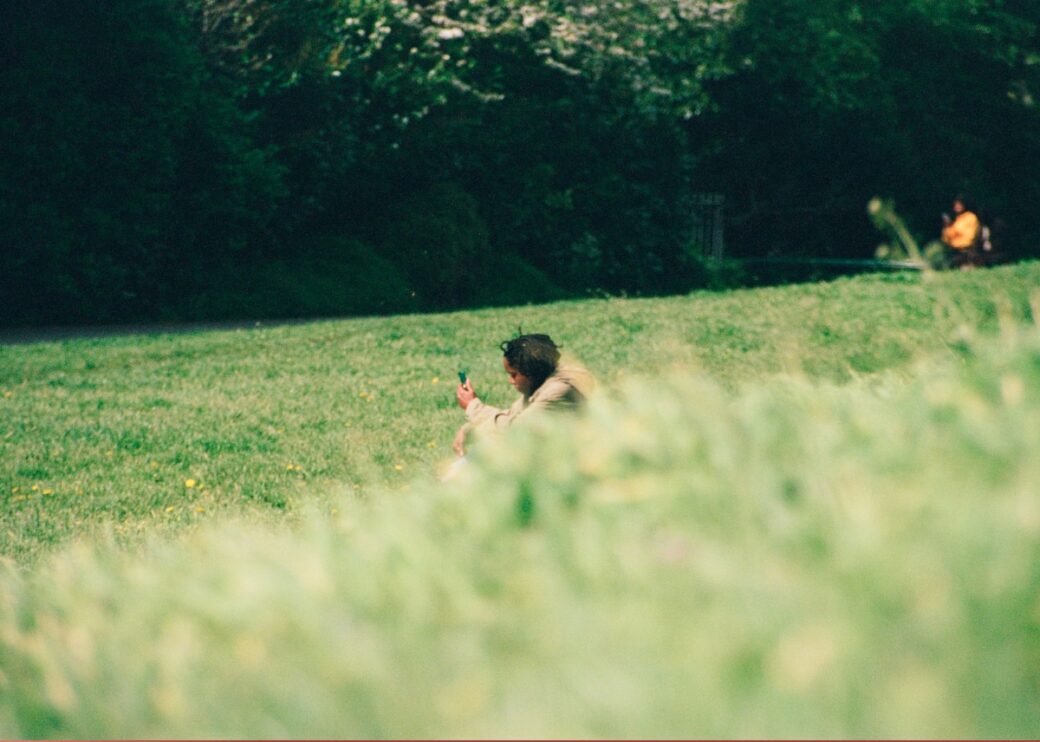
Having just received my copy of What We Leave We Carry, Colin Grant’s collection of interviews with more than seventy people who migrated to Britain, I found myself reflecting on my own contribution. The book asks two simple but profound questions: what do we leave behind when we move to a new place, and what do we carry with us, physically and emotionally, wherever we land?
As I settled into my room above the stables at Galloway House, where a group of us were on a WritersMosaic writing retreat, I thought about the story I had shared for the book. It centred on the battle with my father over my determination to come to England to study drama. Eventually, he relented because Rose Bruford College of Speech and Drama offered teacher training alongside acting. To him, it meant I would gain a profession and return to Sierra Leone to teach.
I never went back there to live.
Sadly, my father never saw me on stage. He never saw me achieve the dream I had fought so hard for. He never saw me perform at the Theatre Royal, Drury Lane in Gone with the Wind.
Sitting above the stables, I was suddenly transported back to that day when, standing in the wings, I repeated my mantra: ‘You are Mammy. In charge of the O’Hara household. In charge of the stage.’
This was my chance. I might have been the understudy, but for this performance I was Mammy.
The red velvet curtain rose slowly, revealing the gardens of Tara Plantation. The overture of the musical adaptation of Gone with the Wind swelled to a heart-stirring crescendo. I clasped my hands together, not in prayer but to stop them from shaking.
Beside me, June Ritchie seemed almost hypnotised. Then her cue came and she sprang to life. The audience gasped. With her dark wig and sparkling green eyes, she looked uncannily like Vivien Leigh’s Scarlett O’Hara.
Unlike Hattie McDaniel’s Oscar-winning Mammy, I lacked a commanding physical presence. Three heavily starched petticoats beneath my black taffeta dress helped provide the necessary gravitas. Though I had never been a maid and certainly never a slave, I fought to play Mammy. I understood her loyalty, resilience and fierce devotion to those she cared for despite living within a brutal system of oppression.
There was no more time for nerves.
‘Miss Scarlett, Miss Scarlett, where you goin’ in your shimmy, half naked?’
My opening line rang out above the forty-five-piece orchestra before I swept onto the stage, swaying and swishing like a ship under full sail.
The coloured stage lights scattered dazzling beams across the theatre. It was a Royal Command Performance, and the audience glittered almost as brightly as the cast. Celebrities, dignitaries and Princess Anne had walked the red carpet to Drury Lane. The scent of expensive perfumes drifted onto the stage, mingling with the earthy smell of Charlie, the horse waiting behind the scenery.
‘Miss Scarlett, you get dressed this minute. The guests coming!’
I chased Scarlett as she twirled and danced. Efficiently, Mammy transformed her, fastening her white silk crinoline gown, adjusting the pink sash and enormous bow, buckling her shoes and smoothing her hair.
‘Today is the day I’ve waited for,’ Scarlett sang.
Her voice soared through the theatre like a bird freed from its cage.
The stage was vast enough to contain the spectacle of the American South: garden parties filled with colour and music, a horse and wagon fleeing burning Atlanta, even a full-sized train carrying eager soldiers towards the Civil War.
Two thousand people, seated all the way to the gods, were drawn into Scarlett’s world of Tara in 1861.
But I inhabited two worlds at once. I was Mammy, a Black woman in the slave-owning South, and I was also a Black actress in 1970s London, navigating the pressures of live performance where every cue mattered and every mistake was visible.
The pressure was exhilarating. It felt like standing on the edge of a cliff.
‘Bonnie gone! Bonnie, Bonnie gone!
My lament echoed around the theatre.
The audience wept alongside Scarlett and Rhett. They laughed when Charlie disgraced himself, leaving a steaming pile beneath Princess Anne’s nose while the orchestra scrambled to avoid a stream of horse urine. They gasped as Atlanta burned and cheered when Scarlett declared, ‘Tomorrow is another day.’
Then came the curtain call.
As the applause washed over me, I thought of my father.
‘You were right, Dad,’ I whispered. ‘It is hard for Black actors.’
But I was not going back to Freetown.
I was not going to teach tomorrow, or someday in the future.
This was the life I had fought for.
To step into different lives. To discover different truths. To stand in the light and tell stories.
I had left Sierra Leone carrying my father’s hopes, expectations and love. I carried them still. Yet that evening, standing on the stage of Drury Lane, I finally understood what I had crossed an ocean to become.
I was an actress.
And unlike Scarlett O’Hara, my tomorrow was not another day.
My tomorrow was today.
WritersMosaic monthly
Get new writing in your inbox
One email monthly, unsubscribe anytime
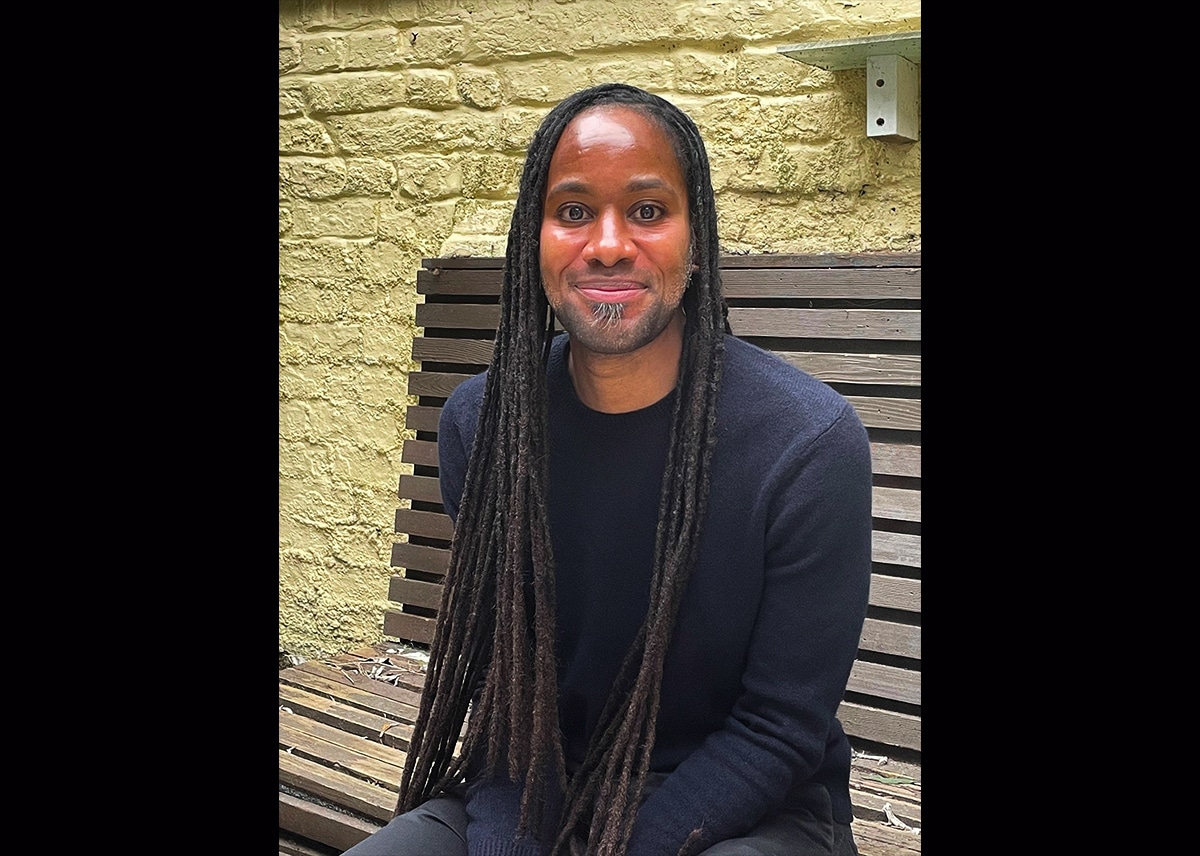
Jason Arday (9 May, 1985 – 14 August, 2026)
WritersMosaic reflects on the life of Jason Arday
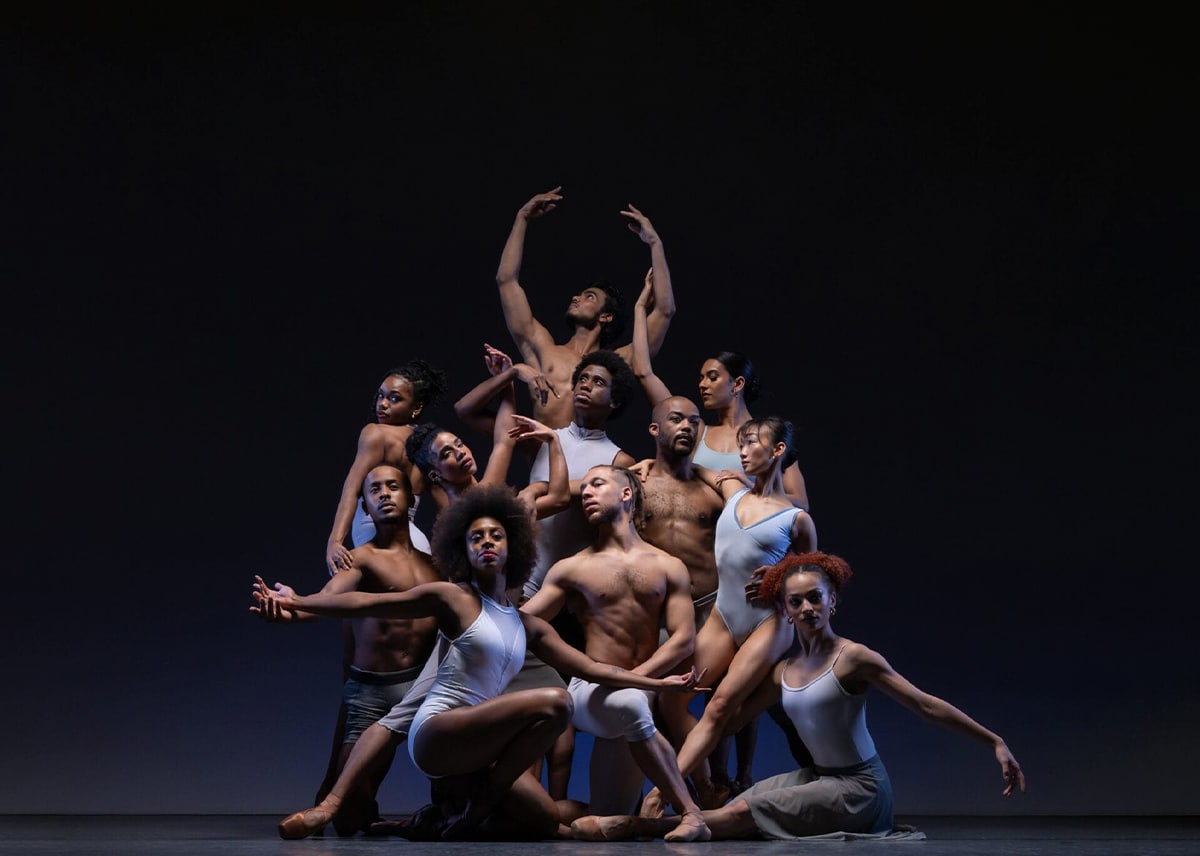
Ballet Black at 25
Cassa Pancho: 'It’s a miracle that we are still here in some way'
From Fruity to Raffell
A retreat of solitude, community and creative stimulation

At Sea
Bearing witness in the face of dismissal
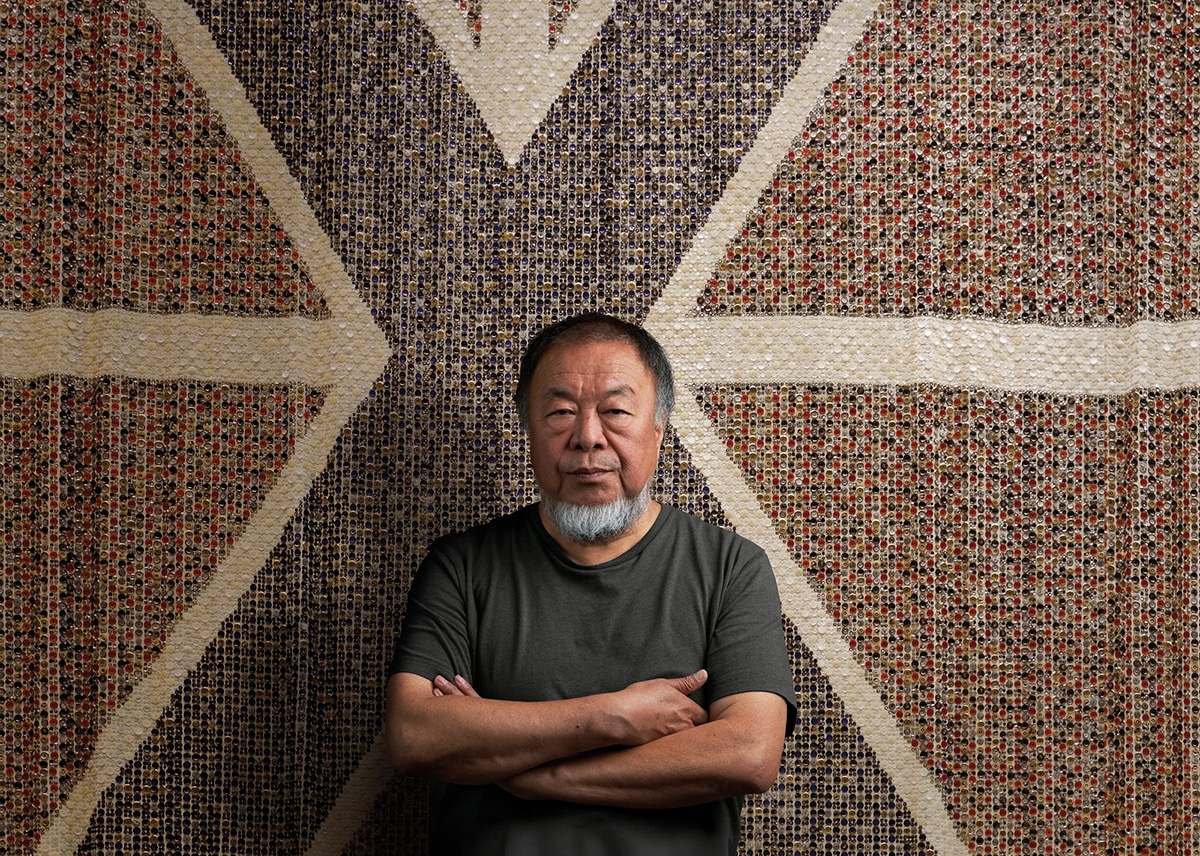
Ai Weiwei: Button Up!
A journey through the dangerous world of human tragedy
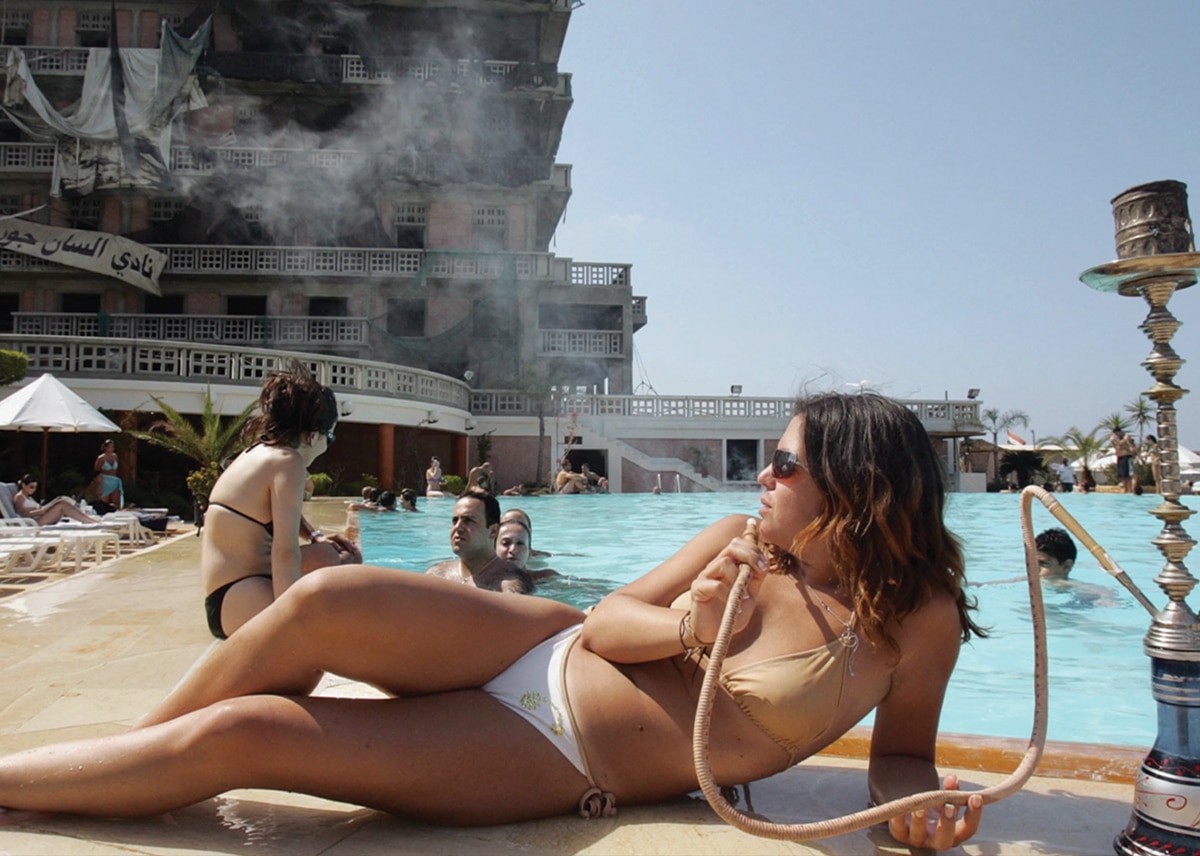
Do You Love Me
To love a city is to know it deeply

Free Will
Will Harris reads his poem, 'Free Will'. Directed by Matthew Thompson and commissioned by the Adrian Brinkerhoff Poetry Foundation.

Half Written Love Letter
Selina Nwulu reads her poem, 'Half Written Love Letter'. Directed by Matthew Thompson and commissioned by the Adrian Brinkerhoff Poetry Foundation.

Illuminating, in-depth conversations between writers.
Listen to all episodes
SpotifyApple Podcasts
Amazon Music
YouTube
Other apps

The series that tells the true-life stories of migration to the UK.
Listen to all episodes
SpotifyApple Podcasts
Amazon Music
YouTube
Other apps
In the first series of poems commissioned by Hannah Lowe, six poets explore how ritual gives meaning to our lives.
Listen to all episodes
SpotifyApple Podcasts
YouTube