
Do You Love Me

Directed by Lana Daher, 2025
What makes you say you love a city? It might be infused by associations with family and home – or by the excitement of discovering new ways of living; you might have seen its graceful buildings briefly, in golden autumn light – or lived through difficult times alongside its citizens, coming to appreciate their expressions of love for the place.
Lana Daher’s collage film about Beirut, Do You Love Me, suggests that to really love a city we need to be open to multiple ways of knowing it. Commercial dramas, documentary interviews, home movies and pop music – each has something to say about people and the city. The film cuts together footage from all these sources – inviting us to live in the contradictions. It is by no means silent – it’s full of songs and voices telling stories in French and Arabic – but, like a silent film, it’s full of space to make associations.
We hear one story in voiceover: a man remembers how, driving across the city at an unspecified moment of erupting unrest, his life was saved by a chance encounter with a former student manning a roadblock. In another part of the film, someone photographs a man sitting in the driving seat of a car. It’s an intimate close up. His face is deeply creased, lived in. Maybe it’s the same man who told the story, maybe not. We don’t see him speak. But we understand that he too has a story of Beirut.
I was reminded of another passionate city essay, Patrick Keiller’s 1994 film London – but here there is no fictional narrating voice. In some ways, Do You Love Me is closer to Phoenix Tapes (1999), a film by Christoph Girardet and Matthias Müller that edits together visual motifs found in Hitchcock’s films. In both cases, the directors explore their themes without signalling directly what they are – they let the material speak for itself. Phoenix Tapes was commissioned by an art gallery, and I watched it with a small, ever-changing group of people, standing around a small box on a plinth. In contrast, it matters that Do You Love Me can be seen in cinemas: audience members share an experience in the same space, and Daher’s vast, traumatic, potentially overwhelming subject is defined by a certain length of time.
There’s a sociological eye at work in the sequence of scenes involving weapons, drawing on footage from the news, documentaries and action films set in Beirut: men load pistols and rifles, conceal them, fire them into the air. They pass weapons from one man to another, always while standing at the open boot of a car. This is how the story of civil war is told in the movies, Daher seems to be saying. She asks us to look at the repetition of the gesture, regardless of how it initially fitted into a story. A voice in the film tells us: ‘When you arrive in Lebanon, you don’t understand anything. After two or three weeks, you think you understand it all. But at the end of a month, you realise that you haven’t understood a thing. And that’s when you begin to get it.’
And just as we begin to wonder where the women might be in this city, the film moves on. A young woman speaking directly to the camera points out the gap, crossed by broken joists, where her home once stood. She points out her bedroom, the furniture now sliding into the street. It was, she said, the family home for 150 years. You could describe this interviewee as stoical – she tells us that it’s only a building, and the important thing is that the people survived. But as she speaks, she twists the fabric of her tee-shirt above her heart into a lump. In the next moment, the eyes of another woman, an older woman, from a completely different film, shot on a day perhaps ten years earlier, with another kind of light, on an older technology, fill up with tears as she looks at another building with the façade torn off.
And then suddenly there is dancing: a collage of dances from dozens of sources: home movies, film drama, television entertainment shows, all set to a single pop song. Schoolgirls wearing the same blue nursery overalls as in the schools of the colonial power sing a nursery rhyme. Grown up friends look for the absent history of Lebanon in their old textbooks. A child talking happily to the person who’s filming her suddenly looks off screen at the sound of an explosion.
An extraordinary website accompanies the film. Alongside details of screenings, there is an annotated index of the films, songs and images quoted in the film – a small part of the 20,000 sources Daher collated over eight years. The wealth of films she draws on deserve further attention, and the index allows you to find your own way through the archive and out again. The entry for a photograph that appears just for a moment in the film, perhaps long enough to canter into your dreams, showing a horse in a deserted hall, presumably after one of the many attacks on Beirut International Airport, leads to the Lebanese Armenian photojournalist George Semerdjian and his comment: ‘I have wandered the world, but no country has the beauty of Lebanon.’
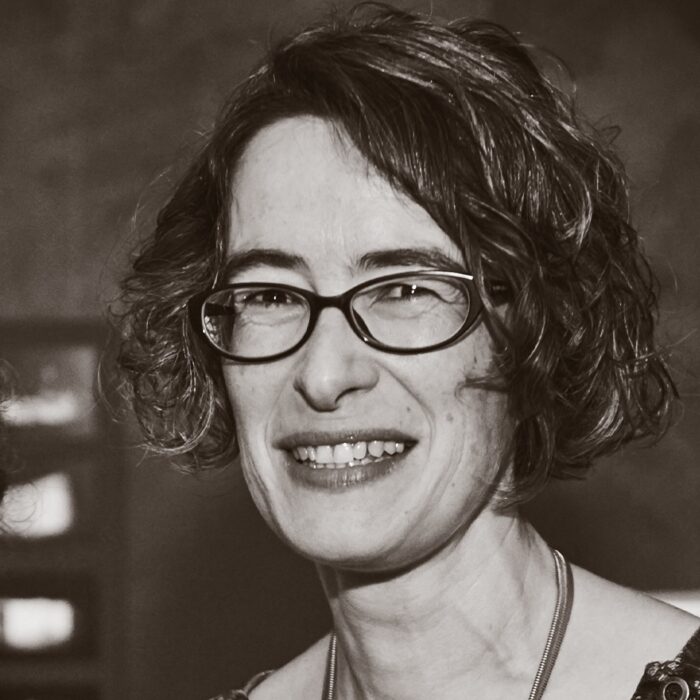
Eleanor Margolies
Eleanor Margolies is a writer with interests in ecology and the role of the senses in performance.
WritersMosaic monthly
Get new reviews in your inbox
One email monthly, unsubscribe anytime

Ai Weiwei: Button Up!
A journey through the dangerous world of human tragedy

The Immortalists
What would you be willing to do to ensure eternity?

Shine Your Eye
A no-holds-barred account of travels through West Africa
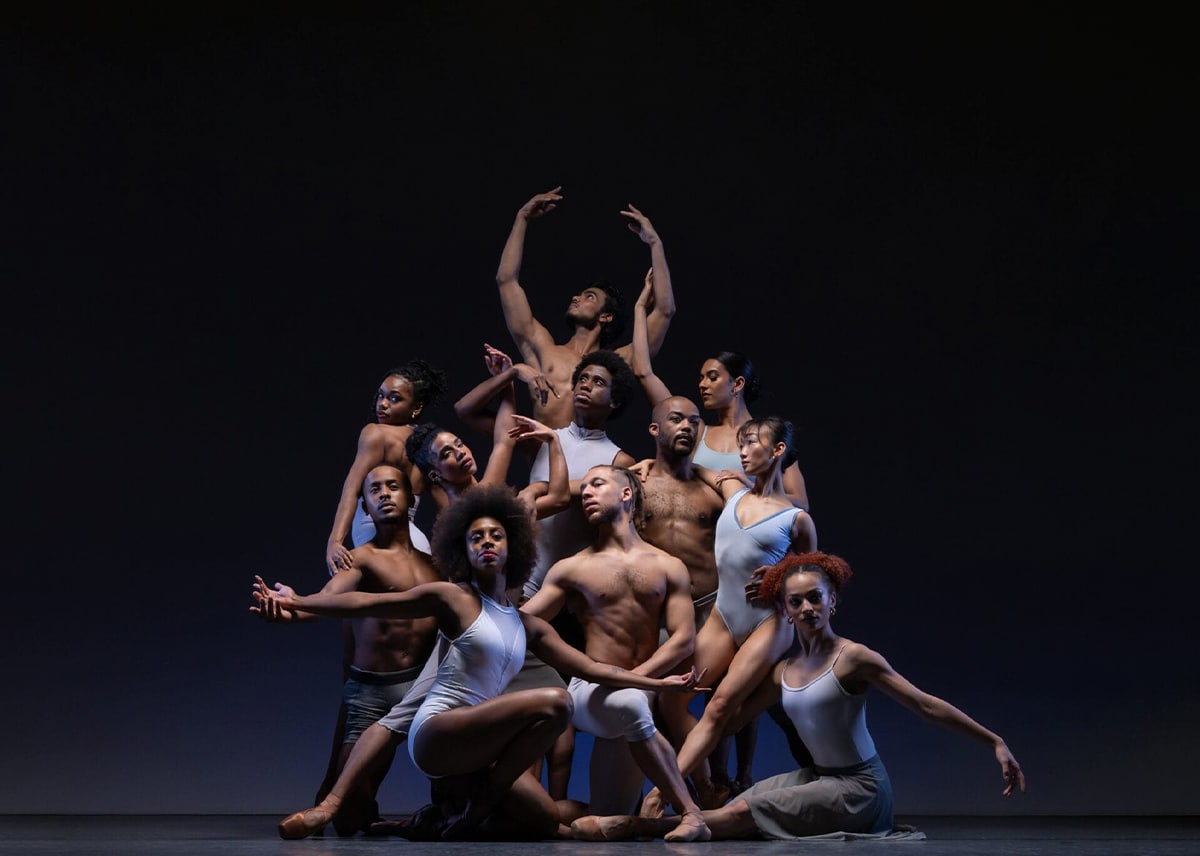
Ballet Black at 25
Cassa Pancho: 'It’s a miracle that we are still here in some way'
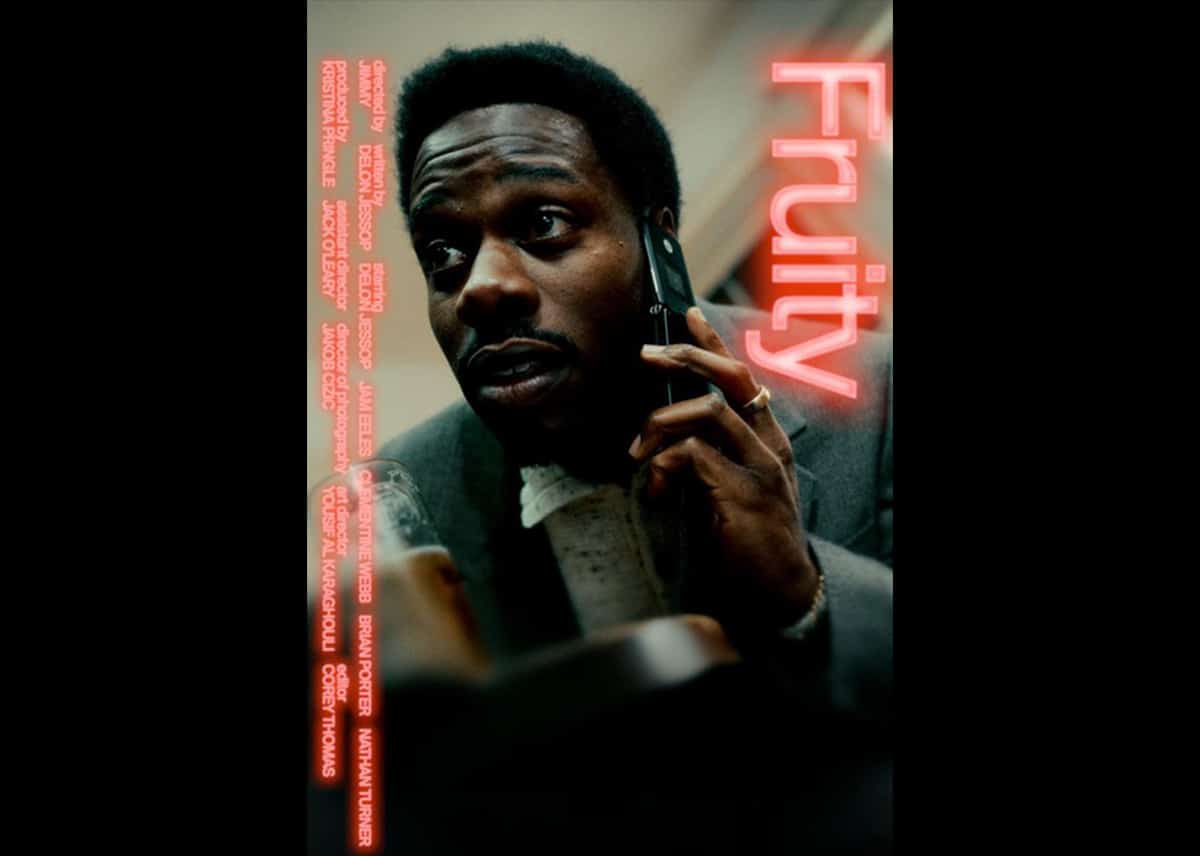
From Fruity to Raffell
A retreat of solitude, community and creative stimulation
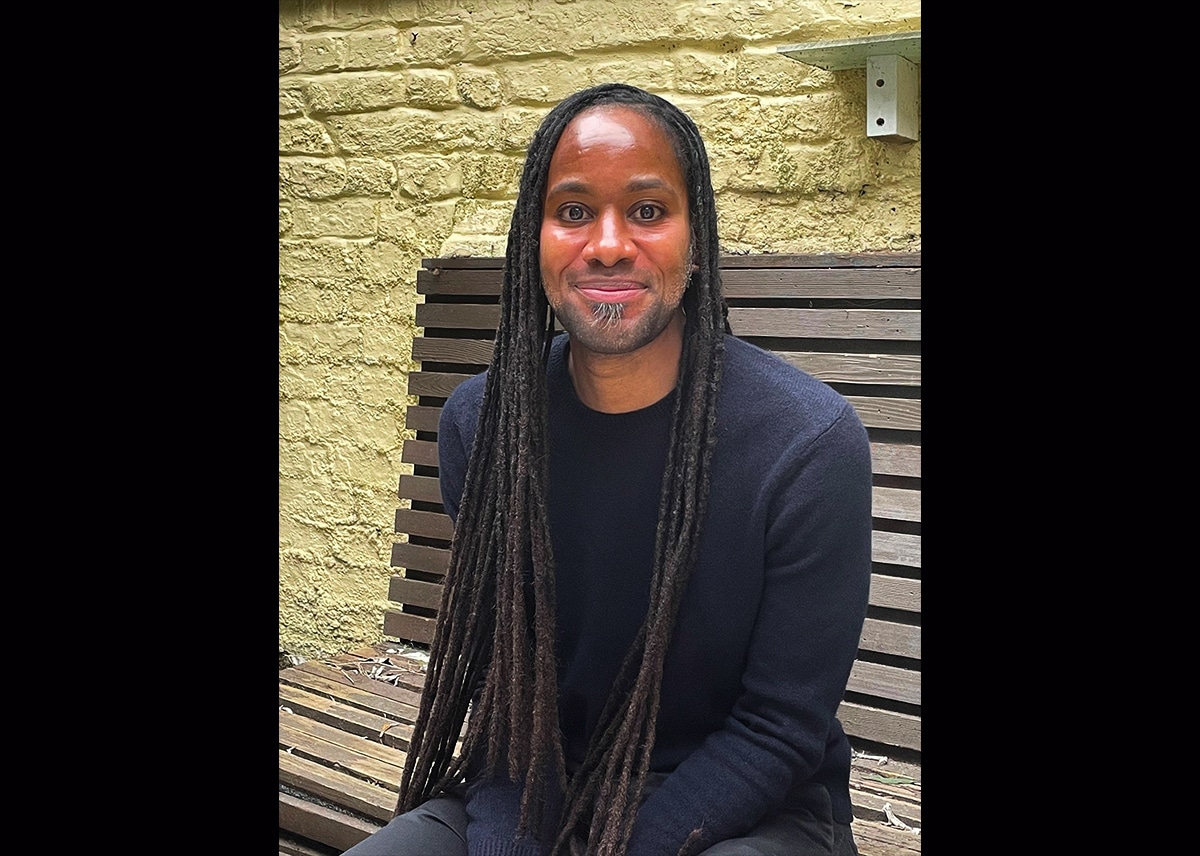
Jason Arday (9 May, 1985 – 14 August, 2026)
WritersMosaic reflects on the life of Jason Arday

Free Will
Will Harris reads his poem, 'Free Will'. Directed by Matthew Thompson and commissioned by the Adrian Brinkerhoff Poetry Foundation.

Half Written Love Letter
Selina Nwulu reads her poem, 'Half Written Love Letter'. Directed by Matthew Thompson and commissioned by the Adrian Brinkerhoff Poetry Foundation.

Illuminating, in-depth conversations between writers.
Listen to all episodes
SpotifyApple Podcasts
Amazon Music
YouTube
Other apps

The series that tells the true-life stories of migration to the UK.
Listen to all episodes
SpotifyApple Podcasts
Amazon Music
YouTube
Other apps
In the first series of poems commissioned by Hannah Lowe, six poets explore how ritual gives meaning to our lives.
Listen to all episodes
SpotifyApple Podcasts
YouTube