
The Sleeping Beauties: And Other Stories of Mystery Illness

Suzanne O’Sullivan
Pan Macmillan 2021
Review by Maame Blue
The Sleeping Beauties could be summed up with the following quote: ‘The quality of a person’s experience is changed by others’ reactions to it.’
The same observation could describe human lived experience – something author Suzanne O’Sullivan manages to interweave elegantly with her own scientific curiosity and desire to better diagnose her neurological patients dealing with psychosomatic or ‘functional’ disorders, that is, those that cannot be explained by any recognisable biological change, that are tied to the stresses of life but present real physical disabilities, and that have left many people with lifelong health issues.
The Sleeping Beauties reads like a compilation of case studies and of scribbled personal reflections filled with self-doubt – a careful look at culture and society, often followed by a tearing down of some aspect of the ‘all-knowing’ Westernised medical institutions many of us have come to know and accept.
‘We in the West also live in a culture that prizes happiness so highly that anything less risks being classed as abnormal.’
Groups of otherwise unconnected people, in places as far apart as Sweden, Nicaragua and Guyana, help to illustrate how our internal worlds (both psychologically and biologically) are equal parts fragile and resilient, and often at the mercy of social and cultural environments. O’Sullivan delves into this as a doctor trying to follow the rules of her training, and as someone both well-travelled and ever-evolving, always asking ‘what else could it be?’ when confronted with a patient suffering from something deemed mysterious.
‘Individual doctors have the power to create new medical diagnoses and to influence the course and treatment of illness. I worry about it in my own work.’
What persists in The Sleeping Beauties is the feeling of unsettledness. The book presents refugee girls afflicted with a sleeping sickness that is only alleviated when their parents gain asylum. It takes us to a remote village to meet young girls (once again) experiencing seizures, hysteria and super strength said to be brought on by a known spiritual affliction of being marred by youth, sexual promiscuity and attractiveness. It uses journalistic tools to assess the stigma attached to psychosomatic disorders: ‘The greatest difference between these mass events was not in the people affected, it was in the society in which they lived.’
The Sleeping Beauties is conceptually far removed from its fairy-tale namesake. Instead, O’Sullivan holds a world-sized mirror up to the medical community and asks: What are we missing here?
The book feels timely, as we fight a global virus that has devastated some communities more than others – specifically those at more risk, not because of any biological predisposition but through social and economic inequalities. The long-term impacts of the pandemic on psychological wellbeing remain untold, but it will be books like The Sleeping Beauties that could provide answers to the mystery illnesses to come: ones that originate in our psychosocial worlds, revealing themselves in physiological ways and demanding that we pay attention – take a look around and think differently about the power of our lived experiences.
http://www.panmacmillan.com/authors/suzanne-osullivan/the-sleeping-beauties/9781529010558
WritersMosaic monthly
Get new reviews in your inbox
One email monthly, unsubscribe anytime
Haunting the Black Air
Poetic freedom across space and time
The Disappearers
A sprawling visceral experience that drops you in head first
The Lady Imam
Is the world ready to catch up with amina wadud?
It’s being published I get paid for; the writing I would do for free
‘Any advance [...] for your novel is to compensate you for the horrors of being published'
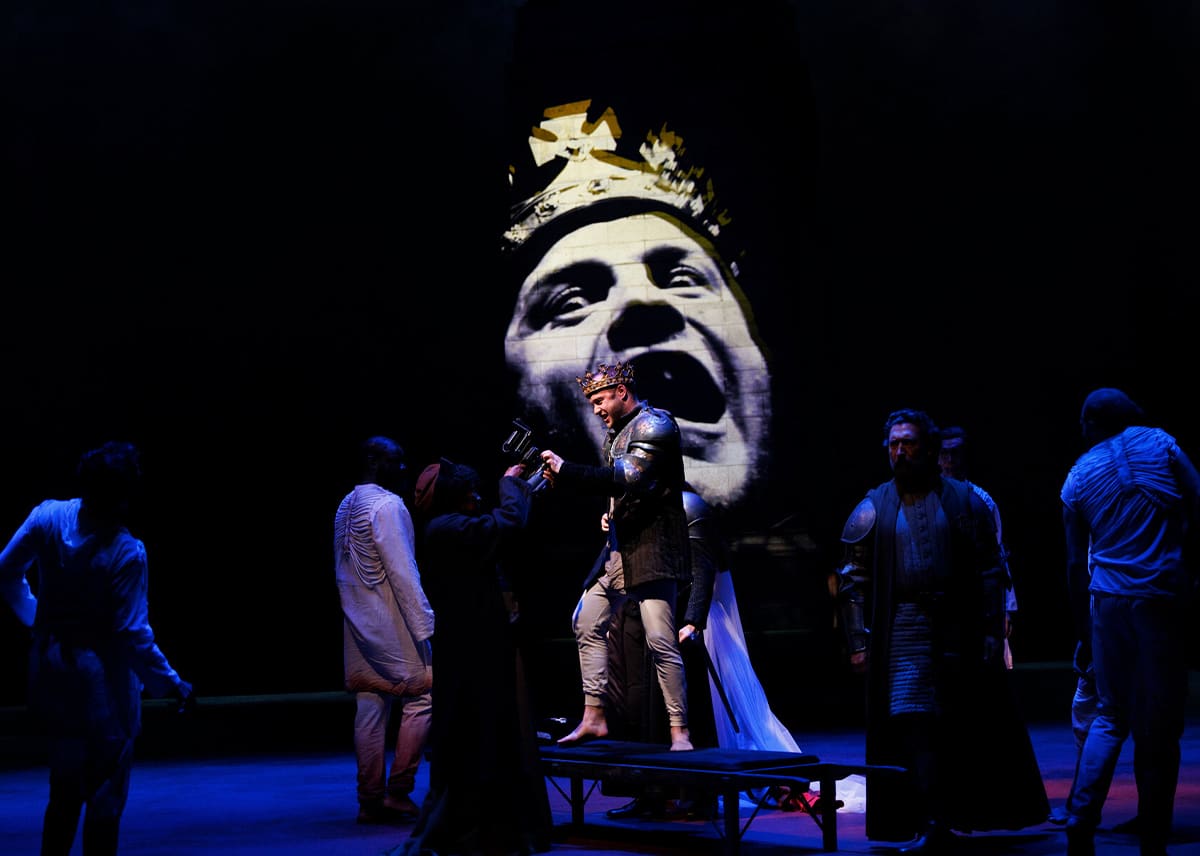
Complex antihero: an interview with Arthur Hughes
Unravelling Authur Hughes' Richard III
Marlon James: a Jamaican reckoning
'A return to a home I barely knew'


Illuminating, in-depth conversations between writers.
Listen to all episodes
SpotifyApple Podcasts
Amazon Music
YouTube
Other apps

The series that tells the true-life stories of migration to the UK.
Listen to all episodes
SpotifyApple Podcasts
Amazon Music
YouTube
Other apps
WritersMosaic interrogates the notion of ‘staying in your lane’ by asking writers how they attempt to think beyond the parameters of their cultural identity.
Listen to all episodes
SpotifyApple Podcasts
YouTube