
East is East

Written by Ayub Khan Din
Directed by Iqbal Khan
Co-production: Birmingham Rep, 3 -27 September; National Theatre, 7-30 October, 2021
Review by Jonny Wright
East is East (1999) is one of my favourite ever British movies; it started off as a play and this revival marks its 25th year. For those unfamiliar with the story, it is set in an interracial family in Salford, Manchester in 1971, decades before the BBC made the Salford area trendy by moving part of its operation there. George Khan is head of the household and has six mixed race kids with English woman Ella – and a seventh he has disowned after that wayward son left home to become a hairdresser. When George moved over to England, he was Indian, but has since become Pakistani and is now glued to the news in fear that his homeland will again be split over Kashmir.
It is fascinating how a felt identity can be forced to change through external factors or trends, reminding me of the hip-hop artist Talib Kweli’s song ‘Four Women’ about a 107-year-old who has ‘Lived from nigga, to coloured, to negro, to afro then African-American and right back to nigga.’ Do we change as the world’s definitions of us change? Ultimately, whether Indian, Pakistani or Kashmiri, George is still never seen as English, despite constantly reminding us of how long (44 years) he has been here and despite owning that most British of institutions, a fish and chip shop. George’s way of dealing with this persistent rejection from his ‘mother country’ is to pressurise his children into embracing their Pakistani and Muslim heritage, which culminates in forcing two of his sons into arranged marriages with the upwardly mobile Mr Shah’s daughters.
25 years on from the original production many of the themes of East is East are still relevant. Coming to terms with fluctuating and conflicted identity and where one fits in in the world is at the heart of this play and, in an era of ever-expanding identities, I’m sure this struggle resonates with people from all kinds of different backgrounds. The play doesn’t provide all the answers or have a Hollywood happy ending, but it does end on a hopeful note. The main question it left me grappling with was what is it OK to laugh at? Tony Jayawardena’s tour de force performance as George was fantastic, but as his ‘progressive’ children laugh at their ‘backwards’ dad and mimic his broken English, it left me wondering were we as an audience laughing at George, or with him? This is the poisoned chalice of being a writer from a minority (despite being from the global majority, we are still very much a minority in Britain). One of the sons in the play laments that he was in the pub and they were telling Irish jokes, Chink jokes and Paki jokes, and he laughed hardest at the Paki jokes, only to realise the people in the pub were laughing at him. This is a nice metaphor for our art in gentrified spaces in general, not just the National Theatre. Who is laughing at George and why? Now, it is never fun to dissect comedy, and I’m sure many of us in a fairly diverse audience on the night I attended were laughing at George because he reminds us of our parents, or someone in our family. Others, though, won’t be in on that joke and maybe some of us (and I include myself in this) are deep down laughing at George because he is the jolly foreigner who struggles with the language and modern British ways. If this is still the case, then we still haven’t truly accepted the Georges of the world and, unfortunately, East is East will be just as relevant in another 25 years.
WritersMosaic monthly
Get new reviews in your inbox
One email monthly, unsubscribe anytime
Haunting the Black Air
Poetic freedom across space and time
The Disappearers
A sprawling visceral experience that drops you in head first
The Lady Imam
Is the world ready to catch up with amina wadud?

It’s being published I get paid for; the writing I would do for free
‘Any advance [...] for your novel is to compensate you for the horrors of being published'
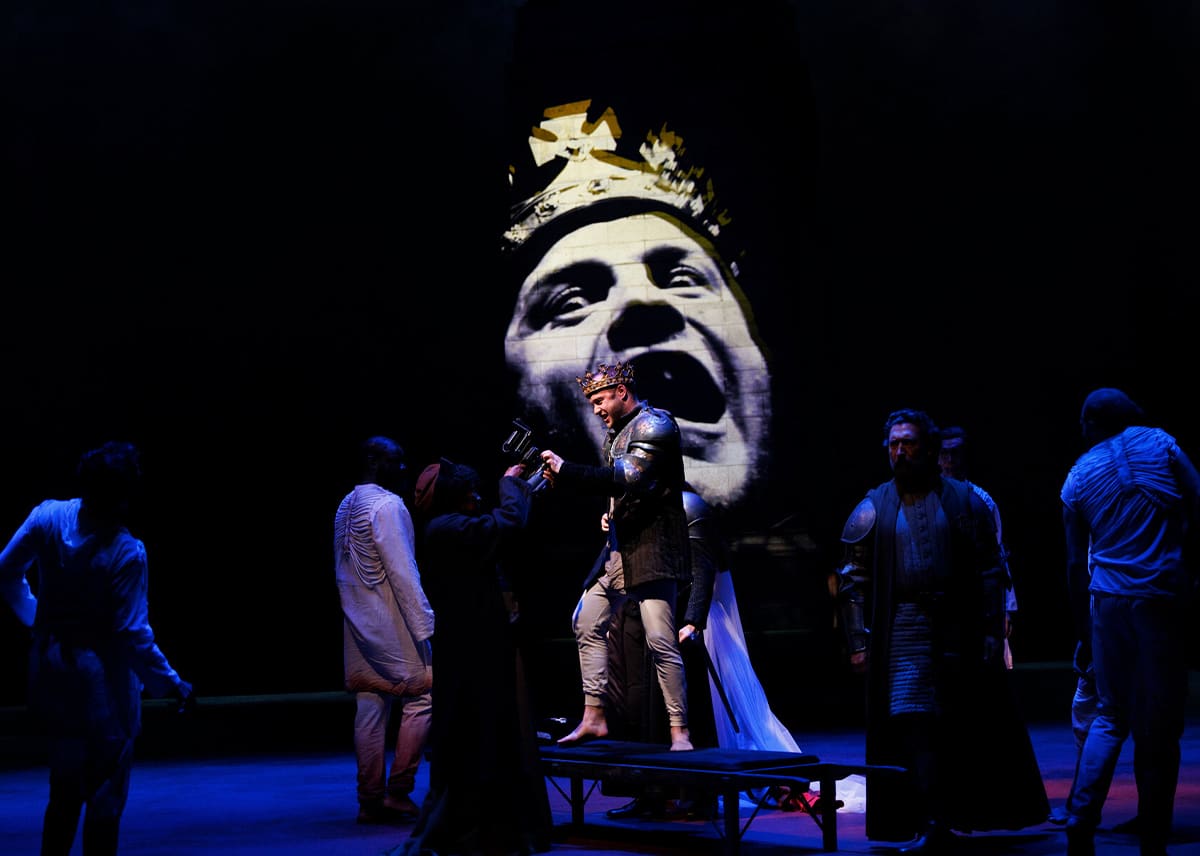
Complex antihero: an interview with Arthur Hughes
Unravelling Authur Hughes' Richard III
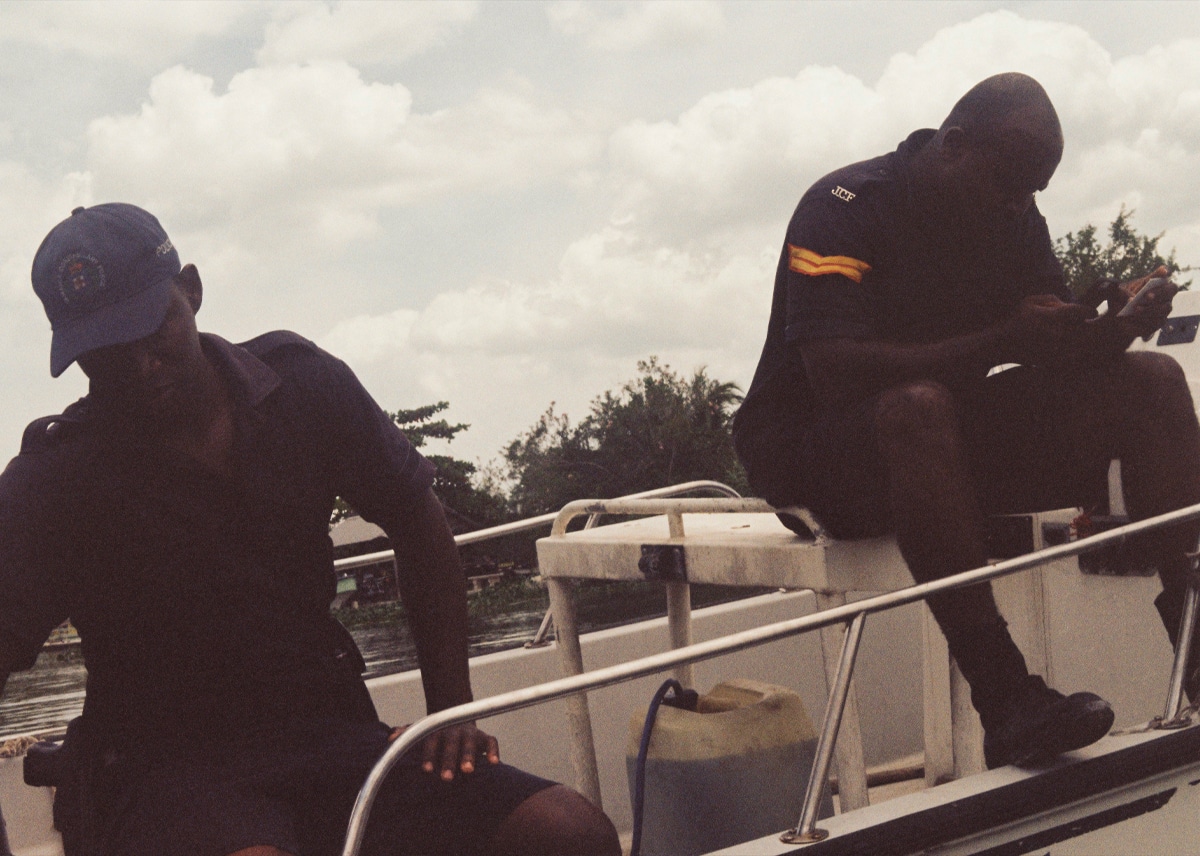
Marlon James: a Jamaican reckoning
'A return to a home I barely knew'


Illuminating, in-depth conversations between writers.
Listen to all episodes
SpotifyApple Podcasts
Amazon Music
YouTube
Other apps

The series that tells the true-life stories of migration to the UK.
Listen to all episodes
SpotifyApple Podcasts
Amazon Music
YouTube
Other apps
WritersMosaic interrogates the notion of ‘staying in your lane’ by asking writers how they attempt to think beyond the parameters of their cultural identity.
Listen to all episodes
SpotifyApple Podcasts
YouTube