
Ballet Black at 25

‘I feel very tired,’ laughs Cassa Pancho, when I ask her how she feels about Ballet Black, the dance company she set up, marking its 25th birthday. ‘I don’t know what it means to me; it’s very difficult for me to step outside of Ballet Black and its achievements because I am so bound up in it. It’s a miracle that we are still here in some way.’
Ballet Black was born in 2001 of Pancho’s frustration with ‘heartbreaking’ stories of racism in the ballet world; she herself was told, in training, that ‘black people did not have the physique, cultural interest or right hair type’ to make it professionally. Ever since, the company has been a magnet for and champion of dancers of black and Asian descent. Launched with a £2,000 loan from Pancho’s grandmother, Ballet Black is today backed by Arts Council England, the government arm’s-length funding body, and has commissioned more than 70 new works, winning a clutch of prizes and cementing itself in the cultural landscape along the way.
Yet Pancho, whose British mother and Trinidadian father enrolled her in a ballet school aged two-and-a-half, is not in an entirely celebratory mood. ‘It feels like a milestone if I’m having a very positive day, and on a day when we are struggling to make the budget make sense, it feels exhausting,’ she says. ‘When you’ve lasted as long as 25 years, there is an assumption that you’ve got everything you need. The struggle is still difficult.’
I was just shy of my fifteenth birthday when I first saw Ballet Black perform. I’d first come to know of the company some time earlier, maybe because of posters on the London Underground advertising their new productions. I still have the sheet of paper that I would have been handed on entering the large theatre, describing how the ballets that were about to be staged had been ‘commissioned & produced with support from the Royal Opera House’. The trio of pieces – Limbo, Two of A Kind, and A Dream Within A Midsummer Night’s Dream – saw gradually increasing cast sizes take up choreography that felt contemporary, even as the ballets deployed music by composers from decades and centuries past, including Paul Hindemith, Tchaikovsky, Ravel and Handel.
The connection hinted at in that production with the Royal Opera House in Covent Garden is long-running; indeed, Ballet Black began its 25th anniversary tour in March with a run of performances at the venue’s Linbury Theatre, to which it was introduced more than two decades ago by Baroness Deborah Bull.
On leaving the Royal Ballet, where she had been principal dancer, Bull was tasked with running the contemporary arts arm of the Royal Opera House and set about ‘developing a strategy for use of the smaller-scale spaces.’ ‘I was making it up as I went along, but I wanted to bring in the innovative and fleet of foot,’ she tells me. Introduced to Pancho by the writer Bonnie Greer, Bull pointed to ballet studios that were largely empty on weekday evenings and at the weekends and invited her nascent company to make use of them.
‘For twenty years as a dancer, I had a really strong sense of the disparity of resources between an organisation like the Royal Ballet and smaller ones, especially involving freelance artists,’ Bull says. ‘I went to see Ballet Black and was very impressed by what they were doing, but also the importance of what they were doing: providing a platform for black and Asian dancers to perform to the highest standards […] Having them at the opera house brought in different audiences and critical attention.’
This year’s anniversary tour, which is truly national in scope, reprises one of the most critically successful works in the history of Ballet Black. Ingoma, first staged in 2019, draws on the South African miners’ strike of 1946, a precursor to the anti-apartheid movement, which met with a violent response from the country’s government at the time. The choreographic debut at the company for Mthuthuzeli November, the ballet won an Olivier Award for Best Dance Production and was praised by critics for its blend of bodily power and poise. For Pancho, alongside that ‘very serious and emotionally driven’ work, there was ‘still space to make something new, which is what we’re known for’. Cue a light-hearted new commission from (and UK choreographic debut for) Hope Boykin, formerly of the Alvin Ailey American Dance Theater.
Having faced questions over Ballet Black’s utility as a pipeline for black and Asian talent, Pancho says that, at 25, the company’s ‘mission hasn’t changed but it has become wider’, including a training school in London for young people between the ages of three and 18. She adds: ‘The goal [back] then was to put more professional black and brown dancers on classical ballet stages. That has changed a bit, but it hasn’t changed in a radical way […] But very slowly, as people have retired out of Ballet Black, they have become leaders in the dance world. So in some ways there is a difference but in others there’s a lot of ground still to cover.’
For Bull, who praises Pancho as a ‘true changemaker who combines vision with passion’, Ballet Black’s worth lies as much in its capacity to bring forward marginalised artists as its impact across Britain, at a time when cutbacks in arts funding have caused other dance companies to fold or offer smaller programmes that are confined to big cities.
‘Ballet Black is providing a platform for choreographers to work away from the glare of the big opera houses, and it’s one of the few smaller-scale ballet companies in this country that is still reaching across the country,’ she says. ‘And it’s pushing the notion of what ballet is all the time and challenging the ballet body to say: what stories can ballet tell? That question is as important as ever.’
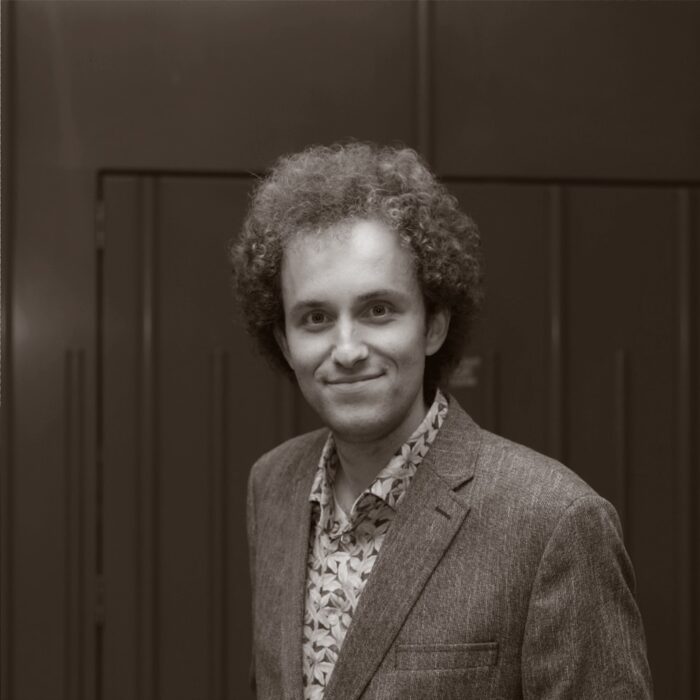
Franklin Nelson
Franklin Nelson works for the Financial Times, commissioning and writing on UK politics, the economy and society as well as books and the arts.
WritersMosaic monthly
Get new writing in your inbox
One email monthly, unsubscribe anytime
The name of this wallpaper is ‘Childhood’
A luminescent bubble of memory
What’s in a feminist? Holding on to Gloria Steinem
Is Gloria Steinem's feminism still relevant today?
Coats
The unexpected cost of acquiring two Italian leather coats in Rome


A Trial
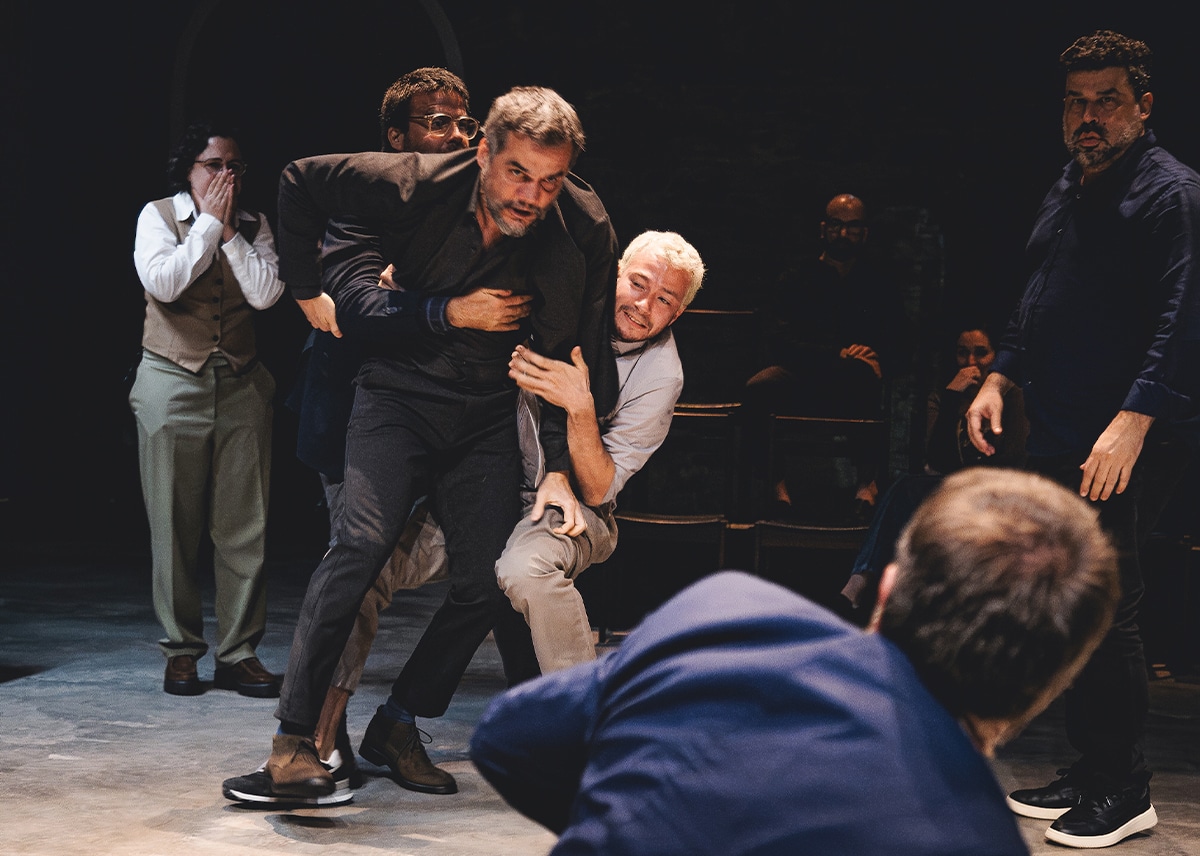
An examination of theatre’s complicity in post-truth politics

The Complex
The unraveling of a dynasty
Disappearing Images
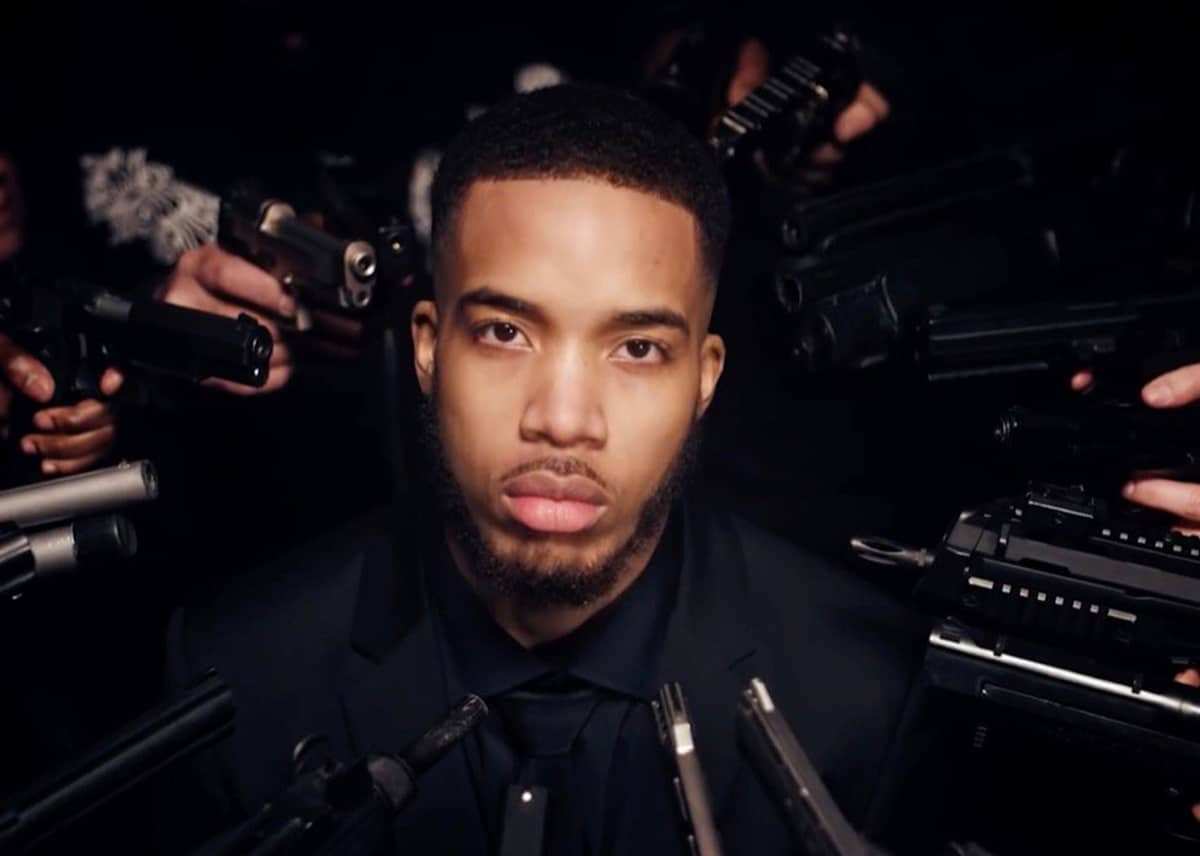
A festival of ephemeral art and the impermanence of our current world

Free Will
Will Harris reads his poem, 'Free Will'. Directed by Matthew Thompson and commissioned by the Adrian Brinkerhoff Poetry Foundation.

Half Written Love Letter
Selina Nwulu reads her poem, 'Half Written Love Letter'. Directed by Matthew Thompson and commissioned by the Adrian Brinkerhoff Poetry Foundation.

Illuminating, in-depth conversations between writers.
Listen to all episodes
SpotifyApple Podcasts
Amazon Music
YouTube
Other apps

The series that tells the true-life stories of migration to the UK.
Listen to all episodes
SpotifyApple Podcasts
Amazon Music
YouTube
Other apps
WritersMosaic interrogates the notion of ‘staying in your lane’ by asking writers how they attempt to think beyond the parameters of their cultural identity.
Listen to all episodes
SpotifyApple Podcasts
YouTube
In the first series of poems commissioned by Hannah Lowe, six poets explore how ritual gives meaning to our lives.
Listen to all episodes
SpotifyApple Podcasts
YouTube