
Didi
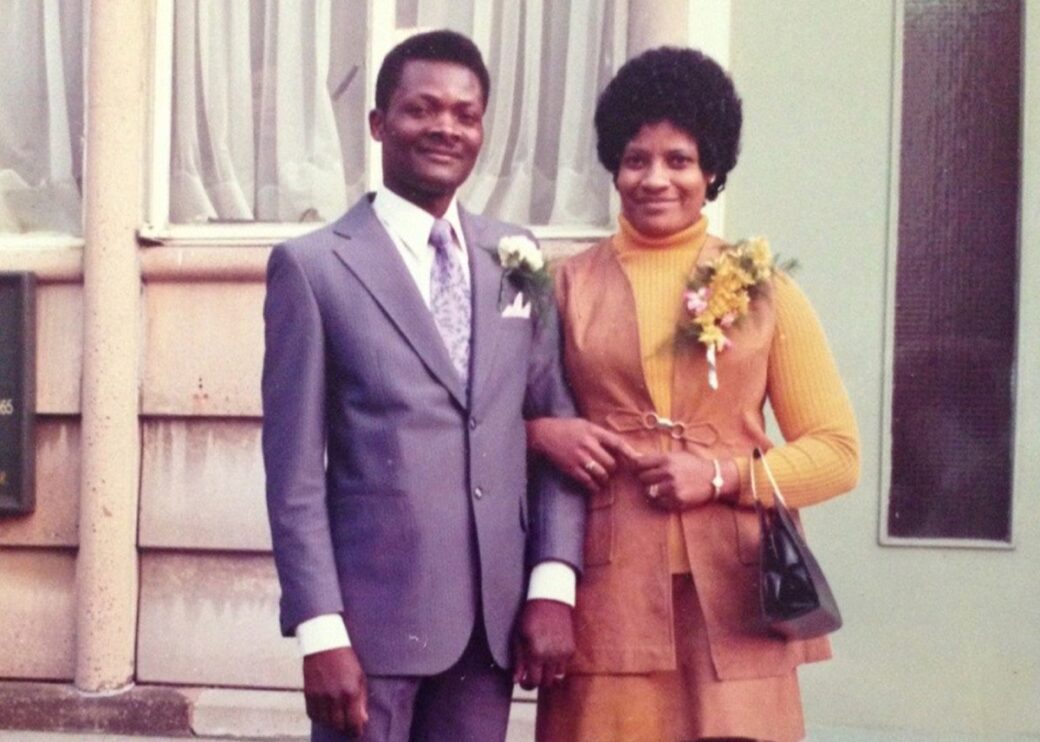
My Grandfather did not learn to swim, instead he would tread on the water’s edge, weaving through mangroves.
When he leafed through Rastafari scripture, my Grandfather found no Jah. He did not pass days in meditation, unfurling incantations with unwavering faith in his eventual ascendency. He did not commit himself to the prophecy, nor Haile Selassie’s supposed divinity. He skipped the pilgrimage to Addis Ababa with other bare-footed Abrahamic boys. Locks thick as rope did not brush down his back.
My Grandfather did not share with us that he was once a master of banjo. Back then, he did no more with his talent than lead regional jamborees and charm young women. He did not play as a session musician for The Wailers. He was not there when Bob Marley was shot. He is not credited in the small print on the back of 12-inch vinyls of Exodus or Uprising. His grandchildren do not lead new lovers by the hand into scrappy record shops, ladder their fingers through the stock to find the right disc, exclaim ‘Here!’ with the final locative flip and lift up the cover to show them his name. He did not tour the West Indies with the band and later the US. He did not meet a girl named Caroline after a show and wind up building a life on the Pacific Coast, playing easy, slow songs in easy, slow towns.
My Grandfather did not take up the offer of the national cricket team, bowl the winning maiden in the Commonwealth championship and become a sporting legend. His team headshot was not printed on tin sheet and hung from the upper perimeter of a dusty bar with a rusty blue roof off Kingston main street. It does not fade there under a bleaching beam of sun cast through a square window in the height of afternoon. He is not recognised in certain crowds on certain days.
My Grandfather did not get the boat, the former Monte Rosa, the reclaimed Nazi warship that would go on to be called Empire Windrush. For the same price he bought a ticket for a plane. After 11 hours, he disembarked with his banjo, a small leather holdall and the belief that every building with a chimney was a factory.
After his arrival in Britain, my Grandfather did not become Selvon or Zephaniah or Kwesi Johnson. He did not bounce the rhythm of a people into a poem’s consciousness. Did not tell us Inglan is a Bitch. Nor reject an OBE on account of its Imperial implications. Did not carry any books in his bag but the Bible.
My Grandfather did not take for granted the first job he found where his colleagues did not run him from the breakroom, howling as they beat their chests.
For the whole of that decade, my Grandfather would not leave the house any less than dapper or entirely debonair. Would not be found without a crisp tailored suit, front pleated trousers, black or coal coloured, on occasion cream or stone. Could not be missed as he strolled down the street in his felt trilby, the rounded tip of his polished Oxfords winking back at the day to come.
Here or there, my Grandfather had not met a woman more formidable than Gloria Smith. He did not recognise his luck when years later he arrived in Birmingham and took a room available in her older brother’s house. He would not let her go without tea or a chaperone home whenever she called by. He did not waste his chance when she at long last told him: Since we are both here, we might see if we get along. Did not know that his son would share the shape of her crown, or his daughter her brown lips. Did not take for granted all the colour of home that would follow that grey afternoon. Their love, as sudden but as sure as the ceasing of rain.
Shiny like mahogany wood, as we grew, my Grandfather would not tell the tale of the machete scar on his arm. Revelled in our unknowing. Let us presume his hidden hardness. Let us envision a sworded tussle more commonplace in hotter climes.
To this day, he does not forget refreshing sugarcane on hot spring afternoons. How children might hack down pieces of the plant with machetes or borrowed knives. How a friend might misfire, catch your arm in its place. How you might pace back home, tendrils of sap down one arm, blood down the other.
My Grandfather did not use his machete as a weapon but as a tool. Said he’d rarely thought of it as violent. But still he does not regret the one time he had done. A prop, swung low in his hand, to help reason with the neighbour. The neighbour who, on occasion, found himself needing to hurl bricks through the pane of my father’s childhood bedroom window, leaving sprayed glass glittering like confetti on his scratchy orange throw. After that, he did not have to ask again, nor use his machete with malice. He returned it to its purpose, tending to his garden, culling crabgrass and bevelling soil, before bundling it away into the peach-red plastic of an ageing shopping bag.
My Grandfather will not concede that cricket is the most noble sport. He would not let a bright Sunday pass without shooing us into his yard to turn the suburb of World’s End into West Indian fields. Would be no less than exacting, ever methodical, as he pushed the base of his wrists together, knotted knuckles teaching us how to cradle our first catch, until Granny called us in to eat.
My Grandfather decided not to have her admitted to intensive care after the third stroke. He would not see her suffer to halt the shifting tides. Took in the softest breath I might have seen, low and deep, at once young and old, reckoned then with the end of their endurance and told the nurse to let her rest.
My Grandfather did not say much at her funeral. At her graveside as cousins threw fistfuls of dirt over the lid of her coffin, under the beat of tambourine, told me in a voice just loud enough to hear, when you have loved someone so much for so long it is hard to speak of such things to others.
He did not say much when I showed him the painting of ‘The Banjo Lesson’. Did not share my interest in Ossawa Tanner as a slave born painter. Only paused his eyes over the aureate scene and said he didn’t think much about banjo anymore.
Told us later that his first neighbour in Britain had called the police whenever he picked up his five-string. He wanted no trouble, but the neighbour persisted. Soon enough, he stopped playing altogether.
When we visited Jamaica, my Grandfather did not refuse to speak patois as my father did. Fist bumped the valet with boyish pride as he told him welcome home, Sir.
At 90 years old, he did not seem fazed by the constant noise; distorted Lovers rock rolling music into the hills as wind curls waves into the sea.
He had not forgotten the land nor had it forgotten him. He did not use his walking stick to bear the weight of his stance, but as a telescope to discern features ahead. The banana trees, the armies of yam plants. He stoops to raise a fallen frond for us to touch. Feel, he instructs. He has no intention but for us to know. He does not question my note-taking, answers questions professorially. Together we improvise some gesture towards continuity.
My Grandfather did not let the world harden him. His eyes, which have greyed with his hair, shine like buttons when he laughs.
My Grandfather did not seem to understand when I asked to paint his portrait, raised his brow and said: Who now would want a painting of me?
He will not wait for the strawberries in his garden to be deep red to eat. Says the yellower ones are just as sweet, and you ought not wait for perfection to enjoy every fruit.
Decades ago, my Grandfather did not flinch when his infant niece pedalled fat legs toward him. He scooped her up high into his arms as she squealed and wished him hello. He did not correct her misunderstanding of his name as her attention was drawn to the badge on his chest. His bus-driver pin, the sequence there denoting him from all the other bus-driving men. She was too young yet for numbers but that letter ‘D’ she’d seen in nursery school before. Enthusiasm, doubling joy as she called it out, for all he did, and all he did not, he’d be known and loved with pride: Didi.
WritersMosaic monthly
Get new writing in your inbox
One email monthly, unsubscribe anytime
It’s being published I get paid for; the writing I would do for free
‘Any advance [...] for your novel is to compensate you for the horrors of being published'
Complex antihero: an interview with Arthur Hughes
Unravelling Authur Hughes' Richard III
Marlon James: a Jamaican reckoning
'A return to a home I barely knew'
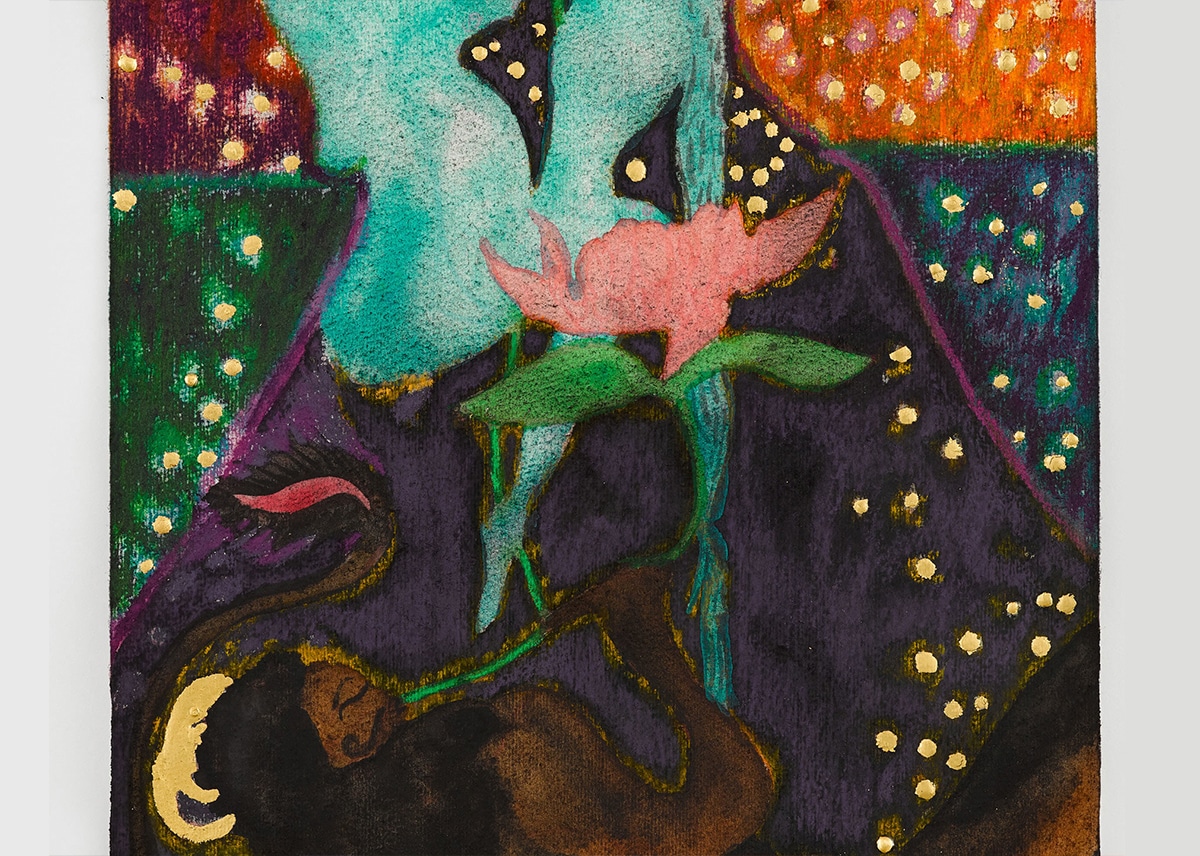
Haunting the Black Air
Poetic freedom across space and time
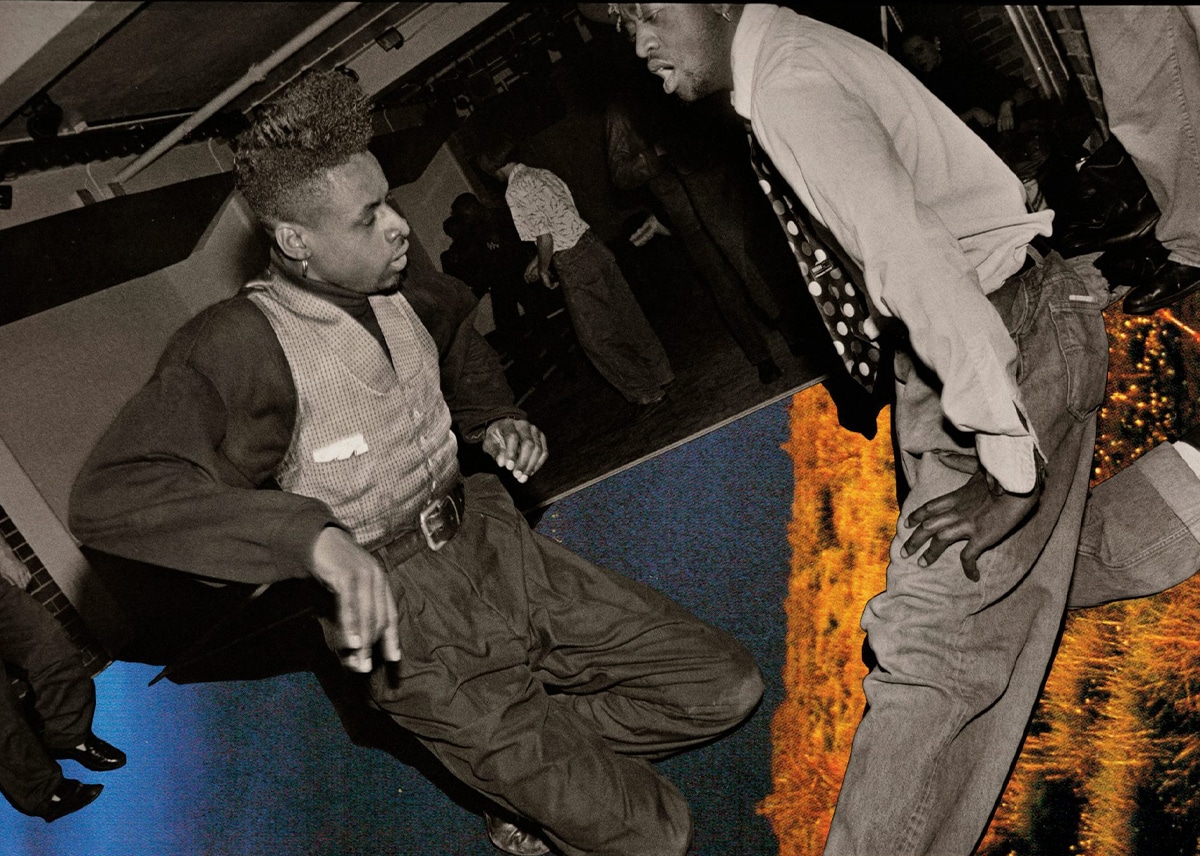
The Disappearers
A sprawling visceral experience that drops you in head first
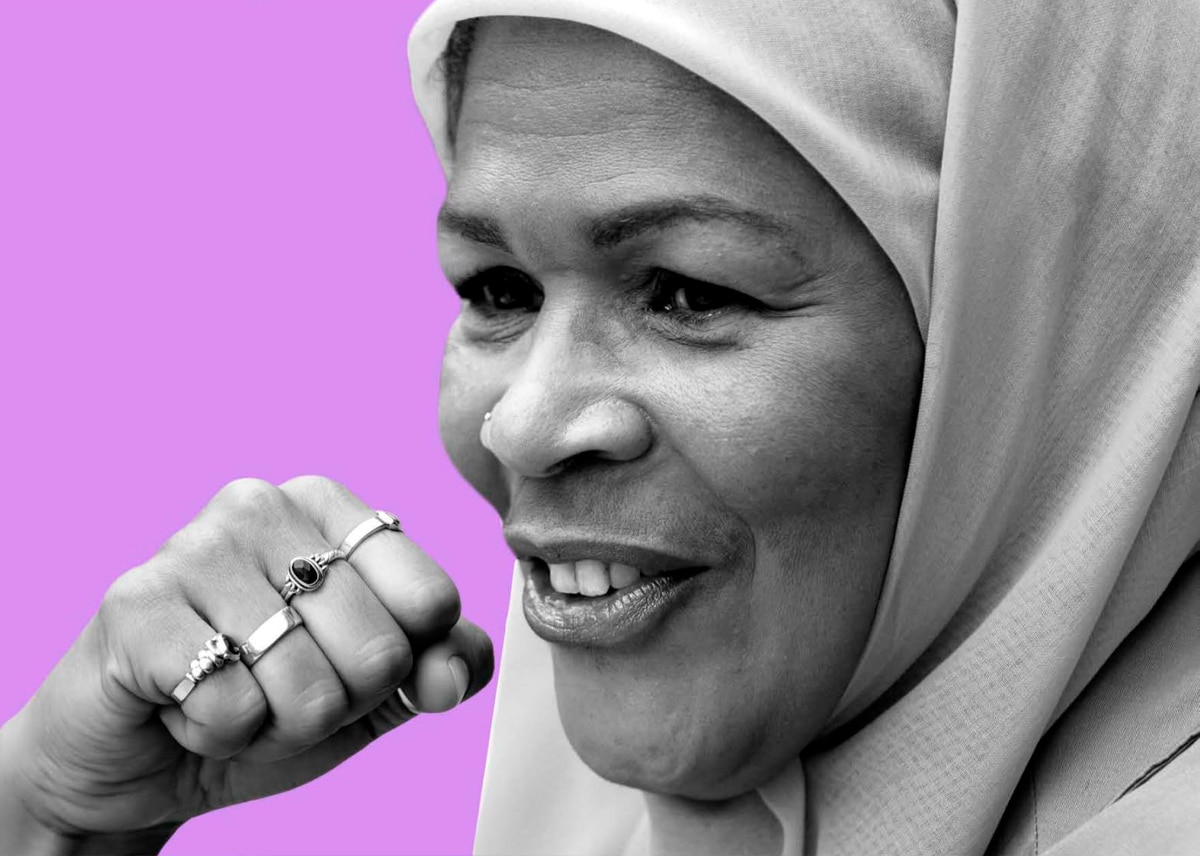
The Lady Imam
Is the world ready to catch up with amina wadud?


Illuminating, in-depth conversations between writers.
Listen to all episodes
SpotifyApple Podcasts
Amazon Music
YouTube
Other apps

The series that tells the true-life stories of migration to the UK.
Listen to all episodes
SpotifyApple Podcasts
Amazon Music
YouTube
Other apps
WritersMosaic interrogates the notion of ‘staying in your lane’ by asking writers how they attempt to think beyond the parameters of their cultural identity.
Listen to all episodes
SpotifyApple Podcasts
YouTube