
Scattering stars like dust

An extract from Mona Dash’s unpublished novel Scattering Stars Like Dust
Prologue
Thirteen-year-old Rukmini stared into the well. Concentric circles shone all the way down to the blackness of the water, inviting her in. You could throw a pebble in and hear a distant splash – the deeper the sound, the deeper the water.
That night was moonless, dark except for the stars. Thousands, millions of them spanned the whole sky, stretching above her. The air was still, the night air cool. She stood looking into the well, into the darkness, thinking what if she jumped in? What if she fell into the water and the blackness claimed her, swept into her? Everyone said the same thing, a girl so dark, so unfortunate. The third girl, born after two daughters, born when everyone had hoped for a boy. A girl so skinny, she showed no signs of becoming a woman. Hadn’t Kanika’s older daughters, Nalini and Lalita, been welcomed into womanhood by this age? The ritual puja had been done for both by the time they were thirteen. But this dark and thin girl, trust her not to grow up, trust her to add to the family’s burdens. Her own mother’s voice leading the pack of people chiming in with their questions and comments, as loud as the hens in their backyard. They didn’t approve of the hours she spent reading or writing pages and pages in thick ruled notebooks. They kept telling her not to waste her time and instead learn to cook well and to manage a carefully budgeted household. But Rukmini wrote late in the night, putting the lantern on a half wick, so that the light wouldn’t creep out of the room, and no one would know. As her sisters slept, she wrote pages of poetry and thoughts which trailed into each other like a dense forest.
Now, she clambered on to the rim of the well. If she fell and the darkness claimed her, everything would be resolved, wouldn’t it? Her parents would be free of her burden. She held on to the pulley with the rope. She knew how to draw water, you just slackened the rope and let the bucket drop. When you heard the bucket hit the water with a plop, you jerked the rope, so that the bucket tilted and the water filled in. Once the rope felt heavier in your hands, you would slowly pull up the bucket, water sloshing over the sides.
If she leaned forward, she could jump on to the pulley and let go. She would struggle for a while, feel the frogs on her face, the ones that croaked occasionally. Then the water would submerge her, and it would be silent again. Maybe her sisters would miss her, but perhaps not for long. Her parents would probably be relieved. She counted the circles on the side of the well, twenty-two rings all the way down. The water stood at the fifteenth today. Sometimes it rose to the seventeenth. This was a big well. Everyone said the water was bottomless.
Rukmini heard a rustle and paused. She looked back and saw her mother standing on the veranda, watching. The saree draped around her, a rough cotton in blue. Kanika watched Rukmini, as she half-stood half-sat on the wide rim of the well. Kanika said nothing. She stood quietly, her hands folded, and watched.
Rukmini lowered herself off the rim, her feet back on the earth. She walked back, head down, past Kanika. When she came closer, she heard the words, whispered, yet loud and angry, ‘You stupid girl!’ Rukmini went back to her bed, the mosquito net shrouding her sisters as they slept. Three of them in one big cot. She slipped under the sheets and waited for sleep to claim her.
Years later, Rukmini will remember that feeling and, especially, the smell of the well. The smell of deep water, clayey, tinged with life, fish and frog. She will shudder, many times in her life, when she remembers and the doubts creep in. The doubts, and the question, which rushes often into her head. Would her mother have watched her jump? Would she have let her drown in the depths, be claimed by the darkness, and then gone back to bed?
Her rational self will assure her, of course not, no mother would ever stand by to watch her daughter fall to her death. Yet, Rukmini has never asked, even just to hear Kanika deny it vehemently, to assure her that she would have rushed, grabbed Rukmini her arms extended wide, even at great danger to her own life. She would have never ever let her precious daughter fall. Had Rukmini slipped, she would have jumped right in after her.
Rukmini will imagine such answers. Over the years, she will think of Kanika holding her close and crying, ‘never my daughter, never would I let you fall,’ all the time fearing her mother’s real answer. Kanika never brings it up either.
Section 1 – The present, mostly
The ghosts dance, screaming in a frenzy, and the familiar smell of the well rises from her memories. Wild shapes tear at her eyelids, at her mind, but sixty-year-old Rukmini, wills herself to keep lying on the sofa. Stay still. ‘Om, Om,’ she chants. They tug at her, ‘Come, come with us. We have come from far away; we will take you home. Don’t you remember us?’ they call. One even grabs her hair; thick curly locks unravel from the bun. A sharp finger scratches her scalp. Still, she keeps her eyes closed. She ignores the rising breeze in the living room. Calmness. Om, Om, Om. Slowly they disappear. The anger in the room passes. Outside, it is still dark.
When Rukmini wakes at four in the morning, it is a dark October sky on a wintry English night, and everyone else is asleep. She has always liked being awake before everyone else when all is silent. She likes to spend time with herself before the day starts, like a running train, all rush and whistles. This morning she senses that the ghosts of the past have risen up again and she gets a sense of foreboding. She showers, practises yogic meditation, prays. Anything to keep the ghosts at bay. She hasn’t felt them for a few years now, they only come back at moments of crossoads in Rukmini’s life. She doesn’t know why they would come back now or here, in their daughter Vidya’s house in England.
By the time the sun rises softly, breaking through the greyness, a faint layer of gold shines on the dazzling green grass. Rukmini is kneading dough for puris for breakfast when Prasad comes downstairs. She makes some tea. The polka-dotted china teapot is massive and holds a seemingly infinite number of cups. They sit together on the flowery patterned sofas in the conservatory. It’s cold, despite the electric heaters. As they sip the delicate Earl Grey from the assorted mugs Vidya collects – not one matches another – Rukmini hesitantly describes her ghostly experience.
‘But why do you come downstairs in the night? Meditate in our room, put the lights on, you won’t disturb me at all!’
‘I know, but I can’t breathe my pranayam when you are asleep. It’s distracting.’
‘Maybe in that little study upstairs? You don’t need to come down here, all on your own, and sense ghosts.’
‘Vidya and Satyan will get disturbed. Besides, the chair in the study is so uncomfortable. I can’t sit on it for long.’ She is always conscious not to create any inconvenience for her children, always careful that they have the best – the best of her, the best of the world. ‘I need to exorcise this place. I need to know who they are. Why are they following me? What do they want from my daughter?’
‘How can you believe, or even imagine, there are ghosts here?’ Prasad points at the houses on either side, the one on the left attached to theirs, the one on the right, a foot away, a dark brown fence in between. It’s a uniform suburban neighbourhood in London, a place dotted with flowers and greenery. They’ve been in England for two months and have another two to go.
‘They’re out there,’ Rukmini points at the large conifers at the bottom of Vidya’s garden. The giant trees stand tall, making the house as private as a semi-detached house can be. Rukmini and Prasad have taken some time to understand the nuances: flats, terraced houses, semi-detached, bungalows, detached … nothing means the same as it would in India.
Prasad looks askance at Rukmini, but she isn’t smiling. Her eyes, mouth, wrinkles even, are etched with seriousness. They have followed her, she says, all the way from her childhood, or even before. She says they are the reason things have gone wrong in their lives. Ludicrous, to think of ghosts, especially Indian ghosts here in this calm suburb. He tries to stop his smile, but it is too late.

WritersMosaic monthly
Get new writing in your inbox
One email monthly, unsubscribe anytime
It’s being published I get paid for; the writing I would do for free
‘Any advance [...] for your novel is to compensate you for the horrors of being published'
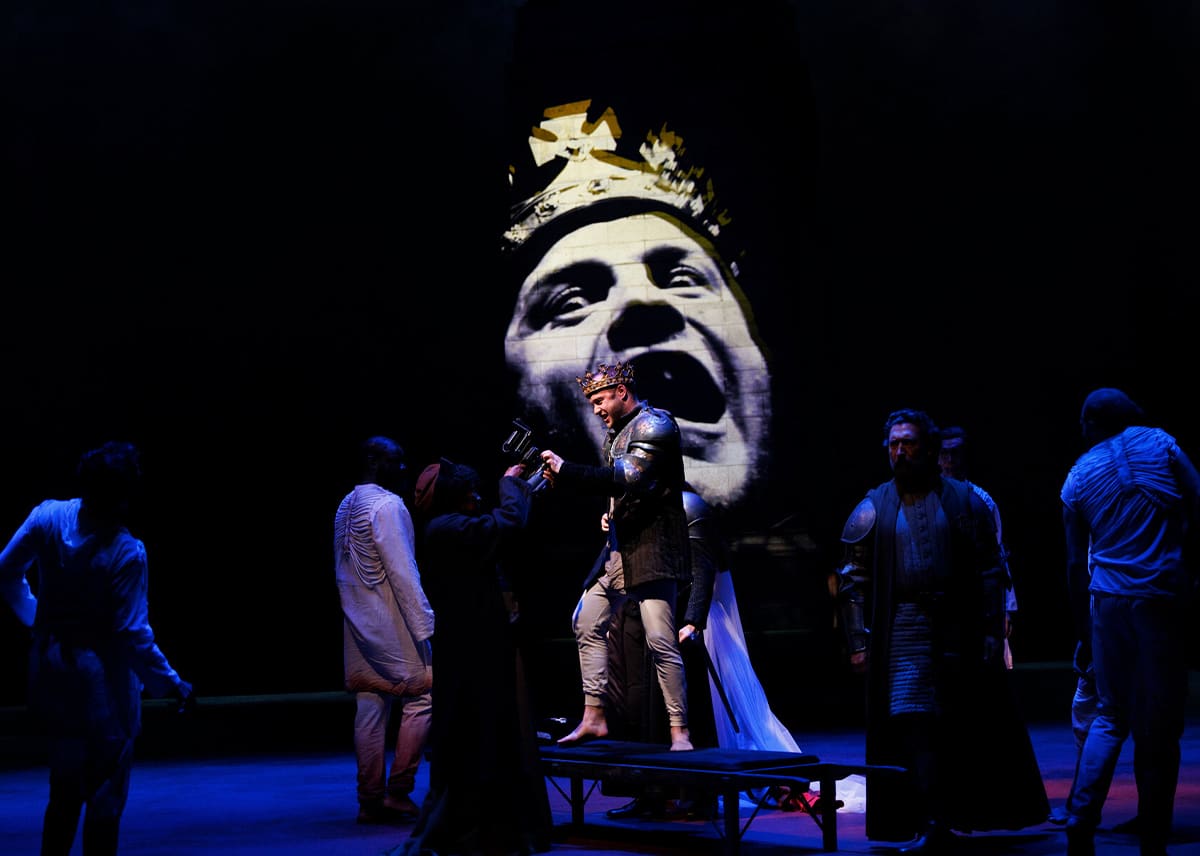
Complex antihero: an interview with Arthur Hughes
Unravelling Authur Hughes' Richard III
Marlon James: a Jamaican reckoning
'A return to a home I barely knew'





Haunting the Black Air
Poetic freedom across space and time
The Disappearers
A sprawling visceral experience that drops you in head first

The Lady Imam
Is the world ready to catch up with amina wadud?



Illuminating, in-depth conversations between writers.
Listen to all episodes
SpotifyApple Podcasts
Amazon Music
YouTube
Other apps

The series that tells the true-life stories of migration to the UK.
Listen to all episodes
SpotifyApple Podcasts
Amazon Music
YouTube
Other apps
WritersMosaic interrogates the notion of ‘staying in your lane’ by asking writers how they attempt to think beyond the parameters of their cultural identity.
Listen to all episodes
SpotifyApple Podcasts
YouTube