
Sunday Trade
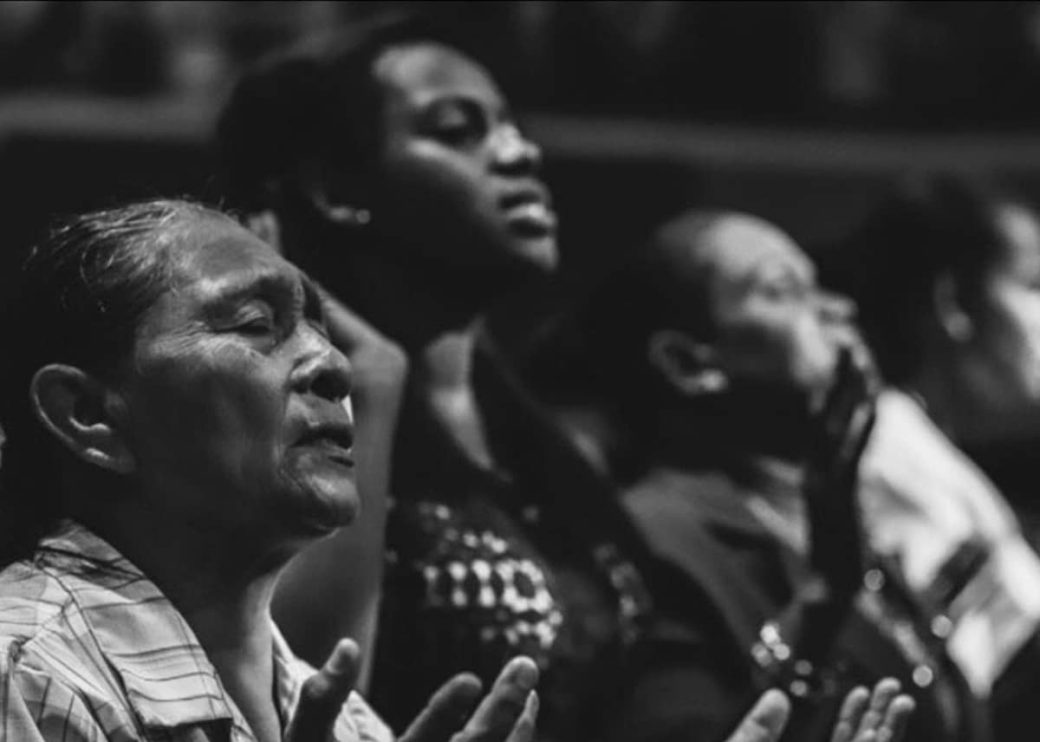
The year is 1994, and the Conservative party are in power, John Major is in the fourth year of his premiership, and a loaf of bread costs 74p. I’m a fresh-faced two-year-old, barely cognisant of my surroundings and the slowly developing societal debate about Sunday trading. My parents, and other members of their congregation, are engaged in a steady campaign to stop shops trading on Sundays.
As Christians, they believed, and still do, that Sunday is God’s Holy day, a day in which humans should observe rest, be around loved ones, and take stock of their lives and surroundings. This notion is derived from the creation story, where Christians believe God made the world in seven days. With this in mind, my parents created space for us to be in one another’s company for the day. It wouldn’t be uncommon for us to have a post-church lunch, pack the bikes in the car and head to the lake, or watch a film. As long as we were together and no work was being done, my parents felt we were honouring God’s intended design for the day.
With the proposed change in the law imminent, the church went out to the local community to raise awareness and gather signatures. To understand my parents’ dedication to their faith, I should first explain how it all began. My mother grew up in the church, with her grandfather being a pastor, whereas my father came to faith in his early twenties, meeting my mother at the still-active Lewsey Pentecostal Church, Luton and quickly building a friendship. They spent a great deal of time together, hearing teachings from the Bible, debating scripture, and becoming erudite in matters of their faith.
They had many things in common, one of which was the country they came from, St Vincent and the Grenadines. The small island in the eastern Caribbean has a population of 101,322 people and was once under British rule. Like many of that generation, my parents were sent to England in their early teenage years with the promise of gaining a better education.
With their faith growing, they soon became romantically involved, eventually marrying in the summer of 1987. Their passionate commitment to their faith was evident in the way they anticipated the change in Sunday trading, and ultimately motivated them to try to maintain the status quo.
Despite the collective efforts of their church and of many others up and down the country, the Sunday Trading Act was passed on August 26th 1994, allowing all stores in England and Wales to sell goods on a Sunday. From this point onwards, every day of the week was a potential shopping day. This change in trading hours meant that workers would no longer enjoy the financial benefits of double-time working. Workers previously had the choice to give up their Sundays and bank holidays and, as a reward, they would be paid twice their hourly rate or, in other instances, the hour and a half. Instead, Sundays were incorporated into the ‘working week’, leaving those who chose not to partake in the national holiday out of pocket.
Three decades later, the life of the worker and consumer could not look more different. Not only is Sunday working a recognised mainstay in the life of the British shopper but the rapid progression of the internet and the gig economy has fostered a new landscape where consumers can access their shopping needs around the clock, allowing for same day, next day, or in some instances same hour delivery. Simply put, there has been an erosion of the time spent not spending. We’ve traded our right to stillness in exchange for the possibility of material gain.
I can’t help but admire the efforts of my parents and the many others who tried to oppose this law. Now, with a faith of my own and a church based in London that I have been part of for over a decade, I’ve never felt more closely aligned with my parents’ views. While growing up and working various retail jobs, I would always opt out of working on Sundays, even when I wasn’t particularly engaged with my faith. I don’t believe that everyone must have a religion and observe Sundays in such a way but I do believe we should be afforded this time to reflect upon ourselves if we so choose to. Now, more than ever, we are aware of our mental health and the benefits of being in nature, exercising, and time away from the pocket-sized devices that govern our lives. To me, observing the day of rest seems like a potential step in decreasing the stresses that plague our modern society. With the increasingly consumerist nature of our modern lives, a respite from the ever-rotating hamster wheel has never seemed more necessary.
At the start of the year, I was fortunate to spend some time in India. Aside from being blown away by the natural beauty of Kerala, and the fierce and enthralling Mumbai, I was surprised to find out that the shops observe Sunday as a day of rest. Granted, there were a few independent traders still active, however, the majority of the bigger establishments had their doors firmly shut and this is the world’s fastest-growing economy.
In 2024, my father and I visited my Grandma in St Vincent. The capital, Kingstown, hosts a vibrant market on Saturdays where the locals exchange produce, play music and enjoy one another’s company. This is all done with an acute awareness that come sun-fall, the option to shop will only be available again come Monday. Here, the islanders still observe this day of rest. To quote The Specials, by Sunday, ‘This Town, is coming like a ghost town’. This informs the way people spend their time leading up to Sunday. A collective preparation is made throughout the week with the foreknowledge that Sunday is coming. Irrespective of where you choose to spend it, whether in the Church, on the veranda, or at the beach, all are complicit, and all are at ease.
Now, a quarter of the way into the year and with work beginning to pick up, I’ve opted to join the ritual my fellow Vincentians are practising. The food I consume is generally bought before Sunday, allowing me to prepare a meal if needed. My Sunday mornings are spent in church, with afternoons intentionally with friends, in the company of loved ones, observing a time to take stock and be still.
WritersMosaic monthly
Get new writing in your inbox
One email monthly, unsubscribe anytime
It’s being published I get paid for; the writing I would do for free
‘Any advance [...] for your novel is to compensate you for the horrors of being published'

Complex antihero: an interview with Arthur Hughes
Unravelling Authur Hughes' Richard III

Marlon James: a Jamaican reckoning
'A return to a home I barely knew'








Haunting the Black Air
Poetic freedom across space and time
The Disappearers
A sprawling visceral experience that drops you in head first

The Lady Imam
Is the world ready to catch up with amina wadud?



Illuminating, in-depth conversations between writers.
Listen to all episodes
SpotifyApple Podcasts
Amazon Music
YouTube
Other apps

The series that tells the true-life stories of migration to the UK.
Listen to all episodes
SpotifyApple Podcasts
Amazon Music
YouTube
Other apps
WritersMosaic interrogates the notion of ‘staying in your lane’ by asking writers how they attempt to think beyond the parameters of their cultural identity.
Listen to all episodes
SpotifyApple Podcasts
YouTube