
A message from the glens

Tariq Latif
I was born in a small rural village in the Punjab. My grandparents were farmers who worked the land growing rice, a range of vegetables and fruit. They fed themselves and the extended family with the produce of the land.
I loved watching courgettes grow, tiny watermelons become big as footballs, green mangoes ripen to the colour of low sunlight and sugarcanes grow tall as men. To a young boy this was magic. I recall the sun setting in the paddy fields in a blaze of fire, and eating homemade brown sugar (which inspired my poem ‘Sugarcanes’).
I used to love watching my grandmother churn butter and slow cook rich rice pudding in the thick after-birth milk of cows. Nature was in my veins, in my breath. My grandmother used to tease me, scratching my arm that would turn the colour of the soil, and saying, God made you out of mud!
Each year there were powerful monsoons, torrential rain, thunder and lightning. It was wild and sadly destructive. I remember seeing a man run through flooded plains, his bare legs strong and brown as the swirling water. He was running with urgency and that image has stayed with me to this day!
Then there was death. Punjabi cultures do not shy away from the idea of death. I remember seeing neighbours carrying their dead on a mungee – an open, string strung bed – to the cemetery. It was a natural and normal part of life. In fact, the first time I saw a dead person was when I was probably five. I accompanied my mother. All I can recall was the dead man, lying peaceful on satin sheets. He just seemed to me to be asleep and I would not have thought otherwise if it had not been for his widow weeping.
I had not realised how ingrained in my spiritual fabric the whole sense of nature and its continuous flow of seasons was until I moved to Dunoon in the west of Scotland. Having before then lived in suburbia for 30 years, I had been disconnected from that natural flow of nature, day by day, season by season. From Dunoon, I loved rambling over the hills in Argyll and walking the long beaches. Eventually my sensibilities retuned along with the flow of the seasons.
I went through a phase of sending myself texts whilst walking the glens. Every time I saw something strikingly beautiful, I quickly put my emotional responses into texts and never worried if they were any good or added up to anything. It gave me such freedom to write about the raw beauty of nature. The idea was simple, and similar to the Japanese art of observing nature in a few strokes or words to get the essence distilled and logged! After doing these for almost a year, I put together a long poem called ‘Argyll Symphonia’. I tell my audiences it’s a bit like a long jazz piece which you can dip into where you like to get a feel for it!

WritersMosaic monthly
Get new writing in your inbox
One email monthly, unsubscribe anytime
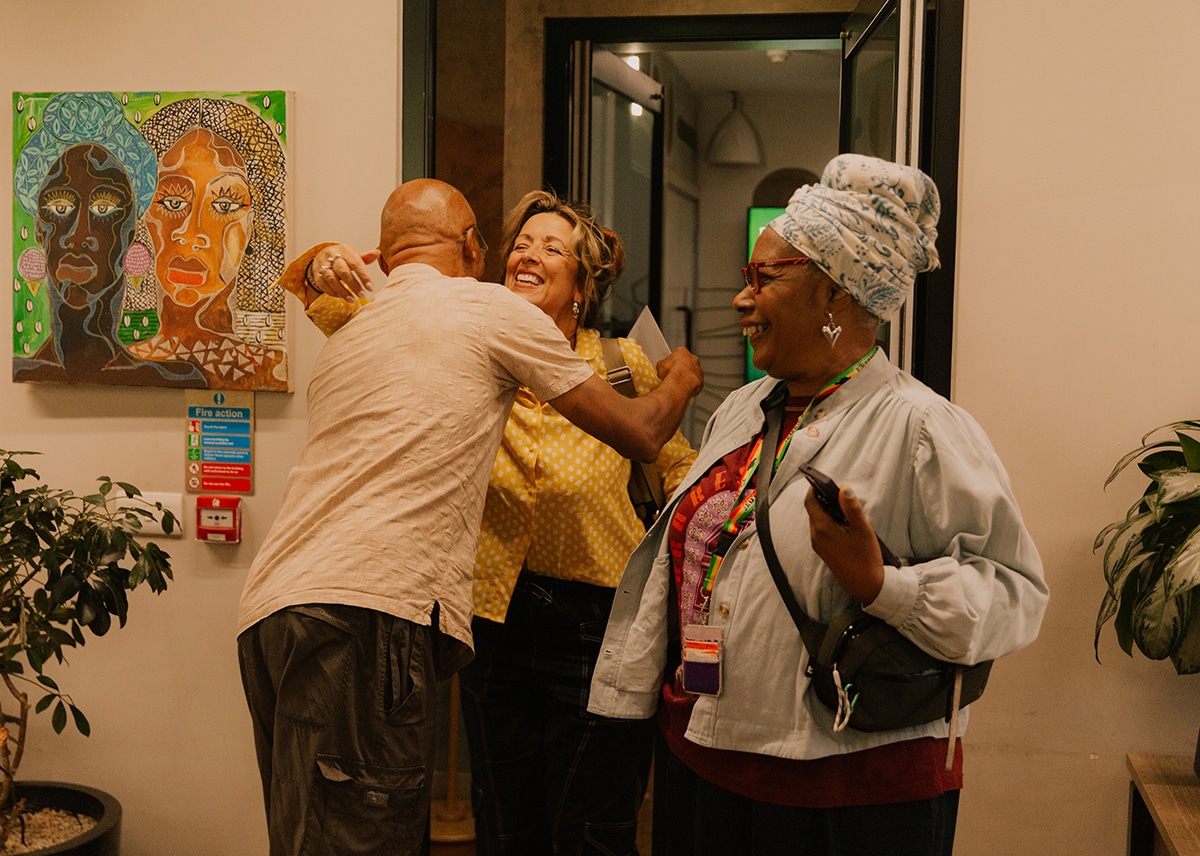
It’s being published I get paid for; the writing I would do for free
‘Any advance [...] for your novel is to compensate you for the horrors of being published'
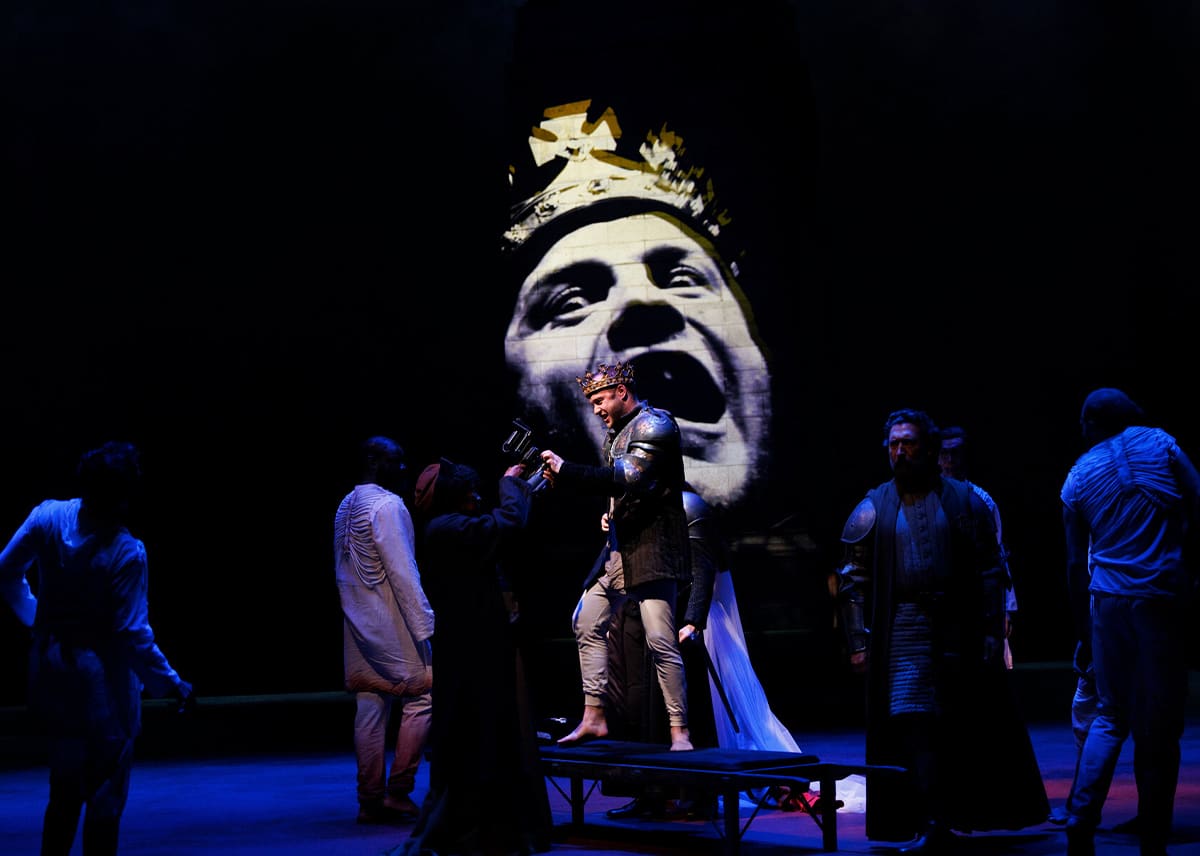
Complex antihero: an interview with Arthur Hughes
Unravelling Authur Hughes' Richard III
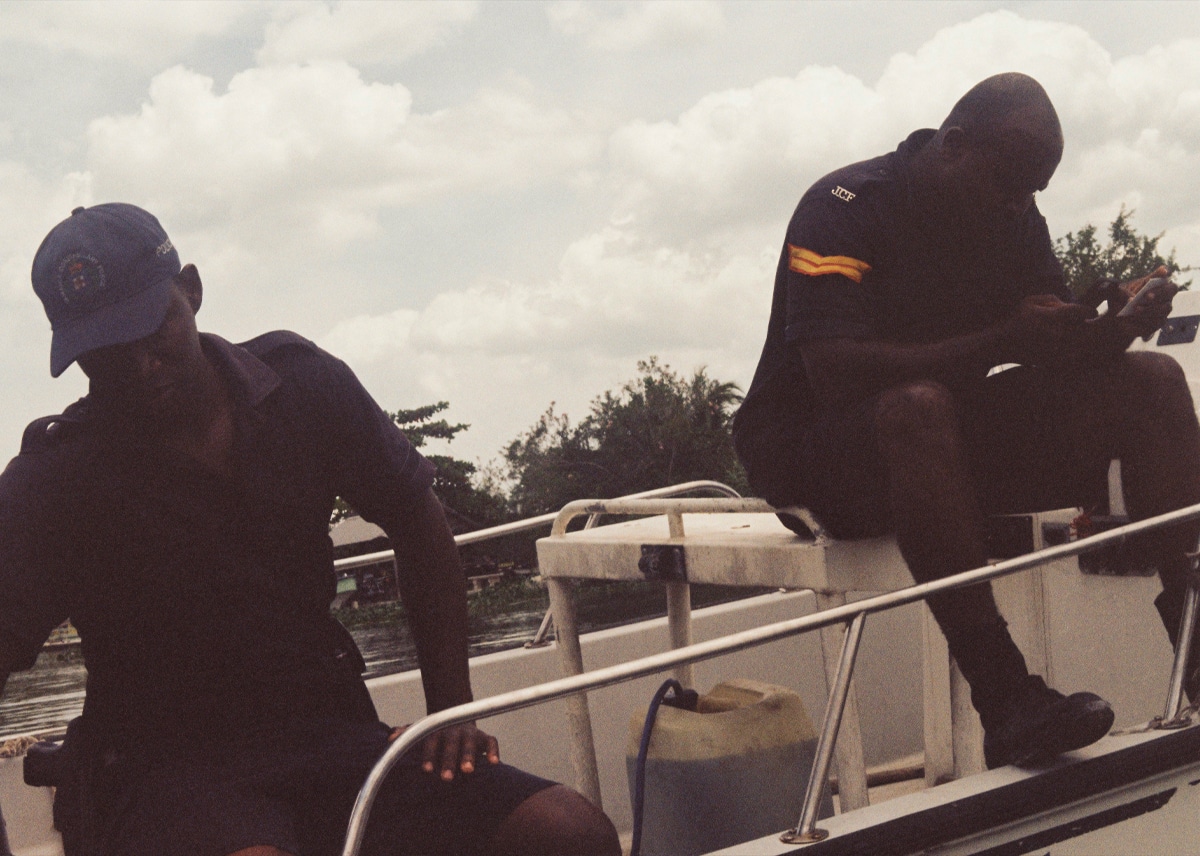
Marlon James: a Jamaican reckoning
'A return to a home I barely knew'

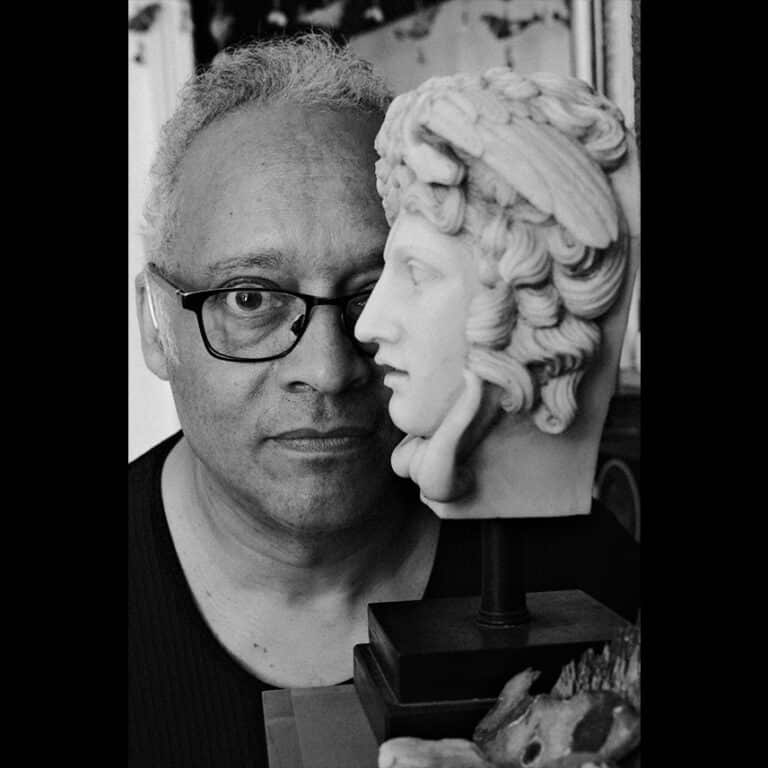




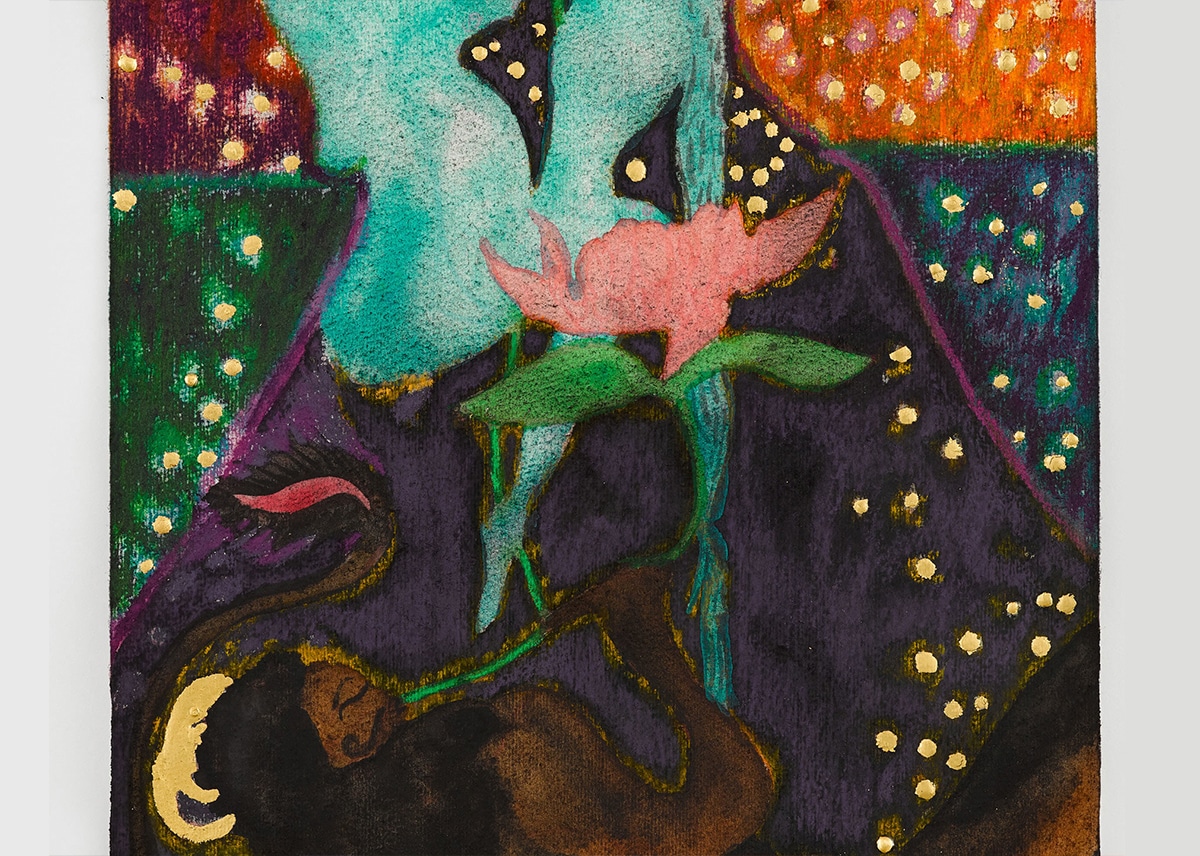
Haunting the Black Air
Poetic freedom across space and time
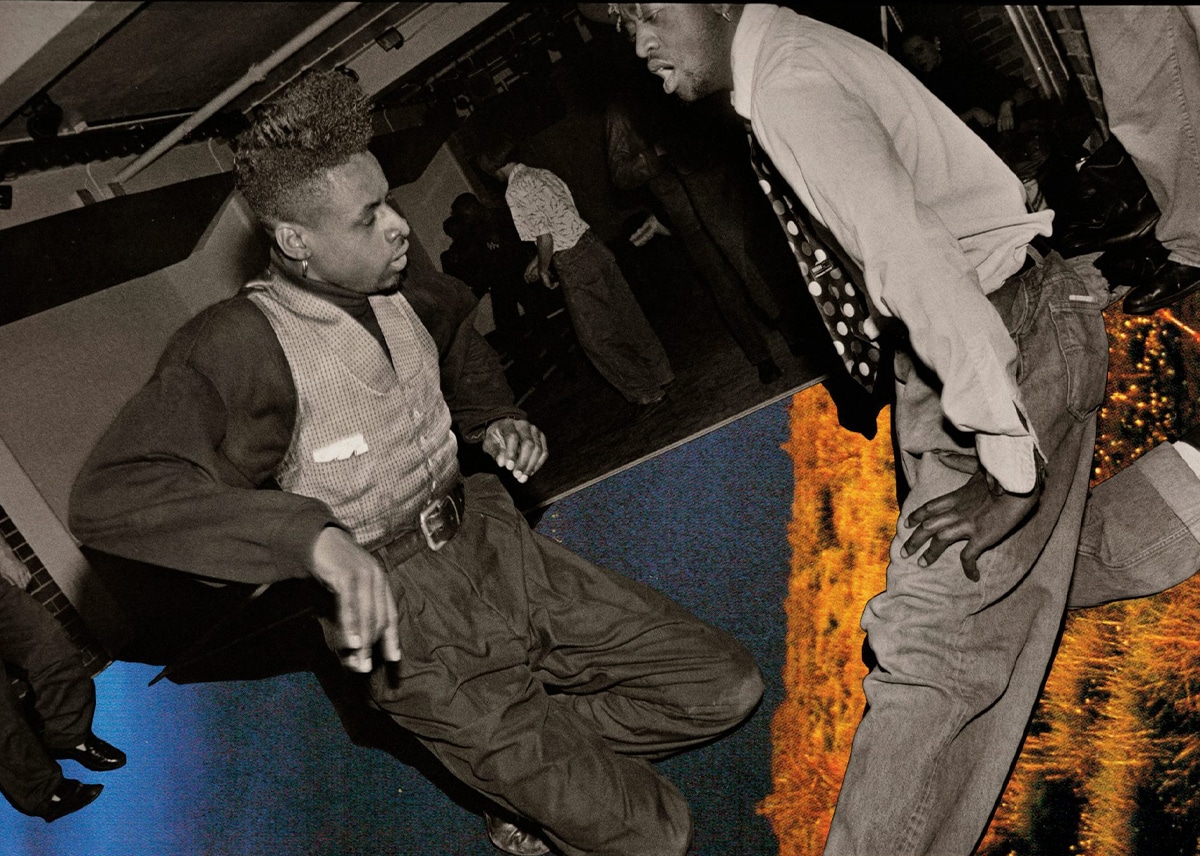
The Disappearers
A sprawling visceral experience that drops you in head first

The Lady Imam
Is the world ready to catch up with amina wadud?



Illuminating, in-depth conversations between writers.
Listen to all episodes
SpotifyApple Podcasts
Amazon Music
YouTube
Other apps

The series that tells the true-life stories of migration to the UK.
Listen to all episodes
SpotifyApple Podcasts
Amazon Music
YouTube
Other apps
WritersMosaic interrogates the notion of ‘staying in your lane’ by asking writers how they attempt to think beyond the parameters of their cultural identity.
Listen to all episodes
SpotifyApple Podcasts
YouTube