In search of lasting change
Being my own person as a writer
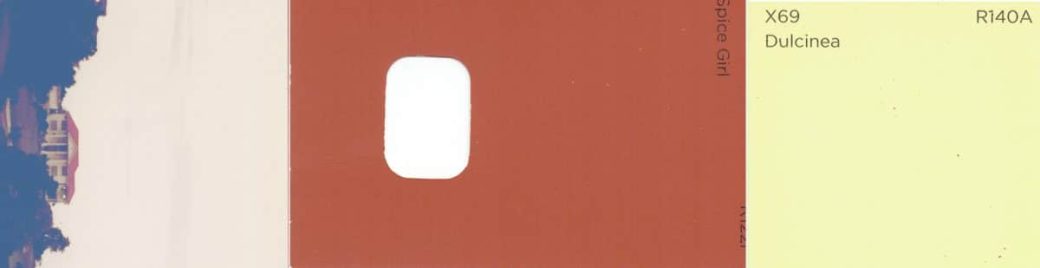

I have always been an independent spirit. As a kid in Lagos, I went missing at an amusement park because I wandered off exploring, curious about what lay between and beyond the rollercoaster rides, feeling my way around the margins. This oscillation amidst instruments which provided euphoria, fear and the comedown intrigued me. I am still that young girl with a keen hunger to know the world, having adventures on the page. The process of finding one’s authorial voice is a complicated, tricky journey, but I feel my path in literature has been informed somewhat by my desire to centre all the things that make me different in the world’s eyes. I grew up a voracious reader. I loved books and the universes they introduced me to, but I did not see myself reflected in books unless they were by black Americans or the few British authors of colour. This invisibility, this erasure both in life and in books, is a devastating thing, a grenade you have to psychologically prepare yourself to hold because you know it is coming, inevitably. I have always felt like an outsider. The experience of never quite fitting in has plagued me all my life.
At secondary school, I did not trust group dynamics because whoever led set the tone for people to exaggerate or shrink aspects of themselves in order to fit in. I used humour as a defence mechanism; laughter as derailment meant people were distracted. By the time I got to college and university, I revelled in the elements of myself that had felt difficult. Over the years, it occurred to me I could celebrate those knotty, complex feelings of otherness in my writing, I am constantly trying to know it, seek it and realign it. I gained courage from black artists I felt had done the same: Ntozake Shange, Amos Tutuola, Bernardine Evaristo, Leone Ross, Ben Okri, Dambudzo Marechera and Bessie Head amongst others.
My alternative inclinations filtered into my work. Rather than shrinking away from the aspects of my self that others did not necessarily understand, I cultivated it. I embraced it. It was and still is a kind of defiance. The burden and beauty that comes from moving between spaces is not a choice. It is a matter of survival for artists of colour. The short form was a great fit for the ideas I had, the urgency, the desire to play with form. I wrote my debut collection, Speak Gigantular, feverishly. I wanted to write blackness, to show the artfulness of black experimentation on my own terms, not anybody else’s, to boldly explore it, reframe it, expand it, dismantle expectation; to joyously conjure kaleidoscopic stories that encourage readers to be active rather than passive. In my new collection Nudibranch, I am still investigating the multiplicities of otherness. I enjoy straddling this space and what it allows me to do with ideas and language. I understand who I am as a writer but am still getting to know its dimensions, which sounds contradictory but isn’t. It enables me to turn my lens both inward and outward to write stories that are layered and provocative.
© Irenosen Okojie
In search of lasting change

In search of lasting change
Kerry Young

The Jhalak Prize
Sunny Singh

Advice to my younger self
Malika Booker

Mainstreaming and greater choice of books
Margaret Busby

And the rest of you are normal
Mahsuda Snaith

The writing culture I would like to see
Katy Massey
WritersMosaic monthly
Get new episodes by email
One email monthly, unsubscribe anytime

Illuminating, in-depth conversations between writers.
Listen to all episodes
SpotifyApple Podcasts
Amazon Music
YouTube
Other apps

The series that tells the true-life stories of migration to the UK.
Listen to all episodes
SpotifyApple Podcasts
Amazon Music
YouTube
Other apps
WritersMosaic interrogates the notion of ‘staying in your lane’ by asking writers how they attempt to think beyond the parameters of their cultural identity.
Listen to all episodes
SpotifyApple Podcasts
YouTube

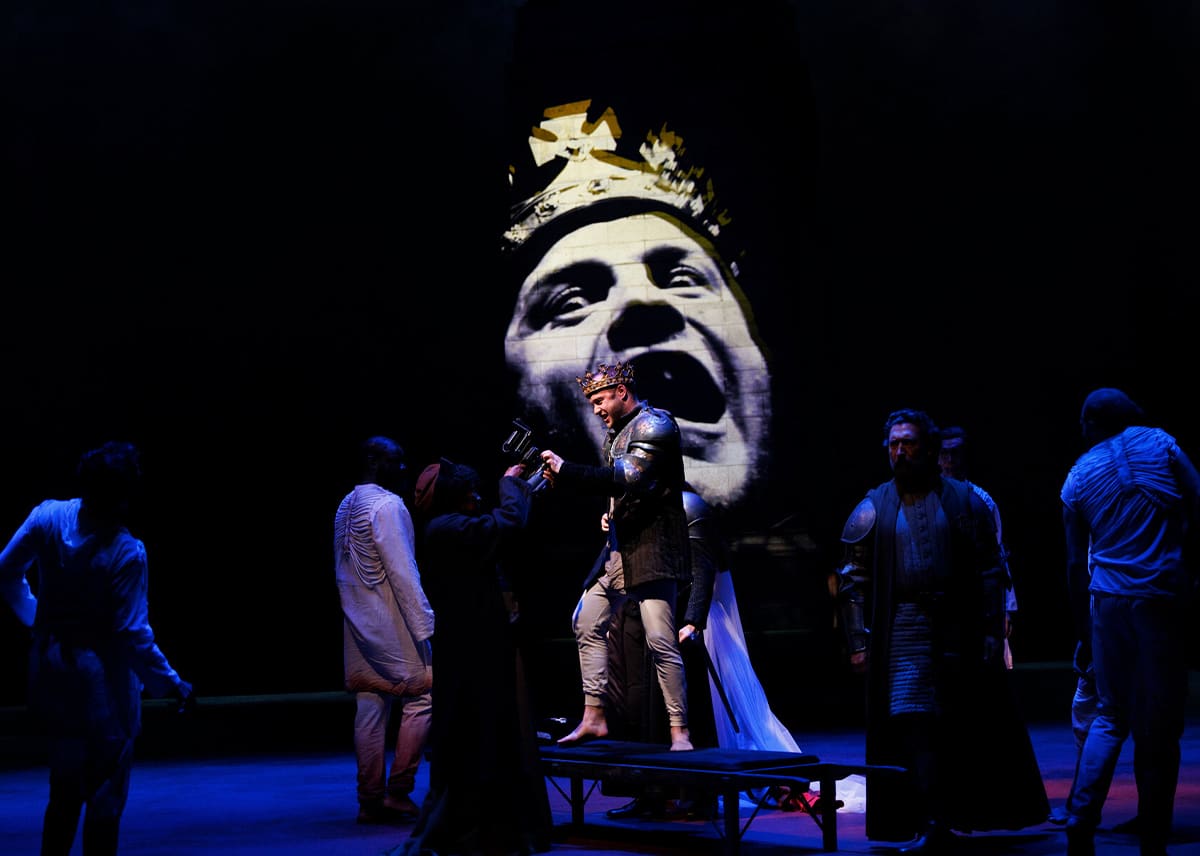
Complex antihero: an interview with Arthur Hughes
Unravelling Authur Hughes' Richard III
Marlon James: a Jamaican reckoning
'A return to a home I barely knew'
The name of this wallpaper is ‘Childhood’
A luminescent bubble of memory

The Disappearers
A sprawling visceral experience that drops you in head first
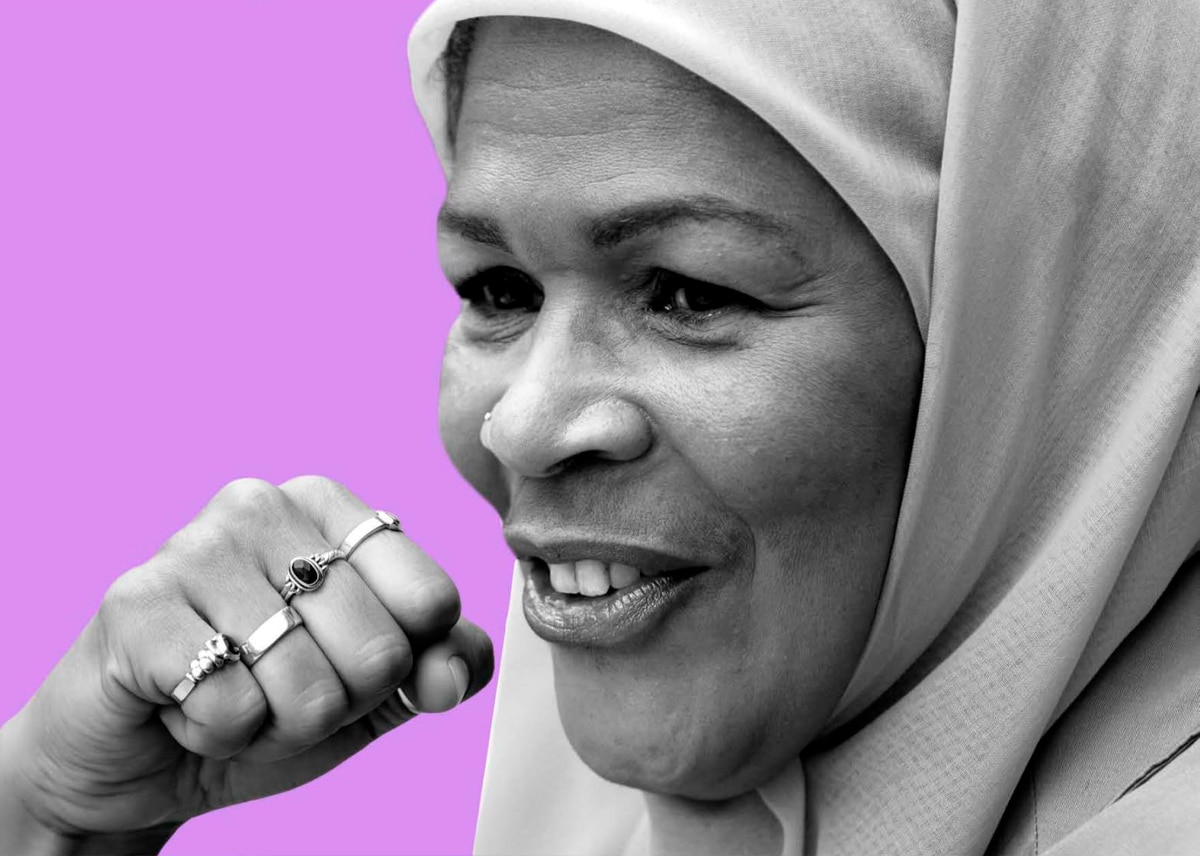
The Lady Imam
Is the world ready to catch up with amina wadud?