In search of lasting change
The writing culture I would like to see

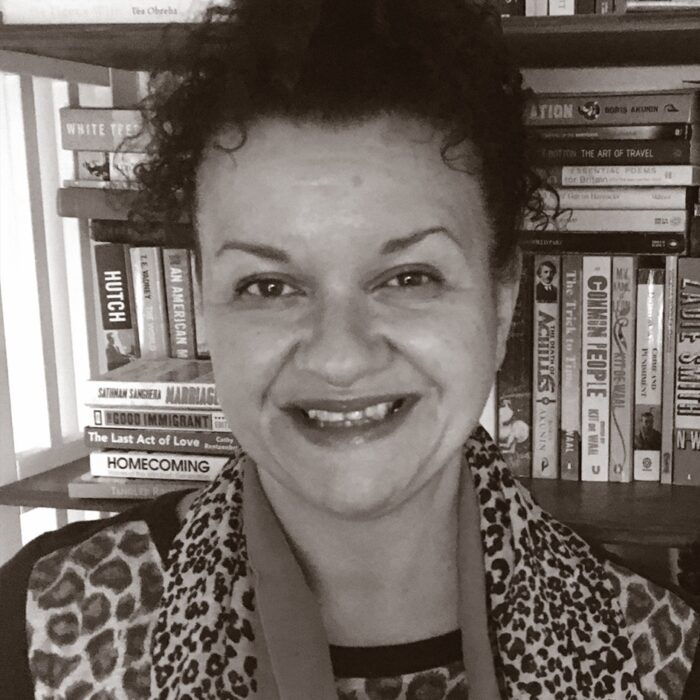
I have recently been offered a number of opportunities to help my writing reach an audience. In 2019, at the age of 50, after working as a life writing author and project producer since completing my PhD in 2010, something changed. I was shortlisted for the Penguin WriteNow programme. My memoir was one of twenty works by writers of colour Jacaranda published in 2020. An excerpt from it was selected by New Writing South for inclusion in Kit de Waal’s Common People collection (Unbound). I was able to apply for these opportunities on the basis of my ‘outsider’ status. I am a mixed race, working class female of colour. I am, apparently, not widely represented in the world of books.
So found Time for Change, the 2019 report about the lack of social diversity in writing and publishing for children from Arts Council England. Several proceeding pieces of research have highlighted the overwhelming middle class, whiteness of the UK publishing industry and the negative impact this has on writers and publishers from non-white, non-privileged backgrounds. [See Note below.]
Since the public murder of George Floyd and the reigniting of the BLM movement, opportunities for minority writers have proliferated, but this has merely highlighted the problems found by Time For Change: that publishing does not reflect the demographic make-up of the UK population.
But why should this be so, and how can it be different? On the face of it, what is at stake is small potatoes. Books are everyday objects, not diamonds. They are mostly small enough to be carried in a back pocket and cost little more than a couple of magazines. Sales have been healthy. This is worth pointing out, because money and the cultural capital it can acquire are two different things.
I would guess that it is not the monetary value but the cultural status of books which makes the inequalities around who writes and publishes them such an intractable issue. Books are tiny worlds constructed of words. But, this ‘uniquely portable magic’ as Stephen King put it, is also a battleground.
Such is the weight of cultural baggage attached to books that there is a fervour of protective jealously over who gets to put their name to one, and who gets to choose that person. The words which should be printed on those unassuming sheets of paper, the worlds which should be created there are, currently, very narrowly construed. So narrowly as to largely exclude not only most people of colour, but the vast majority of working-class people, disabled people and LGBQT+ people too. And, as a cultural belief, a mindset, this has proved largely unchanged even through the self-publishing and e-publishing revolutions. This is extraordinary.
From the point of view of someone whose ethnic and socio-economic origins lay outside the publishing norm, I agree with the pathways, strategies and suggestions made by numerous previous reports about inequalities within the sector. Hire us, mentor us, invite partner organisations in for meetings with us, put us on boards, listen to our suggestions in pitching meetings, say ‘yes’ to some of them. Sure, commission research on inequalities (including those beyond race and class) but also commission research about WHY previous findings have not been addressed. The answers may be surprising.
Payment is key. An industry which does not pay its workers (see also, the culture of internships in the wider creative industries) is one destined to reproduce stories that emerge from within the gatekeepers’ privileged bubble. Likewise, addressing the ‘micro-aggressions’ and racist language reported in Time for Change is bound to slip down the lists of workers’ priorities when they cannot afford food and rent.
And ask us to fight each other a little less. Instead of using contacts, nepotism or work experience to attract gatekeepers’ attention to my work, I have applied and competed for limited opportunities, and so have had my work endlessly judged against other writers who also do not have access to the back door. This constant pitching of us against one another, where we complete for tiny windows of opportunity in an otherwise closed and shuttered publishing façade is exhausting and vaguely humiliating.
It also emphasises our outsider status and, in forcing us to fight for scraps, encourages work which repeats tropes and stereotypes which have previously made it into print. This is why it is endlessly disappointing that competitions remain the dominant method of sourcing ‘new voices’.
Finally, allow space for stories which are anarchic, funny and iconoclastic. Unburden us from having to represent every one of our kind who doesn’t make it into print. Let us tell OUR stories, the more unique, ‘out there’ and unusual, the better. Free us from the task of explaining ourselves and the social groupings we spring from. Then we can start to not only find a mass audience, but to enjoy doing it as a part of a more open, inclusive industry.
Note
In March 2004, ACE and The Bookseller produced In Full Colour: Cultural Diversity in Book Publishing. In 2005, I contributed to Free Verse, a report by Spread the Word into the state of BAME poetry publishing and participation. In 2015, Spread the Word published Writing the Future, Black and Asian Writers and Publishers in the UK Market Place.
© Katy Massey
In search of lasting change

In search of lasting change
Kerry Young

The Jhalak Prize
Sunny Singh

Advice to my younger self
Malika Booker

Mainstreaming and greater choice of books
Margaret Busby

And the rest of you are normal
Mahsuda Snaith

Being my own person as a writer
Irenosen Okojie
WritersMosaic monthly
Get new episodes by email
One email monthly, unsubscribe anytime

Illuminating, in-depth conversations between writers.
Listen to all episodes
SpotifyApple Podcasts
Amazon Music
YouTube
Other apps

The series that tells the true-life stories of migration to the UK.
Listen to all episodes
SpotifyApple Podcasts
Amazon Music
YouTube
Other apps
WritersMosaic interrogates the notion of ‘staying in your lane’ by asking writers how they attempt to think beyond the parameters of their cultural identity.
Listen to all episodes
SpotifyApple Podcasts
YouTube

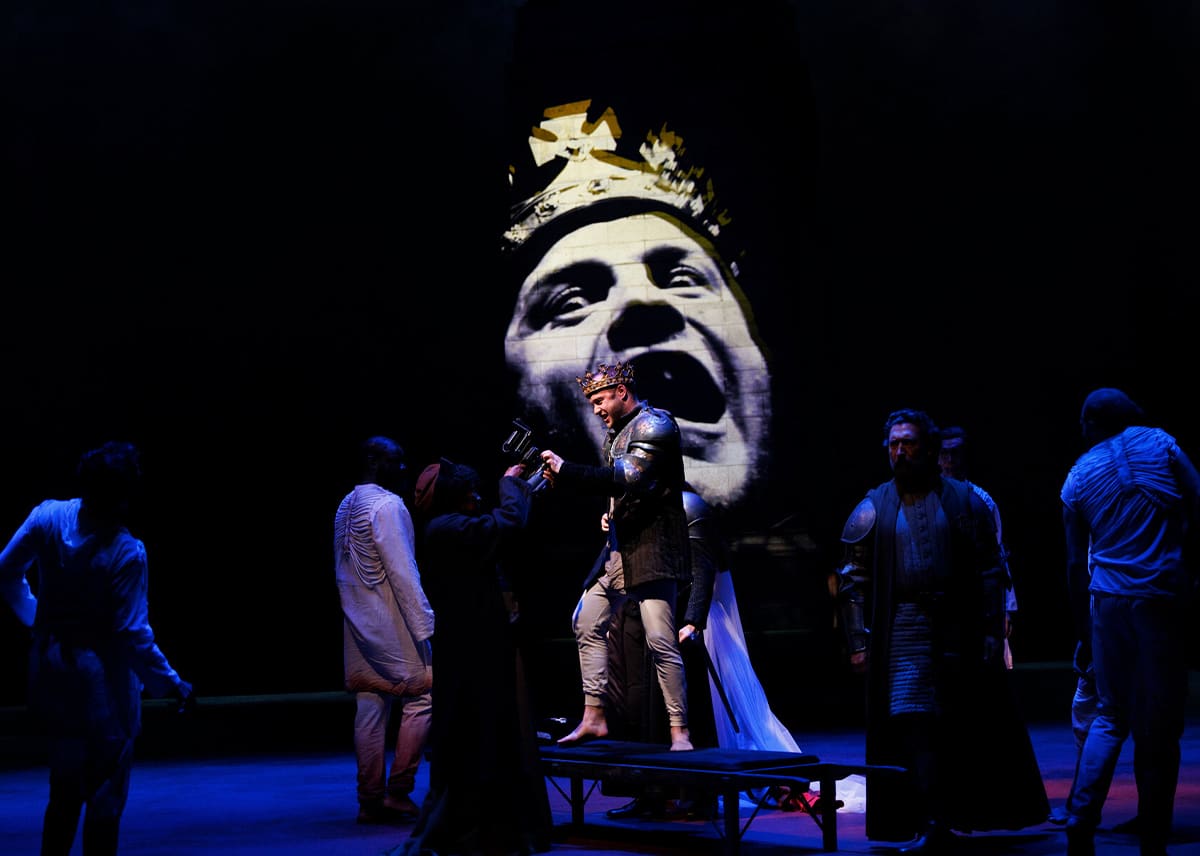
Complex antihero: an interview with Arthur Hughes
Unravelling Authur Hughes' Richard III
Marlon James: a Jamaican reckoning
'A return to a home I barely knew'
The name of this wallpaper is ‘Childhood’
A luminescent bubble of memory

The Disappearers
A sprawling visceral experience that drops you in head first
The Lady Imam
Is the world ready to catch up with amina wadud?