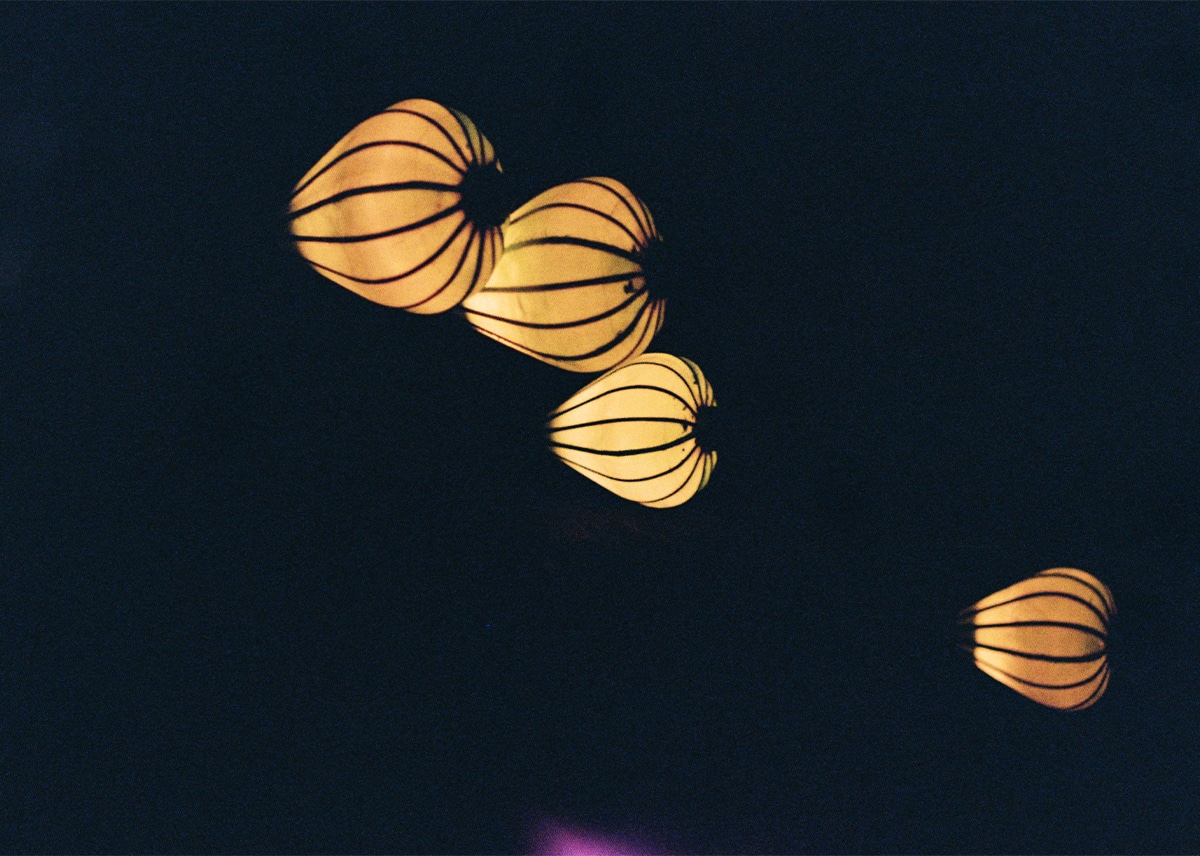
Sufficiently advanced magic: Fantasy and Science Fiction
Gabi and Clarice


She said the word ‘ted’ first thing, every morning. It was part of Clarice’s programming, the operative safe word that switched her on and gave the response back to Gabi, who owned her, that all her systems were working.
Gabi hadn’t chosen it. There’d been a lot that Gabi hadn’t chosen.
Her designated home was a cuboid in one of the newer blocks. It had one window.
Clarice was her only real company.
And she, Gabi, had been the first.
She hated that, being the first, but she’d become used to it. Her life had become a timetable of anniversaries. Her first birthday was reportedly a huge one, then ten years old, twenty-one, the big ‘three oh’. Now she was approaching fifty and she knew that they would come knocking again. Checking in on the great experiment.
Good morning Clarice, Gabi said.
Morning Gabi.
Clarice had an upturned smile most of the time, but despite the sophistication of her programming, the smile didn’t reach her eyes.
Gabi had heard one of the operating team refer to Clarice as her ‘companion sibling’ when they’d installed her. She’d never have a real sister or brother. Just as she’d not had real parents. Or they were a hazy memory; her companion parents, she supposed. She believes something went wrong with their programming, but she’s never discovered the truth.
She’s a gentle person, really. Maybe too gentle. Too accepting.
Brought up by robots. Would it screw up a person? How much?
Gabi dusted herself off from the soft pastels that had turned into small nubs in her fingers. She liked to draw in the morning. She was embarrassed by what she made and didn’t show anyone, although sometimes she placed all of her artwork over every surface of the cuboid and looked at it. Is it any good? she asked herself. Perhaps it is, perhaps there is something there.
She’d let her eyes rest on a particular spot, a hole of blue, deep and thick from where she’d scribbled. Yes, she thought, I can do this. But then as the seconds would pass, she decided that she was wrong. It was no good. She packed up the drawings, into a dusty pile, and hid them behind the sitting space.
Her job was mundane, but she couldn’t complain. She had enough tokens to get the food that she liked, the stuff that didn’t turn her stomach. It was all mock this and fake that, but she’d never tasted the real stuff and so it didn’t matter. Mock fish fingers, she liked.
But fish don’t have fingers, she remembered saying as a kid to Clarice. Clarice had churned out a news report on the repopulating of fish in the ocean, and afterwards had shown Gabi different shapes you could make with your fingers. If you laced them together and made two doors with your thumbs, then you could make a church, with two index fingers pointing skywards for the steeple. But if you put your thumbs together and then just the tips of your index fingers you could make a heart shape. Gabi lost herself doing that on repeat all afternoon.
As a child you could do that: have a preoccupation and then spend all of your time doing it. She supposed that her job was a preoccupation now, but doing the checks on the mushroom farm hadn’t been quite what she’d had in mind.
That was why she drew, she thought. To have that same feeling again. And to forget she was the first.
Her birthday was in two months’ time, and they’d ask her for a one liner about her life and what she was doing.
She thought about the pile of drawings she’d stashed away and let the last of the dust fall from her fingers.
© Polly Ho-Yen
Sufficiently advanced magic: Fantasy and Science Fiction

The woke mind virus
Vassili Christodoulou

Big school
Chịkọdịlị Emelụmadụ

The short history of my mother
Priya Sharma

Why can’t we see him?
Naomi Ishiguro

Terrible things are happening to donkeys
Lavie Tidhar

Einstein in Peckham
Femi Fadugba & Vassili Christodoulou

Fantasy of Manners
Zen Cho & Vassili Christodoulou
WritersMosaic monthly
Get new episodes by email
One email monthly, unsubscribe anytime

Illuminating, in-depth conversations between writers.
Listen to all episodes
SpotifyApple Podcasts
Amazon Music
YouTube
Other apps

The series that tells the true-life stories of migration to the UK.
Listen to all episodes
SpotifyApple Podcasts
Amazon Music
YouTube
Other apps
WritersMosaic interrogates the notion of ‘staying in your lane’ by asking writers how they attempt to think beyond the parameters of their cultural identity.
Listen to all episodes
SpotifyApple Podcasts
YouTube


Marlon James: a Jamaican reckoning
'A return to a home I barely knew'
The name of this wallpaper is ‘Childhood’
A luminescent bubble of memory

What’s in a feminist? Holding on to Gloria Steinem
Is Gloria Steinem's feminism still relevant today?

Pressure
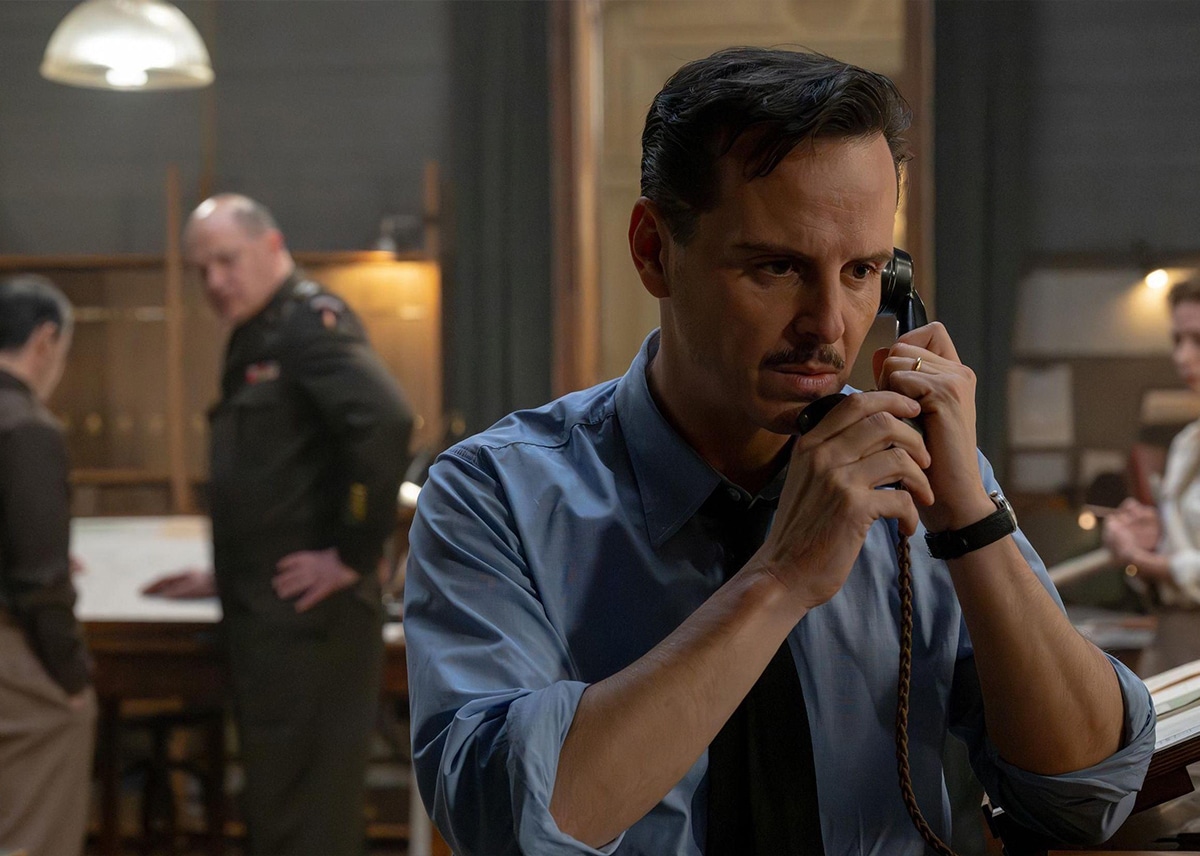
What's missing from the latest 'untold story behind D-Day'?
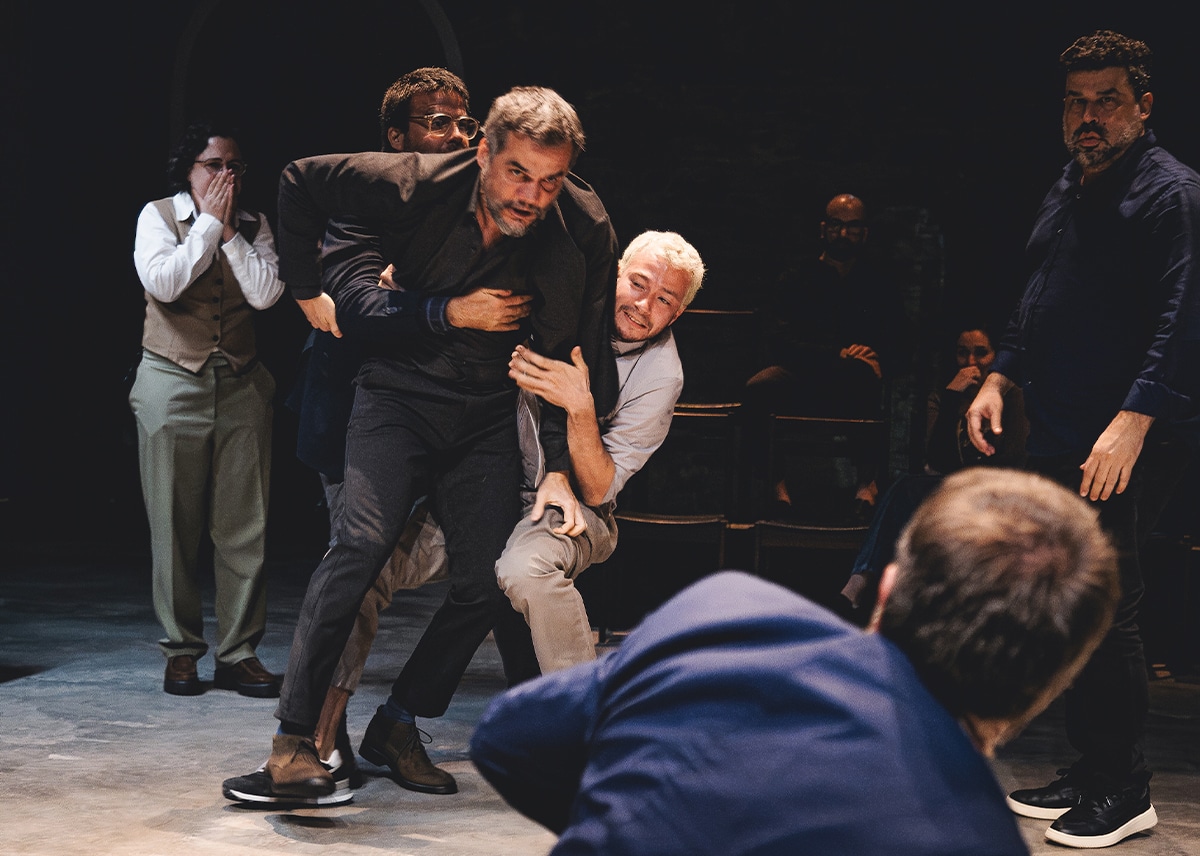
A Trial
An examination of theatre’s complicity in post-truth politics