
Backrooms

Directed by Kane Parsons, written by Kane Parsons and Will Soodik, 2026
Kane Parsons, known online as Kane Pixels, is a VFX artist and filmmaker who, at the age of 20, became the youngest ever director to reach number 1 at the North American box office with his debut feature Backrooms.
Co-written with Will Soodik (Westworld, Homeland), Backrooms is part psychological horror/sci-fi, part found-footage nightmare. The Blair Witch Project, Stranger Things and Severance all sit somewhere in the film’s DNA. However, to understand what makes Backrooms unique, you have to go back to where it all started.
In 2019, in response to a post on the ‘Paranormal’ board on 4chan (an image-based bulletin board) asking for photos that just feel ‘off’, an anonymous user uploaded a photo of an eerie, sterile connected office space with a warning:
If you’re not careful and you noclip out of reality in the wrong areas, you’ll end up in the Backrooms, where it’s nothing but the stink of old moist carpet, the madness of mono-yellow, the endless background noise of fluorescent lights at maximum hum-buzz, and approximately six hundred million square miles of randomly segmented empty rooms to be trapped in. God save you if you hear something wandering around nearby, because it sure as hell has heard you.
As the internet took hold of the photo during COVID, it quickly became the biggest Reddit ‘creepypasta’ (user-generated horror folklore that blurs reality and urban legend) – so potent that it inspired both Dan Erickson’s television series Severance and a then 16-year-old Parsons, who in 2022 created ‘The Backrooms (Found Footage)’, a nine-minute film made in Blender that at the time of writing has 89 million YouTube views. In an interview with Dazed, he explains his fascination with liminal spaces – gas stations, empty corridors, abandoned offices – spaces that exist only to connect other spaces, seeing ‘little (or ideally) no active foot traffic’ – environments detached from time and purpose, generating an unease that is difficult to articulate but instantly recognisable.
Into this world, Parsons places Clark (Chiwetel Ejiofor) – a middle-aged, failed architect running a floundering furniture showroom, Cap’n Clark’s Ottoman Empire, where he also sleeps, following the collapse of his marriage. Clark is not an easy protagonist: bitter, resentful, defensive, drowning his frustrations in alcohol and blaming everyone around him for his own misfortunes. His inability to accept responsibility leaves him trapped in a cycle of self-sabotage.
Through his therapy sessions with Mary (Renate Reinsve), we discover the source of his behaviour. Beneath the anger lies a profound fear of abandonment; Clark pushes people away because he expects them to leave. Mary, meanwhile, carries wounds of her own: haunted by memories of her paranoid schizophrenic mother who boarded up their home and kept her isolated, she struggles with loneliness, recurring nightmares and an inability to witness healthy mother-daughter dynamics. She now peddles her own self-help philosophy with her book, The Window Within.
When Clark discovers a portal-like wall beneath his showroom one drunken evening, he stumbles into the backrooms, finding mounds of furniture seemingly swallowed from the store above. When he vanishes, Mary follows him into the maze and what begins as a search becomes a descent into a world that feels less like a location and more like a manifestation of the subconscious. The maze shifts constantly: claustrophobic crawlspaces, stagnant pools, vertiginous drops and creepy festive displays. Every environment feels simultaneously familiar and wrong. The yellow walls should feel cheerful, yet Parsons transforms the colour into something oppressive and suffocating – a visual contradiction, warmth repurposed into anxiety.
What makes Backrooms particularly compelling is how these environments explore psychological themes. The endless maze becomes a striking visual metaphor for how trauma distorts memory and how repeated patterns can masquerade as comfort while keeping us trapped. The deeper the characters travel, the more fragmented and distorted the architecture becomes, mirroring how experiences are stripped back, reshaped and warped over time, leaving only emotional residue behind. And in the backrooms, the monsters constructed from that residue have a habit of becoming terrifyingly real.
Despite being built on internet horror mythology and set in the ‘90s, Backrooms‘ anxieties are profoundly contemporary. Are we participants in our own existence, or merely observers? It understands a generation that is emotionally articulate yet increasingly disconnected from the real world, constantly analysing its feelings while struggling to move beyond them. In an age of social media, self-optimisation and constant comparison, many feel trapped in cycles they can’t escape – simultaneously consumers and brands, regurgitating the same advice they’ve just consumed, repackaging it back as wisdom.
Chiwetel Ejiofor and Renate Reinsve carry the film’s psychological weight almost entirely between them, every scene a masterclass in unspoken damage. Keep an eye out too for Mark Duplass in a small but memorable role, a fitting nod to his found-footage horror classic Creep.
Some horrors deliver their terror immediately, whereas Backrooms is more insidious. The looming dread sinks its hooks in deep, long after the credits roll, forcing you to reflect on your own patterns – and there’s nothing more terrifying than realising you’re not free from your own mind, just walking in a loop. Like the forgotten spaces that inspired it, Backrooms occupies strange territory: between memory and reality, past and present, comfort and terror. And once you enter, it is difficult to leave.
Danielle Papamichael
Danielle Papamichael is a British screenwriter and film critic of Greek Cypriot and Irish heritage.
WritersMosaic monthly
Get new reviews in your inbox
One email monthly, unsubscribe anytime
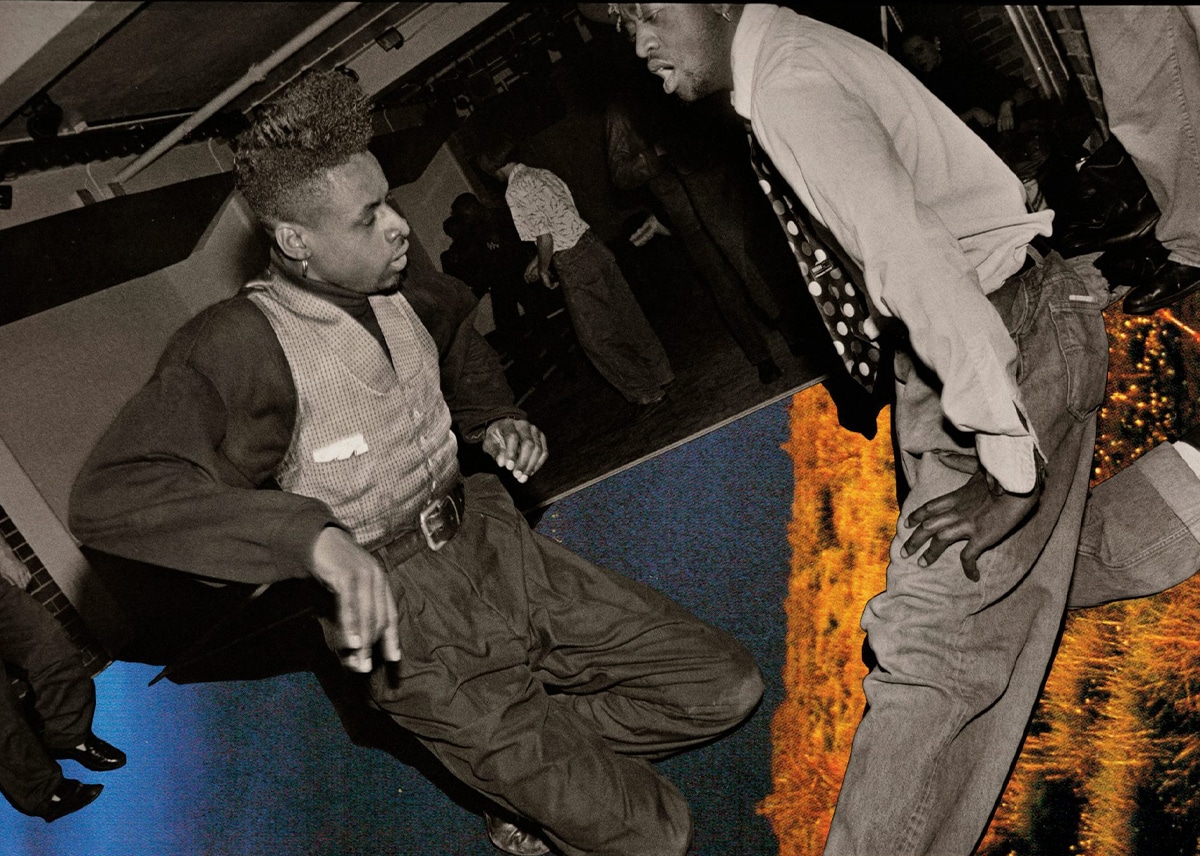
The Disappearers
A sprawling visceral experience that drops you in head first
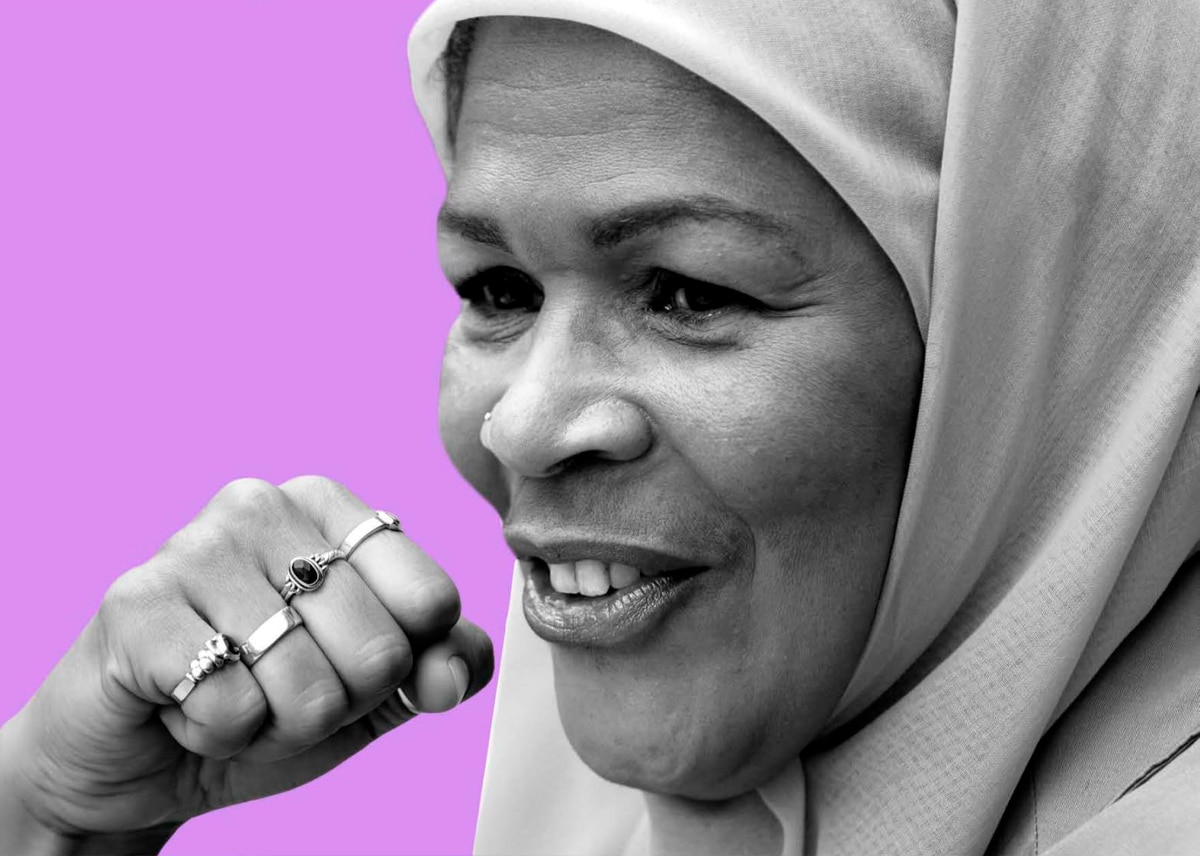
The Lady Imam
Is the world ready to catch up with amina wadud?
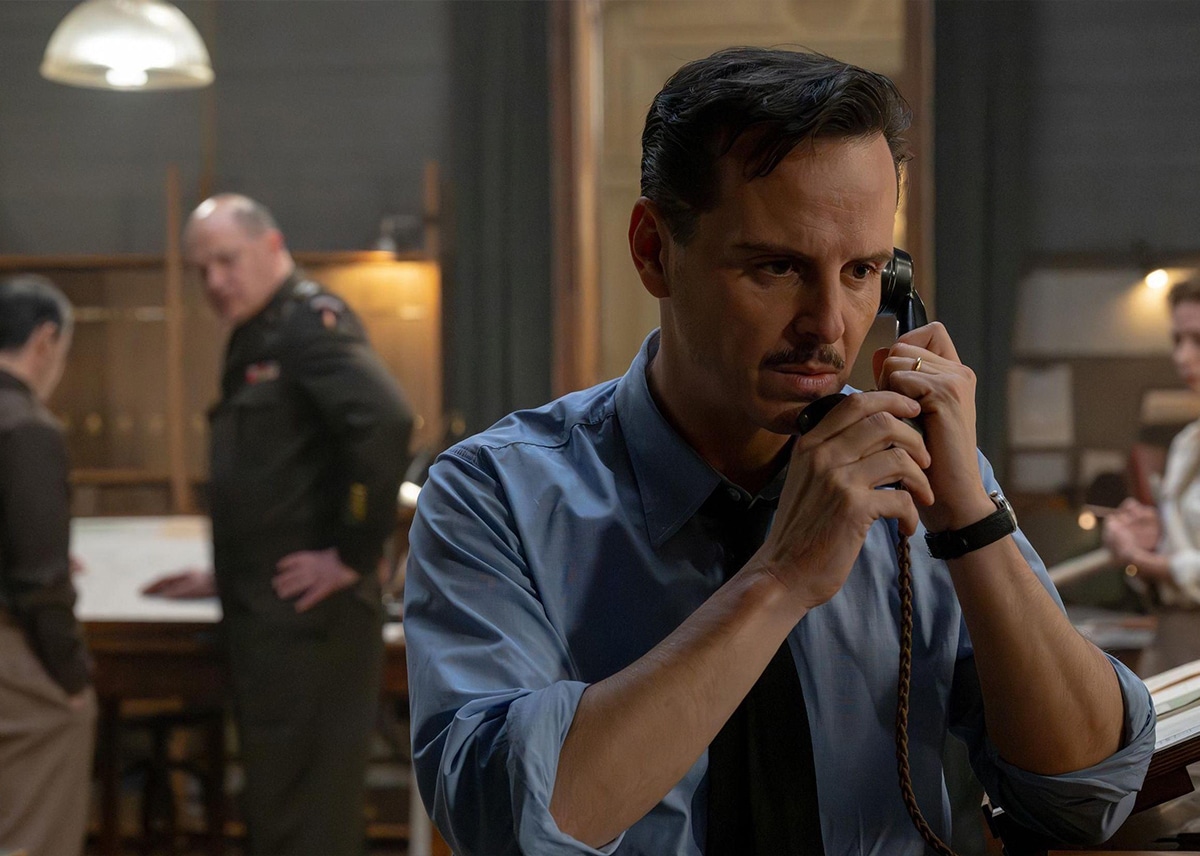
Pressure
What's missing from the latest 'untold story behind D-Day'?
Complex antihero: an interview with Arthur Hughes
Unravelling Authur Hughes' Richard III
Marlon James: a Jamaican reckoning
'A return to a home I barely knew'
The name of this wallpaper is ‘Childhood’
A luminescent bubble of memory



Illuminating, in-depth conversations between writers.
Listen to all episodes
SpotifyApple Podcasts
Amazon Music
YouTube
Other apps

The series that tells the true-life stories of migration to the UK.
Listen to all episodes
SpotifyApple Podcasts
Amazon Music
YouTube
Other apps
WritersMosaic interrogates the notion of ‘staying in your lane’ by asking writers how they attempt to think beyond the parameters of their cultural identity.
Listen to all episodes
SpotifyApple Podcasts
YouTube